


Tochigi Travel Guide
Tochigi is a strong Japan travel destination for Nikko shrines, waterfalls, lake scenery, hot springs, pottery towns, and easy Tokyo access.
Quick facts
- Best for: Nikko shrines, waterfalls, lake scenery, hot springs
- Recommended stay: 1 to 3 days
- Best season: Spring, autumn, and key local festival seasons
- Main bases: Nikko, Lake Chuzenji, Kegon Falls, Nasu
Why visit Tochigi
Tochigi means Nikko to most visitors, and Nikko earns it. Toshogu was founded in 1617 as the shrine to Tokugawa Ieyasu, and its carved and gilded buildings are unlike the restraint of most Japanese shrines. Above the town the road climbs to Kegon Falls, which drops from Lake Chuzenji down a cliff reached by lift, and the whole upper valley turns in autumn. Kinugawa Onsen is the nearby hot spring town for an overnight, and in the south Ashikaga Flower Park is at its most famous when the wisteria is in flower in spring.
Getting to Tochigi
Nikko is one of the easiest day trips from Tokyo, by Tobu line from Asakusa or by JR via Utsunomiya, and it is signposted for visitors throughout. The mistake is treating Toshogu and the upper valley as one day: the buses up to Chuzenji and Kegon climb a long hairpin road and are slow in peak autumn traffic. Staying a night at Kinugawa or in Nikko itself turns a rushed day into a comfortable two. See Getting Around Japan for the private-line tickets that cover this route.
Top Attractions in Tochigi

Nikko Toshogu Shrine
Nikko Toshogu Shrine is the elaborately decorated UNESCO World Heritage shrine built for shogun Tokugawa Ieyasu, known for ornate carvings like the Three Wise Monkeys and the Sleeping Cat, and it anchors most day trips to Nikko from Tokyo.
- Price
- Paid. Shrine-only tickets are around yen 1,600 for adults; a combo ticket covering the Toshogu Museum runs around yen 2,400.
- Time needed
- 1.5 to 2.5 hours.
View practical details
- Best time
- Weekday mornings to avoid tour bus crowds; November is popular for autumn foliage but busier.
- Good for
- History and architecture fans, UNESCO World Heritage sites, and day trips from Tokyo.
What to do
- Look for the famous Three Wise Monkeys and Sleeping Cat carvings as you walk through the shrine buildings.
- Take in the Yomeimon Gate, covered in detailed carvings and gilding, generally considered the highlight of the complex.
- Climb the stone steps to Ieyasu's mausoleum at the back of the grounds if you have extra time.
- Combine the visit with the neighboring Futarasan Shrine and Rinno-ji Temple, both an easy walk away.
Tickets and fees
Checked in July 2026: entry to the shrine grounds costs around yen 1,600 for adults, with a combo ticket covering the Toshogu Museum at about yen 2,400. The ticket counter has often required cash, so bring yen. Confirm current prices and hours on the official Toshogu site before visiting.
Getting there
From Tokyo, take the Tobu Nikko Line limited express direct from Asakusa Station to Tobu-Nikko Station, about 2 hours. From there it is a 10-minute bus ride or a 30 to 40 minute uphill walk to the shrine. JR users can take the Shinkansen to Utsunomiya and transfer to the JR Nikko Line.
Nearby
Combine with Kegon Falls and Lake Chuzenji for a full day in the Nikko area, or extend the trip with a night at Kinugawa Onsen.
Kegon Falls
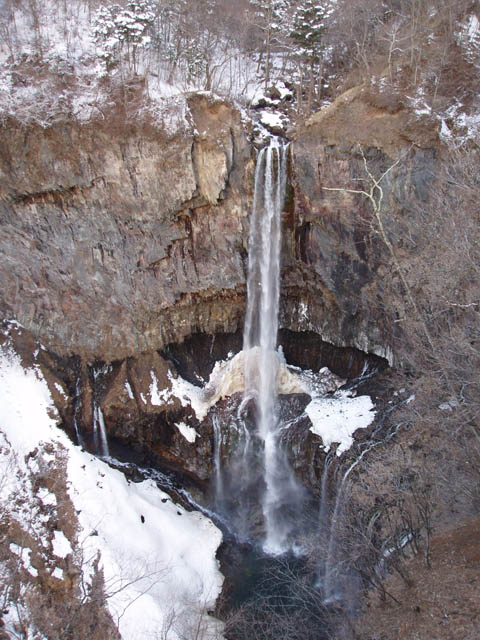
Kegon Falls is a 97-meter waterfall draining Lake Chuzenji near Nikko, ranked among Japan's top three waterfalls, with a paid elevator down to a lower viewing deck for a closer look and strong autumn foliage color around it.
- Price
- The upper viewing deck is free. The elevator to the lower observation deck is paid, around yen 600 for adults round trip.
- Time needed
- 30 to 60 minutes.
View practical details
- Best time
- Autumn (October to November) for foliage color, or after rain for a stronger flow.
- Good for
- Nature lovers, photographers, and pairing with a Nikko shrine visit.
What to do
- Ride the elevator down to the lower observation platform for a close, spray-level view of the 97-meter drop.
- Check the free upper viewing area near the bus stop first if you just want a quick look without paying.
- Walk along Lake Chuzenji, a short walk from the falls, for more mountain and lake scenery.
- Visit in autumn for the surrounding maple foliage, one of the most photographed color-viewing spots in the Nikko area.
Tickets and fees
Checked in July 2026: the upper viewpoint is free, while the elevator to the lower observation deck costs around yen 600 for adults and yen 400 for elementary school children round trip. Hours run roughly 8:00 to 17:00 in the warmer months and shorter in winter; confirm current times before visiting since they can shift seasonally.
Getting there
From Nikko Station or Tobu-Nikko Station, take a bus bound for Chuzenji Onsen and ride to the last stop, about 40 minutes. The falls are a short walk from the bus terminal.
Nearby
Easy to pair with Nikko Toshogu Shrine on the same day, since both are reached via Tobu-Nikko Station, or continue on to Kinugawa Onsen for an overnight stay.
.jpg)
Kinugawa Onsen
Kinugawa Onsen is a riverside hot spring town in Nikko City, Tochigi, known for ryokan with open-air baths along the Kinugawa Gorge and for being a convenient overnight base after visiting Nikko's shrines and waterfalls.
- Price
- Free to walk around the town. Day-trip bathing at individual ryokans typically costs around yen 1,000 to 2,000.
- Time needed
- Half a day for a walk and day-spa visit, or overnight for a full ryokan stay.
View practical details
- Best time
- Any season; autumn foliage and winter illuminations along the gorge are popular highlights.
- Good for
- Hot spring relaxation, ryokan stays, families, and couples wanting a night away from Tokyo.
What to do
- Soak in a riverside open-air bath (rotenburo) at one of the ryokans offering day-trip access.
- Walk along the Kinugawa Gorge for views of the river cutting through the rock walls.
- Ride the Kinugawa Onsen Ropeway for a wider view over the town and surrounding mountains.
- Browse the shops and casual restaurants near the station if you are not staying at a ryokan with meals included.
Tickets and fees
Checked in July 2026: there is no admission fee to walk through the town. Day-trip bathing (higaeri onsen) at individual ryokans generally runs around yen 1,000 to 2,000 per person; hours and availability vary by property, so check directly with the ryokan before visiting.
Getting there
From Tokyo, the most direct route is the Tobu Railway limited express from Asakusa Station to Kinugawa-Onsen Station, a little over 2 hours. Alternatively, take the Tohoku Shinkansen from Tokyo Station to Utsunomiya, then transfer to a local JR or Tobu line toward Kinugawa Onsen.
Nearby
Kinugawa Onsen makes a good overnight base after visiting Nikko Toshogu Shrine and Kegon Falls earlier in the day.

Ashikaga Flower Park
Ashikaga Flower Park is a large flower garden in Ashikaga, Tochigi, famous for its Great Wisteria trees and wisteria tunnels that peak from mid-April to mid-May, plus a separate large-scale winter illumination event outside the flower season.
- Price
- Paid, with dynamic pricing tied to bloom condition. Adult daytime admission during wisteria season is roughly yen 1,200 to 2,300; other seasons are generally cheaper.
- Time needed
- 1.5 to 2.5 hours.
View practical details
- Best time
- Mid-April to mid-May for peak wisteria bloom; the wisteria display is seasonal and not available year-round. Winter (roughly October to February) for the illumination event instead.
- Good for
- Flower and garden fans, photographers, families, and seasonal illumination visits.
What to do
- See the Great Wisteria tree and the wisteria tunnels during the peak bloom window, roughly mid-April to mid-May.
- Visit the water wisteria display over the pond if you are there in late spring.
- Come back outside spring for the large-scale winter illumination event, a separate highlight from the flower season.
- Check the park's real-time bloom status online before your trip, since wisteria timing shifts from year to year.
Tickets and fees
Checked in July 2026: admission uses dynamic pricing that changes with bloom condition, especially during the spring wisteria season, with adult daytime tickets roughly yen 1,200 to 2,300 at peak bloom and lower outside that window. Check the official park website for the exact price and hours on your travel date, since both shift with the flowers.
Getting there
Take the JR Ryomo Line to Ashikaga Flower Park Station, a short walk from the entrance; this station mainly operates during flower and illumination seasons. Outside those times, use Tobu Ashikaga-shi Station or JR Ashikaga Station and a short taxi or bus ride.
Nearby
If you are exploring wider Tochigi, this pairs as a separate day trip with Nikko Toshogu Shrine, though the two areas are far enough apart that most visitors treat them as separate outings rather than one day.
Latest Articles
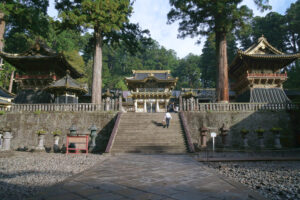 Nikko Toshogu: Tickets, Hours and a Practical Shrine VisitChoose the right Nikko Toshogu ticket, understand seasonal opening hours and decide whether the Treasure Museum or a…
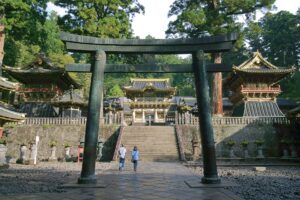 Tokyo to Nikko Day Trip: Train Tickets, Toshogu and a Return PlanPlan a practical Tokyo to Nikko day trip with the right Tobu train tickets, a first-time Toshogu route,…
This page may contain affiliate links. We may earn a commission at no extra cost to you.
Read next
Where to stay
- Use Nikko, Utsunomiya, Nasu Onsen as practical bases depending on your route.
- Stay near the main station for transport-heavy trips.
- Choose an onsen, coastal, or historic area for a slower overnight stay.
Sample itinerary
- Day 1: Start with the main city, food area, and easiest signature sights.
- Day 2: Visit the top nature, shrine, castle, or cultural area.
- Day 3: Add a day trip, onsen, coast, island, or rural stop if your schedule allows.
Food to try
- Gyoza
- Yuba
- Strawberries
- Soba
Common questions
Can you see Toshogu and Kegon Falls in one day?
It is tight. The buses up to Chuzenji and Kegon climb a long hairpin road and are slow in peak autumn traffic, so staying a night turns a rushed day into a comfortable two.
How do you get to Nikko from Tokyo?
By Tobu line from Asakusa or by JR via Utsunomiya. It is one of the easiest day trips from Tokyo and is signposted for visitors throughout.
What is Nikko Toshogu?
The shrine to Tokugawa Ieyasu, founded in 1617. Its carved and gilded buildings are unlike the restraint of most Japanese shrines.
When is Ashikaga Flower Park at its best?
In spring, when the wisteria is in flower.
Explore Nearby Japan
Continue planning your route with nearby prefectures, regional guides, and useful trip planning links.
Nearby Prefectures
Same Region Guides
Useful Planning Links
Recommended Planning Guides
Use these practical guides to plan where to stay, move between regions, and shape your itinerary before your Japan trip.
Plan Your Japan Trip
When to go, how long, where, money, and what to sort before you book.
Read planning guideJapan Transport Guide
IC cards, rail passes, the Shinkansen, and getting in from the airport.
Read transport guideHotels & Where to Stay
Compare stay areas and lodging ideas for first-time Japan visitors.
Find stay guides