


Kanagawa Travel Guide
Kanagawa is one of the easiest Tokyo side-trip regions, with Yokohama city views, Kamakura temples, Hakone hot springs, Enoshima beaches, and Mt Fuji views on clear days.
Quick facts
- Best for: Tokyo side trips, temples, onsen, city views
- Recommended stay: 1 to 3 days
- Best season: Spring, autumn, and clear winter days
- Main bases: Yokohama, Kamakura, Hakone
Why visit Kanagawa
Kanagawa packs an unusual amount into a small prefecture immediately south of Tokyo. Yokohama is Japan’s second largest city and its waterfront is a genuine evening out rather than a viewpoint. Kamakura was the country’s political capital in the twelfth and thirteenth centuries and keeps the temples and the great bronze Buddha from that period — our Kamakura day trip guide covers the route in detail. Enoshima is the small shrine island off the same coast, and Hakone is the hot spring and mountain area where people go to see Mount Fuji across a lake.
Getting to Kanagawa
Kanagawa is close enough to Tokyo that almost everything here works as a day trip without changing hotels, and the coastal Enoden line between Kamakura and Enoshima is part of the appeal rather than just transport. Hakone is the exception worth an overnight, both because the loop of ropeway, boat and mountain railway takes most of a day and because the ryokan are the point. Yokohama is close enough for dinner and back. See Getting Around Japan for the area passes that cover these routes.
Top Attractions in Kanagawa
Yokohama Minato Mirai
Minato Mirai is Yokohama's futuristic waterfront district, a walkable mix of harbor views, museums, shopping, and a landmark Ferris wheel that makes an easy half-day or full-day trip from central Tokyo.
- Price
- Free to walk around the district. Paid attractions inside (Landmark Tower Sky Garden, Cup Noodles Museum, Cosmo World rides) charge separate admission, roughly yen 300 to yen 1,000 each.
- Time needed
- Half a day to a full day, depending on how many attractions you add.
View practical details
- Best time
- Late afternoon into evening, for sunset over the bay and the illuminated Cosmo Clock 21 Ferris wheel.
- Good for
- Couples, families, photographers, and a walkable modern waterfront day trip from Tokyo.
What to do
- Ride or photograph the Cosmo Clock 21 Ferris wheel at Cosmo World, especially after dark when it lights up.
- Go up to the Sky Garden observation deck on the 69th floor of Yokohama Landmark Tower for a wide harbor and city view.
- Walk through the Red Brick Warehouse (Akarenga Soko) for shops, cafes, and seasonal markets right on the water.
- Visit the Cup Noodles Museum to see the exhibits and, if there is time, make your own custom cup of noodles.
Tickets and fees
Checked in July 2026: Minato Mirai itself is free to enter and walk around. Individual attractions charge their own admission - Landmark Tower Sky Garden and the Cup Noodles Museum typically run around yen 500 to yen 1,000 per adult, and Cosmo World rides are pay-per-ride. Check each attraction's own site for current prices, since they change from time to time.
Getting there
The district sits between Minatomirai Station on the Minatomirai Line and Sakuragicho Station on the JR Negishi Line, both an easy walk in. From central Tokyo, the fastest route is JR to Yokohama Station, then two stops on the Minatomirai Line, or a direct Tokyu Toyoko Line through-service from Shibuya.
Nearby
Yokohama pairs well with a day trip further into Kanagawa, such as the Kamakura Great Buddha or the seaside shrines of Enoshima, both reachable by train in under an hour.

Kamakura Great Buddha
The Great Buddha of Kamakura, a large bronze Amida Buddha statue at Kotoku-in temple, is one of Japan's most recognizable landmarks and a straightforward add-on to any Kamakura day trip.
- Price
- Paid. Temple grounds admission is yen 300 for adults and yen 150 for children; entering the inside of the statue costs an extra yen 50.
- Time needed
- 45 minutes to 1 hour.
View practical details
- Best time
- Weekday mornings soon after opening, before tour groups arrive.
- Good for
- First-time Kamakura visitors, Buddhist history and culture, and photographers.
What to do
- View the bronze Great Buddha (Amida Nyorai) from the front, then walk around to see it from the side and back.
- Pay the small extra fee to step inside the hollow statue and see how it was cast.
- Look for the giant bronze straw sandals near the statue, offered by pilgrims for the Buddha's travels.
- Combine the visit with nearby Hase-dera Temple, a short walk away, using the discounted combination ticket.
Tickets and fees
Checked in July 2026: grounds admission is yen 300 for adults and yen 150 for children aged 6 to 12; going inside the statue is an extra yen 50 paid on site. A combined ticket with Hase-dera Temple has been offered for around yen 550. Entrance booths have historically been cash-only, so carry yen coins and small bills.
Getting there
From Kamakura Station, take the Enoden Line to Hase Station, then walk about 7 minutes to the temple. Kamakura Station is reachable from Tokyo Station via the JR Yokosuka Line (about 1 hour) or from Shinjuku via the JR Shonan-Shinjuku Line.
Nearby
The Enoden Line continues on to Enoshima, so it is easy to combine the Great Buddha with a seaside island stop on the same day, and Yokohama Minato Mirai is about an hour away by train if you want to add a modern waterfront stop too.
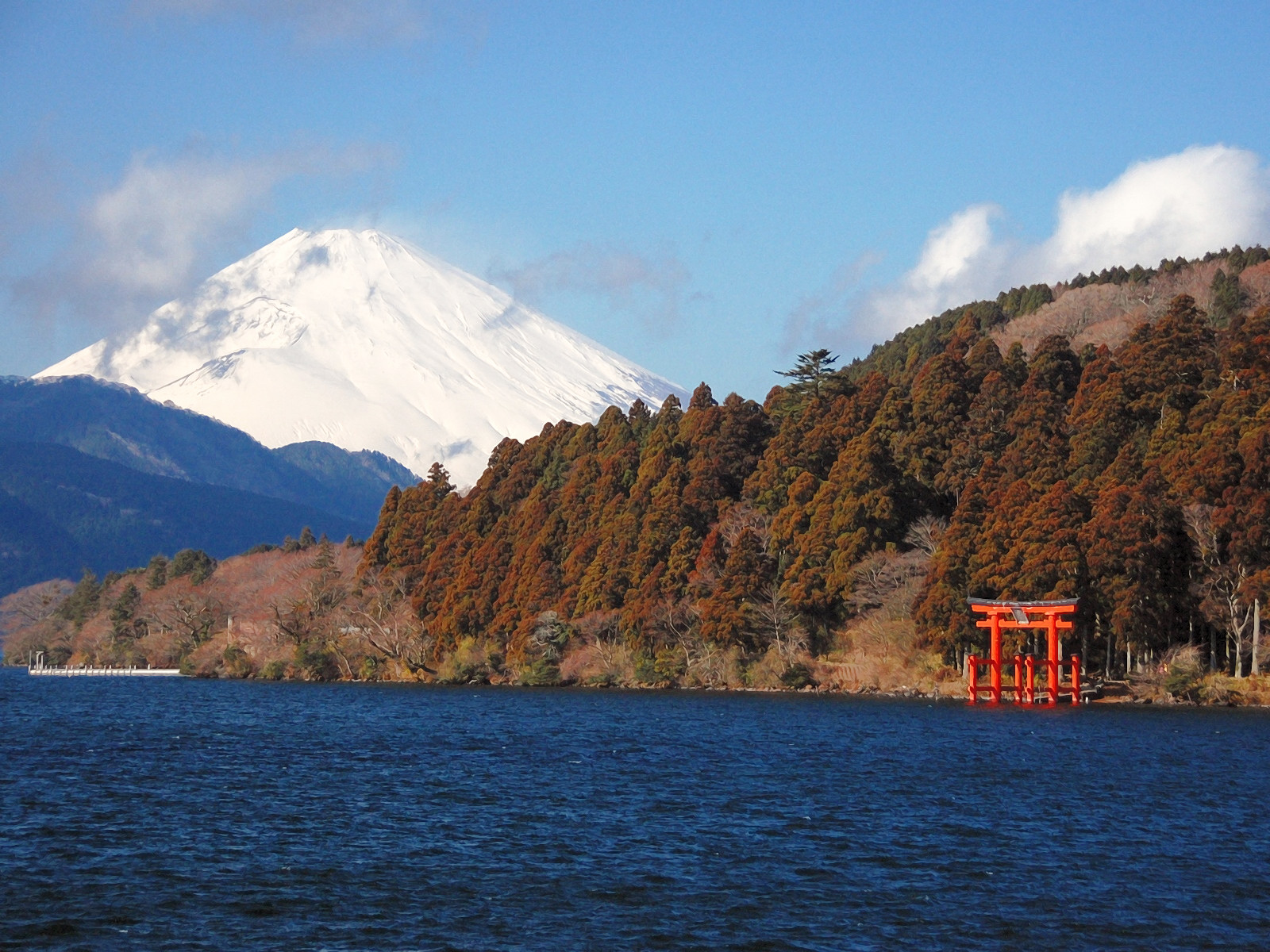
Hakone
Hakone is a mountain hot spring resort area west of Tokyo, best known for onsen baths, volcanic scenery at Owakudani, and Mt Fuji views over Lake Ashi, all linked together by train, cable car, ropeway, and boat.
- Price
- Paid. The Hakone Free Pass from Shinjuku runs around yen 6,100 for 2 days and yen 6,500 for 3 days; attractions can also be paid for individually.
- Time needed
- A full day at minimum; an overnight stay lets you cover more ground without rushing.
View practical details
- Best time
- Clear mornings for the best chance at Mt Fuji views from Lake Ashi or the ropeway; weekdays to avoid the busiest crowds.
- Good for
- Onsen hot spring baths, mountain and lake scenery, and travelers who enjoy sightseeing by train, cable car, ropeway, and boat all in one day.
What to do
- Ride the Hakone Tozan Railway and cable car up to Sounzan, then continue on the Hakone Ropeway toward Owakudani.
- Stop at Owakudani to see the volcanic steam vents and try the local black eggs (kuro-tamago), said to add years to your life.
- Take the sightseeing cruise boat across Lake Ashi, with Mt Fuji sometimes visible behind the torii gate of Hakone Shrine on clear days.
- Soak in an onsen hot spring bath at a ryokan or day-use bathing facility before heading back.
Tickets and fees
Checked in July 2026: the Hakone Free Pass from Shinjuku runs about yen 6,100 for 2 days and yen 6,500 for 3 days, covering the round-trip Odakyu train plus unlimited rides on the local train, cable car, ropeway, Lake Ashi cruise boat, and Hakone-area buses. It usually works out cheaper than paying for each leg separately if you plan to use more than two or three of these rides. Fares and pass prices are adjusted periodically, so check the official Odakyu site before your trip.
Getting there
From Shinjuku Station, take the Odakyu Odawara Line or the Romancecar limited express to Hakone-Yumoto Station (about 1.5 to 2 hours), the gateway to the Hakone Tozan Railway, cable car, and ropeway network used to get around the rest of the area.
Nearby
Hakone sits on the western edge of Kanagawa, so it works best as its own day trip or overnight stay, though some visitors combine it with a stop in Yokohama Minato Mirai on the way back toward Tokyo.

Enoshima
Enoshima is a small, bridge-connected island near Kamakura and Fujisawa with a shrine, sea caves, and an observation tower, making it a natural coastal add-on to a Kamakura day trip.
- Price
- Free to walk onto the island. Paid attractions inside (Enoshima Shrine treasure hall, Samuel Cocking Garden and Sea Candle tower, Iwaya Caves) each charge roughly yen 200 to yen 500.
- Time needed
- 3 to 4 hours for the main sights, more if you add the spa or a seafood meal.
View practical details
- Best time
- Late afternoon into sunset, when the Sea Candle tower view and the coastline look best.
- Good for
- Combining with Kamakura as a coastal day trip, shrine visits, sea views, and walking with some stairs and slopes.
What to do
- Walk across the bridge onto the island and up through the shopping street to Enoshima Shrine.
- Ride the outdoor Enoshima Escar escalator partway up if you want to skip some of the steeper stairs.
- Go up the Sea Candle observation tower in Samuel Cocking Garden for coastal views, with Mt Fuji visible on clear days.
- Walk down to Iwaya Caves at the far side of the island, or relax afterward at the Enospa hot spring and pool facility.
Tickets and fees
Checked in July 2026: the island itself and the shrine grounds are free to enter. The Enoshima Shrine treasure hall, the Samuel Cocking Garden and Sea Candle tower, and Iwaya Caves each charge their own small admission, generally yen 200 to yen 500 per site, with a combination ticket sometimes available. Confirm current prices locally, since they can change by season.
Getting there
Take the Odakyu Line to Katase-Enoshima Station, the Enoden Line to Enoshima Station, or the Shonan Monorail to Shonan-Enoshima Station, then walk across the bridge onto the island. From Shinjuku, the Odakyu Line runs directly to Katase-Enoshima in about 70 to 80 minutes.
Nearby
Enoshima connects directly to Kamakura by the Enoden Line, so it is easy to pair with the Kamakura Great Buddha on the same day, and Yokohama Minato Mirai is a further train ride away if you want to extend the trip.
Latest Articles
 Tokyo to Kamakura Day Trip: Enoden, Hasedera and the Great BuddhaPlan a practical Tokyo to Kamakura day trip with JR and Enoden fares, Hasedera and Great Buddha hours,…
 Tokyo to Hakone Day Trip: A First-Time Route by Train, Ropeway and Lake Ashi CruisePlan a practical Hakone day trip from Tokyo with the key transfers, the Hakone Freepass, Owakudani, Lake Ashi…
This page may contain affiliate links. We may earn a commission at no extra cost to you.
Read next
Where to stay
| Area | Notes |
|---|---|
| Yokohama | convenient for food, shopping, harbor views, and city hotels. |
| Kamakura or Enoshima | best for a slower temple, beach, and cafe stay. |
| Hakone | best for ryokan, onsen, and a more relaxed overnight trip. |
Sample itinerary
- Day 1: Yokohama Minato Mirai, Chinatown, and the waterfront.
- Day 2: Kamakura temples, the Great Buddha, and Enoshima.
- Day 3: Hakone loop, Lake Ashi, onsen, and Fuji views if the weather is clear.
Food to try
- Yokohama Chinatown dishes
- Fresh shirasu near Enoshima and Kamakura
- Ryokan dinners and onsen town snacks in Hakone
Common questions
Which Kanagawa sights work as day trips from Tokyo?
Almost all of them. Yokohama, Kamakura and Enoshima are close enough to visit without changing hotels, and Yokohama is near enough for dinner and back.
Should you stay overnight in Hakone?
It is the one part of Kanagawa worth it. The loop of ropeway, boat and mountain railway takes most of a day, and the ryokan are the point.
What is the Enoden?
The coastal line between Kamakura and Enoshima. It is part of the appeal rather than just transport.
Why is Kamakura full of temples?
It was the political capital of the country in the twelfth and thirteenth centuries, and it keeps the temples and the great bronze Buddha from that period.
Explore Nearby Japan
Continue planning your route with nearby prefectures, regional guides, and useful trip planning links.
Nearby Prefectures
Same Region Guides
Useful Planning Links
Recommended Planning Guides
Use these practical guides to plan where to stay, move between regions, and shape your itinerary before your Japan trip.
Plan Your Japan Trip
When to go, how long, where, money, and what to sort before you book.
Read planning guideJapan Transport Guide
IC cards, rail passes, the Shinkansen, and getting in from the airport.
Read transport guideHotels & Where to Stay
Compare stay areas and lodging ideas for first-time Japan visitors.
Find stay guides