
Food Food
Japan Food Travel Guide
Regional food is one of the best reasons to travel around Japan rather than staying in one city. Use this guide to decide what to try, where to look, and what to check before you sit down.
Regional specialties
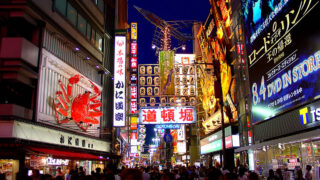
Osaka is a practical base for takoyaki and okonomiyaki, Fukuoka for tonkotsu ramen, Hokkaido for seafood and dairy, and Miyazaki for local beef and chicken. Treat these as starting points, then look for the dish that belongs to the prefecture you are visiting.
Markets & street food
Tsukiji Outer Market in Tokyo, Nishiki Market in Kyoto, and Kuromon Market in Osaka are useful for sampling several dishes in one walk. Go earlier for a calmer visit, and follow each market’s current rules about eating while walking.
Restaurant types
Look for set-meal restaurants, ramen shops, izakaya, conveyor-belt sushi, food halls, and department-store basement counters. A small local restaurant can be easier for a first visit than a famous queue, especially when the menu has photographs or ticket-machine buttons.
Dining etiquette basics
Many restaurants use ticket machines or QR-code ordering, some are cash-only, and popular spots may require a reservation. Avoid blocking narrow entrances, follow the restaurant’s seating instructions, and check whether a service charge or table charge applies.
Explore by destination
- Osaka — street food, casual dining, and classic Kansai dishes.
- Hokkaido — seafood, dairy, ramen, and seasonal produce.
- Fukuoka — ramen, yatai food stalls, and a compact food-focused city stay.
- Tokyo — the widest range of regional cuisines, markets, and reservation-only restaurants.
- Kyoto — kaiseki, tofu, tea sweets, Nishiki Market, and traditional dining areas.
Plan meals around your trip
Book the hard-to-get meal first
For a famous sushi counter, kaiseki restaurant, specialty course, or food experience with limited seats, check the official booking method before finalizing your evening. Keep one flexible meal in the plan in case a reservation is unavailable.
Eat well on a budget
Convenience stores, standing soba shops, supermarket food halls, and set lunch menus can keep costs down. Department-store basements are also useful when you want prepared food for a hotel room or train journey.
Check dietary needs
Vegetarian, vegan, halal, allergy, and gluten-free options vary by restaurant. Explain the exact ingredient or cross-contact concern, do not rely on a translated label alone, and confirm directly with the restaurant before ordering.
Match food to the season
Seasonal menus change throughout the year. Ask what is best now rather than expecting one dish to be available everywhere, and check current opening days around holidays before making a special journey.
Before you go
- Carry a payment backup: cards are common, but cash-only restaurants still exist.
- Check the last order time, not only the closing time.
- Allow time for queues at famous markets and restaurants; do not place a timed train connection immediately after a meal.
- Use the restaurant’s official site or current reservation page for prices, opening hours, and booking rules.
Start with our Osaka food guide for a practical first-city route, then connect your meals to our itinerary ideas and where-to-stay guides.
Food 