

Hokkaido Travel Guide
Hokkaido is a strong Japan travel destination for wide open nature, winter snow, lavender fields, national parks, seafood, and relaxed road trips.
Quick facts
- Best for: wide open nature, winter snow, lavender fields, national parks
- Recommended stay: 1 to 3 days
- Best season: Spring, autumn, and key local festival seasons
- Main bases: Sapporo, Otaru, Hakodate, Furano, Niseko
Why visit Hokkaido
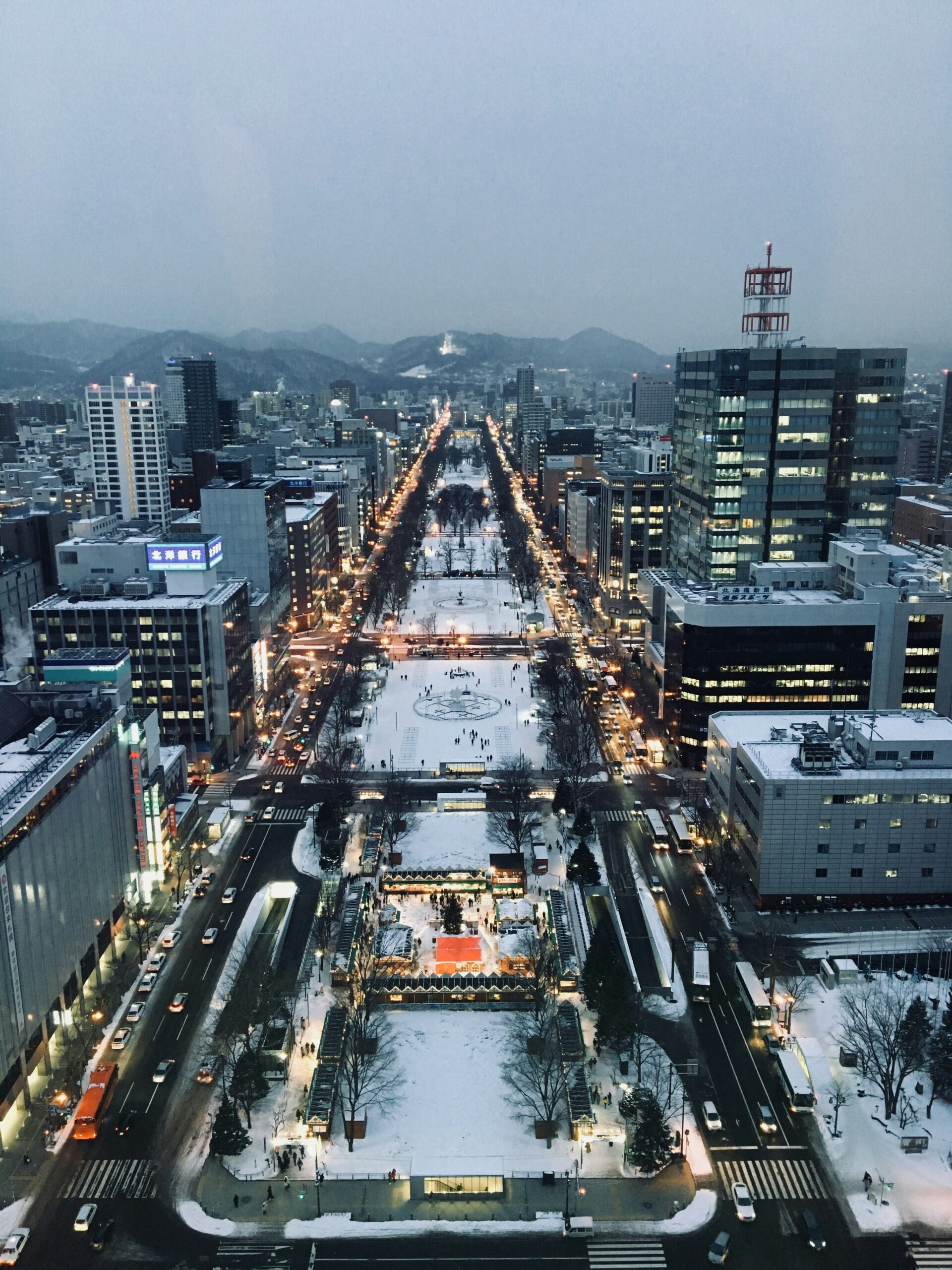
Hokkaido is Japan’s northernmost main island and its largest prefecture by area, and that scale is the single thing most first-time itineraries underestimate. Cities here sit hours apart, not minutes, so Hokkaido works as a trip of its own rather than a side trip from Tokyo. Sapporo is the natural base and the host of the February snow festival. Otaru and its canal of stone warehouses is a short ride away, Hakodate in the south is known for its night view from the mountain above the port, and Furano fills with lavender in July.
Getting to Hokkaido
Most visitors fly into New Chitose Airport near Sapporo rather than take the train, because the rail journey from Honshu is long even with the Shinkansen. Once you are there, distances between towns make a rental car or long-distance bus part of most plans, especially outside the Sapporo–Otaru corridor. Hokkaido is also the most seasonally split region in Japan — deep snow and skiing in winter, flower fields and cool hiking weather in summer — so the month you choose changes the trip more than anywhere else. See Plan Your Japan Trip for how to decide when to go.
Top Attractions in Hokkaido
Sapporo
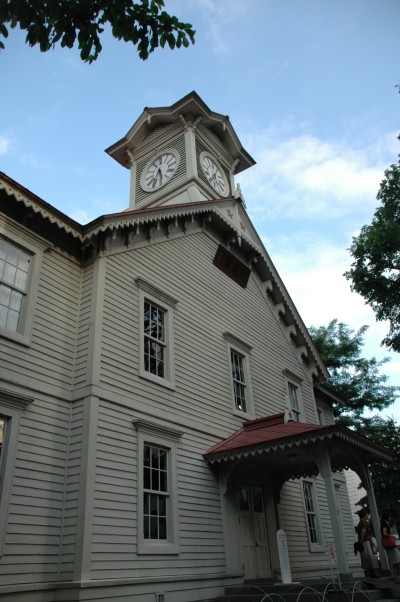
Sapporo is Hokkaido's largest city and the natural base for a Hokkaido trip, with a walkable downtown that pairs the historic Clock Tower and tree-lined Odori Park with strong food, beer, and shopping options.
- Price
- Mostly free. Odori Park and the Clock Tower exterior cost nothing; the Clock Tower's small history exhibit charges a modest entry fee, and the Sapporo TV Tower observation deck is a separate paid ticket.
- Time needed
- Half a day for the main downtown sights, or a full day if you add the beer museum and Nijo Market.
View practical details
- Best time
- Year-round city, but early February (Sapporo Snow Festival) and summer beer garden season in Odori Park are the two big draws.
- Good for
- First-time Hokkaido visitors, food lovers, and anyone using Sapporo as a base for day trips.
What to do
- Walk through Odori Park, the long green spine of downtown Sapporo that hosts most major festivals.
- See the Sapporo Clock Tower, one of the oldest Western-style buildings left in Japan.
- Go up the Sapporo TV Tower for a skyline view over the park and the Susukino entertainment district.
- Eat at Nijo Market or in Susukino, both known for fresh Hokkaido seafood, crab, and ramen.
- Visit the Sapporo Beer Museum if you want the city's brewing history alongside a tasting.
Tickets and fees
Checked in July 2026: the Clock Tower exhibit and TV Tower observation deck both charge separate small admission fees, payable on site or in advance online; Odori Park itself has no entry cost. Prices can change, so confirm current rates before visiting.
Getting there
Sapporo Station is the main hub, reachable by JR rapid train from New Chitose Airport in about 35 to 40 minutes. Odori Park and the Clock Tower are both an easy 10 to 15 minute walk from the station, and Susukino is one subway stop further south.
Nearby
Sapporo works well as a base for day trips to Otaru Canal, about 30 to 40 minutes away by train, and for longer trips out to Furano Lavender Fields in summer.

Otaru Canal
Otaru Canal is a preserved harbor waterway lined with early 20th century stone warehouses, and it makes an easy, scenic half-day trip from Sapporo, especially appealing in the early evening when the gas lamps along the water are lit.
- Price
- Free to walk the canal and warehouse district. Otaru Canal Cruise lists adult fares of ¥1,800 by day and ¥2,000 at night (tax included; check the operator before visiting).
- Time needed
- 1.5 to 2 hours for the free canal walk and nearby streets; add a 40-minute canal cruise plus check-in time if you want the water-level view.
View practical details
- Best time
- Early evening, once the 63 gas lamps along the canal are lit; winter visits during the Otaru Snow Light Path festival in February are also popular.
- Good for
- Photographers, couples, and anyone doing a day trip from Sapporo.
What to do
- Walk the canal from the wider North Canal section down to the developed southern promenade.
- Browse the converted stone warehouses, now home to glassware shops, music box stores, and restaurants.
- Choose the paid 40-minute canal cruise when a water-level view and a timed evening plan matter more than a flexible free walk; choose the promenade alone for an unhurried, no-ticket visit.
- Return around sunset to see the gas lamps lit along the water, the classic Otaru photo.
Tickets and fees
Checked in July 2026: walking the canal is free. Otaru Canal Cruise lists adult fares of ¥1,800 for a day cruise and ¥2,000 for a night cruise (tax included), with a 40-minute ride. The current summer timetable lists day departures through 18:30 and night departures at 19:00, 19:30 and 20:00; arrive 15 minutes early and reserve ahead for summer-holiday dates. Check the operator before visiting.
Getting there
From JR Otaru Station, the canal is about a 10-minute walk. For a simple visit, walk the free southern promenade at your own pace; choose a timed cruise only if its 40-minute water-level route fits your day-trip schedule.
Nearby
Otaru is an easy add-on to a Sapporo stay, usually done as a half-day or full-day trip by train.

Hakodate
The view from Mount Hakodate is regularly ranked among Japan's best night views, with the city's harbor and two curving coastlines forming a distinctive hourglass shape once the lights come on, best seen from the ropeway-accessed summit observation deck.
- Price
- Paid. The Mount Hakodate Ropeway round trip is yen 1,800 for adults and yen 900 for children; one-way tickets are also available.
- Time needed
- 1.5 to 2 hours including the ropeway ride and time at the observation deck.
View practical details
- Best time
- About 30 minutes after sunset, when the sky still has some color but the city lights are fully on.
- Good for
- First-time Hakodate visitors, couples, and night-view photographers.
What to do
- Ride the ropeway from Sanroku Station to the summit, a three minute trip with views along the way.
- Time your visit for roughly 30 minutes after sunset for the best balance of daylight and city lights.
- Walk the full length of the observation deck, since the view and crowd density change from one end to the other.
- Check the ropeway's operating hours before you go, since they shift by season.
Tickets and fees
Checked in July 2026: round trip ropeway tickets are yen 1,800 for adults and yen 900 for children, with one-way fares also sold; the ropeway runs from 10:00 to 22:00 in peak season and closes earlier in winter. Buy tickets at the Sanroku Station counter, and expect queues around sunset in summer.
Getting there
From JR Hakodate Station, take a tram or bus to the Ropeway Sanroku Station stop, about 10 minutes, then walk a few minutes uphill to the ropeway base station.
Nearby
Hakodate is a separate leg of a Hokkaido trip from Sapporo, roughly 4 hours away by limited express train, so most visitors plan an overnight stay rather than a day trip.
.jpg)
Furano
Furano's lavender fields, centered on Farm Tomita, are one of Hokkaido's signature summer sights, with rolling rows of purple set against the Tokachi mountains, but the display is strictly seasonal, so timing the trip right matters more than for most spots on this list.
- Price
- Free to enter Farm Tomita and walk the fields. Cafes, shops, and some seasonal attractions on site are separately paid.
- Time needed
- 1.5 to 2 hours at Farm Tomita, more if you visit multiple flower farms in the area.
View practical details
- Best time
- Lavender only, roughly mid-July to early August at peak bloom; the wider flower season runs from June to September with other blooms before and after lavender.
- Good for
- Nature lovers and photographers visiting Hokkaido specifically in summer; this is not a year-round destination.
What to do
- Walk the main lavender fields at Farm Tomita, free to enter, with the Tokachi mountain range as a backdrop.
- Visit in mid to late July for peak lavender bloom, and check current bloom updates before locking in dates.
- Try lavender-flavored soft serve and other lavender products sold on site.
- Combine the visit with nearby flower farms in the Furano and Biei area if you have a car.
Tickets and fees
Checked in July 2026: entry to Farm Tomita's fields is free with no advance booking required. Because peak bloom is roughly two to three weeks each summer and shifts slightly year to year with weather, check a current bloom report before traveling if lavender is the main reason for the trip.
Getting there
From late June to early September, JR runs the seasonal Lavender Farm Station near Farm Tomita, about a 7 minute walk from the farm. Outside that window, use JR Nakafurano Station and a taxi, or drive; Furano is roughly 2 hours from Sapporo by car or train with a transfer.
Nearby
Furano is typically visited as a summer side trip from Sapporo, about 2 hours away, often combined with the Biei flower farms on the same day.
Latest Articles
 Where to Stay in Hakodate: Station Area or Motomachi?Compare Hakodate Station and Motomachi by rail and airport arrival, tram transfers, hillside walking, evening plans and real…
 Sapporo to Otaru Day Trip: Train First or Drive Further?Take the train when Otaru Station and the Canal are the heart of the day; use a car…
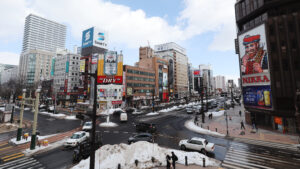 Where to Stay in Sapporo: Sapporo Station, Odori, Susukino or Nakajima Park?Choose the best area to stay in Sapporo for airport access, early trains, nightlife or a quieter base,…
This page may contain affiliate links. We may earn a commission at no extra cost to you.
Where to stay
- Use Sapporo, Furano, Hakodate as practical bases depending on your route.
- Stay near the main station for transport-heavy trips.
- Choose an onsen, coastal, or historic area for a slower overnight stay.
Sample itinerary
- Day 1: Start with the main city, food area, and easiest signature sights.
- Day 2: Visit the top nature, shrine, castle, or cultural area.
- Day 3: Add a day trip, onsen, coast, island, or rural stop if your schedule allows.
Food to try
- Otaru seafood bowls
- Miso ramen
- Dairy sweets
- Soup curry
Common questions
Can you visit Hokkaido as a day trip from Tokyo?
No. Hokkaido is a separate trip rather than a side trip: cities here sit hours apart by road and rail, and most visitors fly into New Chitose rather than take the long rail journey from Honshu.
Do you need a car in Hokkaido?
Outside the Sapporo-Otaru corridor, usually yes. Distances between towns make a rental car or long-distance bus part of most plans, though the main cities are linked by train.
When does the lavender bloom in Furano?
July is the peak. Furano fills with lavender in midsummer, which is also when the flower fields and cool hiking weather draw the biggest crowds.
Is Hokkaido better in summer or winter?
They are close to different destinations. Winter brings deep snow and skiing; summer brings flower fields and cool hiking weather. Hokkaido is the most seasonally split region in Japan, so the month you choose changes the trip more than anywhere else.
Explore Nearby Japan
Continue planning your route with nearby prefectures, regional guides, and useful trip planning links.
Nearby Prefectures
Same Region Guides
Useful Planning Links
Recommended Planning Guides
Use these practical guides to plan where to stay, move between regions, and shape your itinerary before your Japan trip.
Plan Your Japan Trip
When to go, how long, where, money, and what to sort before you book.
Read planning guideJapan Transport Guide
IC cards, rail passes, the Shinkansen, and getting in from the airport.
Read transport guideHotels & Where to Stay
Compare stay areas and lodging ideas for first-time Japan visitors.
Find stay guides