
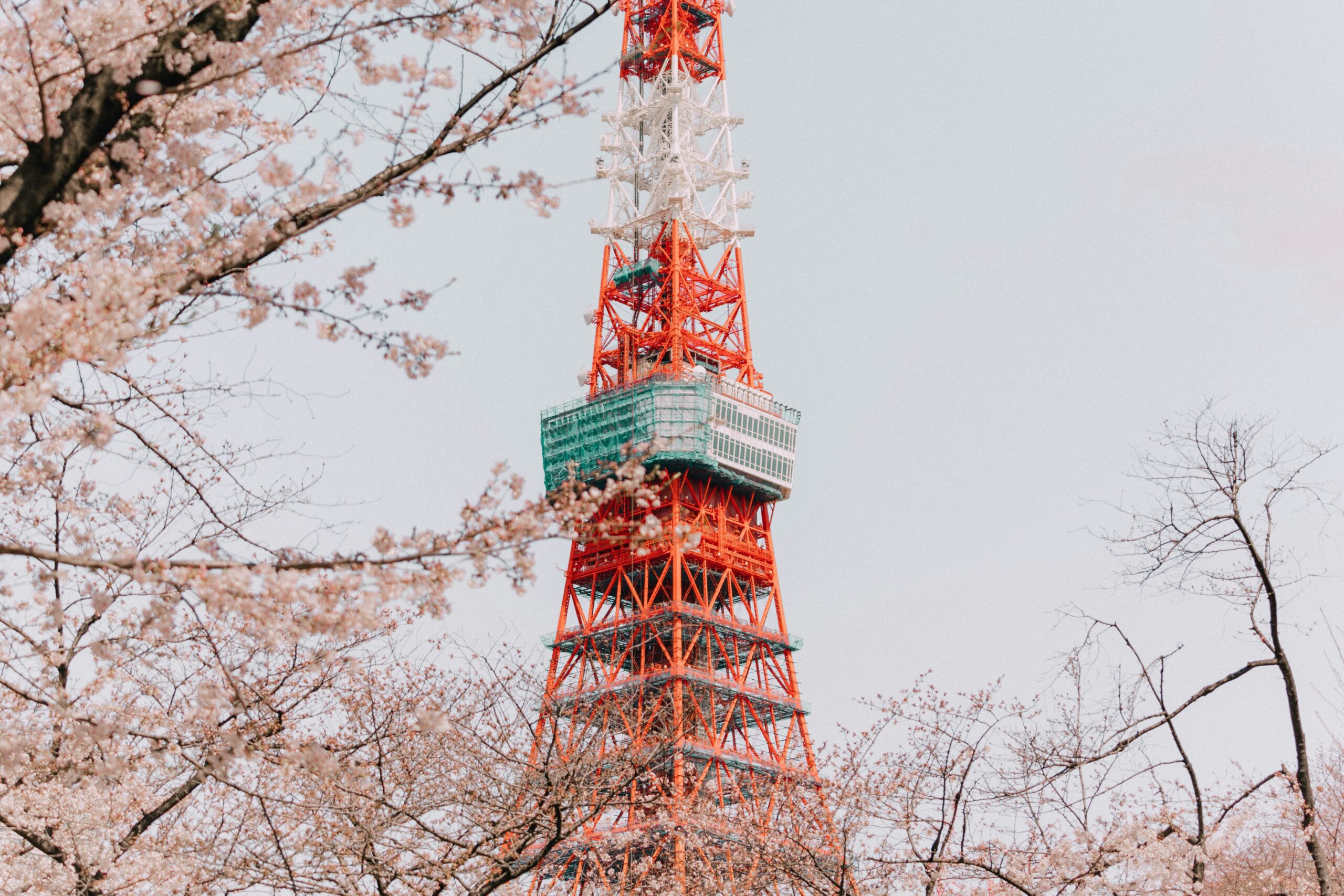

Tokyo Travel Guide
Tokyo is a strong Japan travel destination for neighborhoods, food, shopping, museums, nightlife, temples, parks, and first-time Japan planning.
Quick facts
- Best for: neighborhoods, food, shopping, museums
- Recommended stay: 1 to 3 days
- Best season: Spring, autumn, and key local festival seasons
- Main bases: Shinjuku, Shibuya, Asakusa, Ueno, Ginza
Why visit Tokyo
Tokyo is not one city centre but a chain of them, and understanding that is the key to planning a first visit. Shinjuku, Shibuya, Tokyo Station, Ueno and Asakusa each have their own skyline, crowds and character, and the JR Yamanote loop line ties them together. The oldest layer is Senso-ji in Asakusa, founded in 645 and still Tokyo’s oldest temple, approached through the Nakamise shopping lane. The newest is Tokyo Skytree, which rises 634 metres over the eastern side of the city. In between sit the scenes people picture before they arrive: the scramble at Shibuya Crossing and the waterfront and bayside views of Odaiba.
Getting around Tokyo
Most first-time itineraries never need anything more complicated than the Yamanote loop plus two or three subway lines, and an IC card covers all of them without buying individual tickets. Tokyo has two airports — Narita, well to the east in Chiba, and Haneda, much closer to the centre — and which one you land at changes how you should plan your first afternoon. Our Getting Around Japan reference covers IC cards, rail passes and airport routes in detail, and Plan Your Japan Trip covers when to go and what to arrange before you fly. Because Tokyo works as a base, day trips to Hakone, Nikko and Kamakura are all realistic without changing hotels.
Top Attractions in Tokyo
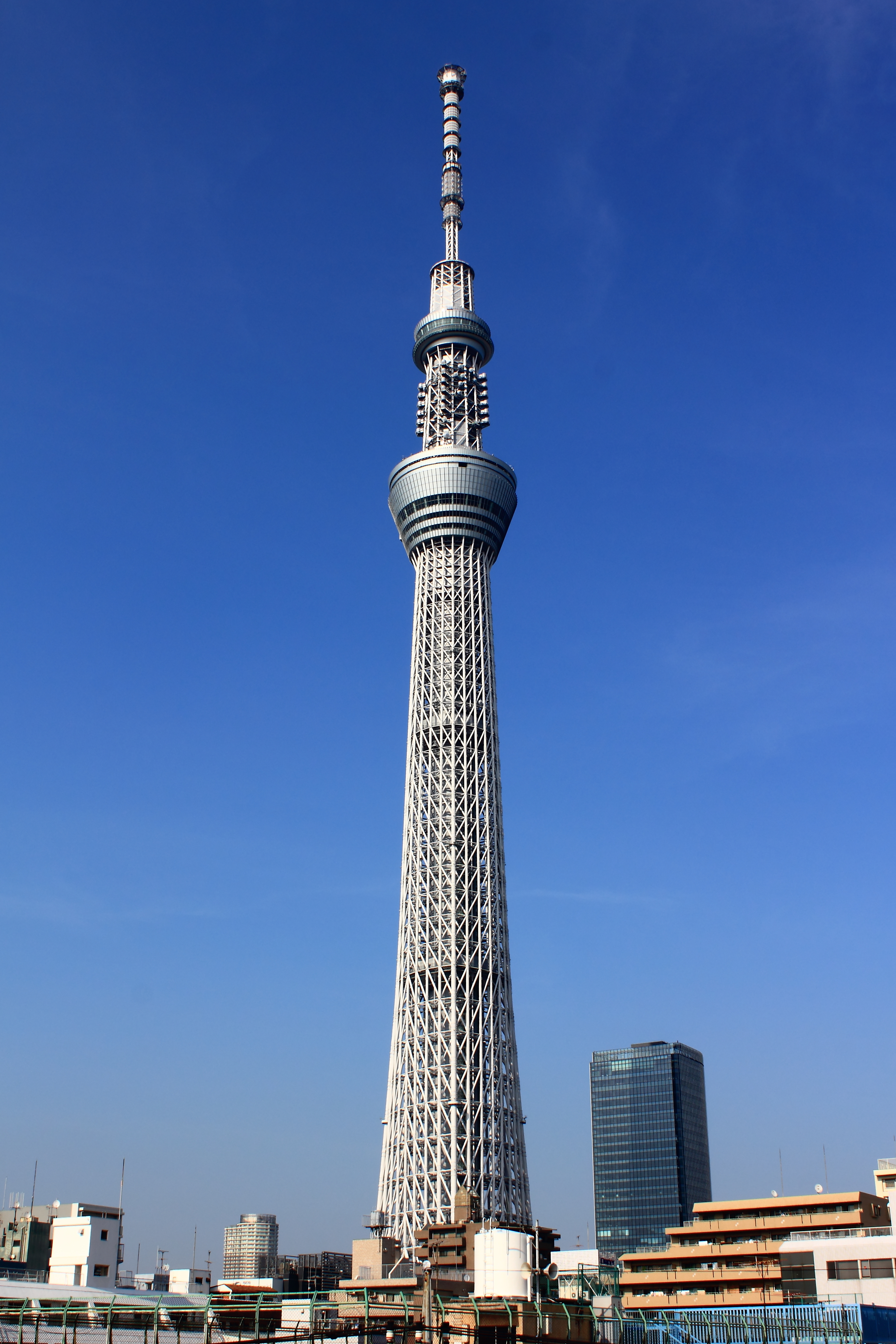
Tokyo Skytree
Tokyo Skytree is Tokyo's tallest observation tower and one of the easiest ways to understand the city at a glance, with daytime Mt Fuji views on clear days and a strong night-view payoff after sunset.
- Price
- Paid. Tembo Deck adult tickets start from yen 1,800; Combo tickets start from yen 3,000. Prices vary by date.
- Time needed
- 1.5 to 2 hours.
View practical details
- Best time
- Clear mornings for distance views, or evening for the city lights.
- Good for
- First-time Tokyo visitors, families, couples, photographers, and skyline views.
What to do
- Go up to the Tembo Deck on Floor 350 for the main 360-degree Tokyo view.
- Add the Tembo Galleria on Floor 450 if the weather is clear or this is your main Tokyo viewpoint.
- Stand on the glass floor area and look straight down over the city.
- Pair the visit with Tokyo Solamachi shops, restaurants, and Sumida Aquarium next door.
Tickets and fees
Checked in July 2026: official online tickets avoid the counter service fee; counter or vending-machine purchases add a yen 500 service fee per ticket. Buy online when your date is fixed, especially for weekends and holidays.
Getting there
Use Oshiage Station or Tokyo Skytree Station. From Asakusa it is one short train ride; from Tokyo Station, connect via JR and Tokyo Metro/Toei lines toward Oshiage.
Nearby
Easy pairings include Senso-ji Temple in Asakusa, Sumida River walks, and Tokyo Solamachi.

Senso-ji Temple (Asakusa)
Senso-ji is Tokyo's classic temple visit: a free, central, easy-to-reach route through Kaminarimon Gate, Nakamise shopping street, and the main hall in old Asakusa.
- Price
- Free temple grounds and main visit. Small optional fees apply for fortunes, charms, and goshuin.
- Time needed
- 1 to 2 hours.
View practical details
- Best time
- Early morning before Nakamise gets crowded, or evening for atmosphere after shops close.
- Good for
- First-time Tokyo visitors, history, street snacks, souvenirs, and easy culture stops.
What to do
- Start at Kaminarimon Gate and walk the Nakamise shopping street toward the main hall.
- Visit the main hall, incense burner, and temple grounds at an unhurried pace.
- Draw an omikuji fortune or pick up a small charm if you want a low-cost cultural add-on.
- Continue to Sumida River or Tokyo Skytree for a simple half-day route.
Tickets and fees
Checked in July 2026: no ticket is needed for the standard visit. Shop and prayer-item hours vary, so arrive earlier in the day if Nakamise shopping matters to you.
Getting there
Walk about 5 minutes from Asakusa Station. Multiple railways serve the area, including Tokyo Metro Ginza Line, Toei Asakusa Line, Tobu, and Tsukuba Express.
Nearby
Pair with Tokyo Skytree, Sumida River, Kappabashi Kitchen Town, or a wider Tokyo Travel Guide route.
Official sources
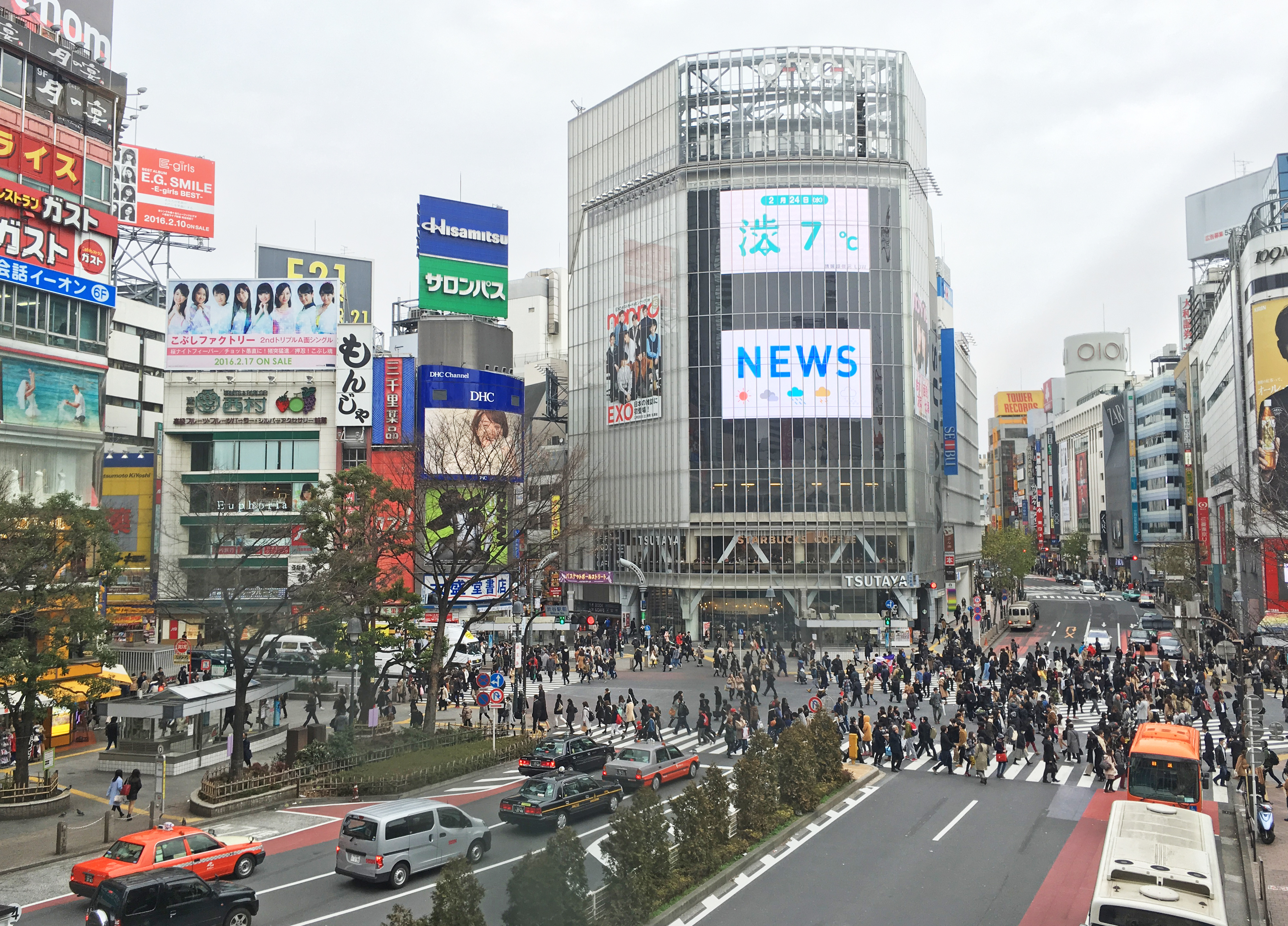
Shibuya Crossing
Shibuya Crossing is a free, fast, high-energy Tokyo stop where the experience is the crowd flow, neon, station-side shopping, and the surrounding Shibuya neighborhood.
- Price
- Free public crossing. Paid viewpoints and cafes nearby are optional.
- Time needed
- 30 minutes to 1 hour, or longer with Shibuya shopping and food.
View practical details
- Best time
- Evening rush and after dark for the full neon-city feel.
- Good for
- First-time Tokyo visitors, photography, nightlife, pop culture, and shopping.
What to do
- Cross once with the crowd, then watch a full signal cycle from the station side.
- Take photos around the Hachiko statue and the main crossing approaches.
- Explore Center Gai, Shibuya Scramble Square, Miyashita Park, or nearby department stores.
- Upgrade the stop with a paid observatory such as Shibuya Sky if skyline views are a priority.
Tickets and fees
Checked in July 2026: no ticket is needed for the crossing itself. Book paid viewpoints separately if you want an elevated view.
Getting there
Use Shibuya Station. The crossing sits directly outside the Hachiko side of the station and is served by JR, Tokyo Metro, Tokyu, and Keio lines.
Nearby
Nearby add-ons include Miyashita Park, Harajuku, Omotesando, and Shinjuku. For another Tokyo icon, see Tokyo Skytree.

Odaiba
Odaiba is Tokyo's bayfront entertainment district, useful for families, shopping, museums, waterfront views, and a slower half-day away from dense central neighborhoods.
- Price
- Free to enter the district. Museums, theme attractions, and some activities are paid separately.
- Time needed
- Half day to full day, depending on museums and shopping.
View practical details
- Best time
- Afternoon into evening for bay views, shopping, and Rainbow Bridge lights.
- Good for
- Families, shopping, indoor attractions, waterfront walks, and rainy-day plans.
What to do
- Walk Odaiba Seaside Park for Tokyo Bay and Rainbow Bridge views.
- See the life-size Gundam statue area at DiverCity Tokyo Plaza.
- Visit Miraikan or another indoor attraction if weather is poor.
- Use the Yurikamome ride itself as part of the experience, especially over the bay.
Tickets and fees
Checked in July 2026: Odaiba itself is free. Buy attraction tickets separately, and check each venue because closures and exhibit schedules vary.
Getting there
Use Odaiba-kaihinkoen Station on the Yurikamome or Tokyo Teleport Station on the Rinkai Line. From central Tokyo, Shimbashi plus Yurikamome is the classic scenic route.
Nearby
Good pairings include Toyosu, TeamLab-area plans where relevant, Hamarikyu, or a water-bus route toward Asakusa and Senso-ji.
Latest Articles
 Tokyo to Kyoto Shinkansen: Which Train, Seat and Luggage Plan Should You Book?Choose a Tokyo-to-Kyoto Shinkansen plan by matching your departure station, seat and luggage needs to the Kyoto transfer…
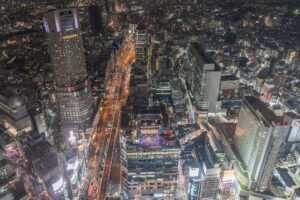 SHIBUYA SKY Tickets: Is a Daytime or Evening Entry Better?Choose a SHIBUYA SKY entry time with current ticket, access and weather-planning advice for a smoother Shibuya visit.
 Narita or Haneda to Central Tokyo: Which Train Should You Take?Choose the right airport train for your first Tokyo base, luggage and arrival terminal: Narita Express, Skyliner, Tokyo…
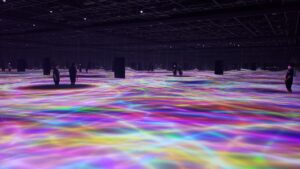 teamLab Planets vs Borderless: Which Tokyo Museum Should You Book?Choose between teamLab Planets in Toyosu and teamLab Borderless in Azabudai Hills with the practical ticket, location and…
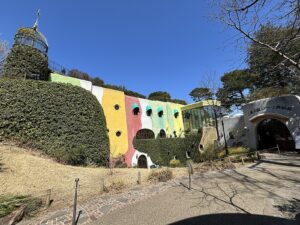 Ghibli Museum Tickets, Price & Opening Hours (2026)See how overseas visitors can buy Ghibli Museum tickets, the current admission price, opening hours, timed entry and…
This page may contain affiliate links. We may earn a commission at no extra cost to you.
Read next
- Tokyo to Kawaguchiko: Bus or Fuji Excursion Train?
- Where to Stay Near Mt Fuji: Kawaguchiko Station, Lakeside or North Shore?
- Where to Stay in Tokyo: Shinjuku, Tokyo Station, Ueno, Ginza or Asakusa?
- Tokyo to Hakone Day Trip: A First-Time Route by Train, Ropeway and Lake Ashi Cruise
- Best Things to Do in Tokyo in Summer: 4 Easy Picks for Hot Days and Rainy Afternoons
Where to stay
- Use Shinjuku, Tokyo Station, Ginza, Ueno as practical bases depending on your route.
- Stay near the main station for transport-heavy trips.
- Choose an onsen, coastal, or historic area for a slower overnight stay.
Sample itinerary
- Day 1: Start with the main city, food area, and easiest signature sights.
- Day 2: Visit the top nature, shrine, castle, or cultural area.
- Day 3: Add a day trip, onsen, coast, island, or rural stop if your schedule allows.
Food to try
- Sushi
- Ramen
- Izakaya food
- Depachika sweets
Common questions
Which area should you base yourself in for a first visit?
Shinjuku, Tokyo Station, Ueno, Ginza and Asakusa each work for different trips. Most first-time itineraries never need more than the Yamanote loop plus two or three subway lines, so any of them keeps you close to the sights.
Does it matter whether you land at Narita or Haneda?
Yes, for your first afternoon. Narita sits well to the east in Chiba while Haneda is much closer to the centre, so the airport you land at changes how much you can realistically do on arrival day.
Do you need a rail pass to get around Tokyo?
No. An IC card covers the Yamanote loop and the subway without buying individual tickets, which is all most visitors need inside the city.
Can you day trip from Tokyo without changing hotels?
Yes. Hakone, Nikko and Kamakura are all realistic day trips from a Tokyo base, which is why Tokyo works well as a single base for a first week.
Explore Nearby Japan
Continue planning your route with nearby prefectures, regional guides, and useful trip planning links.
Nearby Prefectures
Same Region Guides
Useful Planning Links
Recommended Planning Guides
Use these practical guides to plan where to stay, move between regions, and shape your itinerary before your Japan trip.
Plan Your Japan Trip
When to go, how long, where, money, and what to sort before you book.
Read planning guideJapan Transport Guide
IC cards, rail passes, the Shinkansen, and getting in from the airport.
Read transport guideHotels & Where to Stay
Compare stay areas and lodging ideas for first-time Japan visitors.
Find stay guides