


Nagasaki Travel Guide
Nagasaki is a strong Japan travel destination for harbor views, international history, islands, churches, food culture, and Kyushu coast scenery.
Quick facts
- Best for: harbor views, international history, islands, churches
- Recommended stay: 1 to 3 days
- Best season: Spring, autumn, and key local festival seasons
- Main bases: Glover Garden, Peace Park, Dejima, Gunkanjima
Why visit Nagasaki
Nagasaki was Japan’s window on the outside world during the centuries the country was closed, and the city still looks and feels different because of it. Glover Garden preserves the Western merchant houses on the hillside above the harbour. Nagasaki Peace Park and its museum mark the second atomic bombing and deserve the same unhurried time as Hiroshima. Offshore, Hashima — Gunkanjima — is the abandoned coal-mining island whose concrete apartment blocks are visited by boat, and the Goto Islands further out hold the churches of the hidden Christian communities.
Getting to Nagasaki
Nagasaki is the end of the line from Hakata, now served by Shinkansen for part of the route, and the city itself runs on trams that reach almost everything a visitor wants. Gunkanjima is the one thing to arrange in advance: landing tours book out, they require signing a waiver, and boats are cancelled outright in rough weather — so treat a landing as a hope rather than a plan and keep the day flexible.
Top Attractions in Nagasaki
Glover Garden
Glover Garden is a hillside open-air museum in Nagasaki built around the former residence of Scottish merchant Thomas Glover, with several relocated Meiji-era Western-style houses and wide harbor views over Nagasaki Port.
- Price
- Paid. Checked in July 2026: standard adult admission is around yen 620 to 1,300 depending on the source and season; a combo ticket with nearby Oura Catholic Church is also available. Confirm current pricing before your visit.
- Time needed
- 1 to 1.5 hours.
View practical details
- Best time
- Late afternoon for warm light over the harbor, or evening during seasonal night-opening periods in spring and summer.
- Good for
- History fans, architecture lovers, couples, and anyone wanting a harbor view away from downtown Nagasaki.
What to do
- Walk the outdoor escalators and paths up the hillside to the former Glover Residence, one of the oldest surviving Western-style wooden buildings in Japan.
- Visit the other relocated Meiji-period merchant houses scattered through the garden, each with small exhibits on Nagasaki's foreign trade history.
- Stop at the harbor viewpoints for photos of Nagasaki Port and the shipyards below.
- Combine the visit with nearby Oura Catholic Church, a short walk downhill, using the joint ticket if available.
Tickets and fees
Checked in July 2026: tickets can be bought at the entrance gate or through combo tickets with Oura Catholic Church. Prices and opening hours vary by season, with extended evening hours sometimes offered in spring, so check the official Discover Nagasaki or Glover Garden pages before visiting.
Getting there
From JR Nagasaki Station, take the Nagasaki Electric Tramway toward Ishibashi and get off at Oura Tenshudo-shita, then walk uphill for about 5 to 10 minutes.
Nearby
Combine with Nagasaki Peace Park for a fuller day covering the city's Meiji-era trade history and its 20th-century history.
Nagasaki Peace Park
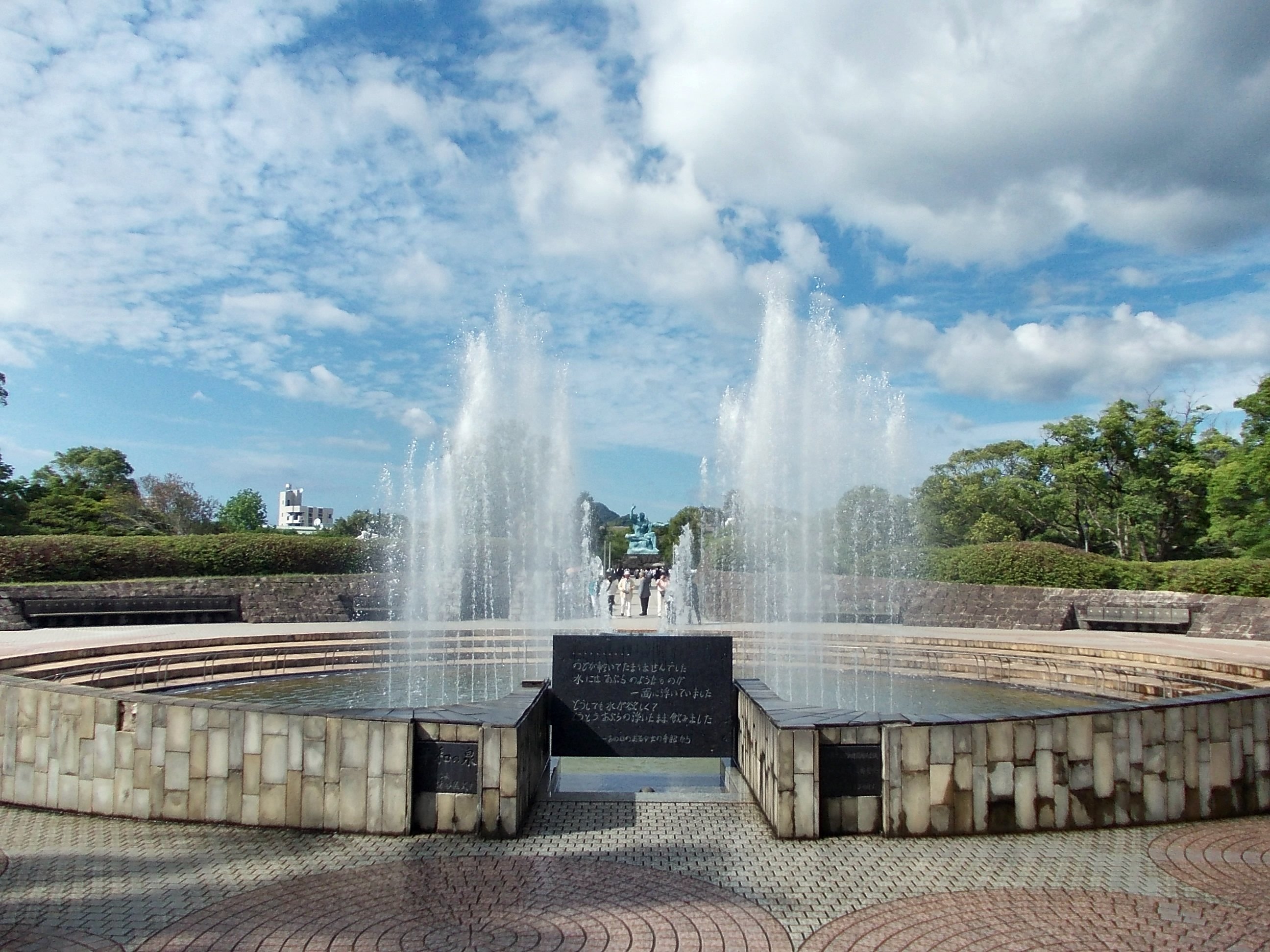
Nagasaki Peace Park was established in 1955 on the hillside near the hypocenter of the August 9, 1945 atomic bombing, and today it is a quiet memorial space centered on the Peace Statue, with the Atomic Bomb Museum and Peace Memorial Hall close by.
- Price
- The outdoor park itself is free to enter. Checked in July 2026: the adjoining Nagasaki Atomic Bomb Museum charges a small admission fee, around yen 200 for adults.
- Time needed
- 1 to 2 hours for the park and hypocenter area; add 1 more hour for the museum.
View practical details
- Best time
- Morning, when the park is quieter and cooler for walking between the memorial areas.
- Good for
- Visitors interested in modern history, peace education, and travelers wanting a reflective, respectful stop in Nagasaki.
What to do
- Pay respects at the 9.7-meter Peace Statue by sculptor Seibo Kitamura, the park's central monument.
- Walk down to the Hypocenter Park and the preserved remnants of Urakami Cathedral, destroyed in the 1945 bombing.
- Visit the Nagasaki Atomic Bomb Museum and the adjacent Peace Memorial Hall for the Atomic Bomb Victims to learn the historical context.
- Look for the Fountain of Peace, dedicated to victims who died searching for water after the blast.
Tickets and fees
Checked in July 2026: the park has no admission fee and no set closing time, though the Atomic Bomb Museum keeps fixed hours, typically around 08:30 to 17:30 with longer hours in summer. This is a memorial site, so keep a quiet, respectful tone during your visit.
Getting there
Take the Nagasaki Electric Tramway to Matsuyamamachi or Hamaguchi-machi stop, then walk about 5 to 10 minutes uphill to the park.
Nearby
Many visitors pair this with Glover Garden across town for a full day covering both Nagasaki's Meiji-era trade history and its 20th-century history.

Hashima Island (Gunkanjima)
Hashima Island, nicknamed Gunkanjima or Battleship Island, is an abandoned undersea coal mining island off Nagasaki and a UNESCO World Heritage Site, visited on boat tours that include a cruise around the island and, when conditions allow, a short guided landing.
- Price
- Paid. Checked in July 2026: landing cruise tours generally run in the yen 4,000 to 5,000 range per adult, depending on the operator; prices and inclusions vary.
- Time needed
- About 2.5 to 3 hours total, including the boat ride and, if the landing goes ahead, roughly 30 to 40 minutes walking on the island.
View practical details
- Best time
- Summer months tend to have calmer seas and higher landing success rates than winter.
- Good for
- History and industrial heritage fans, photographers, and travelers comfortable with the trip possibly being landing-only-if-weather-permits.
What to do
- Cruise around the full perimeter of the island for photos of its distinctive concrete apartment blocks and seawall, even if landing isn't possible.
- If the landing goes ahead, walk the fixed viewing route with a guide past the mine facilities and worker housing ruins.
- Listen to the guide's explanation of the island's history as a coal mining community, including its dense population in the mid-20th century.
- Bring a hat and water in summer, since the landing route has little shade.
Tickets and fees
Checked in July 2026: landing is not guaranteed and depends on sea conditions on the day, with tours sometimes turning back after departure if waves are too rough. Refund policies for a cancelled landing vary by operator, so check the terms before booking, and book a few days to a week ahead since walk-up tickets are generally not available.
Getting there
Tours depart from Nagasaki Port, reachable by tram or a short taxi ride from JR Nagasaki Station; check in at the operator's pier-side counter shortly before departure.
Nearby
Combine with a day in central Nagasaki to see Glover Garden, since most Gunkanjima cruises depart from the same port area.

Goto Islands
The Goto Islands are a remote chain of about 150 islands roughly 100 kilometers west of mainland Nagasaki, known for UNESCO-listed hidden Christian churches, clear-water beaches, and a slower pace than the mainland.
- Price
- Free to explore independently; you pay only for transport, church donations where requested, and any tours or rental cars.
- Time needed
- At least 1 full day for a quick church and coastline loop on Fukue Island; 2 to 3 days to see more of the island chain.
View practical details
- Best time
- Spring and autumn for mild weather; summer for swimming at the islands' beaches.
- Good for
- Travelers wanting a quieter, nature- and heritage-focused side of Nagasaki Prefecture, church history fans, and divers or swimmers.
What to do
- Visit Dozaki Church on Fukue Island, part of the UNESCO World Heritage-listed hidden Christian sites of the region.
- Drive or cycle the coastal roads of Fukue Island for views over Saikai National Park's cliffs and inlets.
- Relax at one of the islands' beaches, such as Takahama Beach, known for clear turquoise water.
- Sample local Goto udon and fresh seafood in Fukue town.
Tickets and fees
Checked in July 2026: there is no single admission ticket for the islands. Jetfoil service from Nagasaki Port to Fukue takes roughly 1.5 hours, regular ferries take about 3 to 4 hours, and flights from Nagasaki or Fukuoka airports take around 30 to 40 minutes. Renting a car on Fukue Island is the easiest way to reach the scattered churches and beaches, so book both transport and any rental car in advance during peak season.
Getting there
From Nagasaki Port, take the Kyushu Shosen Jetfoil or a regular ferry to Fukue Port; alternatively, fly from Nagasaki Airport or Fukuoka Airport to Fukue Airport.
Nearby
This is a separate trip from central Nagasaki city, so plan it alongside sights like Hashima Island (Gunkanjima) if building a longer Nagasaki Prefecture itinerary rather than as a same-day pairing.
Latest Articles
 Fukuoka to Nagasaki: Train or Bus? Choose by Arrival, Transfers and LuggageChoose the train for a station-to-station journey via Takeo Onsen, or the direct Kyushu-go bus when its boarding…
 Where to Stay in Nagasaki: Station, Dejima or Shianbashi?Choose a Nagasaki base by your first rail arrival, tram plans and evenings: compare Nagasaki Station, Dejima and…
 Nagasaki Kunchi 2026: Tickets, Dates and Where to WatchPlan Nagasaki Kunchi on October 7–9, 2026: compare the official viewing areas, ticket methods, transport and rain-plan cautions.
This page may contain affiliate links. We may earn a commission at no extra cost to you.
Read next
Where to stay
- Use Nagasaki City, Sasebo, Shimabara as practical bases depending on your route.
- Stay near the main station for transport-heavy trips.
- Choose an onsen, coastal, or historic area for a slower overnight stay.
Sample itinerary
- Day 1: Start with the main city, food area, and easiest signature sights.
- Day 2: Visit the top nature, shrine, castle, or cultural area.
- Day 3: Add a day trip, onsen, coast, island, or rural stop if your schedule allows.
Food to try
- Champon
- Sara udon
- Castella
- Goto and Tsushima fish
Common questions
Do you need to book the Gunkanjima tour?
Yes. Landing tours book out, they require signing a waiver, and boats are cancelled outright in rough weather, so treat a landing as a hope rather than a plan.
Is Nagasaki easy to get around?
Yes. The city runs on trams that reach almost everything a visitor wants.
Why does Nagasaki look different from other Japanese cities?
It was Japan's window on the outside world during the centuries the country was closed, and Glover Garden preserves the Western merchant houses above the harbour.
How much time does the Peace Park need?
The same unhurried time as Hiroshima. It marks the second atomic bombing.
Explore Nearby Japan
Continue planning your route with nearby prefectures, regional guides, and useful trip planning links.
Nearby Prefectures
Same Region Guides
Useful Planning Links
Recommended Planning Guides
Use these practical guides to plan where to stay, move between regions, and shape your itinerary before your Japan trip.
Plan Your Japan Trip
When to go, how long, where, money, and what to sort before you book.
Read planning guideJapan Transport Guide
IC cards, rail passes, the Shinkansen, and getting in from the airport.
Read transport guideHotels & Where to Stay
Compare stay areas and lodging ideas for first-time Japan visitors.
Find stay guides