

Kagoshima Travel Guide
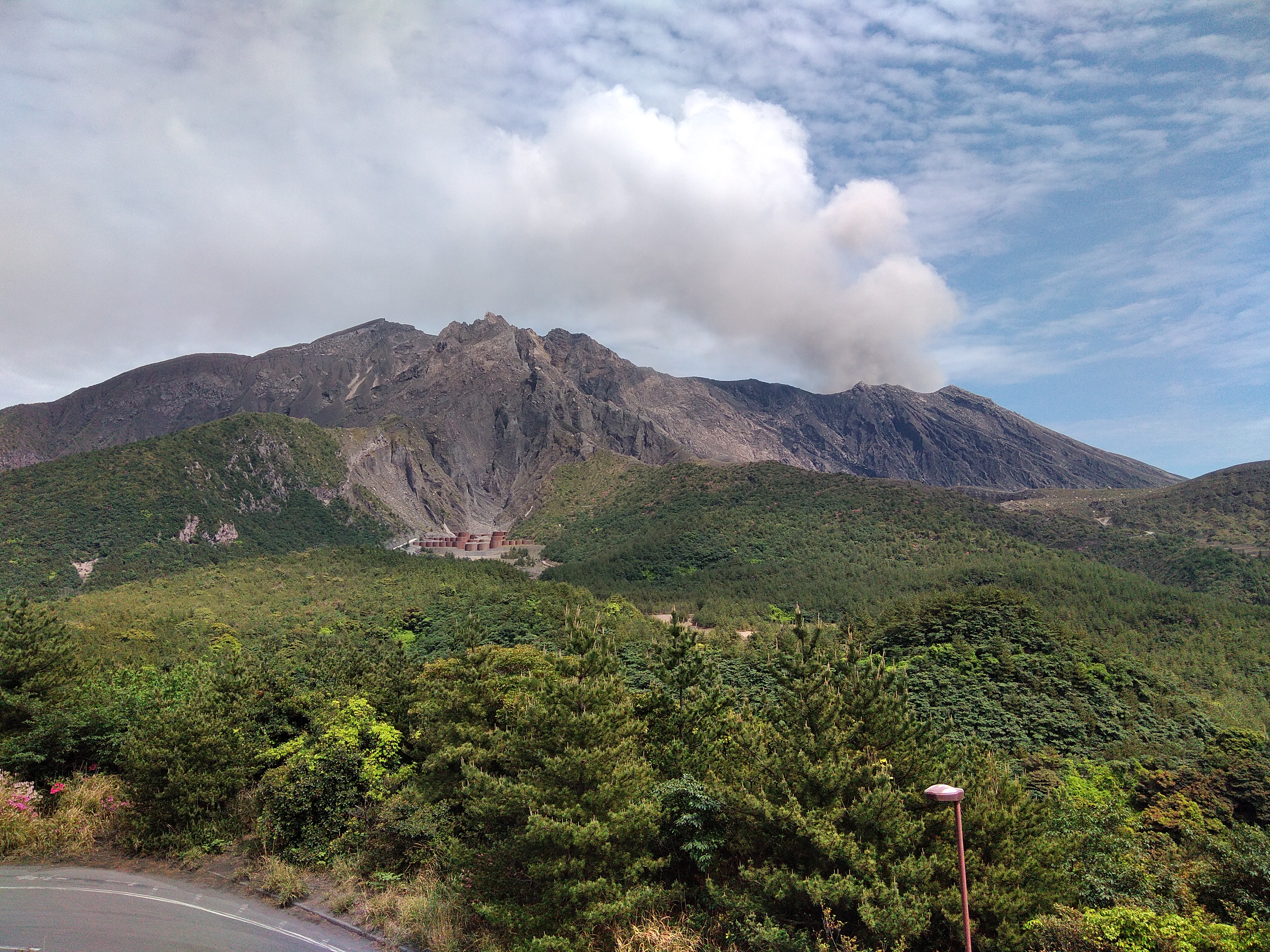
Kagoshima is southern Kyushu at its most dramatic, with Sakurajima volcano, gardens, sand baths, islands, hot springs, and bold local food.
Quick facts
- Best for: volcano views, onsen, islands, gardens
- Recommended stay: 2 to 4 days
- Best season: Spring, autumn, and mild winter
- Main bases: Kagoshima City, Ibusuki, Yakushima
Why visit Kagoshima
Kagoshima faces an active volcano across its bay, and that fact shapes the city. Sakurajima erupts regularly enough that ash fall is part of ordinary life here, and a short ferry runs to the island where you can drive around the base and use the observation points. Sengan-en is a lordly garden laid out to borrow the volcano itself as its centrepiece. South of the city, Ibusuki offers the unusual experience of being buried in naturally heated black sand on the beach. Far offshore, Yakushima is a Natural World Heritage island of ancient cedar and near-constant rain.
Getting to Kagoshima
Kagoshima is the southern end of the Kyushu Shinkansen, so it is quicker to reach from Osaka than the distance suggests, and it has an airport for longer hops. The Sakurajima ferry runs frequently and takes about fifteen minutes. The summit itself is off limits — the volcano is active and under a standing climbing restriction — so a visit means the road around the base, the observation points and the foot bath rather than a hike; the Japan Meteorological Agency volcano page carries the current restriction if you want to check before crossing. Yakushima is a separate trip: a jetfoil or ferry from Kagoshima port, or a short flight, and its trails need proper footwear and rain gear rather than day-trip clothing. Give the island two nights if you intend to walk.
Top Attractions in Kagoshima
Sakurajima Volcano
Sakurajima is one of Japan's most active volcanoes, sitting just across the bay from Kagoshima City, and it is possible to see small eruptions and ash plumes from the mainland on many days. A short ferry ride puts you at the base of the volcano for observation decks, lava-flow walking trails, and hot-spring foot baths.
- Price
- The Kagoshima-Sakurajima ferry costs yen 250 per adult one way, paid after you disembark. The CUTE Pass (around yen 1,200) covers the round-trip ferry plus the Island View sightseeing bus for one day.
- Time needed
- Half a day for the main viewpoints and lava trail; a full day if you add the Island View bus loop.
View practical details
- Best time
- Clear mornings for unobstructed views of the crater; check the day's activity level before heading out.
- Good for
- Day-trippers from Kagoshima City, geology and volcano enthusiasts, and anyone wanting an easy active-volcano encounter.
What to do
- Ride the municipal ferry from Kagoshima Port; it runs roughly every 15 to 20 minutes and takes about 15 minutes each way.
- Stop at the Yunohira Observatory, the highest publicly accessible viewpoint on the volcano, for a close-up of the crater area.
- Walk part of the Sakurajima Lava Trail, formed by the major 1914 eruption, and soak your feet at the free Nagisa Lava Trail foot bath.
- Watch for ash fall: keep a hat or umbrella handy, and be ready to wipe down cameras or belongings if the wind shifts.
Tickets and fees
Checked in July 2026: as of writing the volcanic alert level sits at Level 3, which restricts approach within about 2 km of the crater but keeps the ferry, observatories, and lava trail open to visitors. Conditions can change quickly, so check the Japan Meteorological Agency's alert level and the ferry operator's notices on the day of your visit rather than relying on older reports.
Getting there
Take the Kagoshima municipal ferry from Kagoshima Port (a short walk or tram ride from Kagoshima-Chuo Station) to Sakurajima Port; the crossing takes about 15 minutes and boats run around the clock. From Sakurajima Port, the Island View bus loops past the main observatories and the lava trail.
Nearby
Combine Sakurajima with Sengan-en Garden back in Kagoshima City, which has some of the best classic views of the volcano across the bay.

Sengan-en Garden
Sengan-en is a landscaped Edo-period garden built by the Shimazu clan on the shore of Kagoshima Bay, using Sakurajima itself as a borrowed backdrop. Alongside the garden grounds, the site includes a preserved residence and a museum on the family's role in early Japanese industry.
- Price
- Paid. General admission is around yen 1,600 for adults and yen 800 for children (6 to 15), covering the garden, the Iso Residence grounds, and the Shoko Shuseikan Museum.
- Time needed
- 1.5 to 2.5 hours, longer if you tour the residence and museum in full.
View practical details
- Best time
- Clear weather for the Sakurajima backdrop; spring for plum and cherry blossoms, autumn for foliage.
- Good for
- History and garden lovers, families, and anyone wanting a classic Sakurajima photo spot.
What to do
- Walk the garden paths along the bay for views that frame Sakurajima as part of the landscape design.
- Visit the Shoko Shuseikan Museum next door to learn about the Shimazu family's 19th-century industrial projects.
- Tour the Iso Residence (Goten), the former Shimazu family home, included with garden admission.
- Look for the stone lantern and bamboo grove areas, among the garden's best-known photo spots.
Tickets and fees
Checked in July 2026: admission and hours can shift seasonally, and a new rail station opened next to the garden in March 2025, so access has become more convenient than older guides describe. Confirm current pricing and hours on the official site before visiting.
Getting there
From Kagoshima-Chuo Station, take a bus or the Sengan-en-line service toward Sengan-en/Iso; a taxi from central Kagoshima takes about 15 to 20 minutes. The garden sits directly on Kagoshima Bay, a short walk from the shoreline road.
Nearby
Sengan-en pairs naturally with a ferry trip to Sakurajima Volcano, the mountain visible from the garden itself, or a soak-focused day trip to Ibusuki Sand Baths further south.

Yakushima Island
Yakushima is a mountainous island off the southern tip of Kyushu and one of Japan's first UNESCO World Heritage sites, protected for its ancient yakusugi cedar forest, some trees estimated to be over a thousand years old. It takes real planning to reach and explore, but the moss-covered forest trails are unlike anywhere else in Japan.
- Price
- Getting there is the main cost: high-speed jetfoil tickets from Kagoshima run roughly yen 12,000 to 13,000 one way, with round-trip fares somewhat less than double. Flights from Kagoshima Airport are also available and can be comparable or faster.
- Time needed
- At least 1 to 2 full days on the island; the deep forest trails (such as Jomon Sugi) require a full day of hiking on their own.
View practical details
- Best time
- Late spring to early autumn for easier trail access, though the forest is famously green and misty year-round; the island gets heavy rain, so pack for wet weather any season.
- Good for
- Hikers, nature lovers, and travelers with an extra day or two to reach a remote UNESCO forest.
What to do
- Walk the boardwalk and forest trails at Shiratani Unsuikyo, the mossy ravine said to have inspired parts of Princess Mononoke.
- If you have the stamina and time, hike to the Jomon Sugi cedar, a four-to-five-hour trek one way through old-growth forest.
- Explore the more accessible Yakusugi Land trails if a full-day hike isn't practical for your schedule.
- Budget an extra buffer day, since ferries and flights to and from the island can be disrupted by weather.
Tickets and fees
Checked in July 2026: jetfoil and flight schedules and fares change with the season and can be affected by weather, so confirm current departure times and prices with the ferry or airline operator shortly before your trip rather than booking on old figures.
Getting there
High-speed jetfoils run several times daily from Kagoshima's ferry terminal to Miyanoura or Anbo port on Yakushima, taking around 2 to 3 hours. A slower car ferry also runs once daily. Alternatively, JAC operates short flights from Kagoshima Airport to Yakushima Airport.
Nearby
Yakushima is a standalone trip from Kagoshima City rather than a same-day add-on; pair it with a Kagoshima City stop at Sengan-en Garden before or after your ferry.

Ibusuki Sand Baths
Saraku in Ibusuki lets you try the coastally heated sand-steam onsen: staff cover you with naturally warmed sand, then you rinse thoroughly and use the indoor bath. Plan around its current reception break, set-based pricing and the short final transfer from Ibusuki Station.
- Price
- The Minimum Set is JPY 1,500 for adults and includes the sand bath, large public bath and rental yukata. Towel and Saraku sets cost JPY 1,800 and JPY 2,100; special-period prices differ.
- Time needed
- Allow time to change, take the sand bath, rinse all sand away and use the indoor bath. On weekdays, sand-bath reception pauses from noon to 1 p.m.
View practical details
- Best time
- Arrive outside the weekday noon reception break and leave margin before the 8 p.m. last entry. Peak periods can fill the car park and reception may close early when waits are long.
- Good for
- Travellers who want a guided geothermal sand-bath experience followed by a conventional indoor onsen and sauna.
What to do
- Choose a set at reception and change into the supplied yukata; add the rental innerwear if you want extra coverage on a windy day.
- Follow staff to the natural sand bath and let them manage the sand-steam experience rather than trying to arrange the sand yourself.
- Afterwards, use the shower or hot water to remove sand carefully from your toes, back and neck before entering the indoor bath.
- If stairs are difficult, ask staff in advance: the current experience route includes outdoor movement and steps, while an accessible slope and intercom are available at the accessible entrance.
Tickets and fees
Checked in August 2026: Saraku is open 8:30 a.m.-9 p.m., with last entry at 8 p.m. The weekday sand-bath reception stops from noon to 1 p.m. The JPY 1,500 adult Minimum Set includes the sand bath, large public bath and rental yukata; towels cost more in the higher JPY 1,800/JPY 2,100 sets. Rates change in special periods, and the facility schedules about one week of maintenance closure in July and December, so confirm the calendar before travelling.
Getting there
From JR Kagoshima-Chuo, take the Ibusuki Makurazaki Line for about one hour to Ibusuki Station. Saraku is about 20 minutes on foot or five minutes by taxi from the station; it is also about five minutes by car from the station and 10 minutes from Ibusuki IC. The site has free parking for about 90 standard cars, but it can fill at busy times, so public transport is worth considering.
Nearby
Ibusuki is a natural pairing with the volcano views back at Sengan-en Garden in Kagoshima City, or as a relaxing finish after a more active day at Sakurajima Volcano.
Latest Articles
 Where to Stay in Kagoshima: Kagoshima-Chuo Station or Tenmonkan?Choose Kagoshima-Chuo Station for a rail-led arrival and departure, or Tenmonkan for a more central evening base and…
 Kagoshima to Yakushima: Ferry or Flight for Your Arrival Day?Choose the Kagoshima-to-Yakushima ferry or flight around your arrival port, luggage, weather buffer and onward plans, then confirm…
This page may contain affiliate links. We may earn a commission at no extra cost to you.
Where to stay
| Area | Notes |
|---|---|
| Kagoshima City | best for Sakurajima access and food. |
| Ibusuki | best for sand baths and seaside onsen. |
| Yakushima | best for ancient forests and island trekking. |
Sample itinerary
- Day 1: Kagoshima City, Sengan-en, and Sakurajima views.
- Day 2: Ibusuki sand baths or Kirishima onsen.
- Day 3: Yakushima or a slower southern Kyushu trip.
Food to try
- Kurobuta pork
- Satsuma-age fish cakes
- Shirokuma shaved ice and sweet potato shochu
Common questions
Can you climb Sakurajima?
No. The summit is off limits under a standing climbing restriction, so a visit means the road around the base, the observation points and the foot bath.
How do you get to Sakurajima?
By ferry from Kagoshima, which runs frequently and takes about fifteen minutes.
Is Yakushima a day trip?
No. It is a jetfoil, ferry or short flight away, and its trails need proper footwear and rain gear. Give the island two nights if you intend to walk.
How long does Kagoshima take to reach?
It is the southern end of the Kyushu Shinkansen, so quicker from Osaka than the distance suggests, and it has an airport for longer hops.
Explore Nearby Japan
Continue planning your route with nearby prefectures, regional guides, and useful trip planning links.
Nearby Prefectures
Same Region Guides
Useful Planning Links
Recommended Planning Guides
Use these practical guides to plan where to stay, move between regions, and shape your itinerary before your Japan trip.
Plan Your Japan Trip
When to go, how long, where, money, and what to sort before you book.
Read planning guideJapan Transport Guide
IC cards, rail passes, the Shinkansen, and getting in from the airport.
Read transport guideHotels & Where to Stay
Compare stay areas and lodging ideas for first-time Japan visitors.
Find stay guides