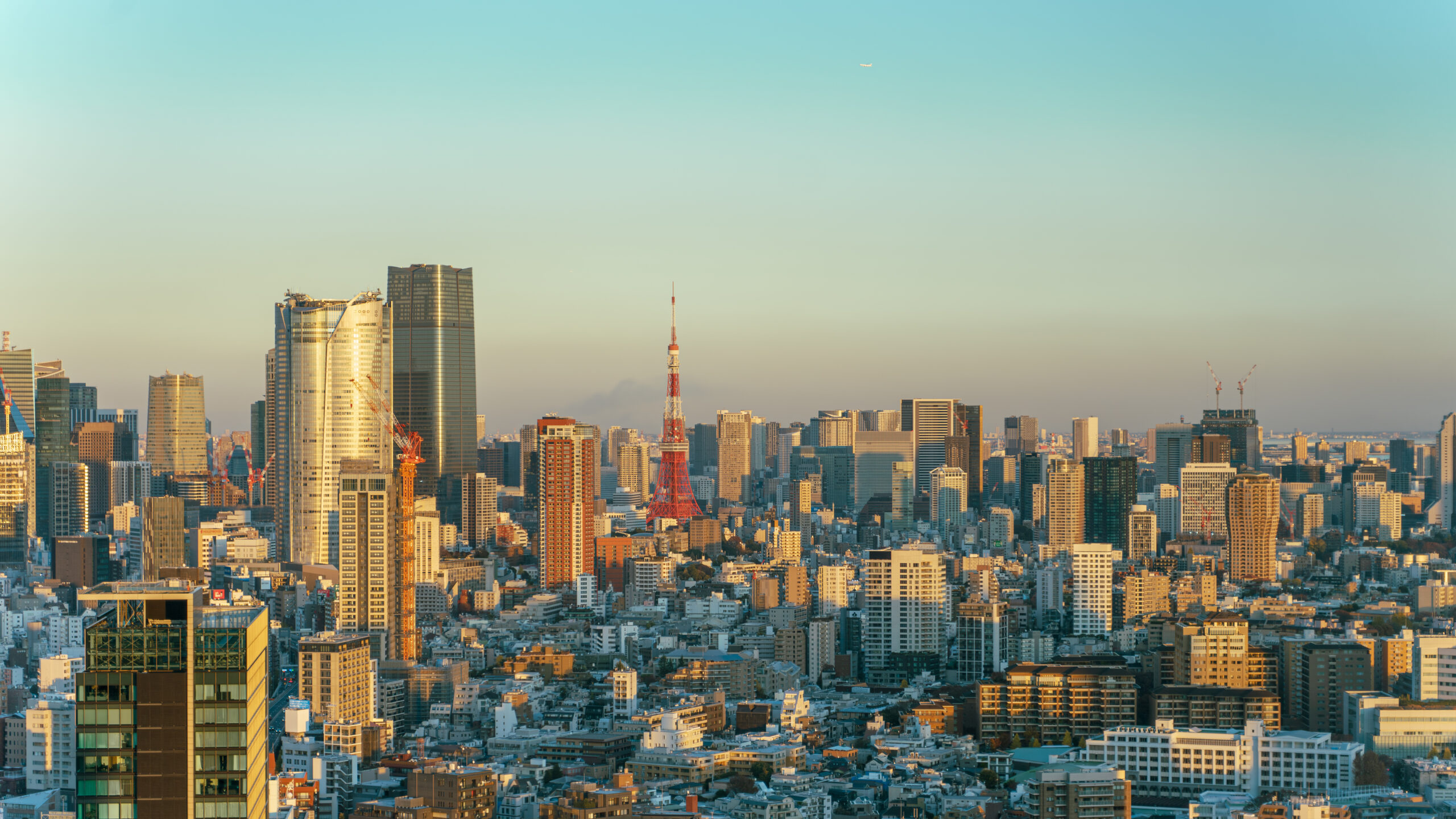
This 7 days in Japan itinerary is built for first-time visitors who want the classic Tokyo, Kyoto, and Osaka route without turning the trip into a blur. It gives you three nights in Tokyo, two nights in Kyoto, and two nights in Osaka, with Nara as an easy optional day trip.
The route is practical rather than exhaustive: use it to understand where to sleep, how the days fit together, and when to book major experiences. For destination details, pair this article with the Tokyo travel guide, Kyoto travel guide, and Osaka travel guide.
- Quick route summary
- Day 1: Arrive in Tokyo and keep it simple
- Day 2: Classic Tokyo neighborhoods
- Day 3: Food, views, shopping, or a Tokyo side trip
- Day 4: Travel from Tokyo to Kyoto
- Day 5: Kyoto temples, shrines, or Nara
- Day 6: Osaka food and city energy
- Day 7: Osaka morning and departure
- Where to stay on this route
- Transport and booking tips
- FAQ
- Related guides
Quick route summary
- Days 1-3: Tokyo for neighborhoods, food, temples, shopping, and city views.
- Day 4: Shinkansen from Tokyo to Kyoto, then a soft Kyoto afternoon.
- Day 5: Kyoto temples and shrines, or a Nara day trip if you prefer a faster pace.
- Day 6: Osaka for food, castle history, nightlife, and easy city transport.
- Day 7: Osaka morning, then depart from Kansai International Airport or return toward Tokyo.
Day 1: Arrive in Tokyo and keep it simple
After arrival, stay close to your hotel area and avoid stacking the first day with reservations. Good first-night bases include Shinjuku, Tokyo Station, Ginza, Ueno, and Asakusa, depending on your airport route and budget.
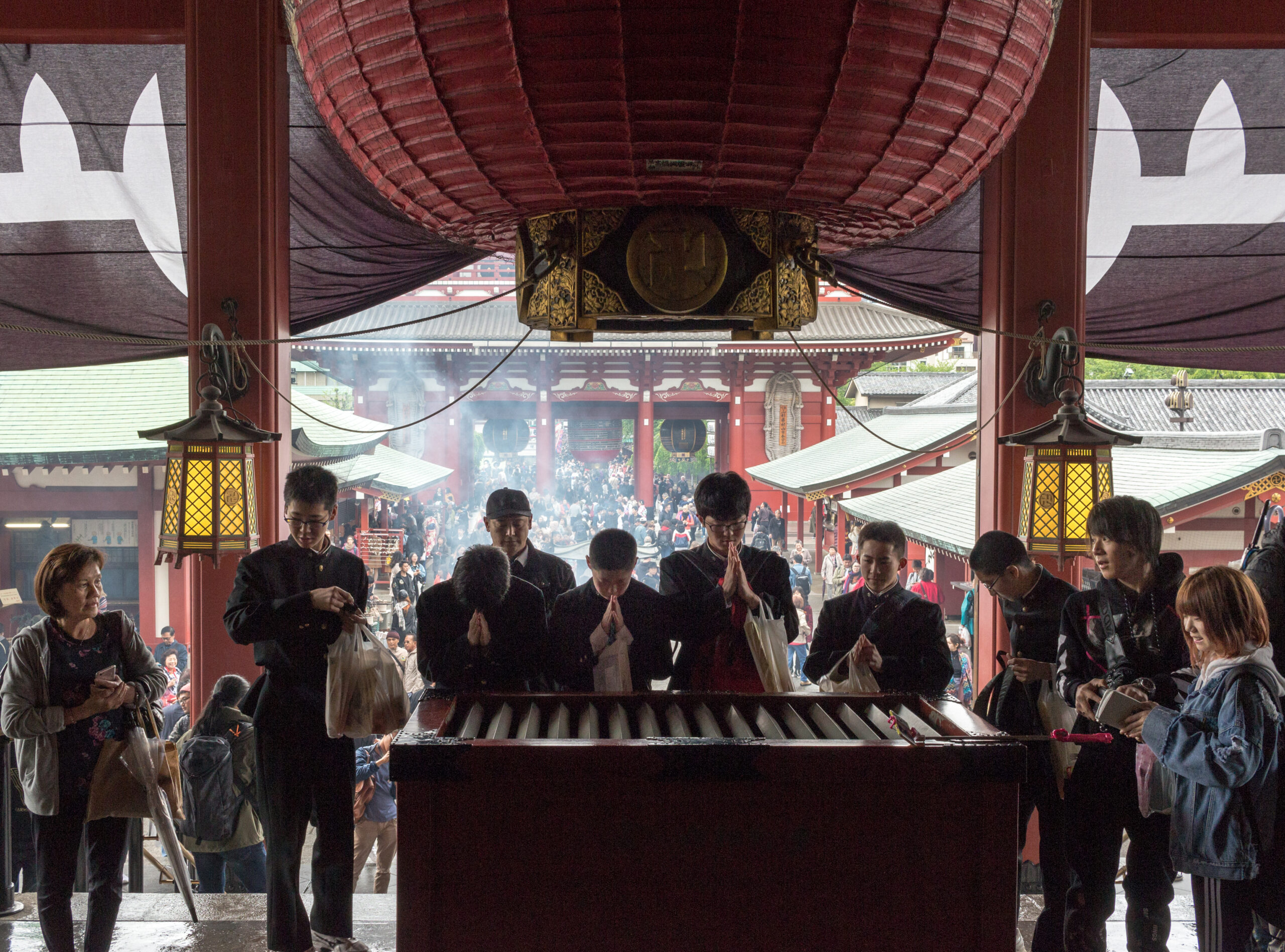
If you have energy, choose one light neighborhood walk: Asakusa and Senso-ji, Shinjuku evening lights, or Ginza and Tokyo Station. Keep dinner flexible because immigration, luggage, and jet lag can easily reshape the day.
Day 2: Classic Tokyo neighborhoods
Use the second day for Tokyo’s big contrast: historic east Tokyo in the morning and modern west or central Tokyo later. A simple route is Asakusa, Ueno, Akihabara, then Shinjuku or Shibuya in the evening.
Do not try to cover every famous district in one day. Pick two or three areas and leave time for meals, station transfers, and wandering. Tokyo rewards slower neighborhood time more than checklist speed.
Day 3: Food, views, shopping, or a Tokyo side trip
Make day three your flexible Tokyo day. First-time visitors often choose Tsukiji Outer Market and Ginza, teamLab or Odaiba-style waterfront time, Harajuku and Omotesando, or a relaxed museum and cafe day.
If you prefer a short side trip, consider Yokohama or Kamakura from the Kanagawa guide. For only seven days, save Hakone or Nikko for a trip where you can give them proper time.
Day 4: Travel from Tokyo to Kyoto
Take the Tokaido Shinkansen from Tokyo to Kyoto and plan this as a travel day with a real Kyoto afternoon, not a lost day. Book seats ahead during busy travel periods, especially cherry blossom season, autumn foliage, Golden Week, Obon, and New Year.
After checking in, keep the afternoon focused: Nishiki Market and downtown Kyoto, Gion in the early evening, or a single temple area near your hotel. Kyoto is easier when you group sights by area instead of crossing the city repeatedly.
Day 5: Kyoto temples, shrines, or Nara
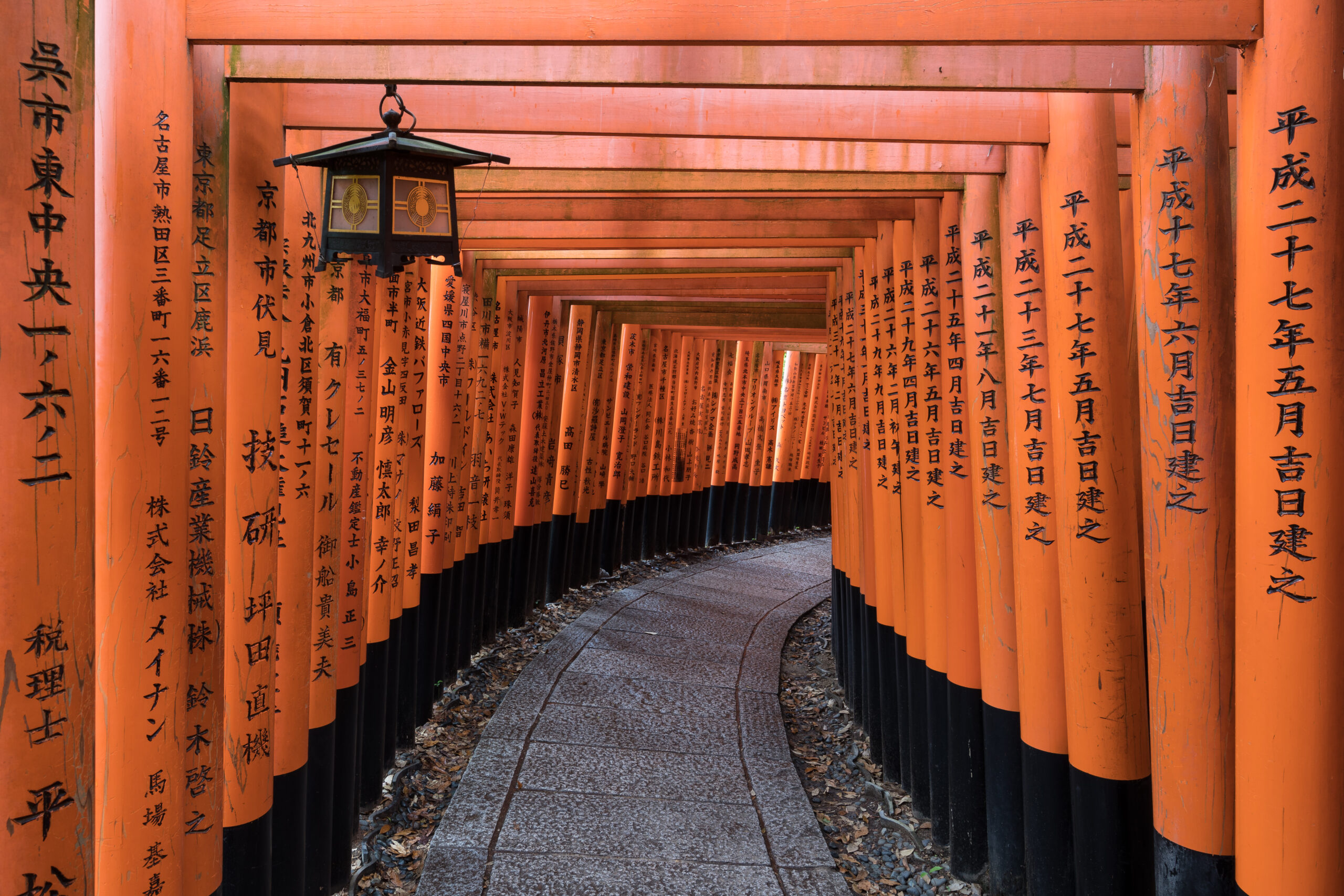
For a classic Kyoto day, start early at Fushimi Inari, then choose one temple district: Higashiyama for Kiyomizu-dera and traditional lanes, Arashiyama for the bamboo grove and riverside, or northern Kyoto for Kinkaku-ji and Ryoan-ji.
If you want more variety, make Nara your day trip instead. The Nara travel guide works especially well for first-time visitors who want Todai-ji, Nara Park, and a calmer historic city between Kyoto and Osaka.
Day 6: Osaka food and city energy
Move to Osaka in the morning or the evening, depending on how much Kyoto time you want. For a one-day Osaka plan, spend the middle of the day around Dotonbori or Kuromon Market, then finish in Namba or Shinsekai for food at night.
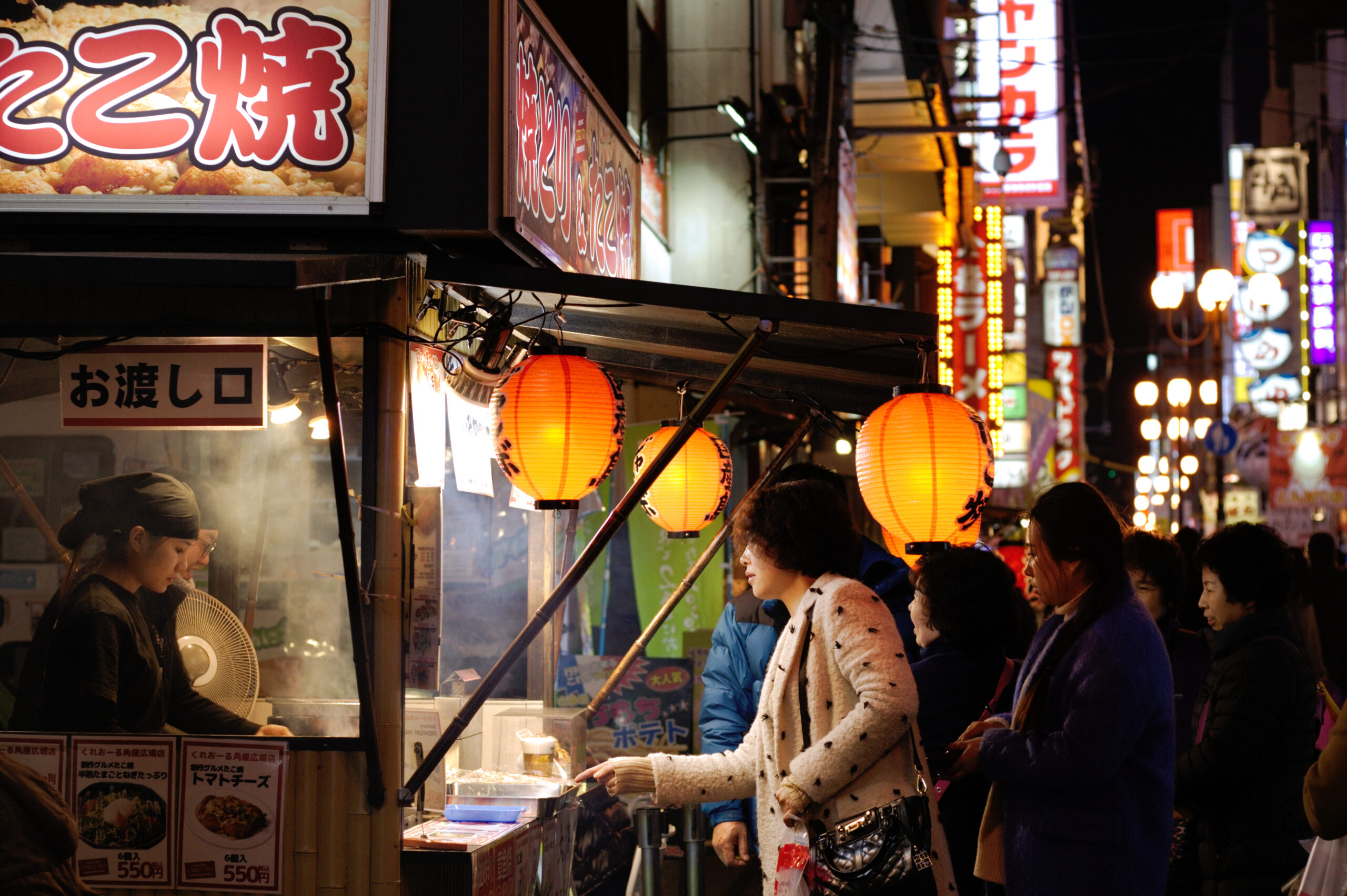
Osaka is the easiest place on this itinerary to let meals shape the day. Takoyaki, okonomiyaki, kushikatsu, ramen, depachika food halls, and casual izakaya streets all fit naturally without needing a complicated plan.
Day 7: Osaka morning and departure
If you fly out from Kansai International Airport, keep the final morning close to your hotel or a direct train route. Namba and Umeda both work well, but the best base depends on your luggage, airport timing, and hotel budget.
If your flight leaves from Tokyo, treat day seven as a transfer day and avoid tight sightseeing. A 7-day trip is short, and a relaxed final transfer is better than ending the journey with a missed connection risk.
Where to stay on this route
- Tokyo: Shinjuku for nightlife and transport, Tokyo Station/Ginza for rail convenience, Ueno or Asakusa for value and older-city atmosphere.
- Kyoto: Kyoto Station for logistics, Kawaramachi/Gion for evenings, Arashiyama for a quieter scenic stay.
- Osaka: Namba for food and nightlife, Umeda for rail connections, Tennoji for value and southern access.
For more detail, use the Japan hotels and where to stay guide before booking.
Transport and booking tips
This route is easiest with one long-distance rail move from Tokyo to Kyoto, then short Kansai rail trips between Kyoto, Nara, Osaka, and Kansai airport. Check current train times before travel day and avoid building a plan that depends on the last possible connection.
A working phone connection matters more than many first-time visitors expect. Use the Japan eSIM and transport guide to plan maps, train apps, translation, and airport setup before arrival.
FAQ
Is 7 days enough for Japan?
Seven days is enough for a first taste of Japan if you keep the route focused. Tokyo, Kyoto, and Osaka are the most practical first-time combination because they are connected by frequent major rail routes and cover city life, temples, food, and easy day trips.
Should I include Nara or spend more time in Kyoto?
Choose Nara if you want a compact historic day with Todai-ji and Nara Park. Stay in Kyoto if you prefer a slower temple day, better restaurant pacing, or more time in one neighborhood.
Should I start in Tokyo or Osaka?
Either direction works. Start in Tokyo if your international flight lands there or if you want the biggest city first. Start in Osaka if you find better flights into Kansai International Airport or want to finish with Tokyo shopping and nightlife.
What should I book before arriving?
Book hotels, major long-distance rail plans during peak periods, high-demand restaurants or theme parks, and any must-do guided experiences. Keep ordinary meals and neighborhood wandering flexible.
Continue planning with more Japan itinerary ideas. Before you lock the route in, read Plan Your Japan Trip for when to go, budgeting, and what to sort out before departure, and Getting Around Japan for IC cards, rail passes, and Shinkansen bookings that this route depends on.