Tokyo does not have one universally best neighborhood to stay in. The useful choice is the base that makes your arrival, sightseeing days and next train easier. For most first-time visitors, five areas solve most trips: Shinjuku, Tokyo Station and Marunouchi, Ueno, Ginza, and Asakusa.
Start by drawing your real travel days on a map: the airport you use, any Shinkansen departure, the one evening you want to stay out late, and the sights you care about most. Then choose the station walk and neighborhood mood that fit that plan. For the bigger picture, see the Tokyo travel guide, the Japan-wide guide to hotel bases and types, and the Japan transport guide.
- The short answer: pick the base that removes one daily problem
- 1. Shinjuku: best for energy, late dinners and western Tokyo
- 2. Tokyo Station and Marunouchi: best for a short stay or Shinkansen day
- 3. Ueno: best for museums, casual evenings and northern connections
- 4. Ginza: best for a central, polished city stay
- 5. Asakusa: best for historic atmosphere and slower east-Tokyo mornings
- How to book the right room, not just the right area
- Related guides
The short answer: pick the base that removes one daily problem
- Choose Shinjuku if you want a high-energy evening base, access toward western Tokyo, or a practical start for some day trips.
- Choose Tokyo Station or Marunouchi if a Shinkansen journey, a short stay, or simple central connections matter more than nightlife outside the door.
- Choose Ueno if you want a straightforward rail base for the east and north plus museums, market streets and more casual evenings.
- Choose Ginza if you value a polished, central setting near major shopping and dining districts and are happy to trade some neighborhood looseness for it.
- Choose Asakusa if the historic east-Tokyo atmosphere is part of the trip and you prefer slower mornings near Sensoji and the Sumida River.
1. Shinjuku: best for energy, late dinners and western Tokyo
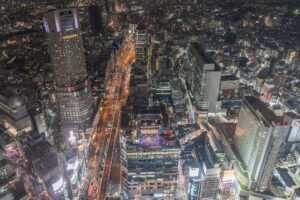
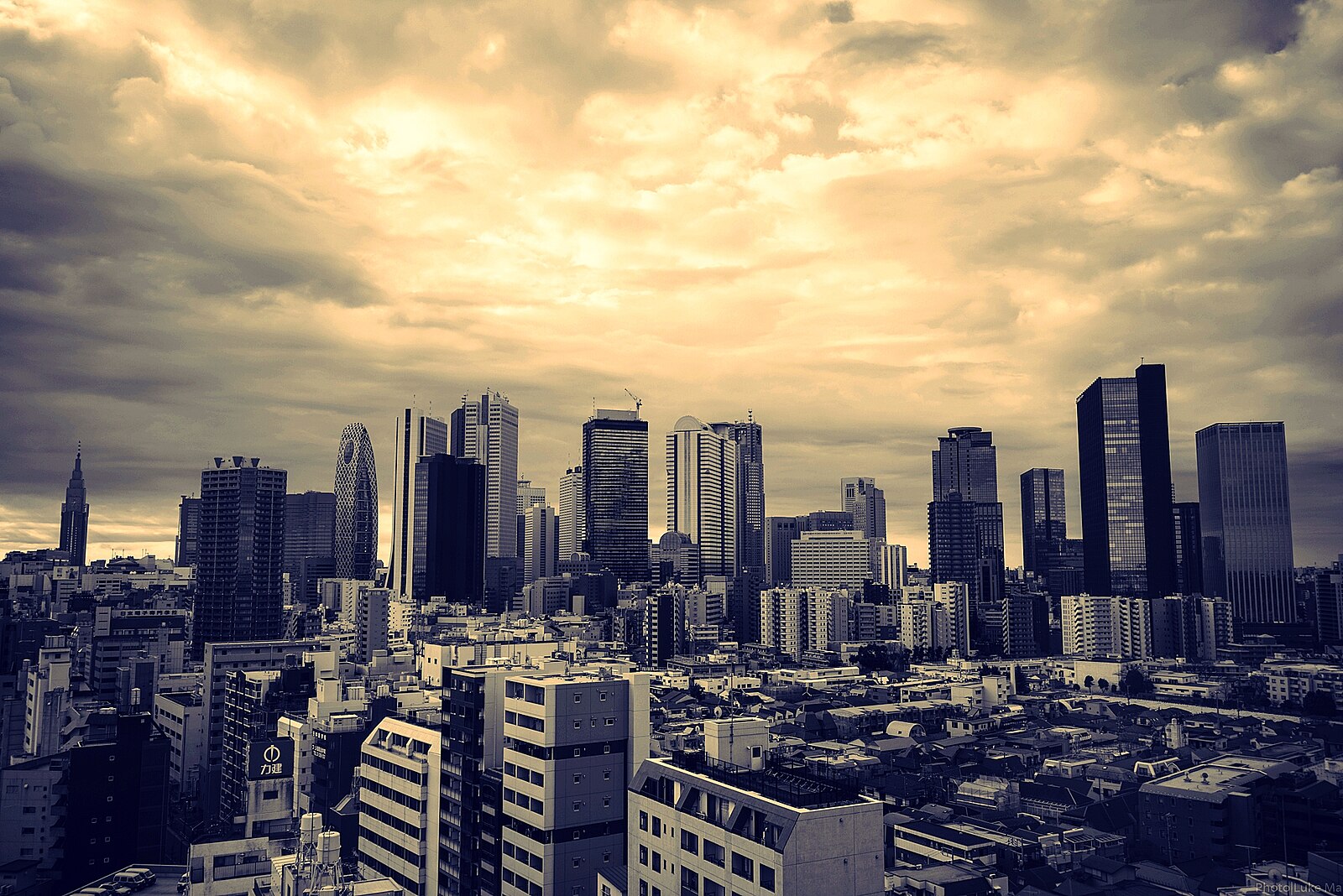
Shinjuku is the default answer when you want Tokyo to feel busy from the moment you leave the hotel. It is especially useful for travelers who want evenings of restaurants, bars and bright streets, or who expect to spend time around Shibuya, Harajuku, western suburbs or the mountains beyond Tokyo. GO TOKYO notes that Shinjuku Station connects JR, Keio, Odakyu, Tokyo Metro and Toei lines, and the south side leads toward the expressway bus terminal.
The trade-off is scale. A hotel described as “in Shinjuku” may be a long walk from the exit you actually need, and different nearby stations are not interchangeable. For a first visit, prioritize a property with a clearly described walking route from one named station or exit. Shinjuku works particularly well when you will return late and want food close by; it is less calming when you want quiet, early nights.
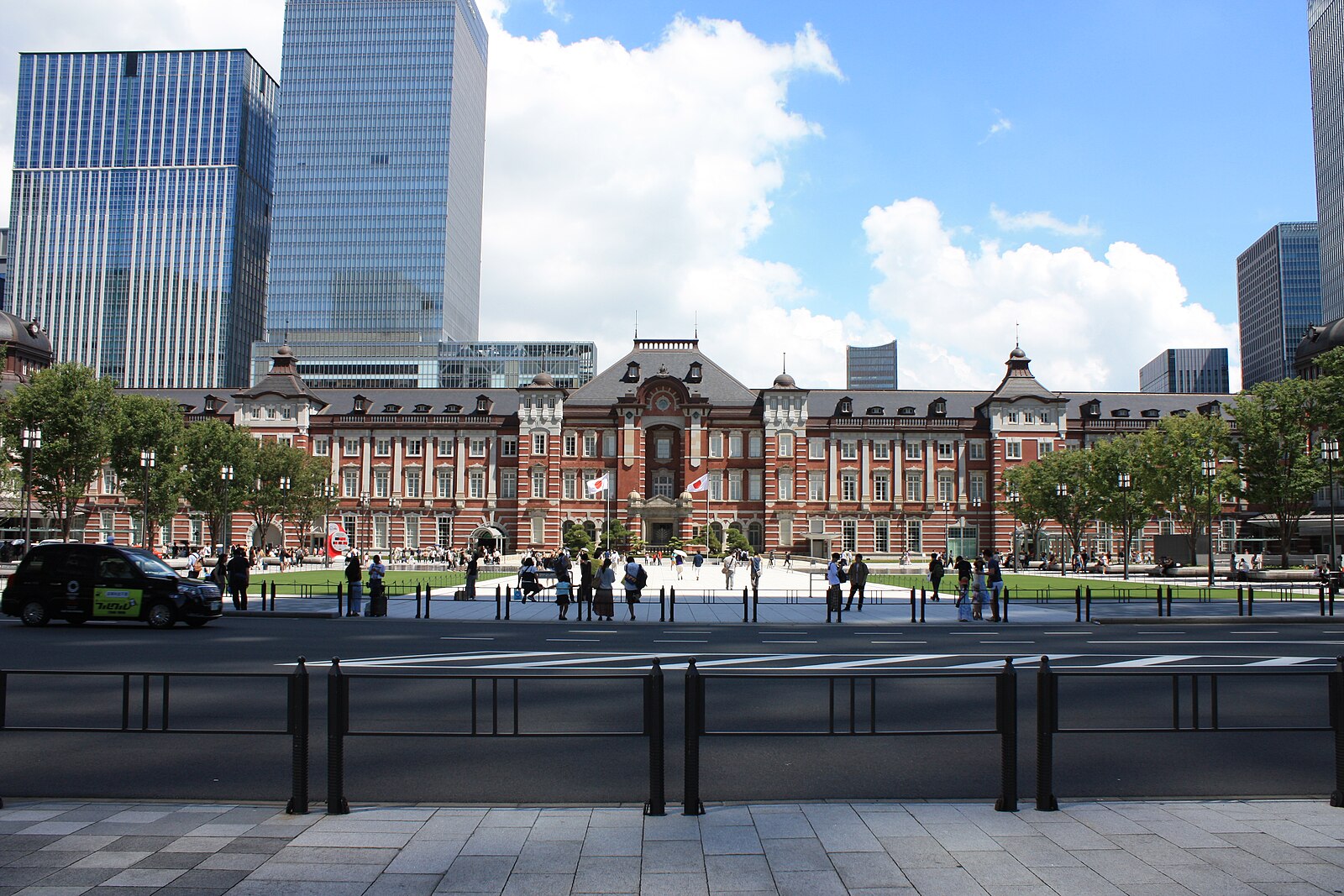
2. Tokyo Station and Marunouchi: best for a short stay or Shinkansen day
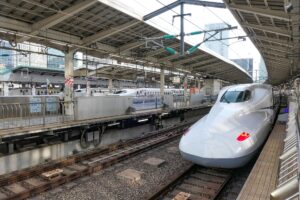
Stay near Tokyo Station when the trip has a hard transport edge: an early Shinkansen, a one- or two-night stop, or a wish to keep luggage moves simple. It puts a major rail hub at the center of the stay and makes it easier to begin or end a multi-city route without crossing Tokyo on departure morning. Marunouchi has a more businesslike feel than Shinjuku, so it is a strong practical base rather than the automatic choice for late-night wandering.
Check the exact side of the station before you book. Tokyo Station is large, and a hotel in Marunouchi, Nihonbashi, Kyobashi or Ginza may all be marketed as “near Tokyo Station” while involving very different walks. If you are carrying large cases, use the map view, look for step-free directions, and confirm whether the property holds luggage before check-in or after checkout.
3. Ueno: best for museums, casual evenings and northern connections
Ueno is a sensible middle ground for travelers who want an easygoing base without giving up useful rail access. It suits museum days, Ameyoko browsing, Asakusa and other eastern-Tokyo plans, and onward travel toward the north. Compared with the polished central districts, it often feels more everyday and less like a business district after office hours.
The important detail is the line you need, not only the neighborhood label. Ueno, Keisei Ueno and nearby Okachimachi are useful in different ways, so match the hotel to your airport route and first sightseeing morning. It is a good choice for a first-time itinerary with a mix of cultural stops and simple train travel, but not the closest base for every western-Tokyo evening plan.
4. Ginza: best for a central, polished city stay
Ginza is for travelers who want a central address, smart streets and restaurants, and a more refined end to the day. It is convenient for central Tokyo, nearby department stores and walks toward Tsukiji, Marunouchi and the waterfront. Choose it when the hotel experience, dining and a calm central setting matter as much as shaving every possible minute off transfers.
It is not a budget label or a guarantee of a quiet room—those are property-by-property questions. Compare the room size, bed setup, laundry, breakfast and cancellation terms before treating the postcode as the decision. Ginza is easiest to justify when your plans are mostly central and you would rather walk to dinner than ride back to a busier entertainment district.
5. Asakusa: best for historic atmosphere and slower east-Tokyo mornings
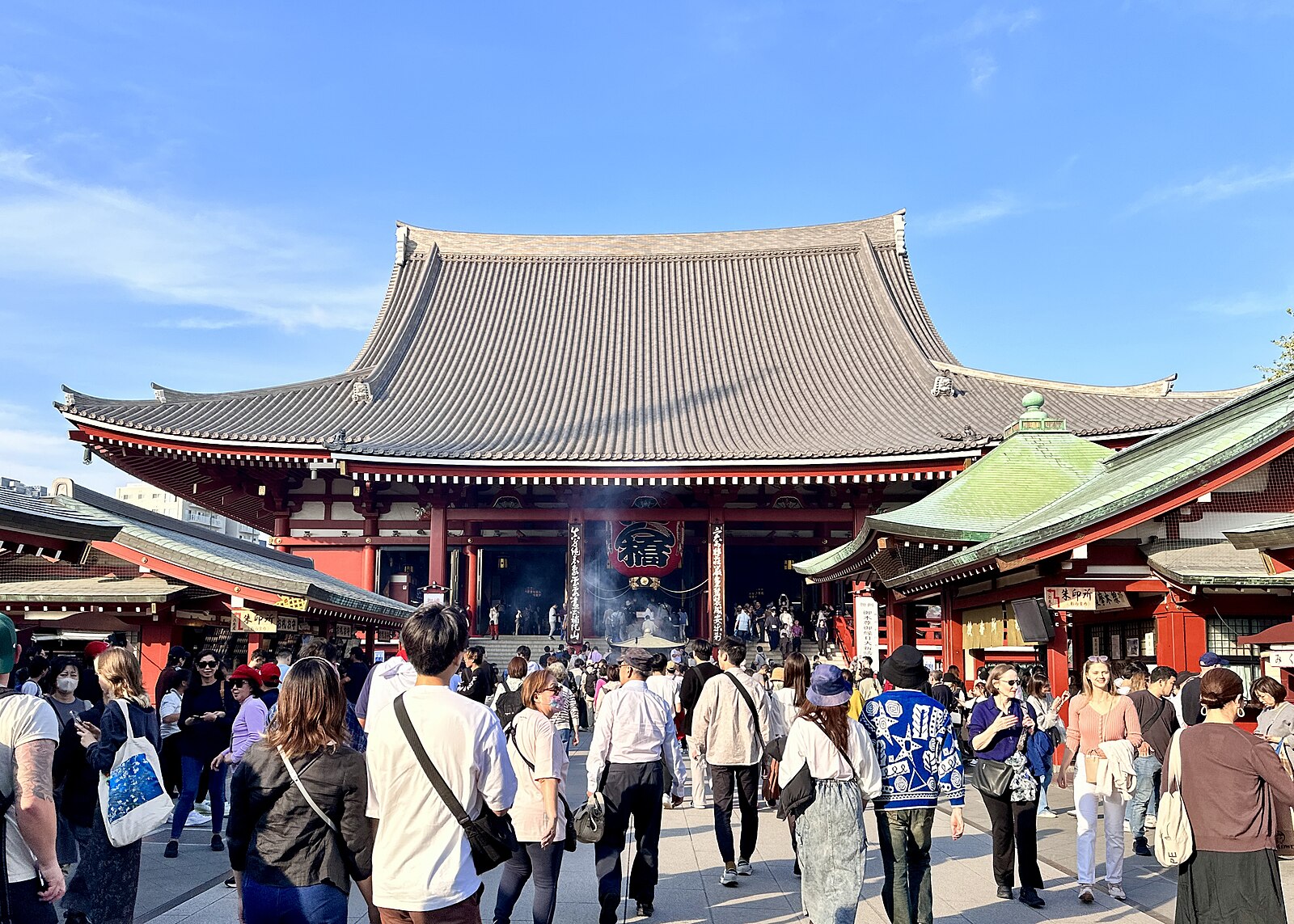
Asakusa is the choice when you want the neighborhood itself to be part of the trip. Its traditional streets, Sensoji area and riverside setting make an early walk or a relaxed evening feel different from central Tokyo’s office districts. GO TOKYO lists Tokyo Metro Ginza, Toei Asakusa and Tobu Skytree lines at Asakusa Station, so it can still work well for a first trip despite being on the eastern side of the city.
The compromise is that many popular western-Tokyo plans take longer from here. That is fine if you organize the itinerary by area—east Tokyo one day, central or west Tokyo another—rather than crossing the city repeatedly. Asakusa is especially rewarding for travelers who want an atmospheric first or final morning, but make sure the exact hotel is close to the station and not only close to a landmark.
How to book the right room, not just the right area
- Map the station exit. A five-minute route can become much longer if it starts from the wrong platform, exit or parallel station.
- Read the room dimensions. For two people with large luggage, floor area and bed layout matter more than a wide-angle room photo.
- Plan arrival and departure. Confirm luggage storage, late check-in, elevator access and the route from the airport or your next Shinkansen.
- Read the final price and terms. Compare cancellation, payment timing, included meals and any accommodation taxes shown at checkout.
- Check private lodging carefully. GO TOKYO advises travelers to confirm terms and house rules in advance and to look for a registration or permit number for Tokyo private lodging.
If a timed Tokyo activity will anchor a day, settle that before locking in the hotel location. You can browse bookable Tokyo activities through Klook, then choose the base that keeps the rest of the route simple. Accommodation rules, taxes and hotel services vary by property: checked as of 2026-07-20; check the official site before visiting or booking.
For an easy first-trip decision, choose Shinjuku for evenings and west-side movement, Tokyo Station for rail logistics, Ueno for an easy east-and-north base, Ginza for a polished central stay, or Asakusa for atmosphere. The best one is the area that prevents your most annoying transfer—not the one that appears most often in generic hotel lists.
Sources checked: GO TOKYO: Accommodations and Accommodation Tax, GO TOKYO: Shinjuku, GO TOKYO: Asakusa, and GO TOKYO: Tokyo Area Guide. Checked 2026-07-20.