A good Naoshima day starts with a booking decision, not with a museum wish list. The island’s art sites, ports and buses do not work as interchangeable stops: a timed entry at Chichu Art Museum can dictate which ferry you need, while the port you choose can decide how much of the day is realistic after you arrive.
Start by choosing one main art area, then work backwards to the arrival port and ferry. Benesse Art Site Naoshima identifies Takamatsu Port and Uno Port as the two main gateways, while its visitor information says that several art facilities use online tickets and that some entries are for a specific date and time. As of 2026-08-13, check the live timetable, ticket availability and weather notices again before travelling: ferry piers, sailing times and museum calendars can change.
| If your priority is… | Plan this first | Best starting point | Do not leave until the morning |
|---|---|---|---|
| A timed Chichu Art Museum visit | Reserve the date and time, then choose a ferry that leaves enough transfer time. | Use the main gateway that gives the least stressful route to your confirmed entry. | Buying the ferry after a tight museum booking; online sell-out can mean no on-site Chichu sale. |
| A broader island introduction with flexible stops | Choose your gateway and one port area before adding museums. | Miyanoura is the practical arrival focus when you want services and onward choices before committing to one art district. | Assuming every boat uses the same pier or that every museum can be entered without a reservation. |
| Art House Project and village time | Decide whether Honmura is the day’s main area and check the relevant entries. | Honmura makes sense when the village-side art sites are the priority rather than an add-on after a long cross-island transfer. | Trying to fit a timed Chichu visit, village sites and a return ferry into an unplanned half day. |
| A day trip from Okayama | Work back from the last practical return sailing and your fixed museum time. | Uno is the natural gateway after reaching Uno Station from Okayama. | Treating the ferry as a walk-on shuttle with no pier, capacity or timetable check. |
Choose the museum entry before the island route
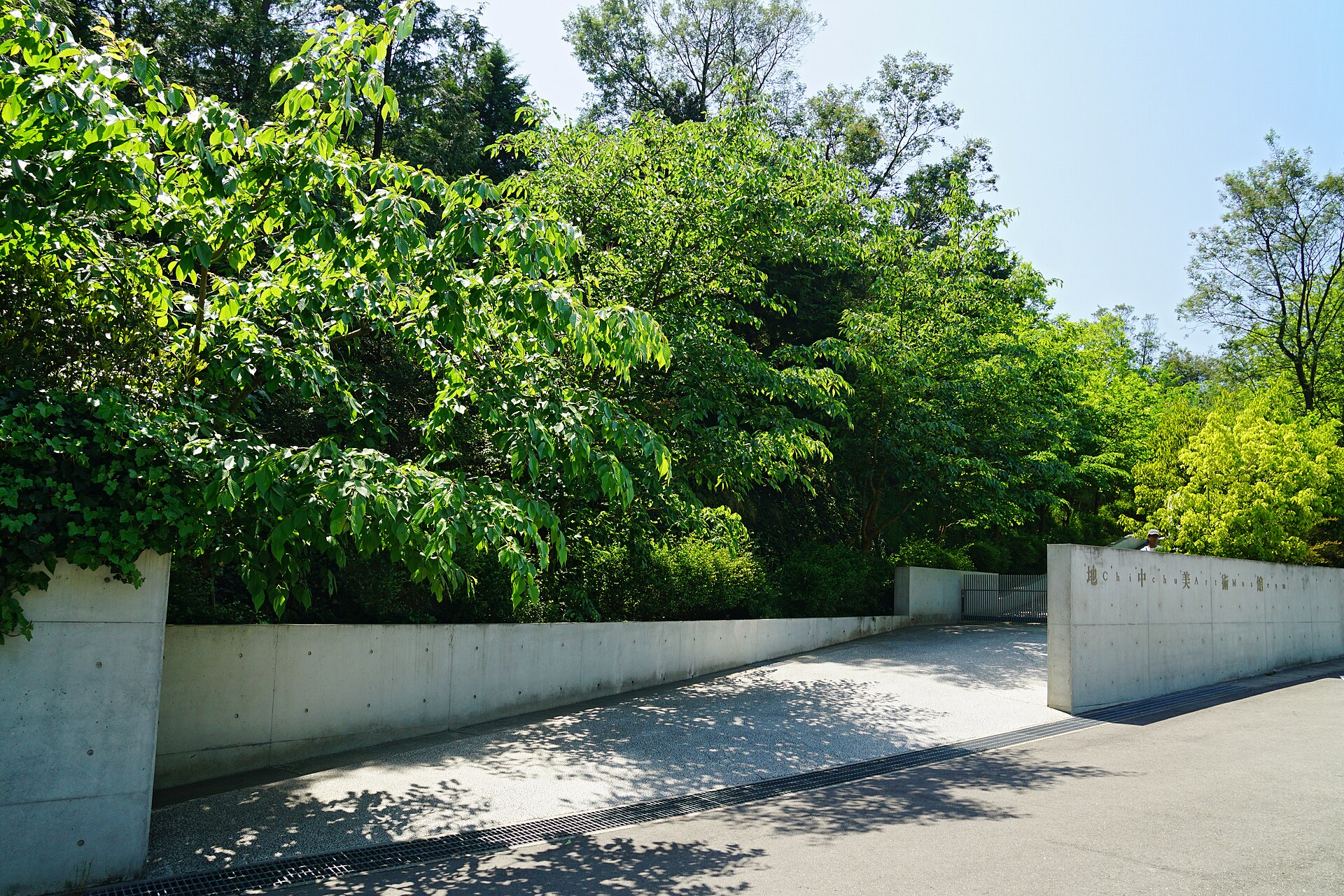
For many first-time visitors, Chichu Art Museum is the point that makes the whole day either work or unravel. The official museum page requires an advance reservation with a date and time, and says there are no on-site sales when online tickets have sold out. That makes the confirmed entry time more important than a rough idea of which ferry looks convenient.
Once you have a timed entry, leave a buffer for the boat, the correct pier, the port-to-museum transfer and a short delay. The museum is normally closed on Mondays, with the published national-holiday exception followed by a next-day closure, so use the official calendar rather than assuming every weekday operates the same way. Large suitcases are not allowed in the museum spaces; the official visitor guidance points travellers to lockers or the ticket centre, another reason not to arrive directly from a long-distance train with no slack.
Pick Uno or Takamatsu by the trip you are actually taking
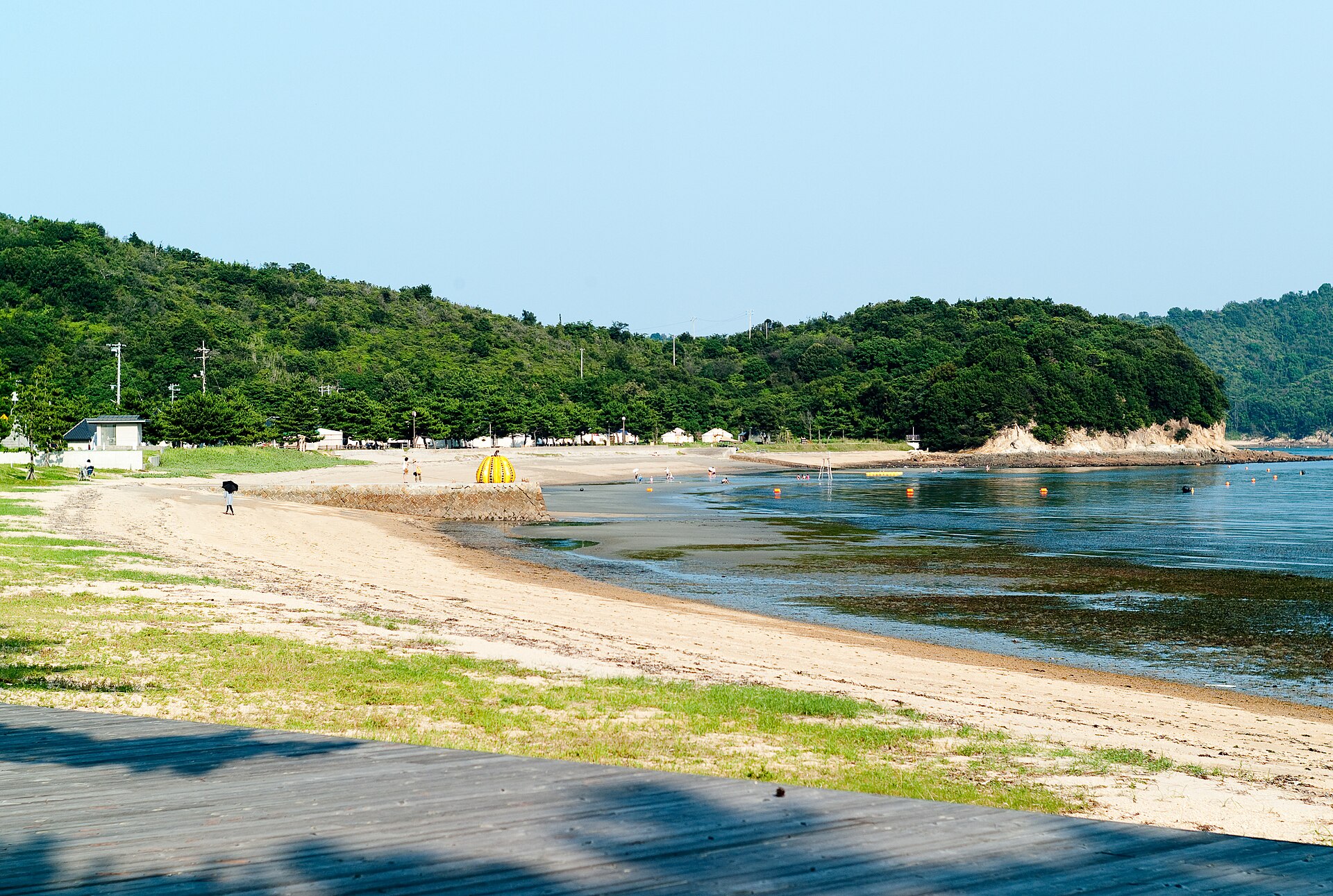
There is no universally better mainland port. Uno is the logical gateway when your itinerary is already in Okayama: Benesse’s access guide lists the JR Uno Line from Okayama Station to Uno Station at about 50 minutes, followed by the short walk to the port. Takamatsu is the more natural choice when you are already staying in Kagawa or arriving through Takamatsu’s rail and airport connections. The right choice is the one that gives you a comfortable first ferry and a realistic final return, not the one that looks closest on a Japan-wide map.
At the port, read the operator’s current timetable rather than relying on a screenshot or a third-party map. Benesse’s official access page explicitly warns that ferries and passenger boats can use different piers at both the mainland and Miyanoura ends. That small detail matters on a timed-museum day: build in time to find the correct berth and do not plan a connection measured in only a few minutes.
Use Miyanoura or Honmura as a planning choice, not just a landing point
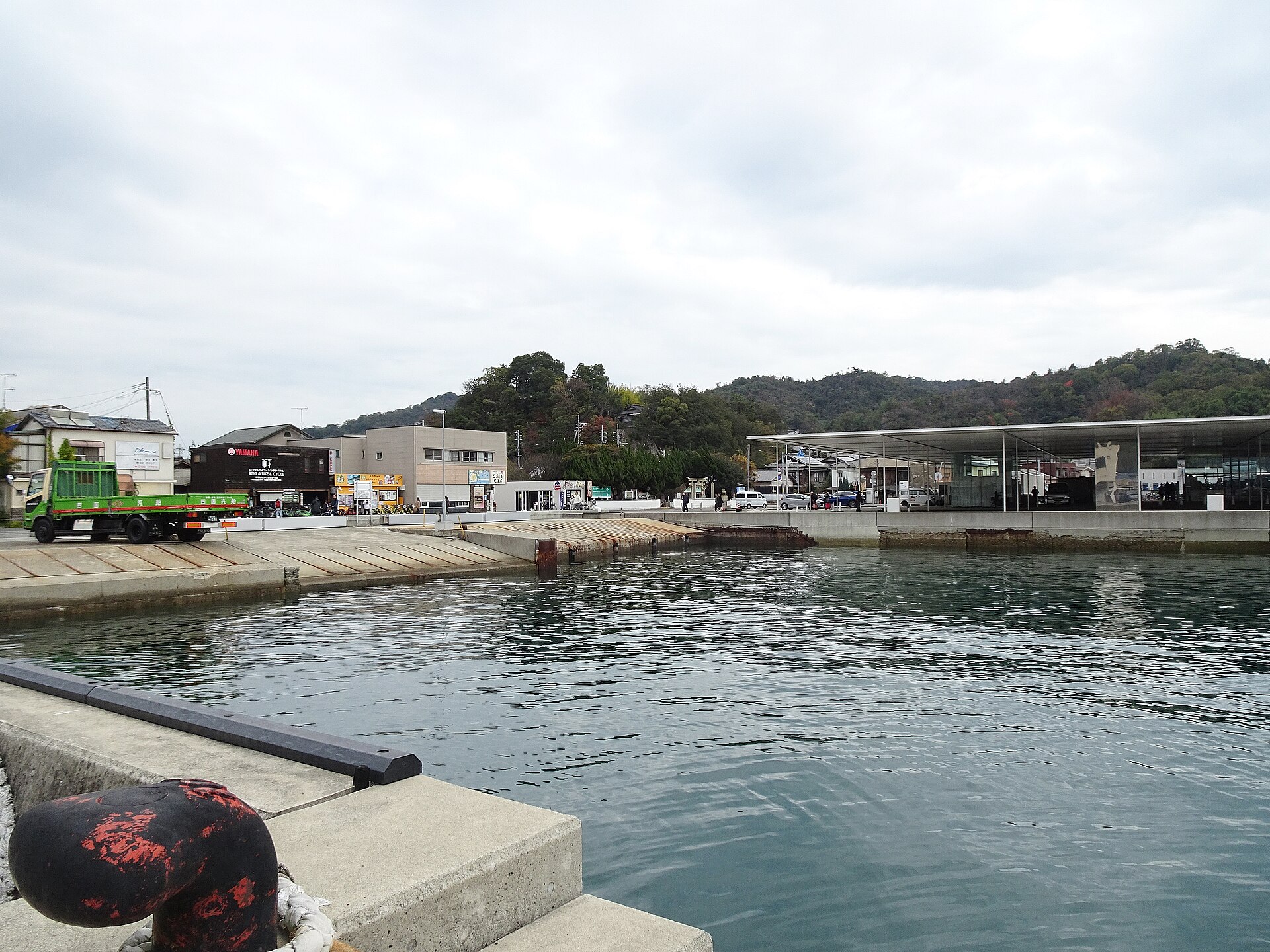
Miyanoura works well as a practical first stop when you want to orient yourself, check local transport and keep options open. Honmura suits a more village-centred day, particularly when the Art House Project is the main reason for visiting. Neither choice removes the need to check reservations: the official ticket page lists several Naoshima facilities with specific-date-and-time entries, so a route that looks tidy on a map can still fail if its first available museum slot is much later than expected.
For a one-day visit, avoid treating every island museum as a checklist. Pick one fixed-time priority and one flexible area. If the ferry, entry time and cross-island movement line up, add a second site; if they do not, keep the day concentrated. This produces more time to actually experience the island and reduces the risk of missing a return sailing because of an overfull plan.
A simple Naoshima day-trip order
- First: decide whether your priority is Chichu, a village-side art day, or a flexible introduction.
- Second: reserve any required museum entry and note its exact time, closure rules and luggage limits.
- Third: choose Uno or Takamatsu, then confirm the current ferry and the correct pier.
- Fourth: choose Miyanoura or Honmura as the arrival area that best supports that fixed entry.
- Finally: set a return-ferry target before adding a second museum, cafe stop or beach walk.
Continue with the Kagawa travel guide for the wider Shikoku route, the Okayama travel guide when Uno is part of the trip, and the Ehime travel guide for onward Setouchi planning.
Sources checked: Benesse Art Site Naoshima access information, Naoshima local access guidance, official ticket reservations, and the Chichu Art Museum visitor page. Checked 2026-08-13.