A Tokyo to Kamakura day trip is at its best when it has one clear shape: take the direct train out of the city, use the little Enoden railway for the Hase area, then pair Hasedera with the Great Buddha instead of trying to see every temple and beach in one day. Those two sights are close enough to connect on foot, which makes this a calmer plan than relying on buses when the town is busy.
Use this route as one focused day within a longer stay: start with the Kanagawa travel guide, then connect it with the Tokyo travel guide and the practical Japan transport guide. Fares, opening hours and service conditions below were checked as of 2026-07-22; check the official sites before visiting because rail services, temple notices and crowding can change.
The simple first-time route
- From Tokyo Station: take a direct JR Yokosuka Line train to Kamakura. Allow about one hour rather than planning around one exact departure.
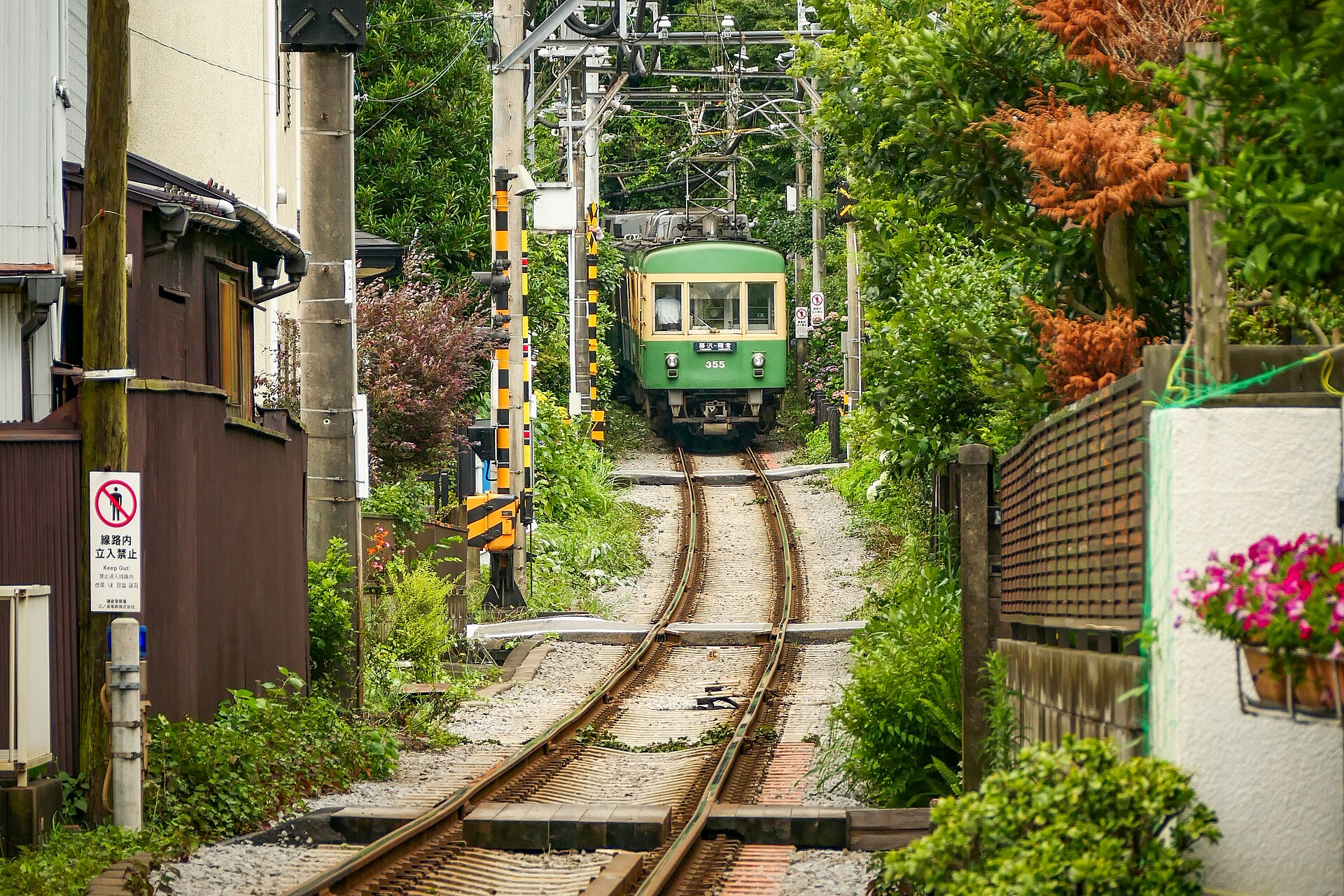
- At Kamakura: change to the Enoden for Hase. The operator lists the Kamakura–Hase ride at about five minutes and ¥200 for an adult.
- Visit in this order: Hasedera first, then walk roughly five minutes to Kotoku-in for the Great Buddha.
- Keep the scope realistic: return to Kamakura Station afterwards, or continue toward Enoshima only if you still have time and energy for extra Enoden rides.
That order protects the important part of the day. Hasedera opens at 8:00 a.m., and beginning there gives you the best chance of seeing the temple before the Hase area becomes busier. The Great Buddha is then a short walk away, so you do not need to gamble on a congested local road for the main sights.
Choose the train ticket that fits your starting point
For a central-Tokyo day trip, the direct JR Yokosuka Line is the straightforward choice. As checked on 2026-07-22, budget ¥1,040 for a Tokyo–Kamakura paper ticket or ¥1,034 with an IC card, one way. JR East revised fares in 2026, so treat that as a planning figure and confirm the live fare and departure in the JR route search before you travel. You do not need to turn this route into a complicated pass calculation if your day begins near Tokyo or Shinagawa.
Starting from Shinjuku and planning several Enoden rides is a different case. Odakyu’s Enoshima–Kamakura Freepass is ¥1,640 for an adult from Shinjuku as of 2026-07-22. It includes the return Odakyu journey between the departure station and Fujisawa, unlimited Odakyu travel in the local free area, and unlimited Enoden rides for one day. It is useful for an Enoshima-and-Kamakura circuit, but it is not a substitute for the direct JR trip from Tokyo Station.
For the short Hasedera and Great Buddha route, buy ordinary Enoden fares instead of assuming a day pass saves money. A Kamakura–Hase return is ¥400. Enoden’s ¥800 Noriorikun one-day pass becomes sensible only if you will make several additional rides, such as continuing along the coast or out to Enoshima. It is sold at station vending machines; the operator says it cannot be refunded after use begins.
Start at Hasedera, then walk to the Great Buddha
From Hase Station, walk to Hasedera and make it the morning anchor. As of 2026-07-22, the temple is open 8:00 a.m.–5:00 p.m. with last entry at 4:30 p.m. from July through March; from April through June it stays open to 5:30 p.m. with last entry at 5:00 p.m. Adult admission is ¥400, and the temple does not accept reservations. Check its notices before the day itself for a special closure or weather-related change.
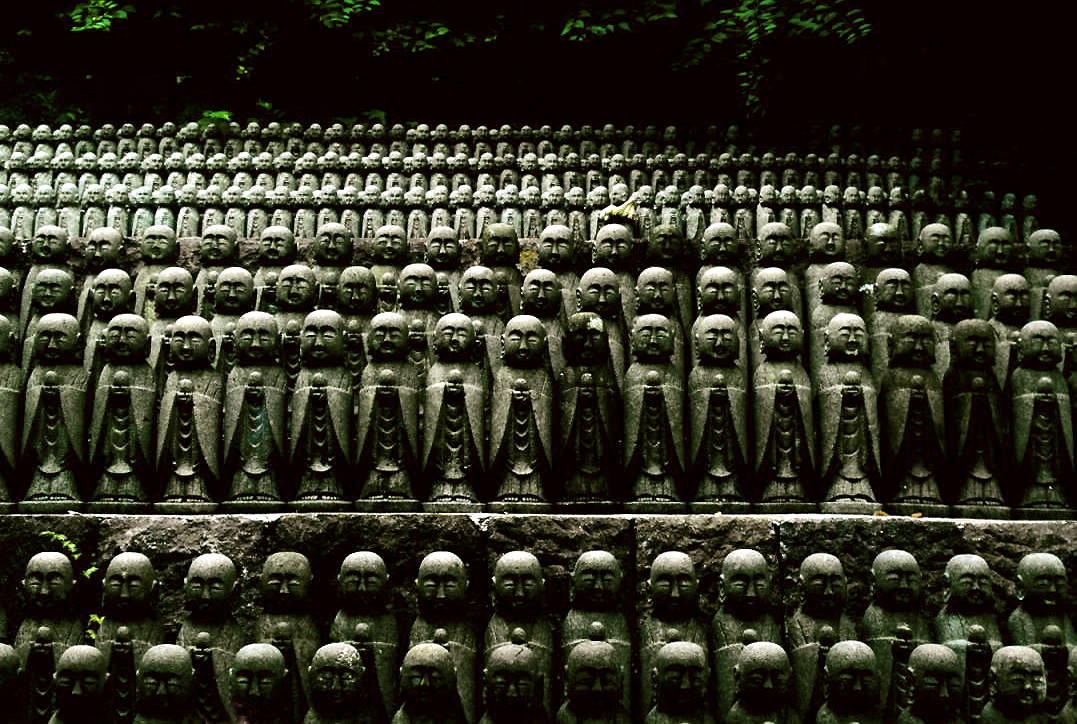
Allow around 60 to 90 minutes at Hasedera if you want to see the main hall, look out from the hillside and move without rushing. It is not a place to treat as a five-minute photo stop. The garden and slopes also mean comfortable walking shoes are more useful than a tightly timed stop.
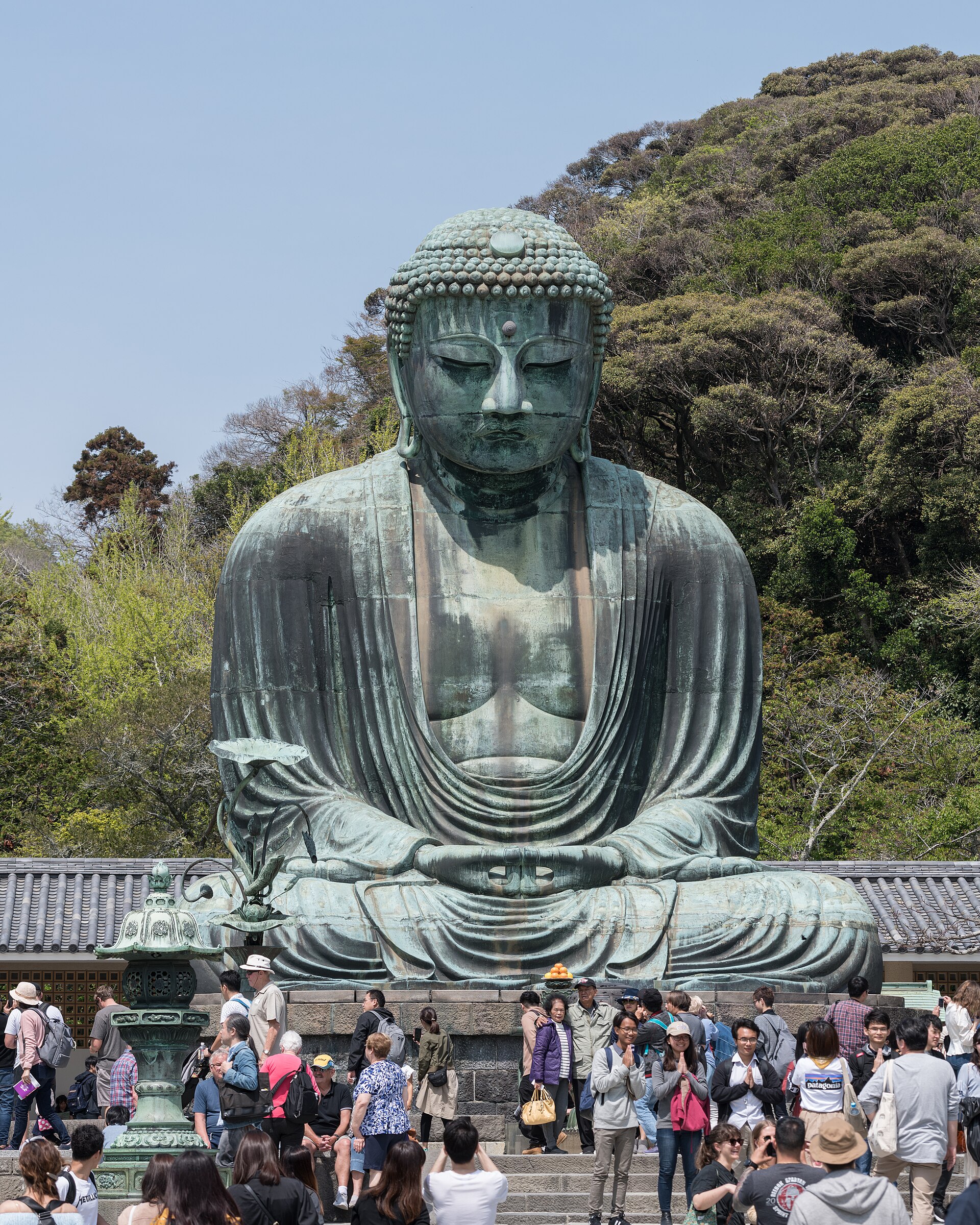
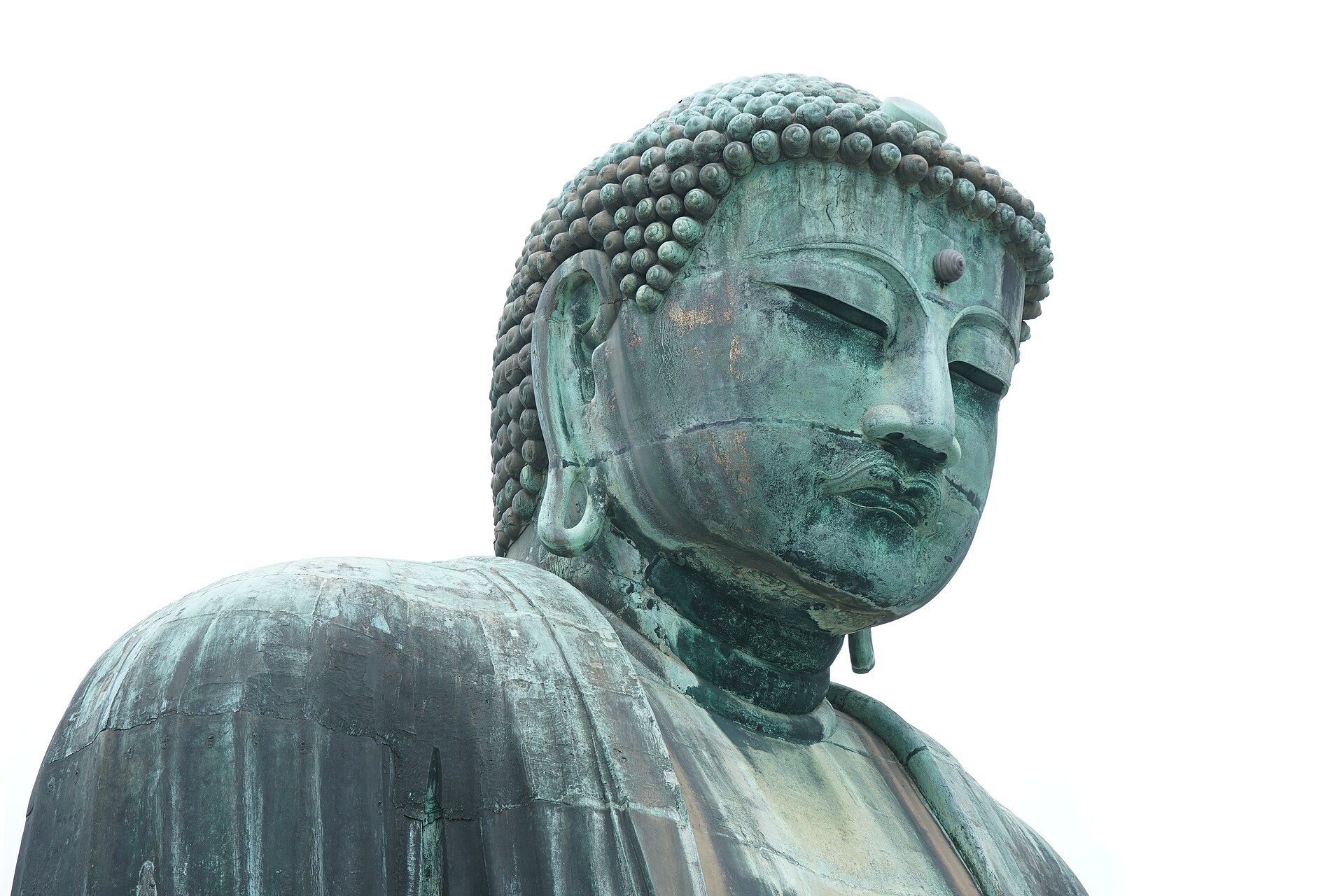
Then walk about five minutes to Kotoku-in, home of the Great Buddha. The temple’s own visitor information gives the same short connection from Hasedera. General admission is ¥300 as checked on 2026-07-22, and the optional interior visit costs an additional ¥50. Kotoku-in requires no reservation. It is open 8:00 a.m.–5:30 p.m. from April through September and 8:00 a.m.–5:00 p.m. from October through March; entry ends 15 minutes before closing. The interior has separate hours and can be affected by conditions such as extreme heat, so do not build your whole day around going inside.
How much time to allow
- Early morning: leave Tokyo, arrive at Kamakura, and take the Enoden to Hase.
- Morning: spend 60 to 90 minutes at Hasedera, ideally close to opening.
- Late morning or lunch: walk to the Great Buddha, then allow 45 to 60 minutes for Kotoku-in and the optional interior if it is operating.
- Afternoon: return to Kamakura Station for the town, or add the coast and Enoshima only when you have enough daylight for more Enoden travel.
This gives the two main places the time they deserve and leaves a useful buffer. If you want to add Komachi-dori, Tsurugaoka Hachimangu or Enoshima, choose one priority rather than promising all three. Kamakura City documents chronic holiday congestion, including crowding around Enoden services, so the reliable approach is to start early and keep the late afternoon flexible. Train plus walking is more robust than driving into the Hase area on a busy date.
Busy-day cautions and a practical return
Do not use the Enoden as a last-minute timed transfer. It is charming precisely because it is a small local railway, and it can be crowded during weekends, holidays and seasonal peaks. If hydrangea season or autumn foliage is part of your plan, travel as early as you can, expect queues, and check the operator’s notices before leaving Tokyo. If the train looks too crowded, keeping your Hase plan to walking between the two temples is usually better than trying to recover time with a bus.
For the return, aim to be back at Kamakura Station before you feel rushed rather than treating the last possible train as a target. Use an IC card or keep your ticket easy to reach, check the live JR departure board, and allow a little extra time for the station after a crowded Enoden ride. Mobile data is handy for service updates and live maps; if you want to compare optional activities on a separate day, you can browse Japan tours and activities on Klook or get a Japan eSIM from Airalo.
The best first visit is deliberately modest: direct train, one short Enoden ride, one hillside temple and one landmark Buddha. You will leave with a real sense of Kamakura, and with enough time to enjoy the ride home instead of turning a day trip into a string of missed connections.
Sources checked: JR East Kamakura timetable, Odakyu Enoshima–Kamakura Freepass, Enoden access guidance, Hasedera admission and access, Kotoku-in visitor information, and Kamakura traffic information. Checked 2026-07-22.