

Nara Travel Guide
Nara is a strong Japan travel destination for ancient temples, deer parks, historic neighborhoods, gardens, and easy Kansai day trips.
Quick facts
- Best for: ancient temples, deer parks, historic neighborhoods, gardens
- Recommended stay: 1 to 3 days
- Best season: Spring, autumn, and key local festival seasons
- Main bases: Nara Park, Todai-ji, Kasuga Taisha, Mount Yoshino
Why visit Nara
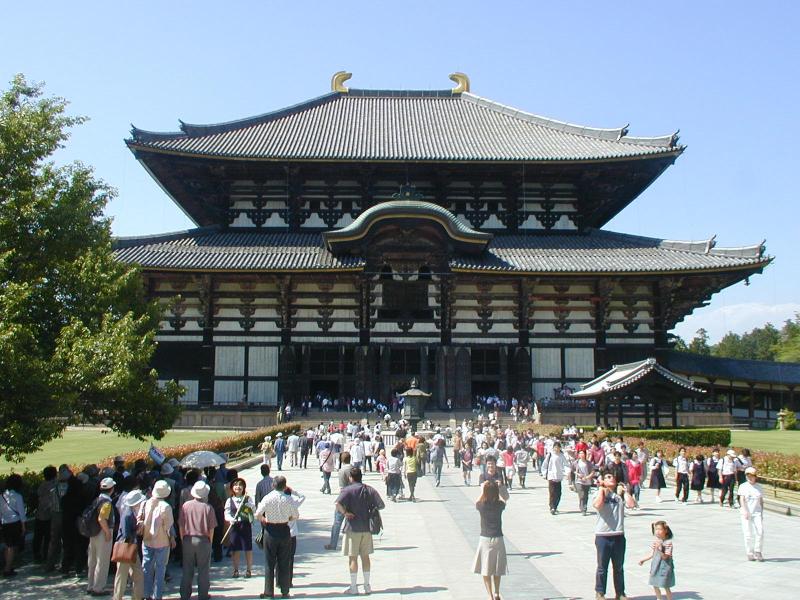
Nara was Japan’s capital before Kyoto, and what survives from that period is unusually concentrated — most of it within walking distance of the station. Todai-ji and its Daibutsu-den house the Great Buddha and date from the eighth century. Kasuga Taisha was founded in 768 and is lined with thousands of donated stone and bronze lanterns along its approach. The two are joined by Nara Park, where the freely roaming deer are the reason many people come in the first place. South of the city, Mount Yoshino is one of Japan’s most famous places to see cherry blossom, with the trees opening in bands up the hillside rather than all at once.
Getting to Nara
Nara is close enough to both Kyoto and Osaka that most travellers visit on a day trip rather than staying, and both the JR and Kintetsu lines run there frequently. That convenience is also the trap: the day crowds are heavy and thin out sharply in the late afternoon, so an early start or a late one gives you a very different Nara. Yoshino is the exception — it is a genuine journey south rather than a park stop, and in cherry blossom season it deserves its own day. See our first-timer itinerary for where Nara fits in a Kansai week.
Top Attractions in Nara
Todai-ji Temple
Todai-ji is a vast 8th-century Buddhist temple in Nara whose Great Buddha Hall houses one of Japan's largest bronze Buddha statues, making it one of the country's most impressive single-building sights.
- Price
- Paid. Great Buddha Hall admission is around yen 800 for adults and yen 400 for children 6 to 12. A combined ticket with the Todai-ji Museum runs about yen 1,200 for adults.
- Time needed
- 1 to 1.5 hours for the Great Buddha Hall; add 30 to 45 minutes if you also visit the museum or walk up to Nigatsu-do.
View practical details
- Best time
- Early morning, right after opening, to avoid tour groups and the heaviest deer traffic on the approach.
- Good for
- First-time Nara visitors, history and Buddhist art fans, families, and anyone combining the temple with Nara Park's deer.
What to do
- Walk through the Nandaimon Gate and see the two large guardian Nio statues before reaching the main hall.
- Step inside the Daibutsuden (Great Buddha Hall) and view the seated bronze Buddha, one of the largest in Japan.
- Look for the wooden pillar with a hole cut to the size of the Buddha's nostril; some visitors try to squeeze through for good luck.
- If time allows, climb the path to Nigatsu-do Hall for a quiet view over the temple grounds and Nara city.
Tickets and fees
Checked in July 2026: same-day tickets are sold at the gate and the temple does not accept cards there, so bring cash. Lines build up quickly once tour buses arrive, so an early visit is more comfortable than a ticket-buying concern.
Getting there
From Kintetsu Nara Station or JR Nara Station, it is roughly a 20 to 25 minute walk through Nara Park, or a short bus ride to the Daibutsuden-Kasugataisha-mae stop followed by a short walk.
Nearby
Todai-ji sits inside Nara Park, and it is an easy walk onward to Kasuga Taisha Shrine.

Nara Park
Nara Park is a large, open park in central Nara where hundreds of wild sika deer roam freely among temples, shrines, and lawns, and it works as the natural walking hub for a day in the city.
- Price
- Free to enter the park itself. Shika senbei (deer crackers) cost about yen 200 per bundle from vendor carts; individual temples and shrines inside the park charge their own separate admission.
- Time needed
- 1 to 2 hours just for the park and deer, or a half day or more if combined with Todai-ji and Kasuga Taisha.
View practical details
- Best time
- Morning or late afternoon on weekdays; the deer are out all day but the paths get crowded midday on weekends.
- Good for
- Families, first-time Nara visitors, wildlife and photo fans, and anyone walking between the park's temples and shrines.
What to do
- Buy a bundle of shika senbei from one of the cart vendors and feed the deer; some deer will bow their heads before taking a cracker.
- Keep hands empty and visible once you run out of crackers so the deer understand you have nothing left to give.
- Walk the open lawns near Todai-ji and Kofuku-ji, where deer gather in the largest numbers.
- Avoid feeding deer anything other than the official crackers; human food and wrappers can seriously harm them.
Tickets and fees
Checked in July 2026: no ticket is needed for the park. Shika senbei stalls generally run from around 9:00am to late afternoon and are cash-only carts, so keep small coins on hand.
Getting there
From Kintetsu Nara Station it is about a 5 to 10 minute walk to the park's edge; from JR Nara Station it is closer to 20 to 25 minutes on foot, or a short bus ride toward Nara Park or Todaiji-Daibutsuden.
Nearby
The park surrounds Todai-ji Temple and Kasuga Taisha Shrine, both an easy walk from most park entrances.
Kasuga Taisha Shrine
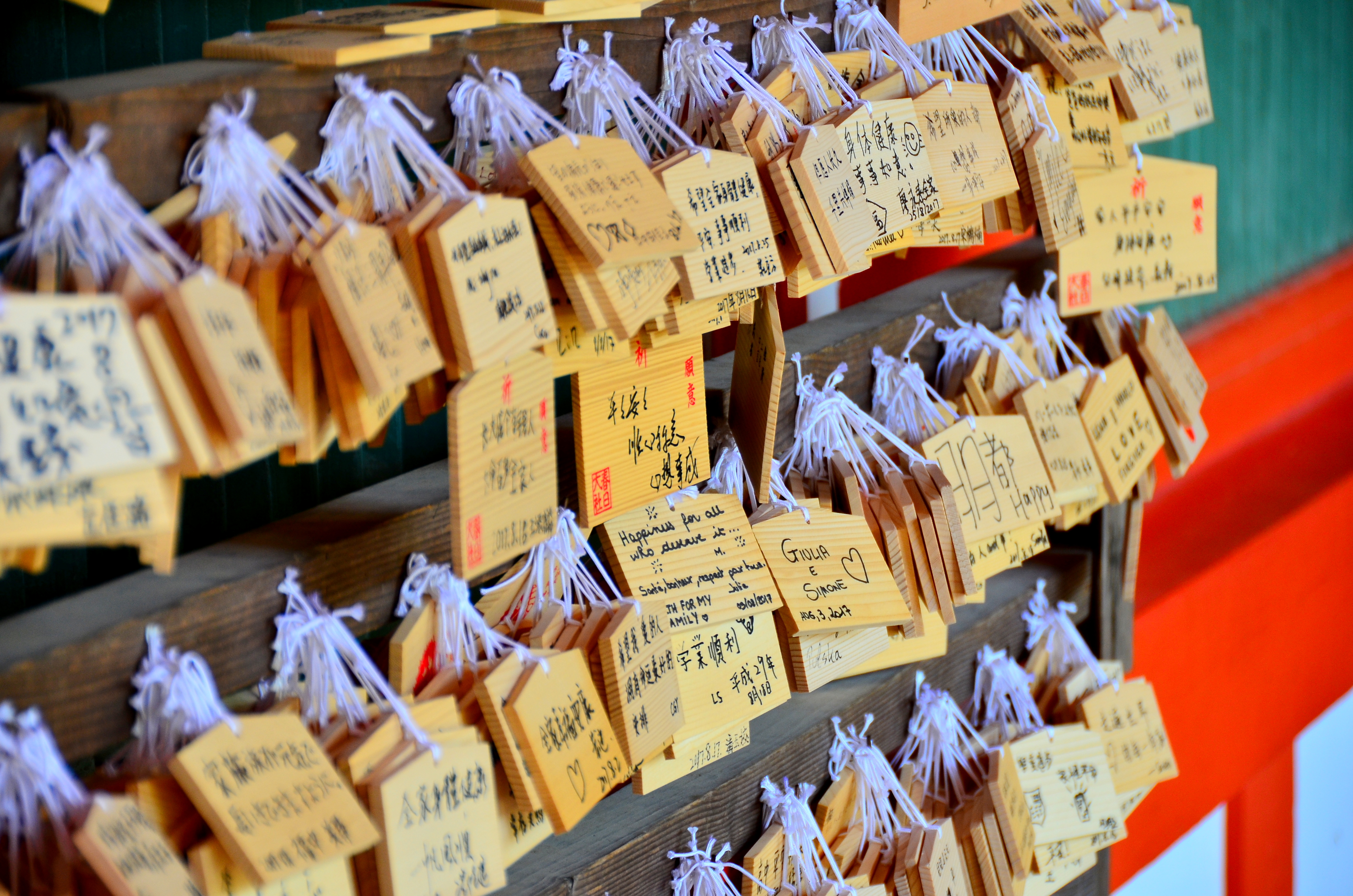
Kasuga Taisha is Nara's most important Shinto shrine, reached through a forest path lined with stone lanterns and known for the roughly 3,000 bronze and stone lanterns that fill its grounds.
- Price
- The forest approach and outer grounds are free. Entering the Main Hall precinct is about yen 700; the Treasure House is a separate yen 500, and the Manyo Botanical Garden is about yen 500 for adults.
- Time needed
- 45 minutes to 1.5 hours, longer if you add the botanical garden or treasure hall.
View practical details
- Best time
- Morning for a quieter walk through the lantern-lined approach; twice-yearly Lantern Festivals in February and mid-August light all the lanterns at night.
- Good for
- Shrine and shrine-architecture fans, photographers, and travelers who enjoy a forest walk between stops.
What to do
- Walk the stone-lantern-lined path through the forest from Nara Park toward the shrine's main gate.
- Look closely at the bronze lanterns hanging under the corridor eaves, most donated by worshippers over centuries.
- Visit during one of the two annual Lantern Festivals (early February and mid-August) if the dates line up, when nearly all lanterns are lit.
- Stop at the Manyo Botanical Garden if flowers and wisteria are in season.
Tickets and fees
Checked in July 2026: no advance booking is generally needed; tickets for the Main Hall precinct and Treasure House are sold on-site. Hours run roughly 6:30am to 5:30pm from March to October and 7:00am to 5:00pm from November to February, but always confirm before visiting since hours can shift.
Getting there
From Kintetsu Nara Station or JR Nara Station, walk through Nara Park past Todai-ji, roughly 30 to 40 minutes total, or take a bus to the Kasuga-Taisha-Honden bus stop and walk the last stretch through the forest.
Nearby
The shrine is a short walk from Todai-ji Temple and sits within Nara Park, where the deer roam right up to the approach path.

Mount Yoshino
Mount Yoshino is Japan's best-known cherry blossom mountain, with around 30,000 trees spread across four elevation zones, and it is a quiet, forested day trip the rest of the year for hikers and temple visitors.
- Price
- Free to walk the mountain paths. The Yoshino ropeway from Senbonguchi Station charges a small one-way or round-trip fare; some temples along the way, such as Kinpusen-ji, charge separate entry fees.
- Time needed
- Half a day for a relaxed walk through the lower and middle areas; a full day if you plan to cover more of the mountain or hike further up.
View practical details
- Best time
- Early to mid-April for cherry blossoms, when the bloom moves gradually uphill through the Shimo, Naka, Kami, and Oku sections over about two weeks. Outside cherry season, spring foliage and autumn colors are the main draw, and the mountain is far less crowded.
- Good for
- Cherry blossom season visitors, hikers, and travelers wanting a quieter mountain and temple walk outside of April.
What to do
- Ride the historic ropeway from Senbonguchi Station up toward the Shimo Senbon (lower) cherry blossom area if visiting in spring.
- Walk the main path past Kinpusen-ji, a large wooden temple hall that is a UNESCO World Heritage component.
- During cherry blossom season, continue toward the Naka Senbon and Kami Senbon areas as elevation and bloom timing change.
- Outside of spring, expect a much quieter mountain town with fewer crowds, good for a slower walk and simple local food stops.
Tickets and fees
Checked in July 2026: no ticket is required to walk the mountain; the ropeway sells tickets on-site but does not run every weekday outside peak cherry blossom season, so check the operator's schedule before planning around it. During peak bloom weekends, expect long lines for the ropeway and consider walking instead.
Getting there
Take the Kintetsu line to Yoshino Station, then either ride the ropeway or walk up toward the temple area; during cherry blossom season, direct limited express trains run from Osaka and Kyoto, and access is slower and more crowded than the rest of the year.
Nearby
Mount Yoshino is a separate day trip from central Nara city; pair it with Nara Park or Todai-ji Temple on a different day rather than the same day, since travel between them takes over an hour each way.
Latest Articles
 Tōdai-ji Temple: Tickets, Hours and the Best Way to Start Your VisitPlan a clearer Tōdai-ji visit: use Nandaimon for the precinct walk, the Great Buddha Hall for the paid…
 Osaka to Nara Day Trip: Kintetsu-Nara or JR Nara?Choose Kintetsu-Nara for an Osaka-Namba start and the east-side sightseeing core, or JR Nara when Osaka Station and…
 Kyoto to Nara Day Trip for First-Time Visitors: Deer, Todai-ji & Kasuga TaishaA practical Kyoto to Nara day trip for first-time visitors, with the easiest transport choice, a simple walking…
 7 Days in Japan Itinerary for First-Time Visitors: Tokyo, Kyoto, Osaka & NaraA practical 7-day Japan itinerary for first-time visitors, covering Tokyo, Kyoto, Osaka, optional Nara, transport planning, where to…
This page may contain affiliate links. We may earn a commission at no extra cost to you.
Read next
Where to stay
- Use Nara Station, Naramachi, Yoshino as practical bases depending on your route.
- Stay near the main station for transport-heavy trips.
- Choose an onsen, coastal, or historic area for a slower overnight stay.
Sample itinerary
- Day 1: Start with the main city, food area, and easiest signature sights.
- Day 2: Visit the top nature, shrine, castle, or cultural area.
- Day 3: Add a day trip, onsen, coast, island, or rural stop if your schedule allows.
Food to try
- Kakinoha-zushi
- Mochi
- Narazuke sake-lees pickles
- Tea sweets
Common questions
Is Nara better as a day trip or an overnight?
Most people visit on a day trip from Kyoto or Osaka, since both JR and Kintetsu run there frequently. The trade-off is crowds, which thin out sharply in the late afternoon.
How do you avoid the crowds in Nara?
Start early or go late. Either gives you a very different Nara from the middle of the day.
Is Mount Yoshino a day trip from Nara city?
Not really. Yoshino is a genuine journey south rather than a park stop, and in cherry blossom season it deserves its own day.
What is Kasuga Taisha known for?
Its lanterns. The shrine was founded in 768 and is lined with thousands of donated stone and bronze lanterns along its approach.
Explore Nearby Japan
Continue planning your route with nearby prefectures, regional guides, and useful trip planning links.
Nearby Prefectures
Same Region Guides
Useful Planning Links
Recommended Planning Guides
Use these practical guides to plan where to stay, move between regions, and shape your itinerary before your Japan trip.
Plan Your Japan Trip
When to go, how long, where, money, and what to sort before you book.
Read planning guideJapan Transport Guide
IC cards, rail passes, the Shinkansen, and getting in from the airport.
Read transport guideHotels & Where to Stay
Compare stay areas and lodging ideas for first-time Japan visitors.
Find stay guides