


Hyogo Travel Guide
Hyogo works well for castle history, Kobe city stays, onsen towns, islands, seafood, and easy side trips from Osaka or Kyoto.
Quick facts
- Best for: Himeji Castle, Kobe, onsen, islands
- Recommended stay: 1 to 3 days
- Best season: Spring, autumn, and winter onsen season
- Main bases: Kobe, Himeji, Kinosaki Onsen
Why visit Hyogo
Hyogo runs from the Pacific side to the Sea of Japan, and its two halves feel unrelated. Himeji Castle is the reason most people come — a National Treasure and, with Horyu-ji, one of the first two sites in Japan inscribed as UNESCO World Cultural Heritage in 1993 — never destroyed and never rebuilt in concrete, and our guide to tickets and timing covers a first visit. Kobe is a compact port city with a distinct international history and an easy waterfront evening. Over the mountains to the north, Kinosaki Onsen is a canal-side hot spring town where guests walk between seven public baths in yukata, and Awaji Island sits in the strait between Kobe and Shikoku.
Getting to Hyogo
Himeji and Kobe are both stops on the Sanyo Shinkansen and are close enough to Osaka and Kyoto to be day trips — Himeji in particular is a common half day on the way west. Kinosaki is the opposite: a limited express north through the mountains, and the point is to stay a night rather than to look at it. If you are heading on toward Hiroshima, Himeji fits neatly into that run rather than costing you a day.
Top Attractions in Hyogo

Himeji Castle
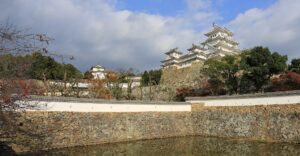
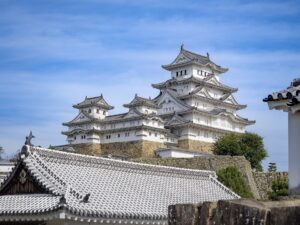
Himeji Castle is one of Japan's original 12 surviving castle keeps and a UNESCO World Heritage Site, prized for its white plastered walls and largely intact Edo-period defensive layout. It is an easy half-day trip from Kobe or Osaka and one of the best-preserved castles in the country.
- Price
- Paid. Adult admission for overseas visitors is yen 2,500; children under 18 enter free. Himeji City residents can qualify for a discounted rate with ID verification.
- Time needed
- 1.5 to 2 hours for the castle keep, longer if you add Kokoen Garden next door.
View practical details
- Best time
- Early morning on weekdays to avoid tour groups, or late March to early April for cherry blossoms around the moat.
- Good for
- History and architecture fans, first-time Kansai visitors, photographers, and day-trippers from Kobe or Osaka.
What to do
- Climb the steep wooden staircases inside the six-story main keep, one of the few original (non-reconstructed) donjons left in Japan.
- Walk the winding defensive approach through gates and baileys that were designed to slow down attackers.
- Visit Kokoen, a set of nine connected Edo-style gardens just west of the castle, on a combined ticket.
- Photograph the castle from Otemae-dori Avenue or Himeji Castle Park for the classic White Heron Castle skyline shot.
Tickets and fees
Checked in July 2026: castle admission for overseas visitors is yen 2,500 following a pricing change introduced in March 2026; a combined ticket with Kokoen Garden is available at a small discount. Interior floors involve narrow, steep stairs, so allow extra time on busy days and check the official site for any seasonal closures before you go.
Getting there
From Himeji Station (a stop on the Tokaido-Sanyo Shinkansen), walk straight north up Otemae-dori Avenue for about 15 to 20 minutes, or take a short loop bus. Himeji is about 40 to 50 minutes from Kobe and roughly 1 hour from Osaka by train.
Nearby
Combine this with a stop in Kobe Harborland on the way back toward Osaka, or extend the trip to Awaji Island if you have a full extra day in Hyogo.

Kobe Harborland
Kobe Harborland is the city's main waterfront shopping and dining district, built around the Umie mall complex with views across the harbor to Kobe Port Tower and the Maritime Museum. It is a relaxed, easy stop for shopping, food, and evening illuminations rather than a single must-see sight.
- Price
- Free to walk around and window shop; individual stores, restaurants, and rides are paid separately.
- Time needed
- 2 to 3 hours, longer if you shop or linger over dinner.
View practical details
- Best time
- Early evening, when the waterfront lights and Kobe Port Tower illumination switch on across the water.
- Good for
- Shoppers, couples, families, and anyone wanting an easy harbor-view dinner in Kobe.
What to do
- Browse the Umie Mosaic, North Mall, and South Mall buildings, which together hold around 200-plus shops and restaurants.
- Walk the Mosaic waterfront promenade for photos of Kobe Port Tower and the Kobe Maritime Museum across the harbor.
- Pick a restaurant with a harbor-facing terrace for dinner, especially after sunset when the port lights up.
- Use the underground DUO KOBE walkway to reach Harborland from Sannomiya or Motomachi without going outside in bad weather.
Tickets and fees
Checked in July 2026: there is no entry fee for Harborland or the Umie shopping area itself; a few individual attractions inside (such as amusement rides) charge separately. Store and restaurant hours vary, so it is worth checking the official Umie site for the shops you specifically want to visit.
Getting there
Take JR to Kobe Station (about 4 minutes from Sannomiya) or the Kobe Municipal Subway Kaigan Line to Harborland Station. From Sannomiya, Motomachi, or Shin-Kobe, you can also walk the whole way via the underground DUO KOBE shopping street, which connects directly to Umie.
Nearby
This pairs well with Himeji Castle earlier in the day, or as a stopover before heading to Awaji Island via the Sannomiya bus terminal.

Kinosaki Onsen
Kinosaki Onsen is a 1,300-year-old hot spring town on Hyogo's San'in coast, built around a willow-lined canal lined with wooden ryokan. The classic experience is walking between its seven public bathhouses in a rented yukata and geta, hopping from one soto-yu to the next over an evening or a full day.
- Price
- Paid per bath, or a day pass (Yumepa) for around yen 1,500 covering all seven; ryokan guests typically get a free pass valid from check-in until 10am on checkout day.
- Time needed
- Half a day for a quick bath-hopping visit; an overnight ryokan stay is the more traditional way to experience it.
View practical details
- Best time
- Evening, when lanterns light the canal and most visitors are out in yukata; winter is popular for snow scenery and matsuba crab season.
- Good for
- Onsen and ryokan lovers, couples, photographers, and anyone wanting a slower, traditional side of Japan away from the big cities.
What to do
- Visit as many of the seven soto-yu public bathhouses as you like, each with its own architecture and atmosphere.
- Rent a yukata and geta from a shop near the station and stroll the canal streets in them, which is very much the local custom here.
- Ride the Kinosaki Ropeway up Mt Daishi for a view over the onsen town and the coastline.
- In winter, try matsuba crab (snow crab) at a local restaurant or as part of a ryokan dinner course.
Tickets and fees
Checked in July 2026: the day-trip Yumepa pass is around yen 1,500 and covers all seven baths for one calendar day; overnight guests at a participating ryokan usually receive a free pass instead. Bathhouses each keep their own hours and some close on a rotating weekly schedule, so check current opening days before planning a bath-hopping route.
Getting there
Take the JR limited express Kounotori from Shin-Osaka or Osaka (about 2.5 hours) or the limited express Kinosaki from Kyoto, direct to JR Kinosaki-Onsen Station. The town itself is compact and walkable from the station.
Nearby
Kinosaki sits on the San'in coast, well north of Hyogo's other main sights, so it works best as its own overnight trip; if you have more time in the prefecture, Himeji Castle and Kobe Harborland are better paired with each other on a separate day.

Awaji Island
Awaji Island is the largest island in the Seto Inland Sea, connected to Kobe by the Akashi Kaikyo Bridge and known for the swirling Naruto whirlpools, flower parks, and fresh seafood. It works well as a day trip from Kobe or Osaka, though a car or bus tour helps since the sights are spread across the island.
- Price
- Varies by attraction; the Naruto whirlpool glass-floor walkway and sightseeing boats are paid separately, and many outdoor spots are free.
- Time needed
- A full day if you want to combine the whirlpools with a flower park or theme park; less if you focus on one area.
View practical details
- Best time
- Check tide tables before visiting, since the Naruto whirlpools are strongest around certain tide times; spring is best for the island's flower parks.
- Good for
- Day-trippers from Kobe or Osaka, nature and scenery lovers, families, and seafood fans.
What to do
- Walk the glass-floor Uzu-no-Michi walkway on the lower deck of the Onaruto Bridge to look straight down at the Naruto whirlpools.
- Take a whirlpool sightseeing boat from the Awaji side for a closer view of the swirling currents at their strongest.
- Visit Awaji Yumebutai's flower park and greenhouse for a quieter, garden-focused stop.
- Try local seafood, especially Awaji beef and onions, at a restaurant near Sumoto or the coast.
Tickets and fees
Checked in July 2026: the Uzu-no-Michi walkway and whirlpool cruises charge separate admission, and the whirlpools themselves are strongest only around specific tide times, so check a tide chart before you go. Public transit on the island is limited, so a rental car or an organized bus tour from Sannomiya makes it much easier to see more than one area in a day.
Getting there
Highway buses run directly from Sannomiya (Kobe) or Osaka across the Akashi Kaikyo Bridge to various stops on Awaji, taking roughly 30 to 60 minutes depending on the destination. A rental car from Kobe is a common option for covering the island's spread-out attractions in one day.
Nearby
Many visitors combine Awaji with a stop in Kobe Harborland on the way to or from the Sannomiya bus terminal, or extend the trip to Himeji Castle if staying in Hyogo for more than one day.
Latest Articles
 Osaka to Himeji Day Trip: Train Time, Fare & Best RouteCompare the best Osaka to Himeji routes by train time and fare, including JR Special Rapid from Osaka…
 Himeji Castle: Tickets, Hours and a First-Time Visit PlanPlan a first visit to Himeji Castle with current admission, opening hours, station access, ticket options, steep-stair cautions…
This page may contain affiliate links. We may earn a commission at no extra cost to you.
Read next
- Tottori Sand Museum: Tickets, Hours and When to Visit the Dunes
- Where to Stay in Kobe: Sannomiya, Harborland or Arima Onsen?
- Osaka Castle Tickets and Hours: Which Station Entrance Fits Your Day?
- Kansai Airport to Osaka or Kyoto: Which Train Should You Take?
- Universal Studios Japan Express Pass: When It Is Worth It
Where to stay
| Area | Notes |
|---|---|
| Kobe | best for restaurants, harbor views, and city hotels. |
| Himeji | convenient for an early castle visit. |
| Kinosaki Onsen | best for a ryokan and public bath overnight. |
Sample itinerary
- Day 1: Himeji Castle and Kobe Harborland.
- Day 2: Kobe food, sake districts, and city viewpoints.
- Day 3: Kinosaki Onsen or Awaji Island for a slower trip.
Food to try
- Kobe beef and local steak restaurants
- Seafood and sake
- Onsen ryokan meals in Kinosaki
Common questions
Can you visit Himeji Castle on the way west?
Yes. It is a Sanyo Shinkansen stop close to Osaka and Kyoto, so it fits neatly into a run toward Hiroshima rather than costing you a day.
Why is Himeji Castle significant?
It is a National Treasure and, with Horyu-ji, one of the first two sites in Japan inscribed as UNESCO World Cultural Heritage in 1993, never destroyed and never rebuilt in concrete.
Is Kinosaki a day trip?
No. It is a limited express north through the mountains, and the point is to stay a night and walk between the seven public baths in yukata.
How do Hyogo's two halves differ?
The prefecture runs from the Pacific side to the Sea of Japan, and the two feel unrelated: Kobe and Himeji on the Shinkansen, Kinosaki over the mountains.
Explore Nearby Japan
Continue planning your route with nearby prefectures, regional guides, and useful trip planning links.
Nearby Prefectures
Same Region Guides
Useful Planning Links
Recommended Planning Guides
Use these practical guides to plan where to stay, move between regions, and shape your itinerary before your Japan trip.
Plan Your Japan Trip
When to go, how long, where, money, and what to sort before you book.
Read planning guideJapan Transport Guide
IC cards, rail passes, the Shinkansen, and getting in from the airport.
Read transport guideHotels & Where to Stay
Compare stay areas and lodging ideas for first-time Japan visitors.
Find stay guides