


Mie Travel Guide
Mie is home to Ise Grand Shrine, coastal seafood, pilgrimage routes, ninja history nearby, family resorts, and Kumano Kodo access.
Quick facts
- Best for: Ise Shrine, seafood, pilgrimage, resorts
- Recommended stay: 1 to 3 days
- Best season: Spring and autumn
- Main bases: Ise, Toba, Kuwana
Why visit Mie
Mie is where Japan’s oldest continuous religious tradition sits beside its most modern theme park, and both are worth the trip. Ise Jingu is the country’s most significant Shinto site, made up of an Inner Shrine and an Outer Shrine among others, and its buildings are rebuilt on adjacent ground in a cycle repeated for centuries. Just outside the Inner Shrine, Okage Yokocho recreates the old pilgrim approach with food stalls and shops. To the south, the Kumano Kodo pilgrimage routes cross the mountains, and on the northern edge Nagashima Resort has one of Japan’s biggest amusement parks.
Getting to Mie
Ise is reached most easily by Kintetsu limited express from Nagoya, Osaka or Kyoto rather than by JR, which is worth knowing before you plan around a rail pass. The two main shrines are several kilometres apart and tradition is to visit the Outer Shrine first, so allow the better part of a day. The Kumano Kodo continues into Wakayama and is a walking trip in its own right rather than a stop. See Getting Around Japan for how private lines like Kintetsu fit alongside JR.
Top Attractions in Mie
Ise Grand Shrine
Plan Ise Jingu as a two-sanctuary visit: begin at Geku (Outer Shrine), then continue to Naiku (Inner Shrine), allowing time for the forest approaches, seasonal visiting hours and the transfer between them.
- Price
- Free to enter; worship at both Geku and Naiku has no general admission ticket.
- Time needed
- Allow at least 30 minutes at Geku and 60 minutes at Naiku, plus the transfer between them.
View practical details
- Best time
- Opening is 05:00 year-round; closing is 19:00 from May to August, 18:00 from January to April and September, and 17:00 from October to December.
- Good for
- First-time visitors to Mie who want a structured Shinto shrine visit, forest walks and a stop in the old town by Naiku.
What to do
- Start at Geku, then continue to Naiku — the Geku-first order is the traditional visiting pattern and makes the route easier to plan from Iseshi Station.
- At Geku, allow about 30 minutes for the representative sights; at Naiku, allow about 60 minutes before adding prayer, breaks or the town streets outside the bridge.
- Cross Uji Bridge at Naiku and use the designated water-purification area before approaching; observe the shrine rules on photography, food, drink and smoking.
- After Naiku, continue on foot to Oharaimachi and Okage Yokocho rather than treating the shrine precinct as an isolated stop.
Tickets and fees
Checked in August 2026: worship at Geku and Naiku is free and needs no general ticket or advance reservation. The precincts open at 05:00; closing is 19:00 in May–August, 18:00 in January–April and September, and 17:00 in October–December (New Year can differ). Optional prayer reception at both Kaguraden is same-day only, 08:00–15:30, with no advance booking.
Getting there
Begin at Geku, about a 5-minute walk from Iseshi Station (JR/Kintetsu). Then take the Geku–Naiku Loop Bus (Route 51 or 55), the CAN Bus, or a taxi to Naiku; the official beginner guide describes the Geku-to-Naiku transfer as about 10 minutes by bus or taxi. Check the operator timetable and Ise traffic information before setting a tight connection.
Nearby
Pair Ise Grand Shrine with a walk through Okage Yokocho right next to Naiku, or extend your trip toward the Kumano Kodo pilgrimage trails further south in Mie.

Okage Yokocho
Okage Yokocho is a compact recreated street from the Edo to early Meiji periods, sitting right beside Ise Grand Shrine's Naiku entrance, with local food stalls, souvenir shops, and traditional wooden buildings.
- Price
- Free to walk around. Individual food and souvenir purchases vary, typically yen 300 to yen 1,500 per item.
- Time needed
- 1 to 2 hours, more if you plan to eat at several food stalls.
View practical details
- Best time
- Late morning to early afternoon on a weekday, before tour groups arrive.
- Good for
- Food lovers, souvenir shopping, families, and pairing with an Ise Grand Shrine visit.
What to do
- Walk the length of Oharaimachi, the older street that Okage Yokocho branches off from, lined with traditional wooden buildings.
- Try Akafuku mochi, a local sweet, at the original shop near the entrance to Okage Yokocho.
- Browse local specialty shops selling Ise tea, pearls, and regional crafts.
- Sample street food such as grilled Ise udon and seafood skewers as you walk.
Tickets and fees
Checked in July 2026: there is no entry fee for Okage Yokocho itself. Shop and restaurant hours vary by season, generally around 9:30 to 17:30 or 18:00, and some close earlier in winter, so check individual shop hours if you have specific stops in mind.
Getting there
From Iseshi Station or Ujiyamada Station, take a local bus or taxi toward Naiku; Okage Yokocho is a short walk from the Naiku bus stop, roughly 5 minutes on foot.
Nearby
Okage Yokocho sits a short walk from Ise Grand Shrine, making it an easy add-on after visiting Naiku. If you have more time in Mie, the theme parks and hot springs at Nagashima Resort make a good contrast.

Kumano Kodo
Kumano Kodo is a network of ancient pilgrimage trails across the Kii Peninsula, registered by UNESCO as part of the Sacred Sites and Pilgrimage Routes in the Kii Mountain Range; its Iseji route crosses Mie and historically linked pilgrims to Ise Grand Shrine.
- Price
- Free to walk. Some sections require transport or lodging costs if attempting a multi-day hike.
- Time needed
- A short stone-paved section can be walked in 1 to 2 hours; full multi-day treks along the Iseji or other routes take several days.
View practical details
- Best time
- Spring (April to May) or autumn (October to November) for milder hiking weather; avoid the height of summer heat and the rainy season for longer walks.
- Good for
- Hikers, history and pilgrimage interest, forest and coastal scenery, and travelers wanting to see rural Mie.
What to do
- Walk a short, accessible stretch of the historic Iseji route's stone-paved paths near Owase or Kumano City.
- Look for old Jizo statues and stone markers along the trail, remnants of centuries of pilgrim traffic.
- Combine a Kumano Kodo walk with a visit to one of the Kumano Sanzan shrines further along the route in neighboring Wakayama.
- Wear proper hiking shoes and bring water, since many trail sections have no shops or vending machines.
Tickets and fees
Checked in July 2026: walking the Kumano Kodo trails is free and does not require a ticket. If planning a multi-day hike, book lodging along the route in advance, since options are limited in some sections.
Getting there
The Iseji route sections in Mie are reached from JR Kisei Line stations such as Owase or Kumano-shi; specific trailheads vary, so check current train and bus access before setting out.
Nearby
The Iseji route of the Kumano Kodo links historically to Ise Grand Shrine, and pilgrims traditionally combined the two. For something less physically demanding, Okage Yokocho offers an easy half-day of food and shopping.

Nagashima Resort
Nagashima Resort is a large leisure complex in northern Mie combining the Nagashima Spa Land amusement park, a water park, hot spring baths, an outlet mall, and the Nabana no Sato flower park, making it an easy full-day trip from Nagoya.
- Price
- Paid. Spa Land admission plus unlimited rides starts around yen 5,800 for adults; admission only is around yen 1,600. Hot spring and Nabana no Sato entry are priced separately.
- Time needed
- Half a day to a full day, depending on how many of the resort's facilities you visit.
View practical details
- Best time
- Weekdays to avoid crowds; winter evenings for the Nabana no Sato illumination if visiting that section.
- Good for
- Families, thrill-ride fans, hot spring relaxation, and a break from temple and shrine sightseeing elsewhere in Mie.
What to do
- Ride the roller coasters at Nagashima Spa Land, including Steel Dragon 2000, one of the longest coasters in Japan.
- Relax at Yuami no Shima, the resort's large hot spring bathing complex with indoor and outdoor baths.
- Browse Mitsui Outlet Park Jazz Dream Nagashima for shopping between rides.
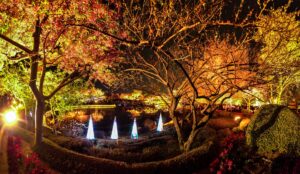
- If visiting in season, walk through Nabana no Sato for seasonal flowers or the winter illumination.
Tickets and fees
Checked in July 2026: ticket prices and combo passes vary by facility and season, and some rides charge separately even with a base admission ticket, so check current pricing before your visit.
Getting there
By bus from Kuwana Station (Kintetsu/JR), the ride to Nagashima Resort takes about 20 minutes. Direct buses also run from Nagoya Station, taking roughly 35 to 50 minutes depending on the stop.
Nearby
Nagashima Resort is a good full-day break from temple and shrine sightseeing elsewhere in Mie, including Ise Grand Shrine and the nearby Okage Yokocho shopping street.
Latest Articles
This page may contain affiliate links. We may earn a commission at no extra cost to you.
Read next
Where to stay
| Area | Notes |
|---|---|
| Ise | best for shrine visits and Okage Yokocho. |
| Toba or Shima | best for seafood and coastal stays. |
| Kuwana | useful for Nagashima Resort. |
Sample itinerary
- Day 1: Ise Grand Shrine and Okage Yokocho.
- Day 2: Toba, Shima, seafood, or coastal viewpoints.
- Day 3: Kumano Kodo route or Nagashima Resort.
Food to try
- Ise udon
- Matsusaka beef
- Ise-ebi lobster and oysters
Common questions
Which line goes to Ise?
Kintetsu limited express from Nagoya, Osaka or Kyoto rather than JR, which is worth knowing before you plan around a rail pass.
In which order should you visit the Ise shrines?
Tradition is to visit the Outer Shrine first. The two main shrines are several kilometres apart, so allow the better part of a day.
What makes Ise Jingu unusual?
Its buildings are rebuilt on adjacent ground in a cycle repeated for centuries.
Is the Kumano Kodo a day trip?
No. The pilgrimage routes are a walking trip in their own right and continue south into Wakayama.
Explore Nearby Japan
Continue planning your route with nearby prefectures, regional guides, and useful trip planning links.
Nearby Prefectures
Same Region Guides
Useful Planning Links
Recommended Planning Guides
Use these practical guides to plan where to stay, move between regions, and shape your itinerary before your Japan trip.
Plan Your Japan Trip
When to go, how long, where, money, and what to sort before you book.
Read planning guideJapan Transport Guide
IC cards, rail passes, the Shinkansen, and getting in from the airport.
Read transport guideHotels & Where to Stay
Compare stay areas and lodging ideas for first-time Japan visitors.
Find stay guides