
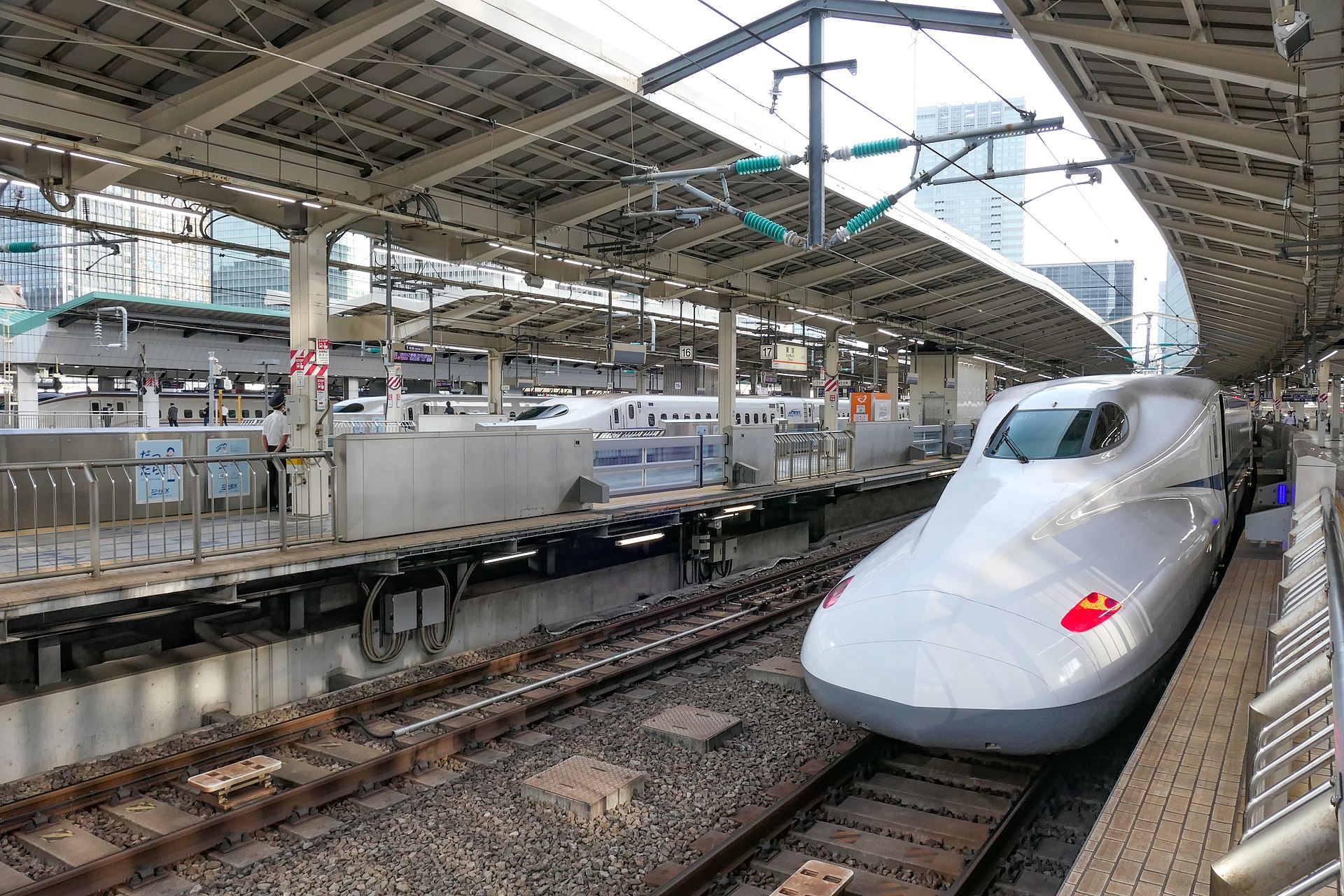
The best Tokyo-to-Kyoto Shinkansen booking is not simply the fastest train on the board. It is the train that starts at the station you can reach easily, has the seat and luggage space you actually need, and leaves you able to make the final Kyoto transfer without turning arrival day into a station-navigation test.
For most first-time visitors, the decisions come in this order: choose Tokyo Station or Shinagawa from your real starting point; check the live Tokaido Shinkansen timetable; reserve the right seat if your bag qualifies as oversized; then decide which Kyoto Station exit matches the hotel, bus, subway or taxi you need. The operator rules and service pattern were checked on 2026-08-14, but use the live official tools again for your travel date.
| If this is your situation | Start with this choice | Why it helps | Do not assume |
|---|---|---|---|
| You are staying east or north of central Tokyo | Compare Tokyo Station first | It is the natural Tokaido Shinkansen departure point when the hotel or local train already brings you there. | That every Tokyo hotel is closer to Tokyo Station than Shinagawa. |
| You are staying south or west of central Tokyo, or near a direct local connection | Compare Shinagawa as well | A simpler local transfer can be worth more than starting from the largest terminal. | That changing to Tokyo Station automatically saves time with bags. |
| You have a large suitcase | Measure it and reserve before choosing any ordinary seat | SMART EX identifies a specific oversized-baggage seat arrangement for bags whose total dimensions meet the rule. | That an available train seat means the baggage-area seat is also available. |
| You need a Kyoto taxi, Hachijo-side hotel or a specific onward connection | Plan the Kyoto exit before boarding | The Central and Hachijo sides lead to different parts of a very large station complex. | That any exit leaves you equally close to the hotel or next transport. |
Choose the Tokyo departure station from the first transfer
Tokyo Station is the obvious starting point on a map, but it is not automatically the best one from every neighbourhood. If your hotel, local rail line or airport arrival puts you naturally at Tokyo Station, it can be the calmest place to begin because you can settle the local transfer before entering the Shinkansen area. If you are staying toward Shinagawa or already have a straightforward connection there, compare Shinagawa rather than adding a cross-city move just to start at Tokyo Station.
The practical rule is simple: choose the departure that removes one difficult transfer with a suitcase. Do not optimise only for a few timetable minutes. Use JR Central’s current timetable page for the date, then allow time to find the Shinkansen gates, buy food or water, and reach the correct platform. During major peak periods, JR Central notes that all Nozomi seats on the Tokaido and Sanyo Shinkansen are reserved, so a casual walk-up plan can be less flexible than it looks.
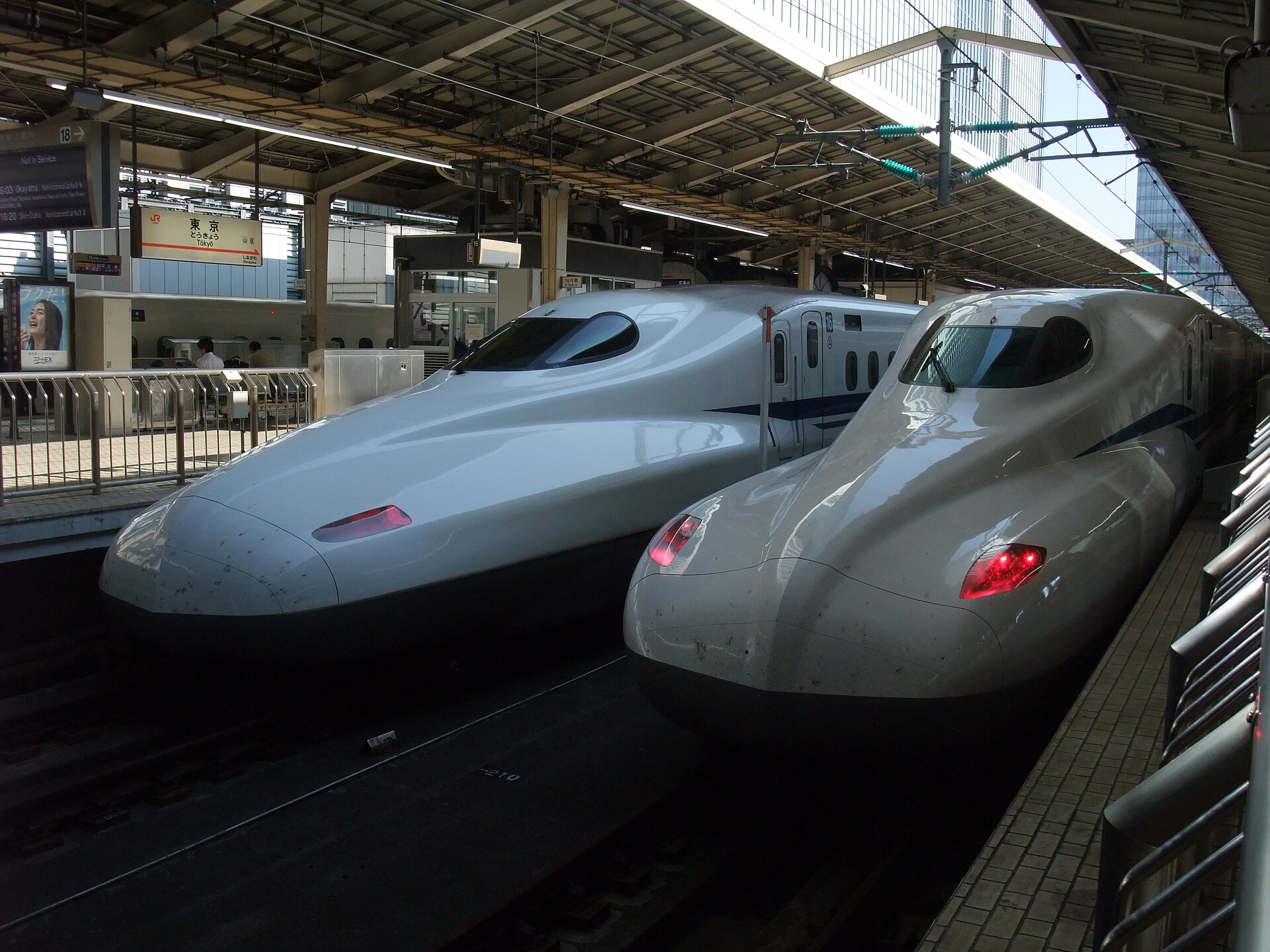
Pick the train around your booking conditions, not a generic ranking
For a straightforward Tokyo-to-Kyoto trip, begin with the official timetable and the reservation options available for your exact date. A fast service is useful when the departure and seat work for you, but it is not a reason to buy first and solve luggage or Kyoto arrival afterward. A slightly different departure can be the better choice when it gives your group adjacent seats, lets you reserve the correct baggage arrangement, or leaves enough time for a real hotel check-in.
SMART EX’s reservation guide lets travellers check trains and select applicable facilities as part of the booking flow. Keep your confirmation and boarding method ready before reaching the gate, and check the current fare and change conditions in the official service rather than relying on a screenshot or an old blog price. If you hold a rail pass, use the current operator guidance to check what train and supplement rules apply to your own pass; do not assume that a general pass mention answers the Nozomi question.
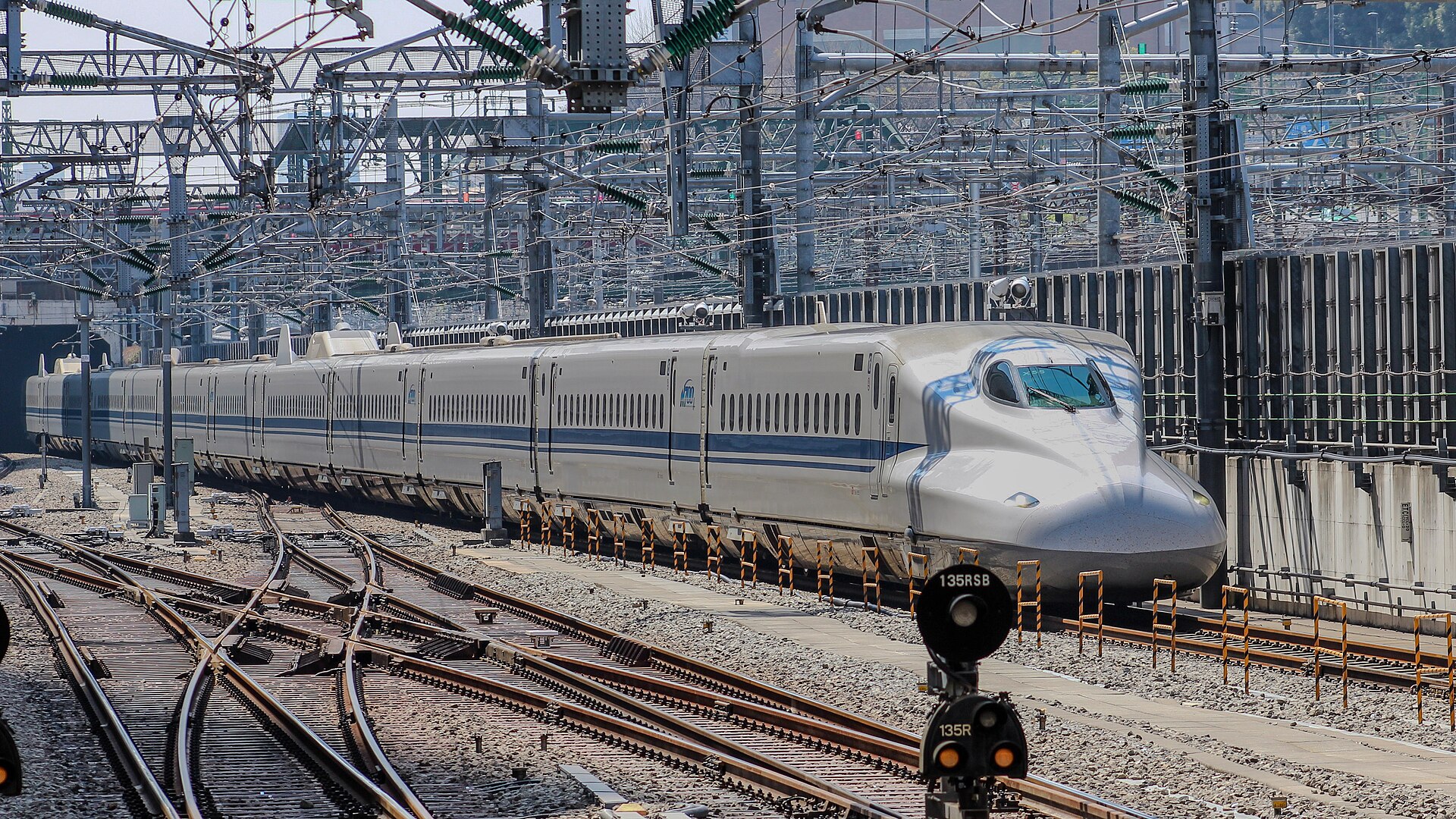
Large luggage is a seat choice, not an afterthought
Measure a big case before booking. The official SMART EX baggage guidance says that luggage with total dimensions of 160 cm or more and 250 cm or less requires a reservation for a seat with an oversized baggage area on the relevant route. It also warns that ordinary seat availability does not prove that this special seat type is still available. That is exactly why the luggage check belongs before, not after, the train choice.
If you are travelling as a family or group, do not split the task into one person choosing ordinary seats while another later looks for luggage space. Put the exact bag need into the first reservation search. For smaller cases, still choose a train that gives you a comfortable boarding buffer; lifting bags, finding the car and keeping a group together takes longer than a bare timetable transfer suggests.
Plan the Kyoto exit before the train arrives
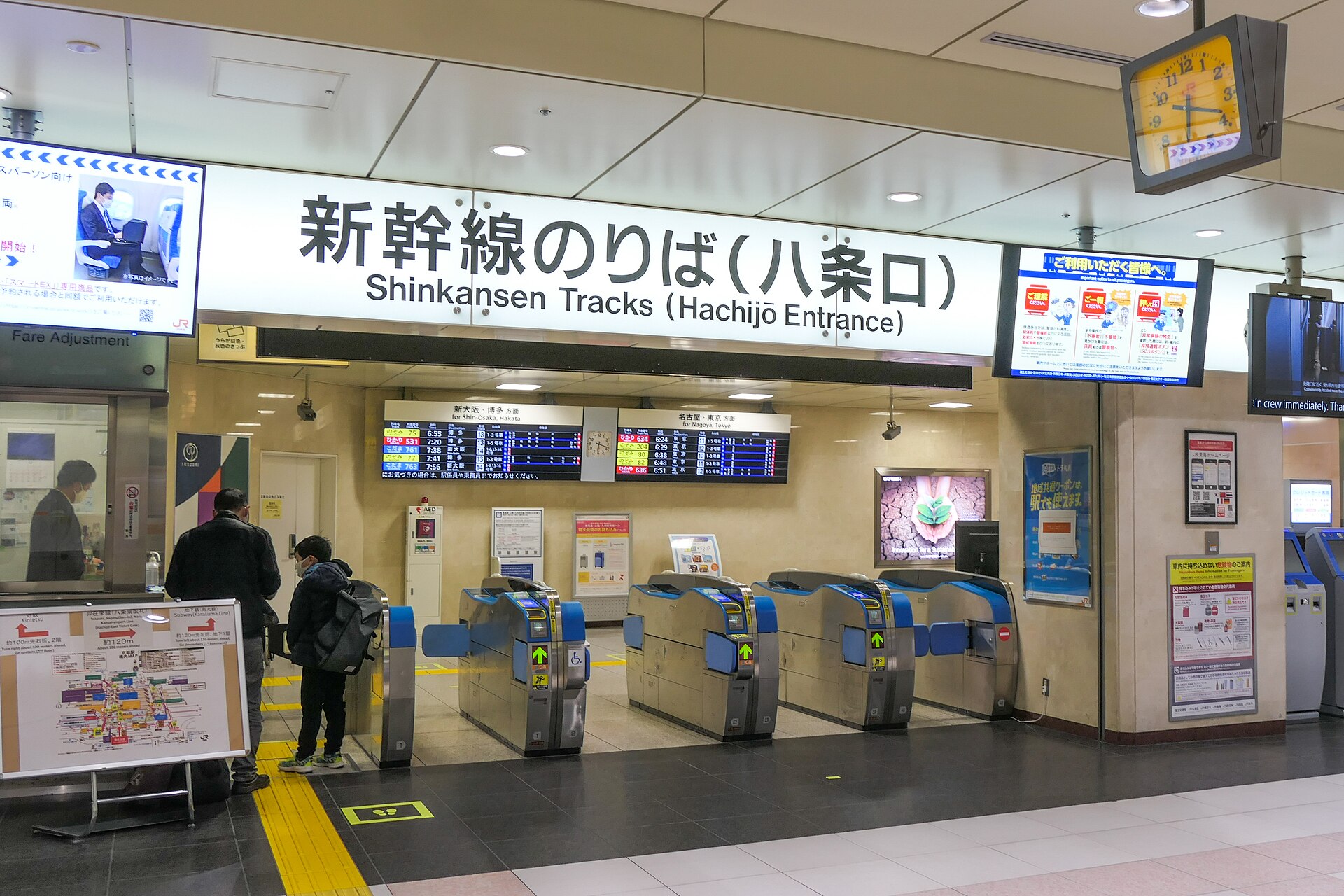
Kyoto Station is a destination and a transfer complex at the same time. Kyoto Travel’s station guide distinguishes the Central Exit on the north side from the Hachijo Exit on the south side, and notes taxi boarding points on both sides. That does not make one exit universally better: the useful exit depends on the hotel, bus, subway line or taxi pickup you actually need.
If your first night is near the station’s south side or your hotel has given Hachijo-side instructions, make that the arrival plan before you board. If you need a different city-side connection, confirm it in the hotel message or official route finder. The key is to avoid standing in a busy concourse with luggage while deciding where the final leg begins. Keep the Kyoto travel guide handy for the wider stay, and the Tokyo travel guide for the departure-side plan.
A five-minute booking checklist
- Start from the actual Tokyo neighbourhood: compare Tokyo Station and Shinagawa only after checking the local transfer.
- Use the current official timetable: choose a train with a realistic platform and boarding buffer.
- Measure large baggage: reserve the designated oversized-baggage seat type when the published threshold applies.
- Check the travel date: peak-period seat rules and availability can change the sensible booking choice.
- Name the Kyoto exit and final leg: know whether the hotel, taxi or onward transport is better served from the Central or Hachijo side.
In short: a good Tokyo-to-Kyoto Shinkansen plan is a joined-up reservation. Select the departure station that simplifies Tokyo, book the seat and luggage arrangement that fits your group, and arrive with a Kyoto exit already chosen. For the route through central Japan, the Shizuoka travel guide is a useful next stop when you are turning the direct ride into a wider itinerary.
Sources checked: SMART EX baggage guidance, SMART EX reservation guide, JR Central’s Shinkansen timetable, and Kyoto Travel’s Kyoto Station transfer guide. Checked 2026-08-14.