Japan’s transport system is easier when you separate three jobs: local travel inside a city, long-distance travel between cities, and airport or luggage transfers. An IC card handles many local trips. A separate ticket or reservation handles the Shinkansen. Your phone handles route changes and platform details.
This guide gives first-time visitors a working system rather than a list of every pass. For a route that puts the pieces together, use the 7 Days in Japan itinerary. For broader options, continue to the Getting Around Japan hub.
The simple transport setup
- Local trains, subways, and many buses: Use a compatible prepaid IC card and tap at the gate.
- Shinkansen and limited express trains: Buy the required ticket and reserve a seat when useful.
- Airport transfer: Choose one direct rail or bus route before landing.
- Rural areas: Check service frequency and the final return before leaving the city.
- Large luggage: Reserve the correct space or send the bag ahead.
Do not buy a nationwide pass by reflex. Compare the price of the actual long-distance trips in your itinerary with the current official JAPAN RAIL PASS price, eligibility, and coverage. A pass is valuable only when its covered rides match your route and dates.
If your itinerary has several long-distance JR journeys and the current coverage works for your dates, compare the Whole Japan Rail Pass details before deciding. For one short corridor, ordinary tickets may still be the better fit.
IC cards: the easiest tool for local travel
Cards such as Suica, PASMO, ICOCA, and other regional IC cards are accepted across many compatible train, subway, and bus systems. They also work at many convenience stores, vending machines, and other small-payment locations. Tap in and out where required, and keep enough balance for the trip.
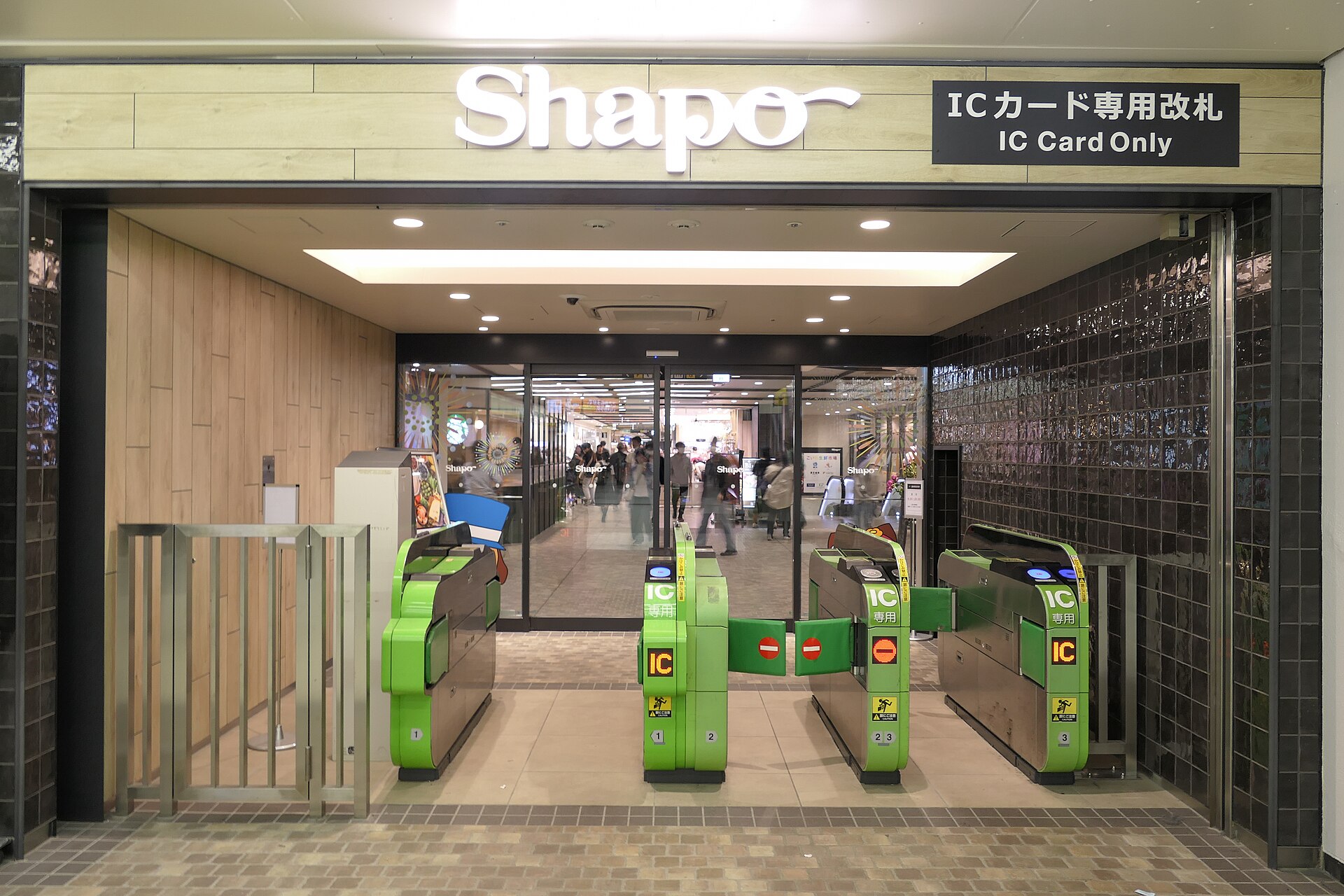
IC cards do not make every journey one continuous fare. Interoperable cards work across many compatible systems, but they cannot be used as one continuous local fare between every region. They also do not replace a Shinkansen or limited-express reservation when a separate ticket is required.
As of 2026-07-13, visitor IC-card products, validity periods, sales locations, mobile compatibility, deposits, and refund rules vary. Follow the current operator links on JNTO’s official IC-card page and check the official site before visiting a sales location.
Shinkansen: reserve the route, not just the train name
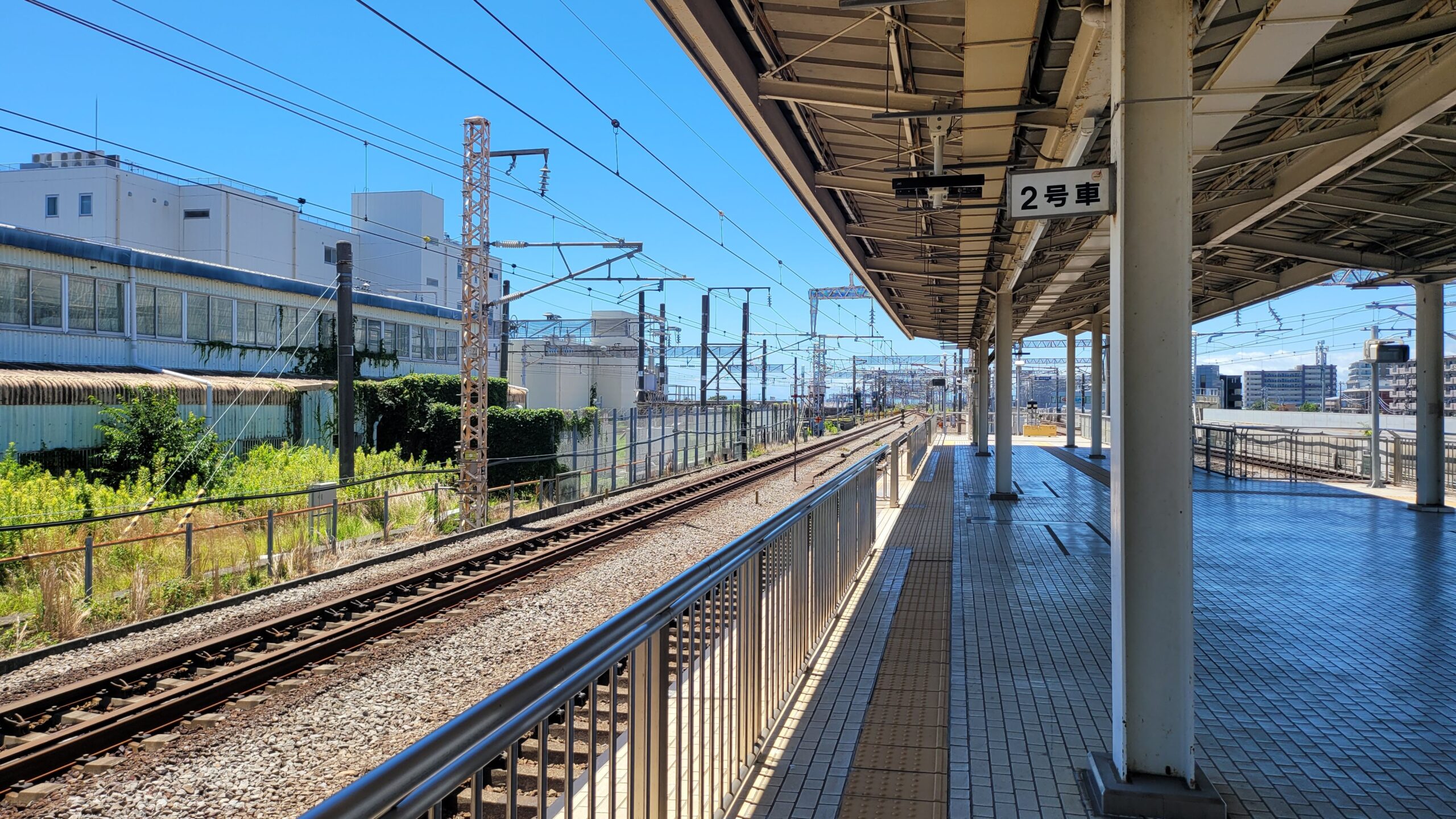
The Shinkansen network is divided among JR companies and train types. For the first-time Golden Route, the most common corridor is the Tokaido Shinkansen between Tokyo, Nagoya, Kyoto, and Shin-Osaka. The Sanyo and Kyushu lines continue toward Hiroshima, Hakata, and Kagoshima.
- Confirm the correct departure station: Tokyo and Shinagawa both serve the Tokaido Shinkansen; Osaka’s Shinkansen station is Shin-Osaka.
- Check whether your fare is reserved or non-reserved and keep all required ticket information.
- During holidays and peak periods, reserve earlier and confirm the operator’s current notices.
- Allow time to find the Shinkansen gates inside large stations.
smartEX covers online reservations for the Tokaido, Sanyo, and Kyushu Shinkansen. The official service combines the basic fare and limited-express ticket and supports QR tickets or a registered IC card for boarding. Other regions use different JR reservation services, so start from the operator serving your route.
Airport transfers: choose before you land
Airport rail, limousine buses, and taxis solve different problems. Rail is usually predictable, buses can be easier with luggage when they stop near the hotel, and taxis are useful for groups or late arrivals but cost more. Save the exact terminal, operator, final departure, and hotel stop before the flight.
- Tokyo: The best choice changes between Narita and Haneda and by hotel district.
- Kansai: Confirm whether the destination is Osaka, Kyoto, Kobe, or another city before buying a ticket.
- Regional airports: Bus frequency may be lower, so check the timetable rather than assuming a city-style service.
Luggage can change the best route
Stations involve stairs, long corridors, and crowded platforms. Pack so that you can control the bag without blocking other passengers. Coin lockers help for day stops, while hotel-to-hotel forwarding can make a multi-city trip substantially easier.
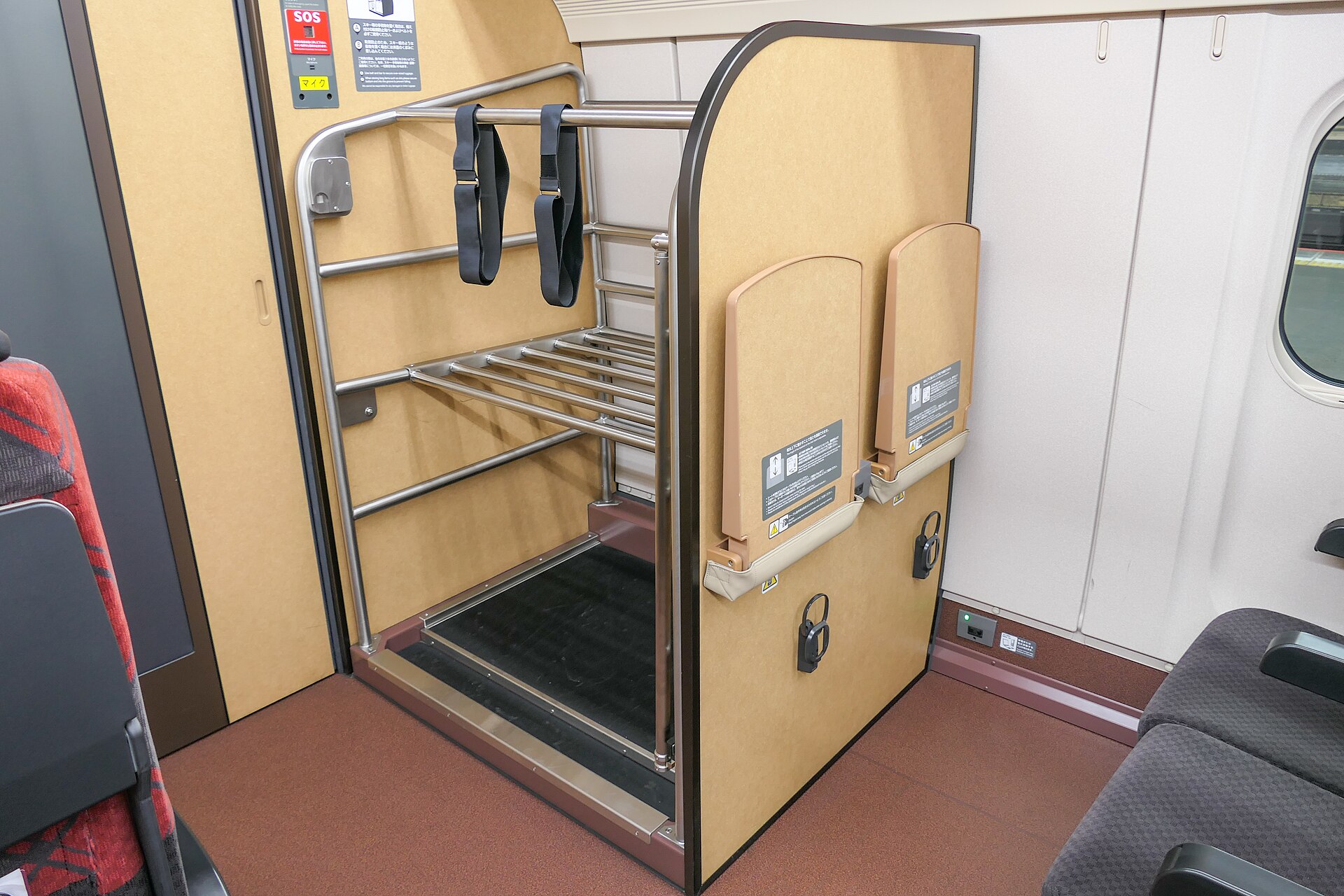
On the Tokaido, Sanyo, Kyushu, and Nishi-Kyushu Shinkansen, JR Central states that baggage with total dimensions over 160 cm and up to 250 cm requires a seat with an oversized baggage area. Bringing qualifying oversized baggage without a reservation can result in a ¥1,000 baggage fee and storage directed by staff. These rules are time-sensitive; check the official page before travel.
When a rental car makes sense
Trains are usually easier for Tokyo, Kyoto, Osaka, and the main intercity corridor. A rental car becomes useful for rural coastlines, mountain areas, and itineraries where several low-frequency bus connections would consume the day. Confirm license requirements, parking, tolls, winter equipment, and the one-way return policy before booking.
Do not collect a car in central Tokyo simply because part of the trip is rural. Take the train to the regional gateway, then begin the drive where it becomes useful.
Mobile data is the support layer
Live route results help with platform numbers, station exits, delays, and the last connection. Download the operator apps you need and keep the hotel address offline. If your phone is compatible, compare a Japan eSIM through Airalo after checking coverage, data allowance, and activation timing.
Common mistakes to avoid
- Buying a rail pass before pricing the actual route.
- Assuming an IC card covers every intercity journey.
- Searching for “Osaka Station” when the Shinkansen uses Shin-Osaka.
- Ignoring the last rural bus or train.
- Taking oversized luggage without checking reservation rules.
- Planning a tight arrival-day connection after an international flight.
Sources checked: JNTO Transportation in Japan, JNTO IC Travel Cards, JNTO Shinkansen guide, smartEX Service, and JR Central luggage information. Checked 2026-07-13; check the relevant operator before travel.