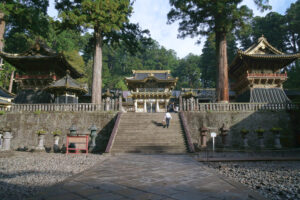
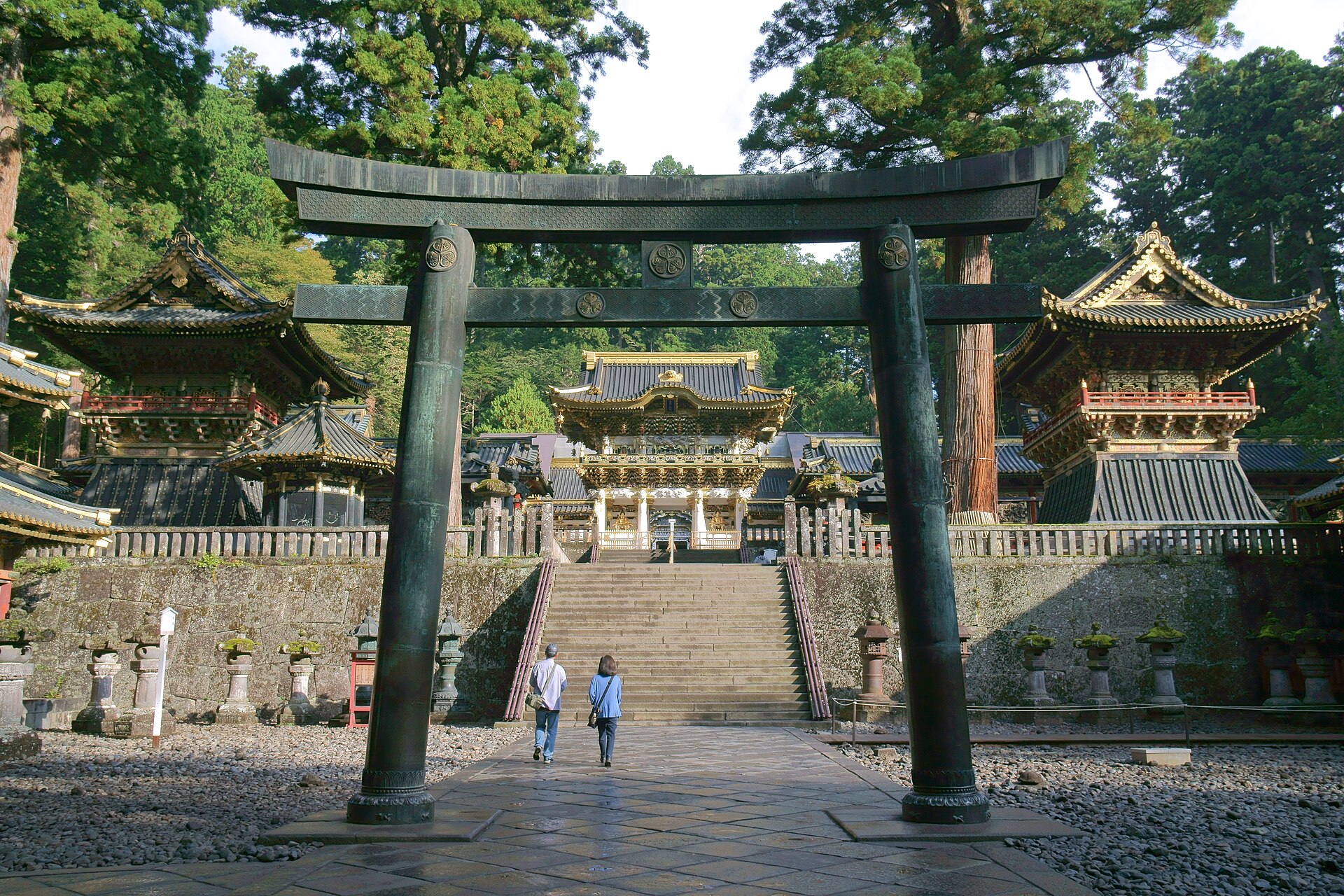
A Tokyo to Nikko day trip works best when you treat it as a focused World Heritage day, not a race to every lake, waterfall and shrine. The reliable first-time plan is simple: take an early Tobu train, explore the central shrines and temples around Toshogu, then leave enough margin for the return journey. This guide is for that version of Nikko.
For broader regional ideas, see the Tochigi travel guide, and use the Tokyo travel guide to fit the day into a longer stay. Fares, hours and ticket rules below were checked as of 2026-07-18; check the official sites before visiting because transport and visitor arrangements can change.
The short answer: take an early direct train and stay in the central area
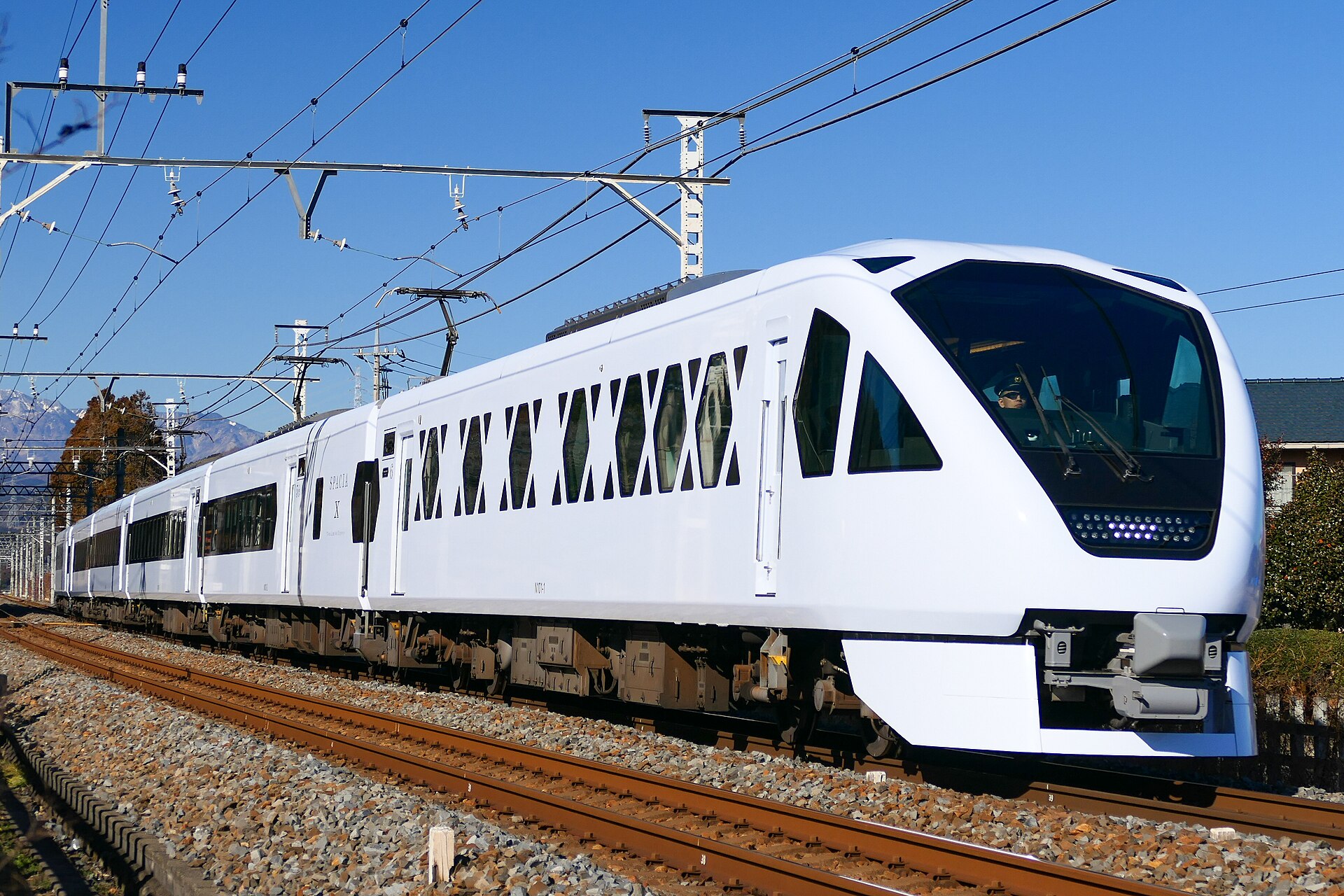
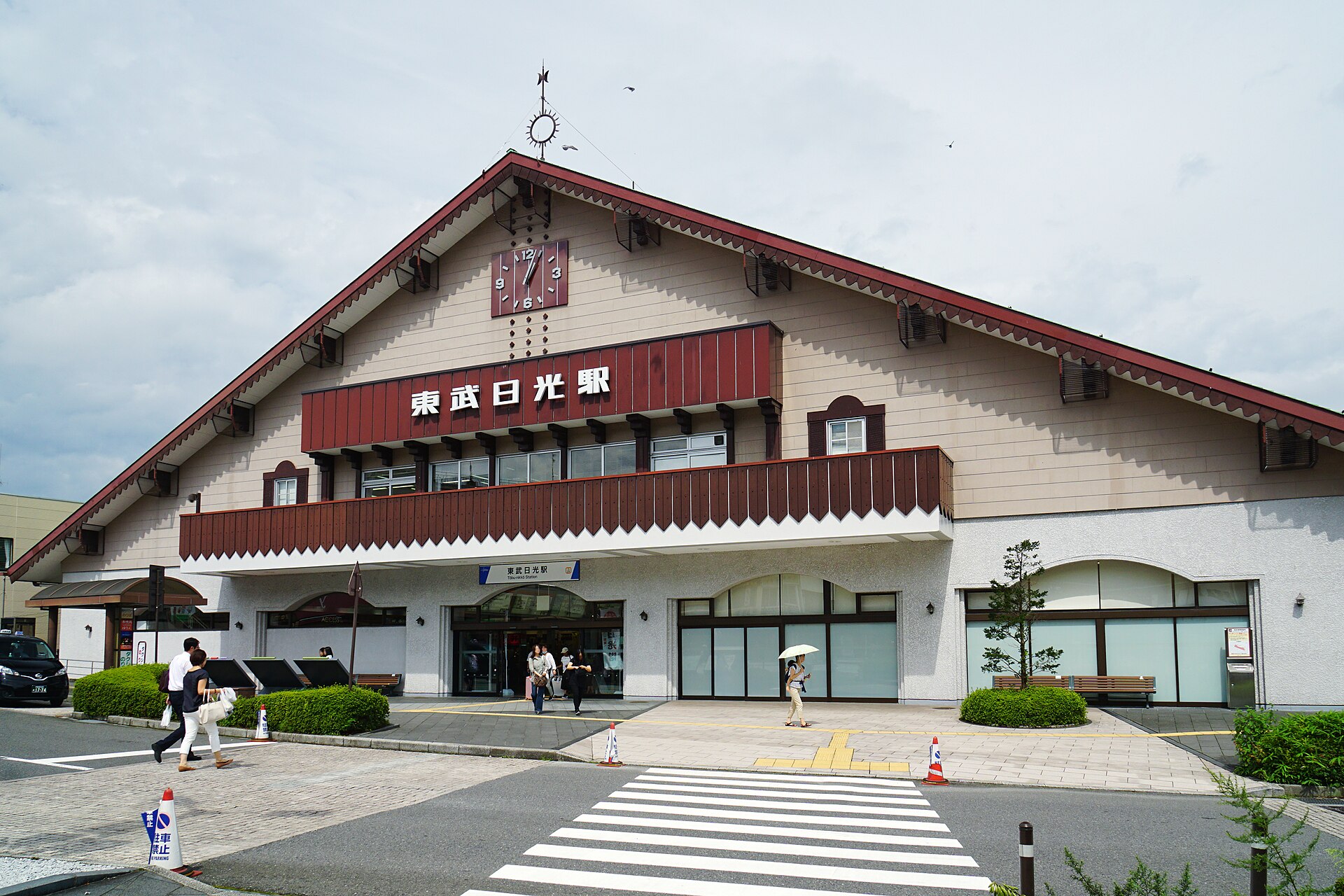
- Best start for most visitors: Tobu Asakusa to Tobu-Nikko on a direct limited express; Tobu lists the trip at about 1 hour 50 minutes.
- From western Tokyo: some direct JR-connected limited expresses run from Shinjuku and Ikebukuro; Tobu lists roughly two hours, but check the operating day and timetable.
- Best day-trip scope: Toshogu, Rinnoji, Futarasan and the Shinkyo area. Lake Chuzenji and Kegon Falls deserve a separate, longer plan unless you have an unusually early start and accept less time at the shrines.
- Return rule: choose and reserve your return train before leaving Tokyo, then aim to be back at Tobu-Nikko Station with a buffer rather than making the last bus or train the centre of the day.
Pick the right Tobu ticket combination
The part that catches first-time visitors is that a limited express needs two things: a base fare ticket (or a qualifying NIKKO PASS) and a separate reserved-seat limited-express ticket. A Japan Rail Pass alone does not cover Tobu Railway travel. Buy the reserved seat before boarding; Tobu says online limited-express sales open from 09:00 one month before travel, while same-day purchases must be made at least three minutes before departure.
For an international visitor concentrating on the central World Heritage area, the NIKKO PASS world heritage area is worth comparing with separate tickets. As of 2026-07-18, it costs ¥3,000 for an adult, is valid for two consecutive days, and includes one return journey between Asakusa and Shimo-imaichi plus the designated local railway and World Heritage-area bus travel. It does not include a limited-express ticket or shrine admission. It is not automatically the cheapest choice for every schedule, but it is the simplest option when you will use local buses as well as the return train.
If you buy online, read the collection instructions before travel: Tobu notes that voucher and reserved-ticket exchanges are handled at the TOBU Tourist Information Center ASAKUSA, not ordinary stations. Keep the confirmation on your phone, and check the official timetable again the day before you travel.
A first-time Nikko route that fits one day
- Early morning: arrive at Tobu-Nikko, sort out any bus or ticket questions, and head toward the Shinkyo / World Heritage core rather than trying to reach Oku-Nikko first.
- Late morning: make Nikko Toshogu the anchor. Its official visitor page lists individual adult entry at ¥1,600; check the current seasonal opening and last-entry time before setting out.
- Early afternoon: continue at a calmer pace through the nearby Rinnoji and Futarasan area, then take a lunch break before deciding whether you have time for one more central stop.
- Mid-afternoon: start moving back toward Tobu-Nikko. This is the buffer that protects your booked return train when buses are busy, rain slows walking, or you want longer at the shrines.
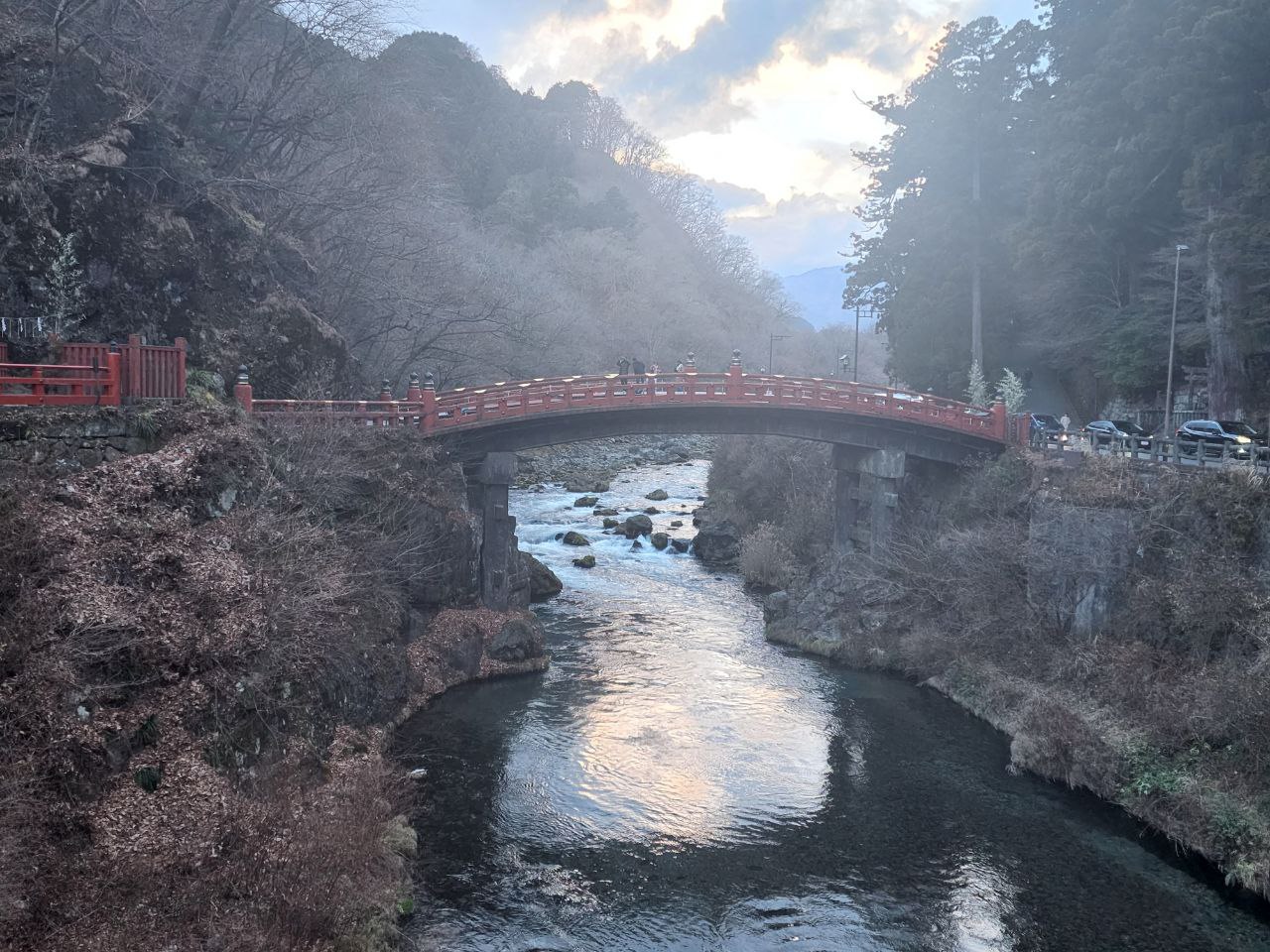
This order is deliberate. Nikko Toshogu is the day’s highest-priority stop, so put it before lunch and before any optional side trip. The central cluster is close enough to reward slow walking and looking up, while the mountainside sights add more bus time and more ways for a return plan to become stressful.
How much time to allow at Toshogu
Allow at least 90 minutes for Toshogu if it is your first visit, and closer to two hours if you want to look carefully at the carvings, Yomeimon, the Three Wise Monkeys and the inner-shrine route. The grounds are not a single quick viewpoint, and the route includes slopes and stairs. Keep the official ticket page open on your phone: the listed hours change by season, and festival or weather arrangements can affect the day.
Advance purchase can reduce one uncertainty, but it does not replace a sensible schedule. Start with the shrine, avoid placing an inflexible lunch reservation immediately afterward, and leave your late-afternoon time for the station rather than adding Lake Chuzenji only because it looks close on a map.
Return timing and practical backups
Book a return limited express that gives you a real station buffer, then treat an earlier train as a bonus rather than a promise. If the central area is crowded or the weather is poor, skip the distant detour and finish the shrines properly. If your chosen direct train is not practical, Tobu’s access page also shows the Shimo-imaichi connection option; use the live timetable instead of assuming every train runs through to Tobu-Nikko.
Mobile data makes this day much easier for platform changes, ticket confirmations and updated bus information. If you prefer a guided option or want to compare bookable activities before you go, keep it secondary to the rail plan.
Sources checked: Tobu Railway access guidance, NIKKO PASS world heritage area, Tobu limited-express ticket guidance, Nikko Toshogu official visitor information, and Nikko Official Guide. Checked 2026-07-18.