


Yamanashi Travel Guide
Yamanashi is one of the best regions for Mt Fuji views, lake scenery, wineries, fruit farms, hot springs, and easy nature trips from Tokyo.
Quick facts
- Best for: Mt Fuji views, lakes, wine, fruit, onsen
- Recommended stay: 1 to 3 days
- Best season: Spring, autumn, and clear winter days
- Main bases: Kawaguchiko, Kofu, Yamanakako
Why visit Yamanashi
Yamanashi is where most people actually see Mount Fuji, because the mountain sits on its southern border and the lakes below it give you the view. The Fuji Five Lakes are the classic vantage point, and Kawaguchiko among them is the easiest base. Away from the mountain the prefecture is quieter and greener: Shosenkyo Gorge above Kofu is a walking valley of rock walls and waterfalls, Erin-ji is a Zen temple with a designated garden, and the Katsunuma wineries sit in Japan’s main wine-growing area, where the native Koshu grape is grown.
Getting to Yamanashi
Kawaguchiko is reached from Tokyo by direct highway bus or by train via Otsuki, and either way it is a realistic day trip — though Fuji hides behind cloud often enough that staying a night doubles your chances of a clear morning. Climbing the mountain is a separate proposition from viewing it: the official season is short and the trails open only in summer, with the Yoshida trail on the Yamanashi side opening at the start of July. The official climbing site, fujisan-climb.jp, publishes each year’s opening dates and entry rules. Most visitors come for the view, the lakes and the surrounding onsen rather than the summit.
Top Attractions in Yamanashi
Fuji Five Lakes
The Fuji Five Lakes region in Yamanashi Prefecture is the classic base for Mt Fuji views, with five lakes — Kawaguchiko, Yamanakako, Saiko, Shojiko, and Motosuko — offering lakeside walks, ropeways, and reflection shots of the mountain on clear days.
- Price
- Lakeshore areas are free to visit. Paid extras vary, for example the Kawaguchiko Ropeway is roughly yen 900 to 1,000 round trip.
- Time needed
- Half a day for one lake, or 1 to 2 days to see several.
View practical details
- Best time
- Clear mornings, spring for cherry blossoms, or autumn for foliage, all for the best Mt Fuji views.
- Good for
- Mt Fuji views, first-time visitors, couples, families, and photographers.
What to do
- Walk or cycle around Lake Kawaguchiko for classic Mt Fuji reflection views, especially near the Oishi Park lakeshore.
- Ride the Kawaguchiko Ropeway up to Mt Kachi Kachi for a panoramic view of the lake and Fuji together.
- Visit Lake Yamanakako, the largest of the five lakes and the closest to Fuji, for swan boats and lakeside cafes.
- Explore Saiko Iyashi no Sato Nenba, a reconstructed thatched-roof village near Lake Saiko.
Tickets and fees
Checked in July 2026: most lakeshore areas and viewpoints are free to enter; paid extras like the Kawaguchiko Ropeway or museum admissions vary by operator and season. Confirm current prices on-site or via official pages before visiting.
Getting there
The main gateway is Kawaguchiko Station, reached by direct highway bus from Tokyo (Shinjuku) in about 2 hours, or by JR Chuo Line to Otsuki Station then the Fujikyuko Line. A local Retro Bus loops around Lake Kawaguchiko's main sights.
Nearby
If you extend the trip further into Yamanashi Prefecture, Katsunuma Wineries and Shosenkyo Gorge near Kofu make good additions, though both are roughly 1 to 1.5 hours from the lakes by car or train.

Shosenkyo Gorge
Shosenkyo Gorge is a granite ravine north of Kofu in Yamanashi Prefecture, designated a national Special Place of Scenic Beauty, with a walkable riverside trail, striking rock formations, and a ropeway up to panoramic Mt Fuji views.
- Price
- The gorge trail is free to walk. The Shosenkyo Ropeway is a separate paid round trip.
- Time needed
- 2 to 3 hours for the main trail; add more if riding the ropeway.
View practical details
- Best time
- Late October to late November for autumn colors, or spring for fresh greenery.
- Good for
- Nature walks, light hiking, waterfalls, photographers, and day trips from Kofu or Tokyo.
What to do
- Walk the roughly 5km riverside trail from Nagatoro Bridge to Sengataki Waterfall, passing oddly shaped granite rocks.
- Look for Kakuenbo, the tall granite pillar that is the gorge's best-known landmark.
- Ride the Shosenkyo Ropeway to Panorama-dai for views over the gorge toward Mt Fuji and the Southern Alps.
- Browse local crystal and gemstone crafts, a Shosenkyo specialty, and try hoto noodles at a riverside shop.
Tickets and fees
Checked in July 2026: the gorge trail itself is free to walk. The Shosenkyo Ropeway charges a separate round-trip fare, and bus fares from Kofu Station vary by stop, roughly yen 710 to 1,090 one way. Confirm current bus timetables and ropeway prices before visiting, especially on peak autumn weekends.
Getting there
From Kofu Station, take a bus bound for Shosenkyo, about 30 to 50 minutes depending on the stop, or drive in around 30 minutes. Kofu itself is about 90 minutes from Shinjuku Station via the JR Chuo Line limited express.
Nearby
Shosenkyo pairs well with other stops around Kofu, including Katsunuma Wineries and Erin-ji Temple, both within a reasonable drive.

Erin-ji Temple
Erin-ji is a Rinzai Zen temple in Koshu, Yamanashi, best known as the clan temple and burial site of the samurai warlord Takeda Shingen, with a historic pond garden behind the main hall designed by the medieval garden master Muso Soseki.
- Price
- Paid. Admission to the temple grounds and garden is typically a small fee of a few hundred yen.
- Time needed
- 45 minutes to 1.5 hours.
View practical details
- Best time
- Spring for fresh greenery or autumn for garden foliage.
- Good for
- History fans, Takeda Shingen followers, Japanese garden lovers, and quiet temple visits.
What to do
- See Takeda Shingen's grave and learn about the temple's long connection to the Takeda clan.
- Walk through the pond garden designed by Muso Soseki, considered a forerunner to his later gardens at Saiho-ji and Tenryu-ji in Kyoto.
- Listen for the nightingale floor in the temple's wooden corridors.
- Visit the main gate and grounds, set against a forested mountain backdrop.
Tickets and fees
Checked in July 2026: entry to the temple grounds and garden requires a small admission fee, typically in the low hundreds of yen. Hours and fees can change seasonally, so check ahead if visiting outside standard daytime hours.
Getting there
Erin-ji is in Koshu City, about 15 to 20 minutes by taxi or car from Enzan Station or Katsunuma-budokyo Station on the JR Chuo Line, roughly 90 minutes to 2 hours from Shinjuku by limited express plus a local connection.
Nearby
Erin-ji sits close to Katsunuma Wineries, making it easy to combine a temple visit with wine tasting, and Shosenkyo Gorge is a further drive toward Kofu.
Katsunuma Wineries
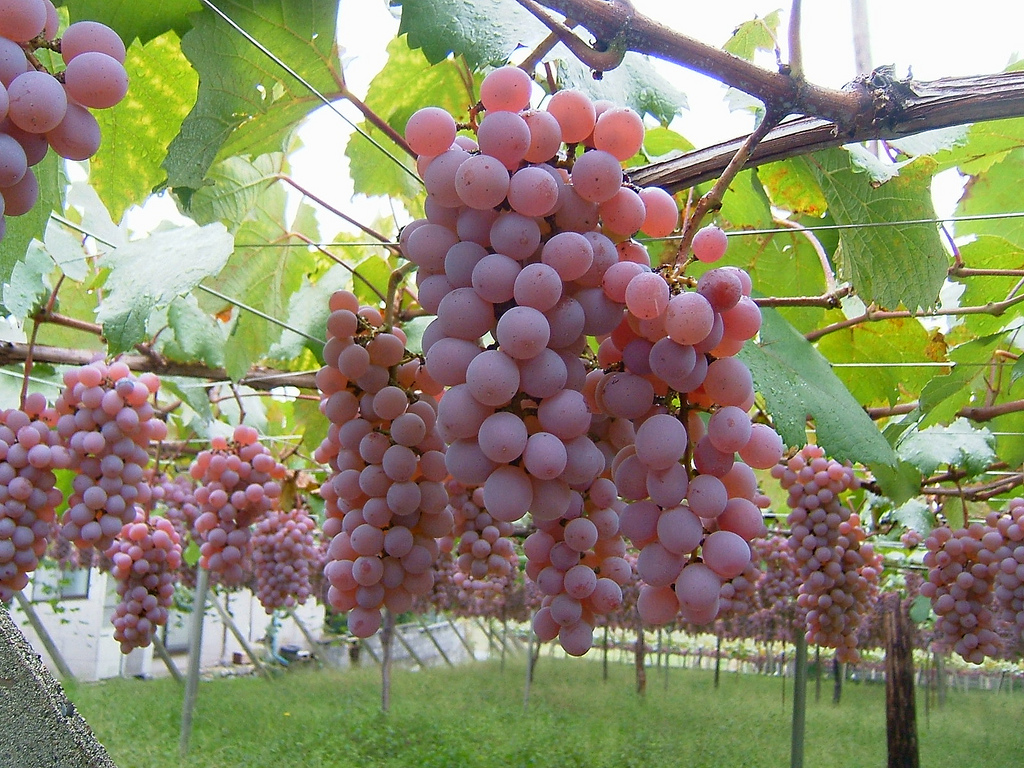
Katsunuma in Koshu City is the heart of Japan's wine industry, home to dozens of wineries producing Koshu grape wine, with many boutique tasting rooms clustered within walking distance of each other in the Koshu Valley.
- Price
- Varies by winery. Many tastings are free to a few hundred yen per sample, with set flights around yen 700 to 1,500.
- Time needed
- Half a day to visit 2 to 3 wineries.
View practical details
- Best time
- September to October for harvest season, though tastings run year-round.
- Good for
- Wine lovers, couples, food and drink tourism, and day trips from Tokyo.
What to do
- Taste Koshu, Japan's signature pale, crisp white wine grape grown in this valley for centuries.
- Walk between boutique wineries clustered around Katsunuma-budokyo Station and the Koshu Valley.
- Visit a long-established winery such as Katsunuma Winery, founded in 1937, for tastings and a look at production.
- Pair a tasting with local grape or wine-based dishes, or seasonal grape picking at nearby orchards.
Tickets and fees
Checked in July 2026: most wineries charge small per-tasting fees or offer flight sets rather than a single entry ticket, and some pours are free with purchase. Fees, hours, and which wineries offer English-language tours can change, so check individual winery websites before visiting.
Getting there
Katsunuma-budokyo Station is on the JR Chuo Line, about 90 minutes from Shinjuku Station by limited express. Many wineries are within walking distance of the station, though some require a short taxi ride or local shuttle.
Nearby
Combine a wine visit with Erin-ji Temple nearby, or continue on to Shosenkyo Gorge near Kofu for a full day around central Yamanashi.
Latest Articles
This page may contain affiliate links. We may earn a commission at no extra cost to you.
Where to stay
| Area | Notes |
|---|---|
| Kawaguchiko | best for first-time visitors who want classic Mt Fuji views and lake access. |
| Kofu | convenient for wineries, fruit farms, and Shosenkyo Gorge. |
| Yamanakako | good for quieter lake stays, cycling, and outdoor activities. |
Sample itinerary
- Day 1: Fuji Five Lakes, Kawaguchiko viewpoints, and an onsen stay.
- Day 2: Shosenkyo Gorge, Kofu food, and Katsunuma wineries.
- Day 3: Yamanakako, fruit picking, or a slower Mt Fuji photo route.
Food to try
- Hoto noodles
- Koshu wine and winery tastings
- Peaches, grapes, cherries, and seasonal fruit desserts
Common questions
Is Kawaguchiko a realistic day trip from Tokyo?
Yes, by direct highway bus or by train via Otsuki. But Fuji hides behind cloud often enough that staying a night doubles your chances of a clear morning.
Can you climb Mount Fuji outside summer?
No. The official season is short and the trails open only in summer, with the Yoshida trail on the Yamanashi side opening at the start of July. The official climbing site publishes each year's dates and entry rules.
Do most visitors climb Fuji or view it?
View it. Most people come for the lakes, the views and the surrounding onsen rather than the summit, and climbing is a separate proposition from seeing the mountain.
Is there anything to do in Yamanashi besides Fuji?
Yes. Shosenkyo Gorge above Kofu is a walking valley of rock walls and waterfalls, and the Katsunuma wineries sit in Japan's main wine-growing area, where the native Koshu grape is grown.
Explore Nearby Japan
Continue planning your route with nearby prefectures, regional guides, and useful trip planning links.
Nearby Prefectures
Same Region Guides
Useful Planning Links
Recommended Planning Guides
Use these practical guides to plan where to stay, move between regions, and shape your itinerary before your Japan trip.
Plan Your Japan Trip
When to go, how long, where, money, and what to sort before you book.
Read planning guideJapan Transport Guide
IC cards, rail passes, the Shinkansen, and getting in from the airport.
Read transport guideHotels & Where to Stay
Compare stay areas and lodging ideas for first-time Japan visitors.
Find stay guides