


Fukui Travel Guide
Fukui combines dramatic coastlines, Zen temples, dinosaur museums, castles, seafood, and quieter Hokuriku travel.
Quick facts
- Best for: cliffs, temples, dinosaurs, seafood
- Recommended stay: 1 to 2 days
- Best season: Spring, autumn, and winter crab season
- Main bases: Fukui City, Awara Onsen, Katsuyama
Why visit Fukui
Fukui is quiet even by the standards of the Sea of Japan coast, and it holds three very different things. Tojinbo is a stretch of columnar rock cliffs dropping straight into the sea, walkable right to the edge with no railings. Eiheiji is a head training monastery of the Soto school of Zen, set among cedars, and it is a working monastery rather than a museum — monks are going about their day while you visit. The Fukui Dinosaur Museum reflects the fact that most of Japan’s dinosaur fossils have been found in this prefecture, and Maruoka Castle keeps a small, plain original keep.
Getting to Fukui
The Hokuriku Shinkansen now reaches Fukui, which has made the prefecture far easier to visit than it used to be, and it also sits on the limited express line up from Kyoto. Eiheiji and Tojinbo are both a bus or local train plus a connection out of Fukui city, so a day here means one or two of them rather than all four. Winters are grey and snowy on this coast, which suits Eiheiji and suits the cliffs less.
Top Attractions in Fukui
.jpg)
Tojinbo Cliffs
Tojinbo Cliffs is a dramatic one-kilometer stretch of basalt sea cliffs on the Sea of Japan coast in Fukui, best known for its columnar rock formations and a short sightseeing boat cruise that runs right along the base of the cliffs.
- Price
- Free to walk the cliff-top paths. The sightseeing boat cruise is paid, with adult tickets from around yen 1,800; Tojinbo Tower observation deck is a separate paid ticket, around yen 500 for adults.
- Time needed
- 1 to 1.5 hours for the cliffs and nearby shops; add about 30 minutes if you take the boat cruise.
View practical details
- Best time
- Late afternoon for warm light on the basalt columns, or around sunset over the Sea of Japan.
- Good for
- Photographers, geology fans, and travelers looking for a dramatic coastal detour from Fukui City.
What to do
- Walk the cliff-top path above the roughly 25-meter basalt columns.
- Take the approximately 30-minute sightseeing boat cruise past formations known as Candle Rock and Lion Rock.
- Go up Tojinbo Tower for a wider view over the cliffs and coastline.
- Browse the seafood restaurants and souvenir shops along the approach to the cliffs.
Tickets and fees
Checked in July 2026: the sightseeing boat generally runs 9:00 to 16:00 from April to October and 9:00 to 15:00 from November to March, but it does not operate in high waves and schedules can change with weather. Check the official boat operator's site for the day's operating status before heading out.
Getting there
From JR Fukui Station, take the Echizen Railway Mikuni Awara Line to Mikuniminato Station (about 50 minutes), then a short local bus (about 10 minutes) to the Tojinbo stop. Direct buses also run between Awara Onsen Station and Tojinbo.
Nearby
Fukui day-trip pairings include Maruoka Castle and Eiheiji Temple, both reachable from Fukui City.

Eiheiji Temple
Founded by Zen Master Dogen in 1244, Eiheiji is an active Soto Zen training monastery near Fukui City, where more than one hundred monks continue the practice of shikantaza.
- Price
- Adult admission is 700 yen; elementary and junior high school students are 300 yen, and children aged seven and under enter free.
- Time needed
- 1.5 to 2.5 hours to walk the main corridors and halls.
View practical details
- Best time
- Morning for a quieter visit, or autumn for maple color in the surrounding forest.
- Good for
- Visitors interested in a working Zen monastery and temple architecture who can follow quiet visitor rules.
What to do
- Follow the visitor route through the wooden corridors, keeping to the left indoors and outdoors.
- See the Sanmon, Butsuden and Hatto while remembering that Eiheiji is a working monastery, not a museum-style attraction.
- Stop at the Sanshokaku reception hall to see its ceiling of 230 painted panels.
- Keep voices low, do not photograph priests or monks, and stay on the wooden corridors rather than entering gardens.
Tickets and fees
Checked in August 2026: adult admission is 700 yen; elementary and junior high school students pay 300 yen, and children aged seven and under enter free. Eiheiji is open 8:30–16:30 year-round except January 1, but hours can vary with the monastic schedule, so check the temple before setting out.
Getting there
From JR Fukui Station East Exit, the Keifuku Bus Eiheiji Liner runs directly in about 30 minutes. Alternatively, take the Echizen Railway to Eiheiji-guchi Station, change to a Keifuku bus for Eiheiji, then walk about five minutes from the terminus (about 45 minutes in total). Drivers can use Eiheiji-sando IC; the temple says it is about 10 minutes away and asks visitors to use nearby village parking rather than temple parking.
Nearby
Combine this with Maruoka Castle or Tojinbo Cliffs for a fuller day out from Fukui City.

Fukui Dinosaur Museum
The Fukui Prefectural Dinosaur Museum is one of Japan's largest dinosaur museums and is regularly counted among the world's three great dinosaur museums, with around 50 mounted skeletons and exhibits built around fossils excavated locally in Katsuyama.
- Price
- Paid. Adult general admission is around yen 1,000; high school and university age is around yen 800; elementary and junior high age is around yen 500. Special exhibitions cost extra.
- Time needed
- 2 to 3 hours to see the main exhibits.
View practical details
- Best time
- Weekday mornings are quieter; school holidays and weekends draw more families.
- Good for
- Families, dinosaur and fossil enthusiasts, and anyone looking for a distinctive day trip outside Fukui City.
What to do
- See the roughly 50 mounted dinosaur skeletons across the main exhibition halls.
- Walk through the 'World of Dinosaurs,' 'Science of the Earth,' and 'History of Life' zones.
- Look at fossils excavated from the nearby Kitadani Formation dig site in Katsuyama.
- Combine your visit with the outdoor Dinosaur Valley area if it is open, weather permitting.
Tickets and fees
Checked in July 2026: the museum is generally open 9:00 to 17:00 with last entry at 16:30, extending to around 18:00 in July and August, and it closes on the second and fourth Wednesdays of the month and around the New Year holiday. Confirm the current calendar before visiting, as closures and hours can change.
Getting there
From JR Fukui Station, take the Echizen Railway Katsuyama Eiheiji Line to Katsuyama Station (about 1 hour), then a taxi (about 10 minutes) or community bus to the museum.
Nearby
If you have more time in Fukui, Eiheiji Temple and Maruoka Castle make good additions to the itinerary.

Maruoka Castle
Maruoka Castle in Sakai, Fukui, has one of only twelve original castle keeps still standing in Japan, dating from the late 16th to early 17th century, and is known locally as Kasumigajo, or 'Mist Castle,' for its stone-shingled roof and hilltop setting.
- Price
- Paid. Adult admission to the keep is around yen 450; elementary and junior high age is around yen 150.
- Time needed
- 45 minutes to 1 hour.
View practical details
- Best time
- Cherry blossom season in spring is popular, since the castle grounds double as a well-known sakura spot.
- Good for
- Castle enthusiasts, history fans, and photographers, especially in spring.
What to do
- Climb the steep original wooden staircase inside the keep.
- Look for the stone-shingled roof, a design feature unusual among surviving Japanese castle keeps.
- Take in the 360-degree view over the town from the top floor.
- Walk the castle grounds, which fill with cherry blossoms in spring.
Tickets and fees
Checked in July 2026: the keep is generally open 8:30 to 17:00 with last entry at 16:30. Hours and any seasonal closures can change, so it is worth checking ahead if you are visiting outside regular daytime hours.
Getting there
From JR Fukui Station, take a Keifuku Bus bound for Maruoka Castle (about 40 minutes) and get off at the Maruoka Castle stop, then walk about 5 minutes. By car, it is about 10 minutes from Maruoka Interchange on the Hokuriku Expressway, with free parking nearby.
Nearby
Nearby options in Fukui include Tojinbo Cliffs and Eiheiji Temple.
Latest Articles
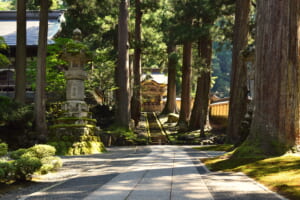 Eiheiji Temple: Admission, Hours, Zazen and Getting TherePlan an Eiheiji Temple visit with current admission, opening hours, a separate zazen choice and a realistic Fukui…
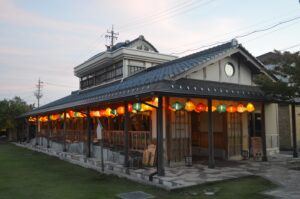 Where to Stay in Fukui: Fukui Station or Awara Onsen?Compare Fukui Station and Awara Onsen by arrival, local train cost and time, dinner deadlines and hotel shuttles…
This page may contain affiliate links. We may earn a commission at no extra cost to you.
Where to stay
| Area | Notes |
|---|---|
| Fukui City | convenient for rail, food, and castle-side walks. |
| Awara Onsen | best for hot springs and Tojinbo access. |
| Katsuyama | useful for the dinosaur museum. |
Sample itinerary
- Day 1: Eiheiji Temple and Fukui City.
- Day 2: Tojinbo Cliffs, Awara Onsen, or Dinosaur Museum.
- Day 3: Maruoka Castle and seafood stops if staying longer.
Food to try
- Echizen crab in winter
- Oroshi soba
- Sauce katsudon and coastal seafood
Common questions
Is Eiheiji a museum?
No. It is a head training monastery of the Soto school of Zen and still a working monastery, so monks are going about their day while you visit.
How many Fukui sights can you fit in a day?
One or two. Eiheiji and Tojinbo are each a bus or local train plus a connection out of Fukui city.
Has Fukui become easier to reach?
Yes. The Hokuriku Shinkansen now reaches Fukui, and it also sits on the limited express line up from Kyoto.
Why is there a dinosaur museum in Fukui?
Most of Japan's dinosaur fossils have been found in this prefecture.
Explore Nearby Japan
Continue planning your route with nearby prefectures, regional guides, and useful trip planning links.
Nearby Prefectures
Same Region Guides
Useful Planning Links
Recommended Planning Guides
Use these practical guides to plan where to stay, move between regions, and shape your itinerary before your Japan trip.
Plan Your Japan Trip
When to go, how long, where, money, and what to sort before you book.
Read planning guideJapan Transport Guide
IC cards, rail passes, the Shinkansen, and getting in from the airport.
Read transport guideHotels & Where to Stay
Compare stay areas and lodging ideas for first-time Japan visitors.
Find stay guides