Choose Yufuin for a slower ryokan-and-onsen-town stay. Choose Beppu for rail convenience and a broader city base. The table compares those two decisions first; then use the Beppu section to decide whether Station or Kannawa suits the stay.
| Decision point | Yufuin | Beppu |
|---|---|---|
| Arrival and onward travel | Yufuin Station: pick it when the town stay is the destination. | Beppu Station is the rail hub; Kannawa adds about 20 minutes by bus. |
| Walkability | Station-side is easy; secluded ryokan addresses can need a taxi or transfer. | Station area is simplest for first and last walks; Kannawa is district-focused. |
| Local mobility | Best when the day stays centred on town; check the hotel’s actual access. | Better for buses and several districts; plan the last useful Kannawa connection. |
| Evening and dining | Ryokan-led bath, dinner and an unhurried town evening. | Broader city dinner choice; Kannawa suits a steam-and-onsen evening. |
| Best stay length | One or two nights for a contained onsen-town reset. | One night before an onward train, or longer as a flexible base. |
| Trade-off | Less efficient for repeated rail connections or a city itinerary. | More functional, but less retreat-like than a ryokan-led Yufuin stay. |
Hotel availability, local buses and station facilities can change. Confirm the official page for your travel date before booking: use the official Yufuin Station page, the official Beppu visitor-information page, and the route or property information for the actual hotel.
Pick Yufuin when the onsen town is the point of the stay
Yufuin is the better answer when you want the accommodation to set the rhythm. The appeal is not simply that it has hot springs; it is that a carefully chosen ryokan can turn arrival, a bath, a meal and a wander through town into one connected stay. JNTO describes Yufuin as an onsen resort with ryokan, hotels, cafés and small shops, with Mount Yufu forming a strong part of the setting. That makes it a good fit for one or two nights when you would rather have fewer movements than add another city stop.
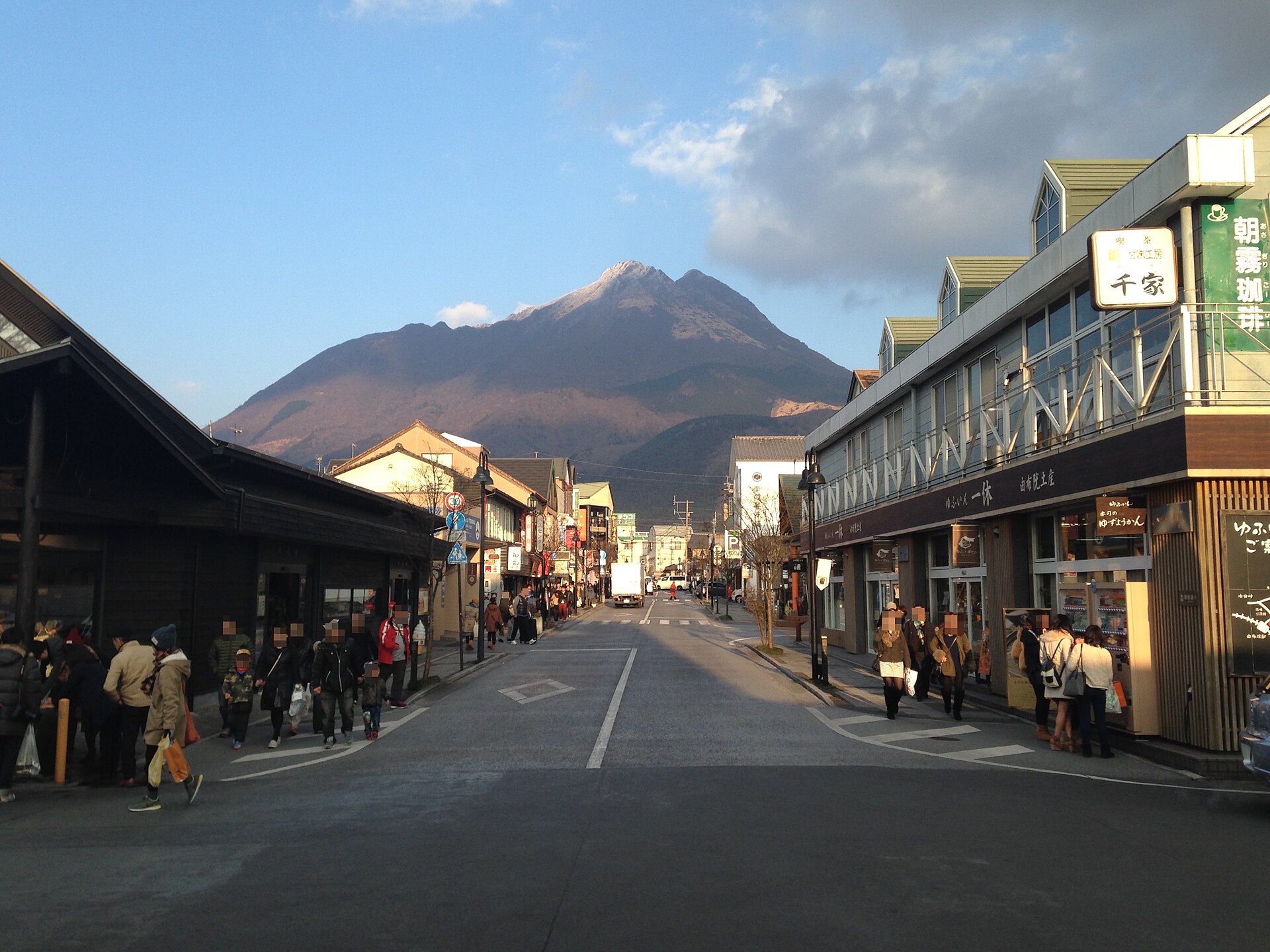
Do not treat every Yufuin address as equally walkable. A station-side property can make arrival and a stroll through the central streets simple, while a more secluded ryokan may make a taxi, hotel transfer or a deliberate return journey part of the plan. This is not a drawback if quiet is why you chose it. It does mean you should check the exact property location before assuming that an evening meal, a convenience store or the station will be a short walk away.
Yufuin works especially well if the next decision is simply how to enjoy the town, not how to reach several far-apart attractions. It is less natural when your itinerary relies on repeated rail connections or when you want to divide your days across Beppu’s coastal, station and Kannawa areas. If you are arriving from Oita or moving between the two resorts, compare the actual bus and rail journey for your date rather than choosing a base from a broad regional map.
Pick Beppu when the base has to do more
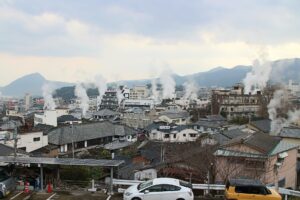
Beppu is the stronger choice when your hotel must work as a transport and sightseeing base as well as an onsen stay. Beppu Station gives the city a clear rail anchor, while places such as Kannawa sit in a different hot-spring setting. JNTO’s visitor guidance notes a bus journey of roughly 20 minutes from Beppu Station to Kannawa for the Hells area; that is a useful reminder that Beppu is not one walkable resort core. It rewards choosing the district around your first and last movement, rather than selecting any hotel labelled simply “Beppu.”
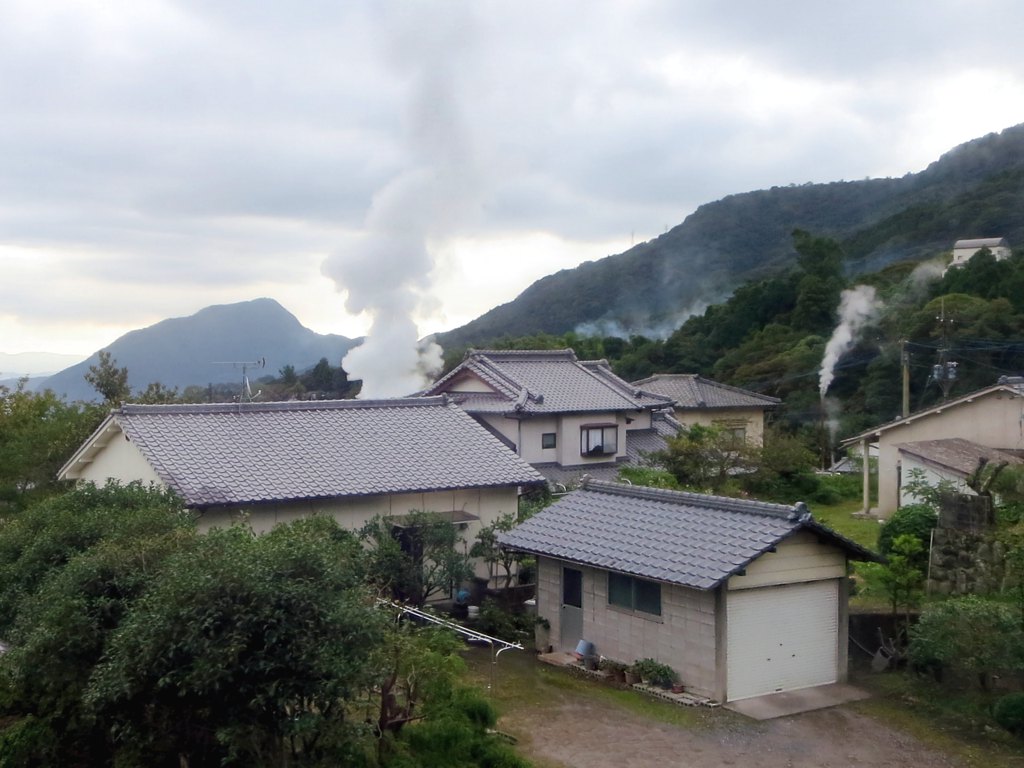
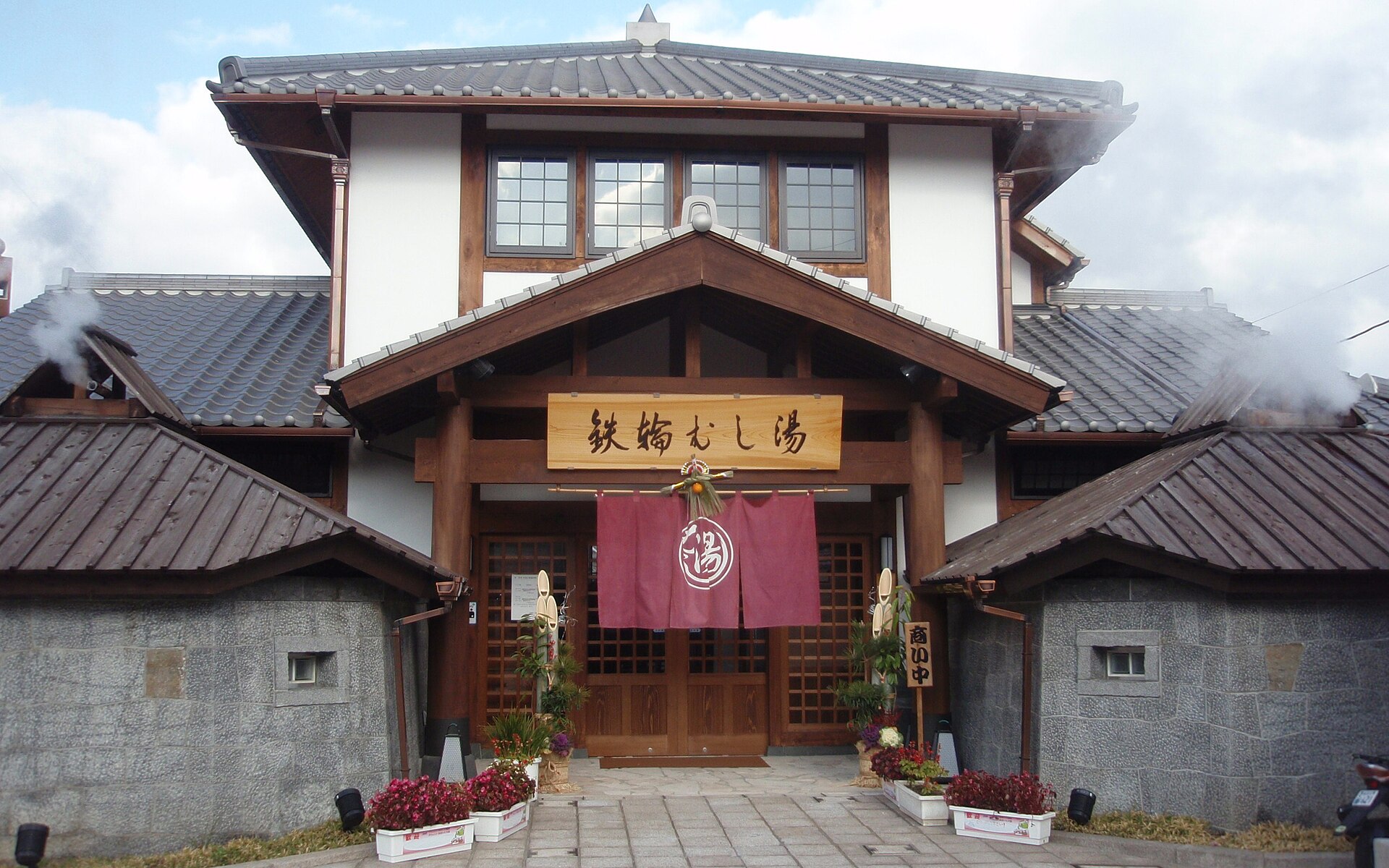
Stay near Beppu Station if you are arriving or leaving by rail, expect to move around the city, or want restaurants and the waterfront-side city centre to be part of the stay. Stay in Kannawa if steam, the Hells and a hot-spring-district atmosphere are the priority, but confirm the local bus or taxi plan before booking. For the detailed choice within the city, see where to stay in Beppu: Station or Kannawa Onsen.
Beppu is not automatically more convenient in every situation. A hotel beside the station can be efficient but may not give you the ryokan-centred reset that draws many travellers to Yufuin. Conversely, a Kannawa stay can be wonderfully specific but involves a local-access choice of its own. The practical advantage is flexibility: Beppu offers several bases for a trip that mixes rail travel, city restaurants and hot-spring districts.
Use the first and last day to decide
- One quiet onsen night or a ryokan-led weekend: start with Yufuin and select a property by its real walk or transfer from the station.
- Rail arrival, early onward train or a multi-stop Kyushu trip: start with Beppu Station and only move farther out when the stay itself is the priority.
- Hells and steam-bath atmosphere: put Kannawa in the comparison, then verify the exact local connection for the property.
- Travelling with luggage: count the station, bus-stop or hotel-transfer steps rather than comparing town names alone.
- Still undecided: decide where you want to spend the last evening. A town-and-ryokan evening points to Yufuin; a broader city base points to Beppu.
In short, choose Yufuin for a contained onsen-town stay and Beppu for a more flexible city base with distinct districts. Once that decision is made, compare a small number of properties in the right area instead of sorting the whole prefecture by price. Continue planning with the Oita travel guide, the Fukuoka travel guide, and the Kumamoto travel guide.
Official sources: JNTO Yufuin Onsen, JNTO Beppu Hells, Beppu Tourist Information, and JR Kyushu Yufuin Station.