Where you stay in Beppu changes the shape of the trip. Choose Beppu Station when you want the easiest rail arrival, a flexible city base and the freedom to decide each day whether to go toward the bay, central Beppu or the onsen areas. Choose Kannawa Onsen when the steam-filled streets, a ryokan-style stay, public baths and a slower Jigoku-side day are the reason you came. Neither base is automatically better: the useful question is whether your hotel should make transport easier or make the onsen town your front door.
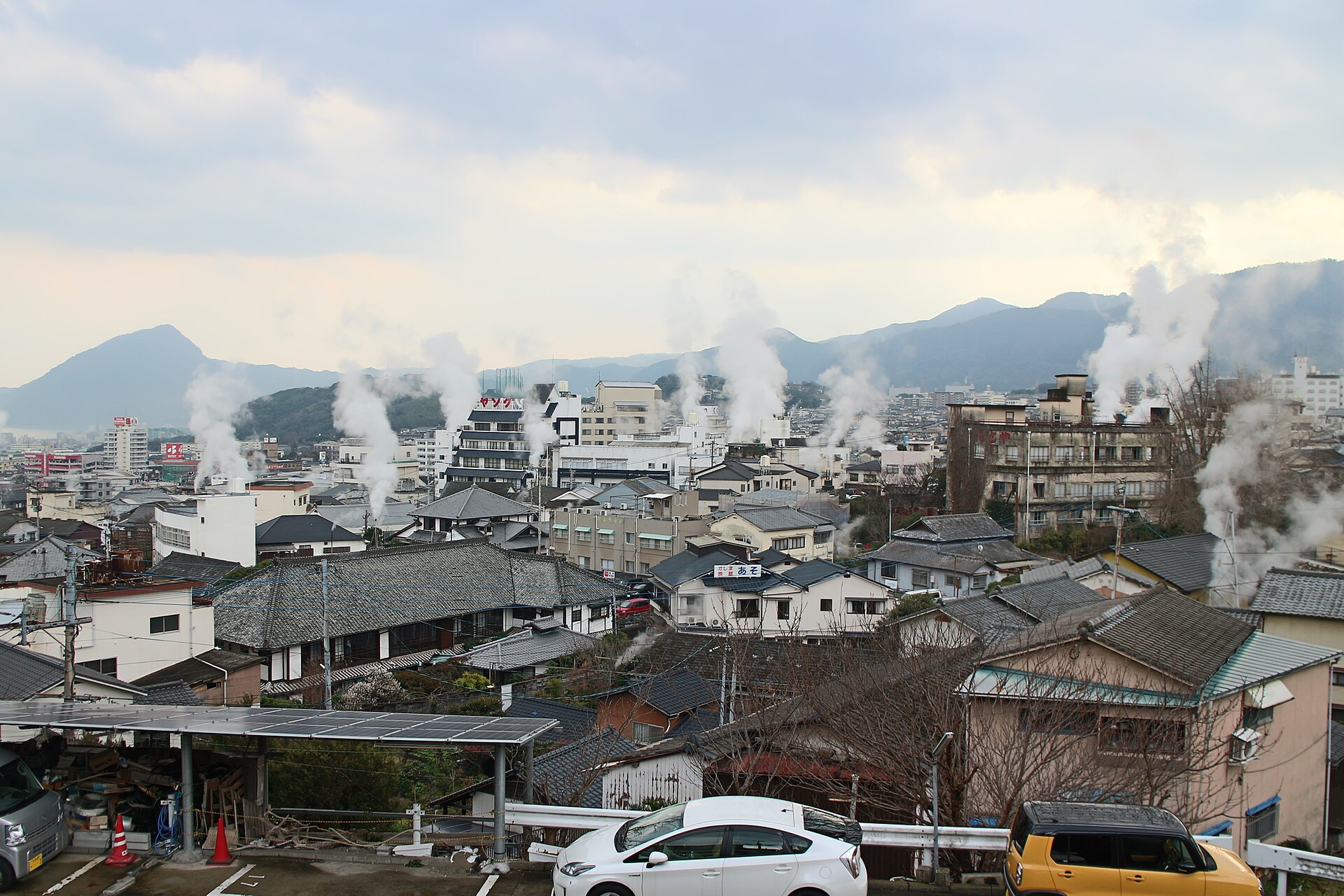
As of 2026-08-25, Beppu City’s official tourism site describes eight distinct Beppu onsen areas. Kannawa is the one to choose when you want that identity to be visible around the hotel: steam rises through the streets, and the area has onsen inns, public baths, footbaths and jigokumushi food. Beppu Station, by contrast, is the practical gateway in the official model route. Use it when arrival and onward travel matter at least as much as sleeping beside the steam.
| If this is your priority | Choose | Why it fits |
|---|---|---|
| JR arrival, a late or early transfer, or a flexible day-by-day plan | Beppu Station | It is the city gateway. Keep the hotel near the arrival point, then decide separately when to travel toward Kannawa and the Jigoku area. |
| Steam-town atmosphere and bathing are the centre of the stay | Kannawa Onsen | You wake up in the onsen district rather than making it a return journey after sightseeing. |
| A first visit focused on the Jigoku sights plus an onsen night | Kannawa Onsen | The official Beppu route places the Jigoku visit and Kannawa-side onsen town in the same part of the day. |
| One night before moving on, or uncertain weather and timing | Beppu Station | A compact transport base keeps the onsen area optional instead of committing every movement to one side of town. |
Choose Beppu Station for the flexible arrival-and-explore base
Beppu Station works best when it is more than a place to drop a suitcase. The official Jigoku Meguri model course starts there and calls it the gateway to the trip. That makes a station stay the lower-risk choice when you arrive by train, have only one night, need to protect an onward departure, or have not decided how much onsen time you want. You can make a daytime trip toward Kannawa without turning the whole accommodation plan into a transfer puzzle.
It is also the better choice for travellers who prefer to separate sightseeing from bathing. Use the station as the transport anchor, visit the steam-town and Jigoku side when it fits the day, then return to a more ordinary city setting. The official WANDER COMPASS BEPPU information centre is within JR Beppu Station, one minute from the East Exit, and publishes daily 08:45–18:00 hours. That is a practical first-stop option for checking current local guidance after arrival, not a promise that every attraction or bus will follow a static timetable.
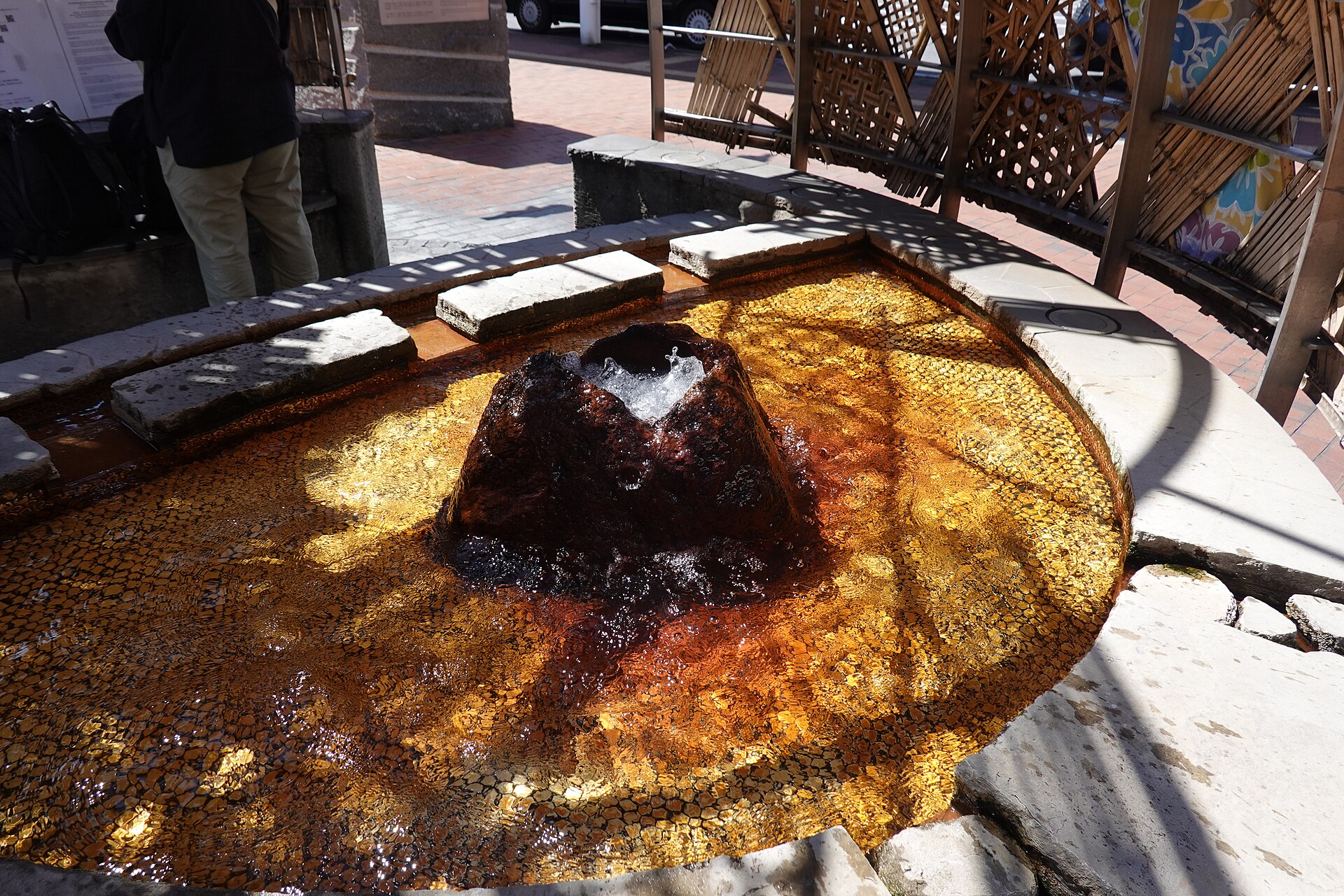
Choose this base if the journey has moving parts: a JR arrival, luggage, a ferry or airport connection elsewhere in the itinerary, or a need to choose the next day’s plan after you see the weather. Do not choose it only because it sounds central. If your non-negotiable experience is walking out into hot-spring steam, using the nearest bath and taking your time over jigokumushi, the transport convenience can feel like a compromise.
Choose Kannawa Onsen when the onsen town is the destination
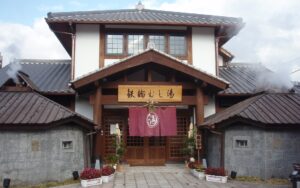
Kannawa is for a stay where the neighbourhood itself carries the day. The official Beppu site describes a town where steam rises throughout the streets, with original hot-spring ryokan, public baths and footbaths. It also identifies jigokumushi—food cooked with hot-spring steam—as a local speciality. Staying here makes those things morning and evening experiences rather than an excursion squeezed between transport connections.
This is the stronger base for a trip built around the Jigoku area, a ryokan night, bathing and slow streets rather than a broad city checklist. The official full-day route moves from JR Beppu Station to the Jigoku side by bus and a short walk, then continues through Kannawa. That is a useful planning signal: if this part of Beppu is your main reason for visiting, sleeping nearby reduces the need to repeat that approach at the beginning and end of every day.
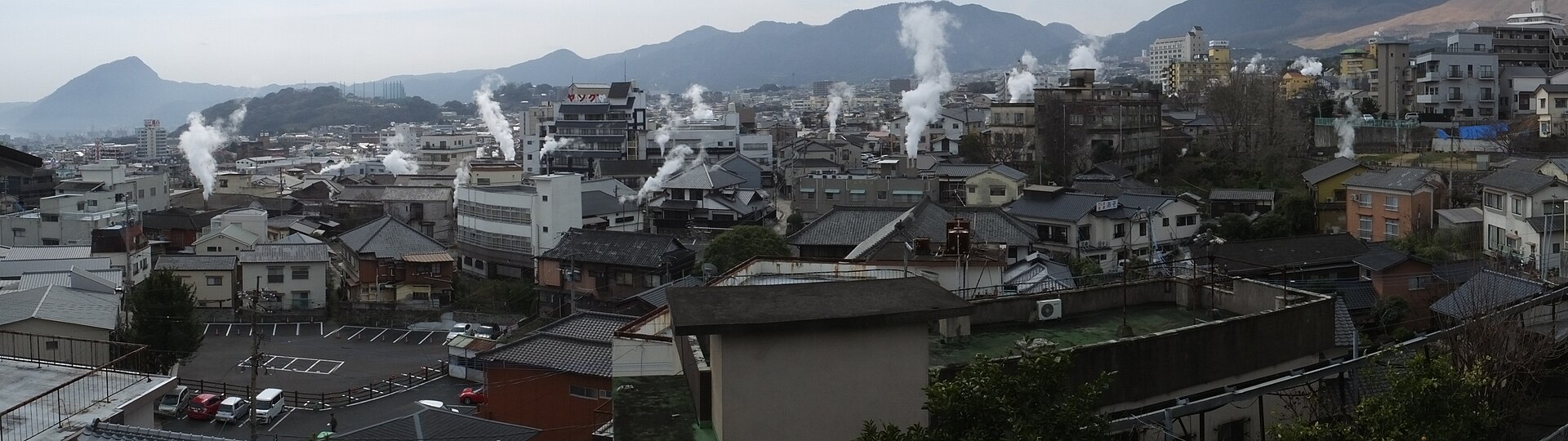
The trade-off is simple. A Kannawa hotel is not the right answer if you want to step off a train, check in and leave quickly the next morning. It is the better answer when you are happy to make the onsen district the rhythm of the stay. The Kannawa Tourist Information Center publishes 09:00–17:00 hours; use it or the official access map for current route details instead of relying on an old hotel blog or a guessed bus schedule.
How to make the choice before booking
- Put the fixed transport first. If an arrival or departure time is the non-negotiable part of the trip, start with Beppu Station.
- Name the evening you want. A city dinner and flexible morning point to the station; onsen-town steam, bathing and jigokumushi point to Kannawa.
- Count transfers, not map distance. Check the official Beppu access map for your date and leave a margin for luggage and the last leg from the stop.
- Do not book Kannawa as a vague “near Beppu” shortcut. Book it because the onsen district is the experience you want to live in.
- Use a split only when it removes a real constraint. One night at the station followed by Kannawa can work for a late arrival, but a hotel change is not automatically an upgrade.
The short answer
Stay near Beppu Station when the trip needs a reliable arrival base and flexible transport choices. Stay in Kannawa Onsen when the steam-town atmosphere, bathing and the Jigoku side are the main event. For most first-time visitors, the wrong choice is not one area or the other; it is booking before deciding whether transport convenience or an immersive onsen stay matters more. Continue with the Oita travel guide, the Fukuoka travel guide for a Kyushu arrival route, and the Kumamoto travel guide for an onward Kyushu plan.
Sources checked: Beppu Hatto, Beppu access map, Jigoku Meguri full tour, and Beppu tourist information centres. Checked 2026-08-25.