For a focused visit to Kairakuen, take the bus from Mito Station and choose the gate closest to the Main Garden or Kobuntei part of your plan. Choose the longer walk when Lake Senba and the approach are part of the day, not when you are trying to fit the garden between fixed train times. The key distinction is that the Main Garden has its own ticket and seasonal hours, while areas outside it are open at all times.
| Quick fact | What to know |
|---|---|
| Admission | Main Garden: adults ¥320; children ¥160. Kobuntei has a separate admission fee. |
| Opening hours | Main Garden: 6:00–19:00 from mid-February to September 30; 7:00–18:00 from October 1 to mid-February. |
| Closed days | Main Garden is open daily. Kobuntei closes December 29–January 3. |
| Reservation | Check the official page for event, group or e-ticket arrangements before booking other fixed plans. |
| Access | From Mito Station, allow about 15 minutes by bus or 20–25 minutes on foot; choose the stop and gate for your first sight. |
Fees, event arrangements, gates and transport patterns can change. Confirm the official Kairakuen page and the official Mito access guide for your travel date before booking a train, tour or timed meal.
Start by deciding what counts as the garden visit
Kairakuen works best when you decide whether you are visiting the Main Garden alone or building a wider Mito walk around it. The official garden guide separates the Main Garden from the surrounding area: the garden itself has a ticket and seasonal opening hours, while the area outside it is open all the time. This is why a short visit should begin with the paid garden and the gate that fits it, rather than treating every green space on the map as the same destination.
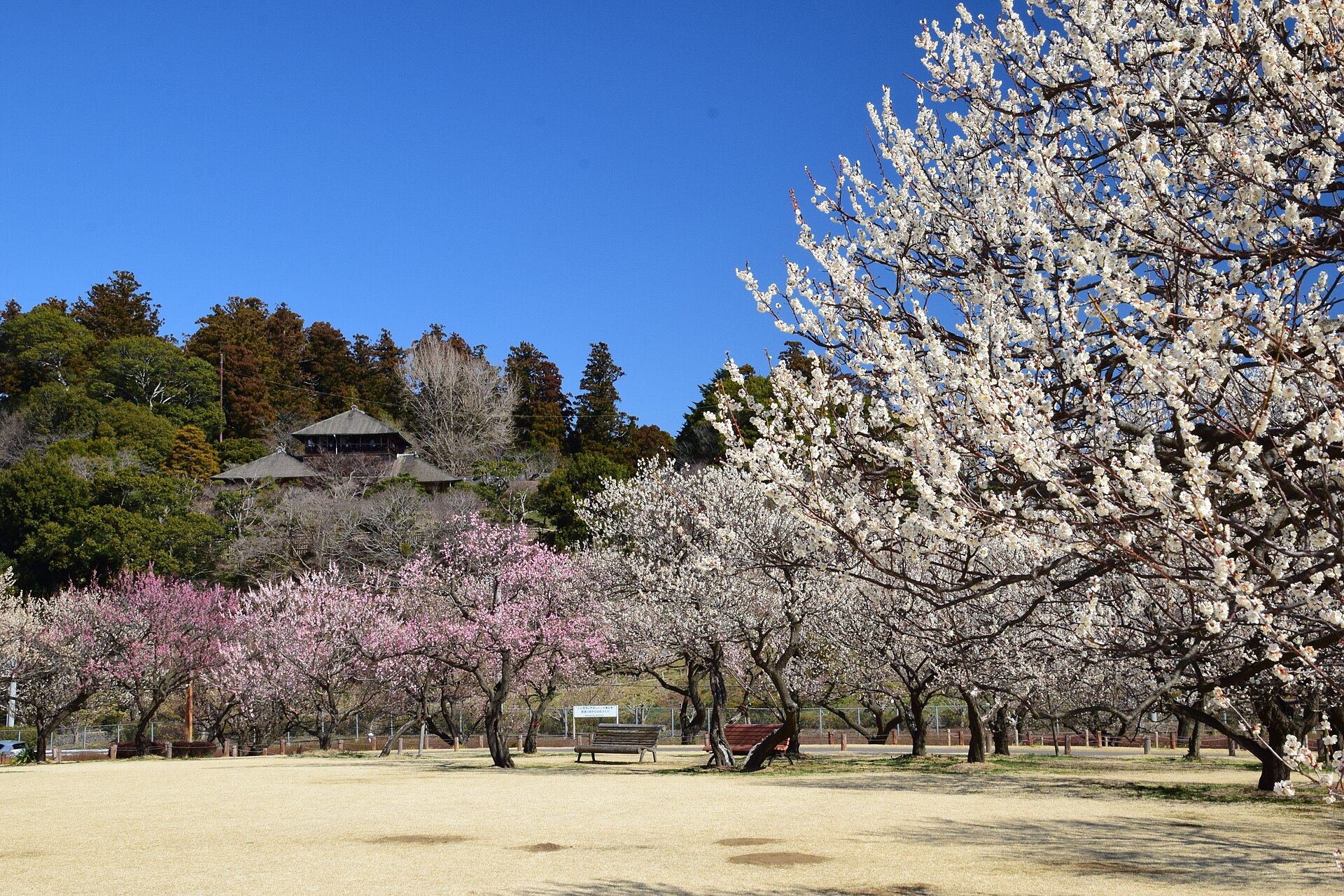
The Main Garden ticket is a useful anchor for planning, especially if you have an onward train. It includes the plum grove, bamboo and the sequence of paths that gives the garden its character. Kobuntei is a separate visit within that plan, with its own opening hours, last-entry timing and closure period. Add it when the building and its view are genuinely part of your day; otherwise, do not let a second ticket and a different closing time turn a simple garden visit into a rushed one.
Take the Mito Station bus for a focused Main Garden visit
The bus is the practical choice when Kairakuen is one stop in a day that begins or ends at Mito Station. Ibaraki’s official visitor guide puts the ride at about 15 minutes, while Mito’s tourism association identifies stops that serve different entry choices. For the Kobuntei Omotemon side, use a stop near the History Museum/Kairakuen entrance or Kobuntei Omotemon entrance and allow a short walk. For the East Gate, select one of the listed east-side stops or the dedicated Kairakuen service when it is operating.
That gate choice is more useful than looking for a universally “best” stop. Start near Kobuntei when the villa and a garden sequence are priorities. Start near the East Gate when you want a direct entry to the Main Garden and a simpler return to the bus. During the Plum Blossom Festival, transport and garden arrangements may change, and some trains may use the temporary Kairakuen Station. Treat that as a helpful seasonal option only after checking the official train timetable for your actual day.
Walk from Mito when Lake Senba belongs in the itinerary
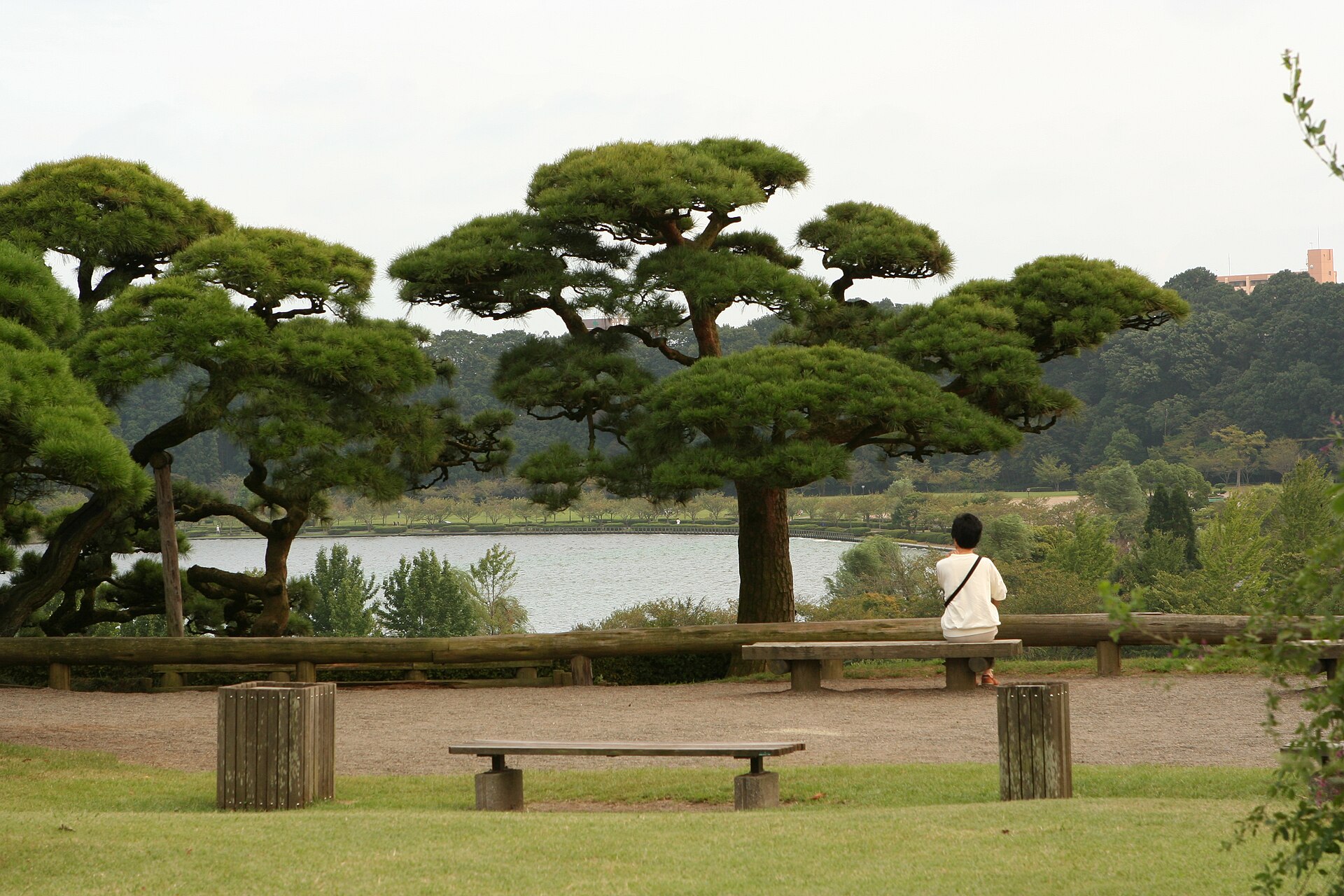
The walk from Mito Station takes roughly 20 to 25 minutes according to the Ibaraki guide. It is the better choice when you have time for Lake Senba, want to arrive gradually, or are pairing Kairakuen with a slower Mito day. It is not automatically the more scenic or virtuous option with luggage, rain or a tight return train. In those cases, the bus protects the time you will actually spend in the garden.
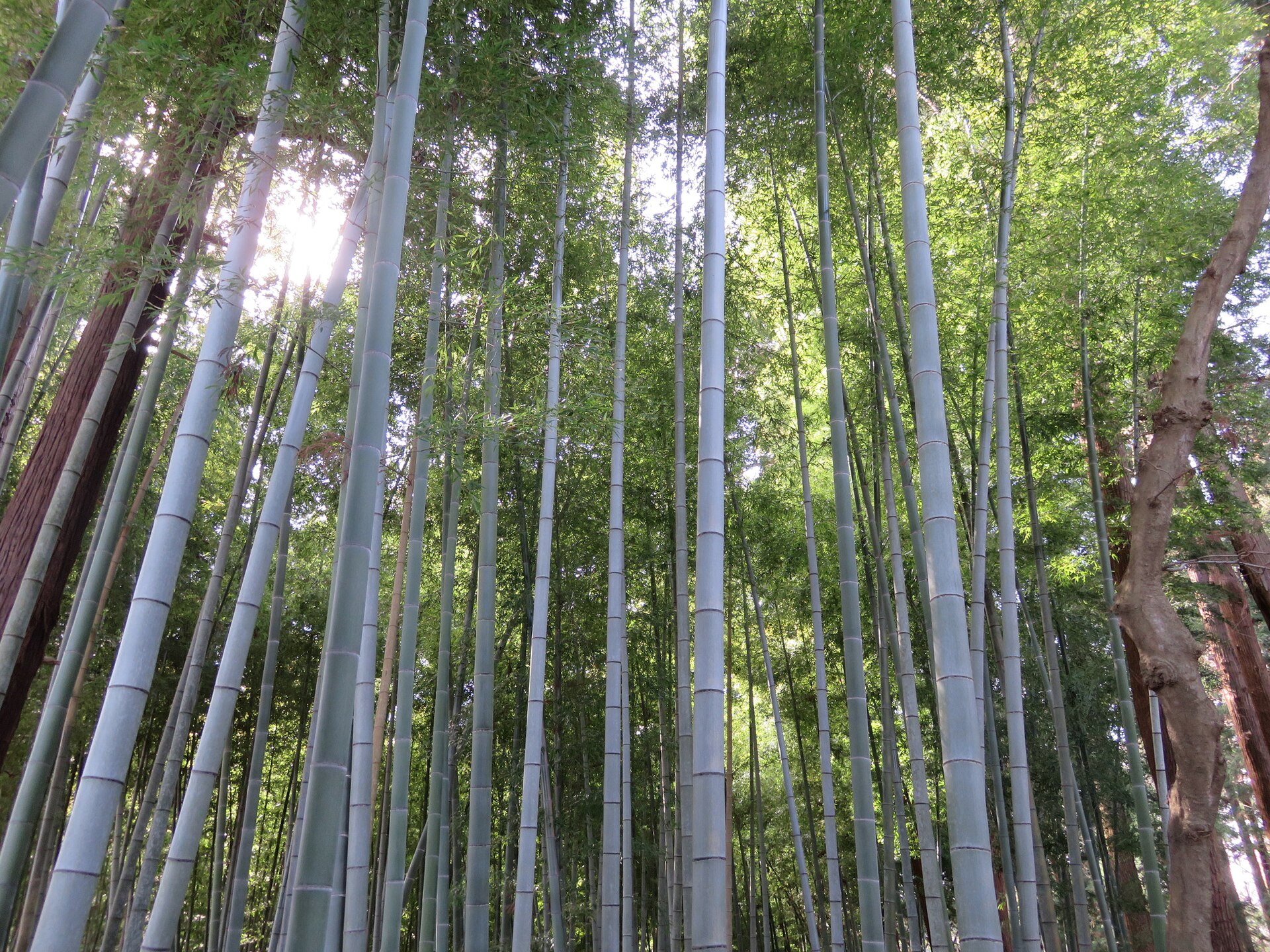
Use the walk to make the visit feel larger, not merely to save a bus fare. Once inside, allow time for the quieter bamboo and wooded paths as well as the open plum area. This makes the garden work beyond its well-known blossom period and keeps the experience from being reduced to one photo location. If the garden is your only Mito stop, return toward the station by the route that makes the next train comfortable rather than trying to complete every path.
Use one simple decision rule before you leave Mito Station
- A fixed train, tour or restaurant booking: choose the bus and the gate nearest the first part of the garden you want to see.
- Kobuntei is a priority: begin with its separate hours and closing time, then choose the Omotemon side.
- Lake Senba and a slower Mito day: walk from the station and keep the bus as the easy return option.
- Plum-season travel: check the official festival and rail notices rather than assuming the temporary station or gate pattern will operate.
- Weather or luggage: let the bus save energy for the garden; the walk is optional, not a test of the visit.
Plan the wider region with the Ibaraki travel guide, the Tochigi travel guide, and the Chiba travel guide. The best Kairakuen plan is a clear one: secure the Main Garden time first, then use the bus or Lake Senba walk to match the day you actually have.
Official sources: Kairakuen, Ibaraki Guide, and Mito Tourism and Convention Association.