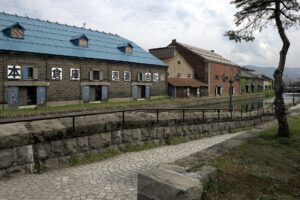
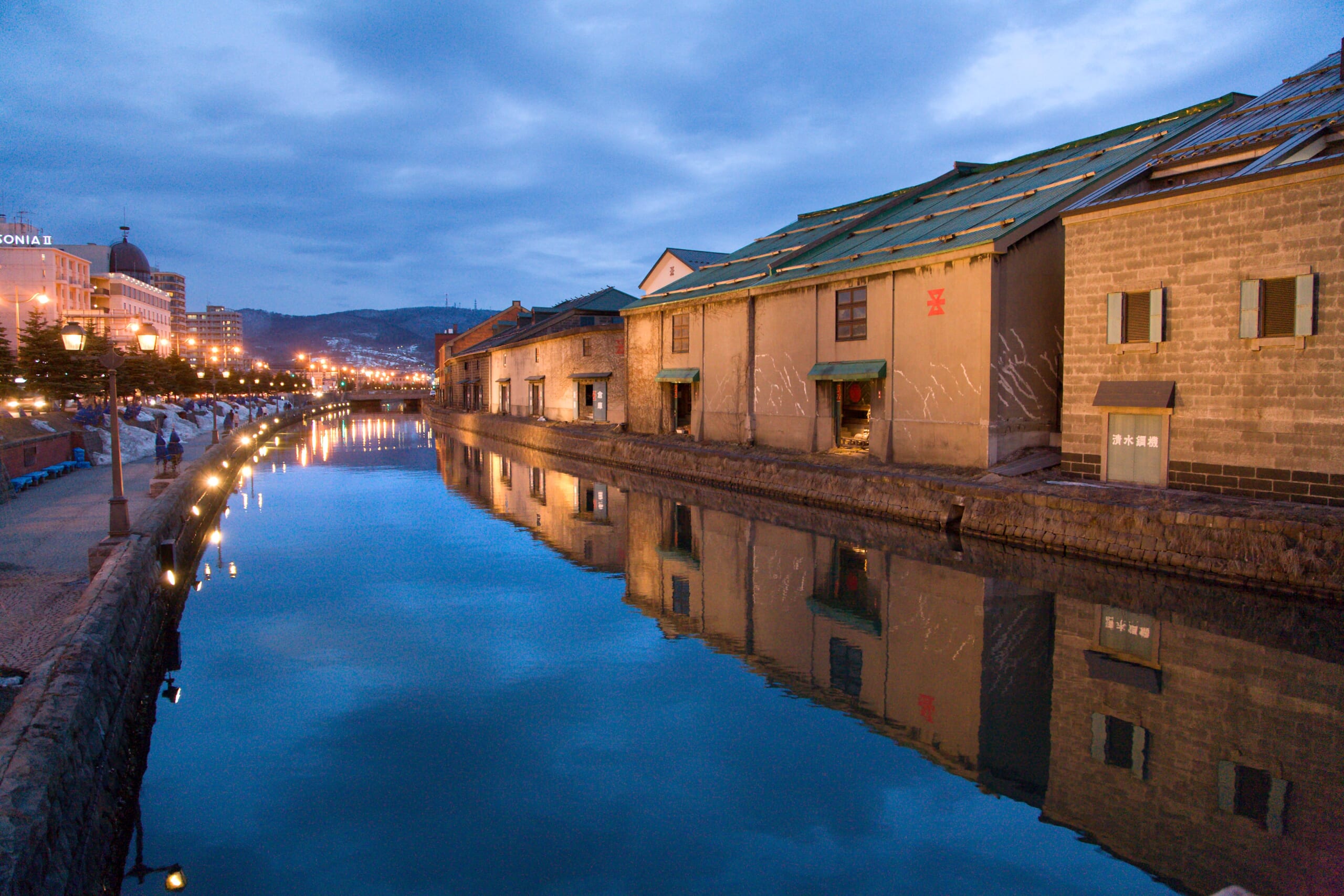
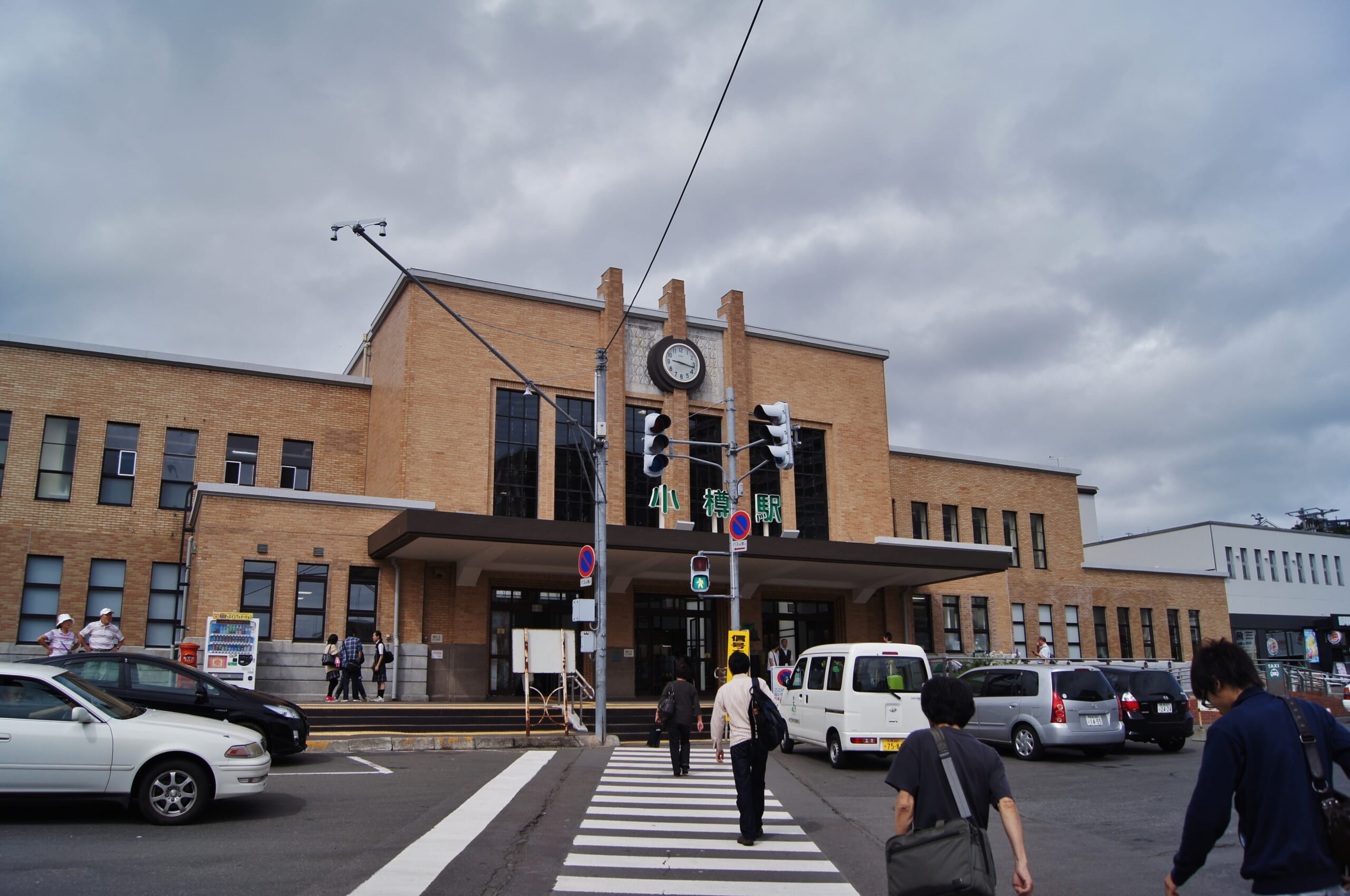
Stay by Otaru Station if a train and luggage define your next morning. Choose the canal when your priority is an evening and early walk beside the historic warehouses. Choose Otaru-Chikko when a particular bay-side stay or Sapporo-facing rail connection matters more than stepping straight into central Otaru. Check the exact hotel entrance before deciding: a listing for “Otaru” does not tell you which station will be convenient.
| Decision axis | Otaru Station | Otaru Canal | Otaru-Chikko |
|---|---|---|---|
| Access and arrival | Arrive at the central JR station and make the shortest luggage hand-off to a station-side room. | Walk downhill from Otaru Station toward the canal; check the real property entrance and bag route. | Use Otaru-Chikko Station for a Chikko-side property; do not assume Otaru Station is the closest stop. |
| Walkability | The canal is an approximate ten-minute sightseeing walk from the station; return uphill with bags if needed. | Best for repeated canal walks. Station connections still require a walk or local ride. | Good for a hotel linked to the station and Wing Bay; ride the train into central Otaru for the historic core. |
| Local mobility | Walk or take a local bus or taxi from the station to your chosen sight. | Walk the historic core; return to the station for onward rail. | Use a local train to reach central Otaru and check the final service. |
| Evening fit | Flexible for an arrival night with a simple next-day departure. | Choose this for a waterfront stroll after day-trip crowds, subject to weather and your hotel’s position. | Choose this for a bay-side stay, not because it is beside the old canal. |
| Booking and trade-off | Check the room, cancellation terms and distance from the station entrance; you trade waterfront immediacy for easier onward rail. | Check whether the room actually faces the canal and what luggage walk it entails; a canal label does not guarantee a view. | Check access outside mall hours and the first train you need; easy station access means an extra central-Otaru leg. |
The official Otaru accommodation guide distinguishes central hotel areas from Chikko-side stays. The tourism association’s canal listing places the promenade about ten minutes on foot from Otaru Station. Those are orientation points, not a measured walk from every room. Confirm station timetables, property access and booking terms on the official pages for your travel date before reserving.
Start with tomorrow’s first move
If you leave for Yoichi, Kutchan or Niseko, Otaru Station is the crucial interchange. JR Hokkaido says passengers continuing in those directions transfer there; an IC card cannot be used beyond Otaru. A station-side night can remove a bag-carrying return from the canal. Buy the onward ticket and check the actual departure before deciding how close a room needs to be. Some airport trains reach Otaru directly, but not all do, so check the service you will actually ride.
If your next destination is Sapporo, an Otaru-Chikko stay may make sense when the room itself is the attraction. Grand Park Otaru’s official access guide describes a short walk from Otaru-Chikko Station and an elevator route. Its hotel guide explains the Wing Bay connection and access when the mall is closed. Check these details and your train before booking. A Chikko hotel should not be treated as a canal-front hotel: reaching the historic center adds a separate ride or transfer.
Choose the canal for time on foot
A canal-area room earns its position when you want to return to the waterfront after dinner or start there before a longer sightseeing day. The public promenade is available to walk, but a listing’s neighborhood name does not prove a water view. Verify the precise entrance, room type and view on the property’s own page. The official accommodation guide places Hotel Torifito between the station and canal, illustrating how a hotel can work for both without sitting directly on the water. If you are arriving with a large bag in snow or rain, plan the station-to-room leg rather than assuming a pleasant sightseeing walk will also be an easy luggage walk.
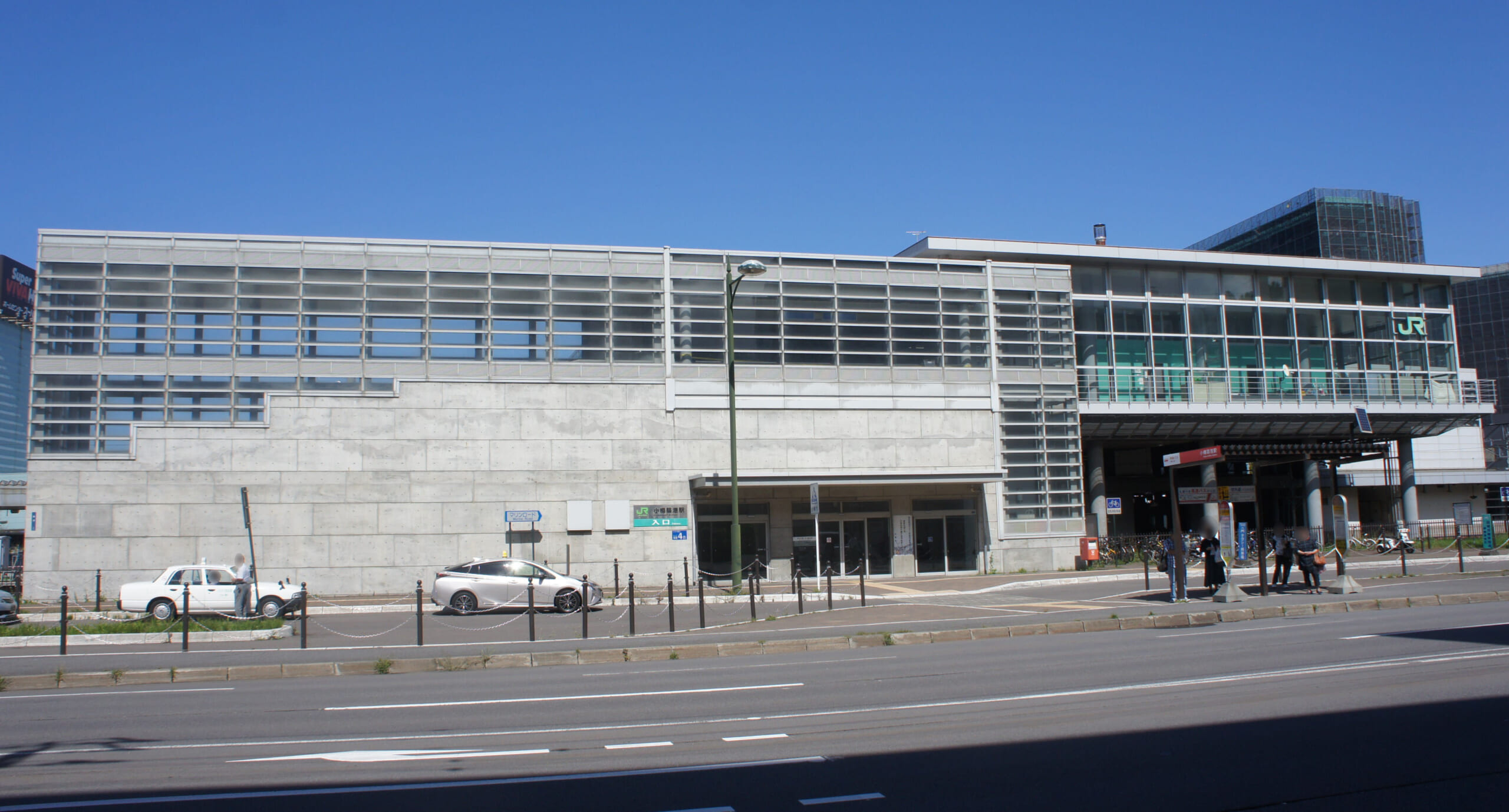
Otaru-Chikko belongs in this comparison because it is a distinct rail and hotel base. It suits a chosen property or bay-side experience; it is a poor shortcut to the old canal if you intend to walk in and out several times. The photograph shows the Chikko station side, not the canal. Look at a map before booking, especially if your hotel is described only as “Otaru waterfront.”
Make the booking choice in three checks
- First departure: identify the station, train and time for the morning after your stay. If the trip continues beyond Otaru, allow for the Otaru Station transfer.
- Actual entrance: pin the hotel’s entrance, not just the neighborhood or the center of a map marker. Recheck any elevator, covered route or parking claim with the property.
- Room terms: compare cancellation, check-in, breakfast and view descriptions for the exact room on your dates. A better location may be worth more than a feature you will not have time to use.
If you are still deciding whether to sleep in town at all, use our Sapporo to Otaru day-trip guide alongside the Hokkaido guide. The Aomori and Iwate guides help place Otaru within a longer northern Japan route; they do not replace checking the specific rail leg.
For hotel options in this prefecture, see our Hokkaido hotel guide.
Official sources: Otaru Tourism Association accommodation guide, Otaru Canal listing, JR Hokkaido travel guide, Grand Park Otaru access, hotel guide, and Dormy Inn access. Check current transport and lodging details on the official pages for your travel date before booking.