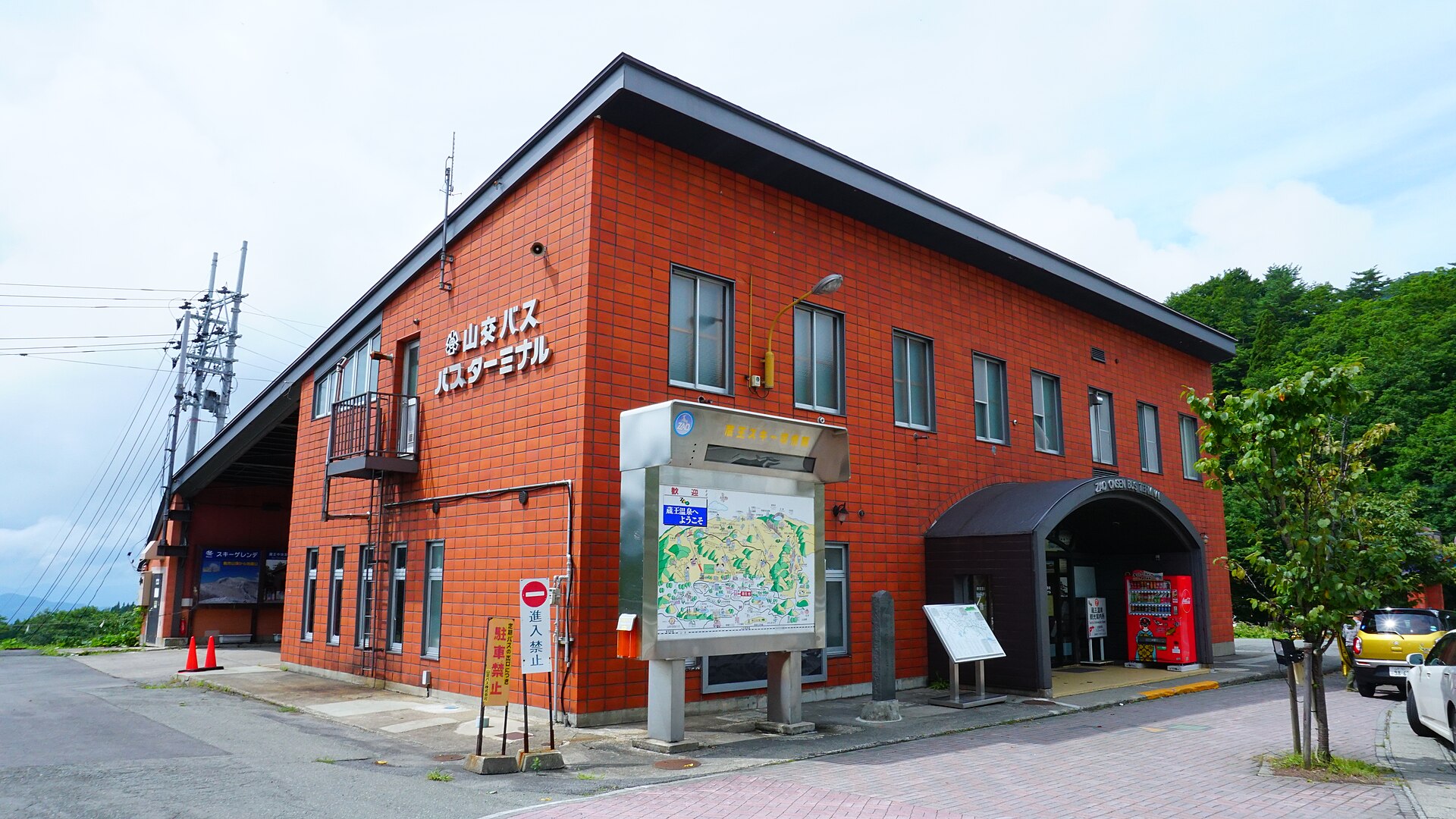
Use the Yamagata Kotsu bus if its departure fits your arrival and you can manage the walk from Zao Onsen Bus Terminal to your final stop. A car is useful for luggage or a dispersed itinerary only when you have confirmed parking and are comfortable with the road conditions. In winter, snow and ice can make the bus the simpler choice even if a car looks faster on a map.
| Decision axis | Yamagata Kotsu bus | Rental or private car |
|---|---|---|
| Fare | The operator lists a one-way adult fare of ¥1,200 for Yamagata Station to Zao Onsen. Confirm the current fare before travel. | Fuel, rental and any parking charges depend on your vehicle and facility; compare the whole day, not only the drive. |
| Journey time | The published station-to-terminal timetable allows roughly 40 minutes, before queues, the final walk or a weather buffer. | Door-to-door time depends on road, weather and parking. The tourist association gives road access, but no reliable winter arrival guarantee. |
| Booking | The Yamagata–Zao line is shown as no reservation required. Check the current departure and the operator’s ticket instructions. | Reserve the vehicle if needed and confirm winter equipment and parking with the rental company and lodging. |
| Arrival and access | Board at Yamagata Station No. 1 stop and leave at Zao Onsen Bus Terminal; walk or arrange a hotel pickup for the last stretch. | Drive to the actual accommodation or attraction only after checking its permitted parking; public baths do not all offer public parking. |
| Best for and trade-off | Best for rail arrivals, a simple one-vehicle transfer and winter visitors who do not drive on snow. The scheduled return and last walk limit flexibility. | Best for multiple spread-out stops or heavy luggage with a confirmed parking plan. Snow, ice and road closures can outweigh the convenience. |
Check the current Yamagata Kotsu Zao line for the fare, first and last departures, stop and ticket instructions on your travel date. The older resort access timetable shows a different fare; use the operator’s live page for a booking decision. For driving, check the Yamagata Prefecture winter-road guidance and actual road conditions before departure.
Take the bus when the scheduled transfer fits your final stop
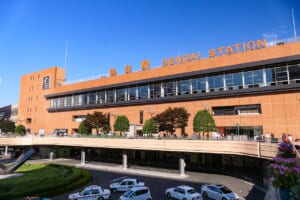
Yamagata Station is the useful rail handoff. The operator identifies No. 1 bus stop for Zao Onsen and lists the line as non-reserved. Its timetable gives a journey of around 40 minutes to the terminal, but that is not the same as arriving at a hotel, a public bath or a ropeway entrance. Allow time to leave the train, follow the current ticket instructions and join the queue. The operator advises lining up early when the service is busy.
Use the operator’s Zao visitor guide to see the terminal-to-ropeway walk in a sample itinerary. If you have ski bags, young children or limited mobility, ask your lodging about pickup or luggage handling before relying on a short map distance. Confirm its pickup point and operating hours directly; a bus to the terminal is not a door-to-door transfer.
Plan the return before heading uphill. A bus that suits an afternoon arrival does not prove that a return service fits your dinner, train or last ropeway. Check both directions on the operator’s current timetable and leave a buffer for reaching the terminal. The first listed return has a day-of-week and holiday exception, so an itinerary built around the earliest departure needs a specific date check.
Choose a car only after solving parking and the road
A car can make sense when Zao is one stop in a wider Yamagata drive, your accommodation is away from the terminal, or your party has equipment that is awkward on a bus. The resort access guide identifies the road approach, but a route on a map is only the start of the decision. Ask your hotel or activity site for its exact parking area, any fee, arrival instructions and whether the space is usable on your travel date.
Do not assume every facility has public parking. The Zao Onsen Tourist Association’s facility information specifically notes that several public baths have no public parking and directs drivers to designated spaces at facilities. Parking near one bath should not be treated as a general village parking pass. If you intend to visit a bath and then a ropeway, decide where the car may stay for each part of the day.
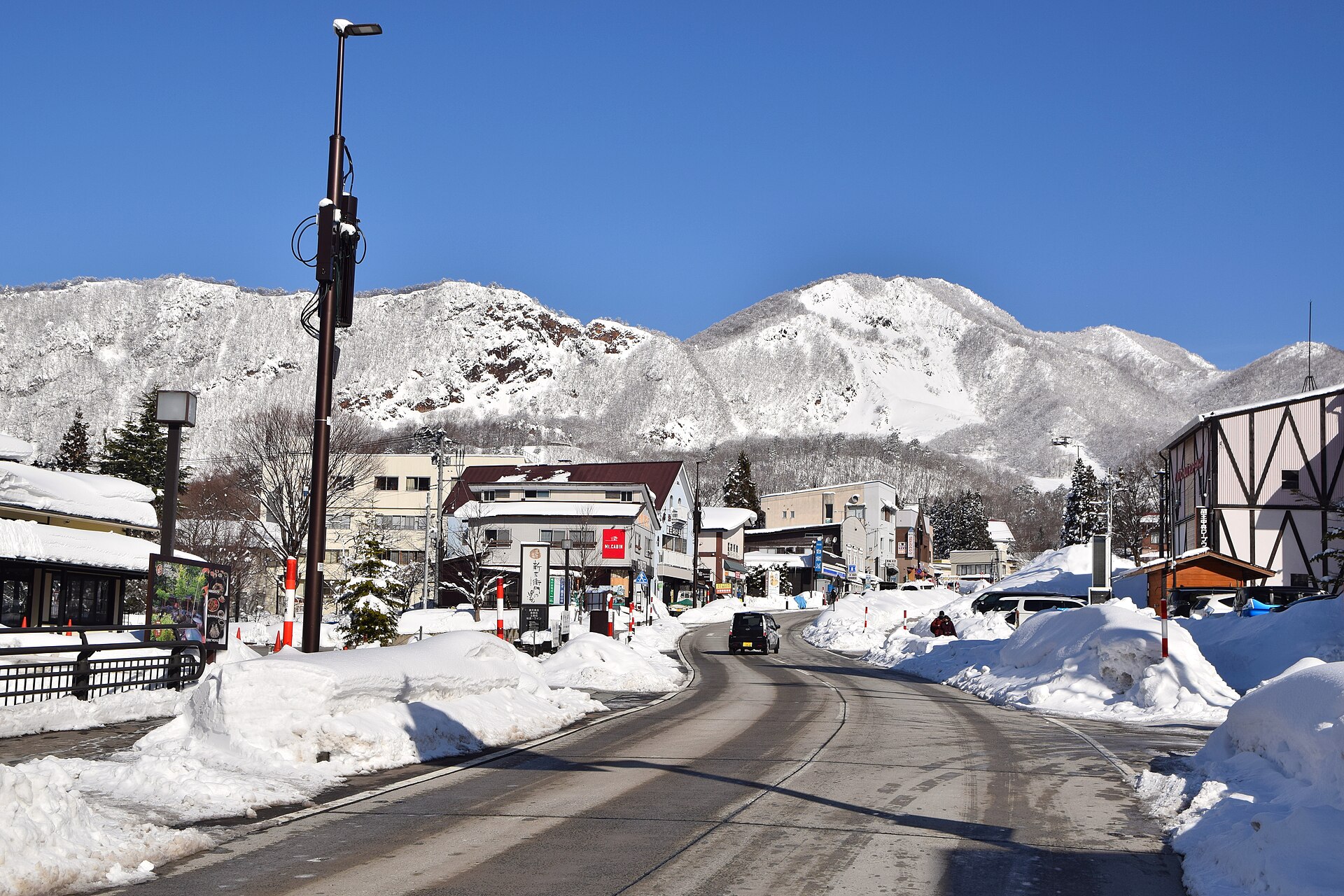
In winter, the prefecture warns that snow and frozen roads can cause closures or long detours. It advises winter tires or chains and checking weather and road information before departure. If your rental company cannot confirm suitable equipment, or if you have no experience on snow, choose the bus or revise the day rather than treating the drive as a time-saving shortcut. Road and bus conditions can both change, so verify your own travel date.
Match the arrival to your actual Zao plan
Zao Onsen is a resort area rather than a single entrance. The bus terminal, hotel, baths and ropeway are different places. For a ropeway-focused day trip, start with the ropeway’s actual operating notice and work backward to a bus that gives enough walking and queue time. For an overnight stay, work backward from hotel check-in, dinner and pickup arrangements. If your plan includes other Yamagata stops, a car may save repeated transfers only when parking and winter driving remain practical.
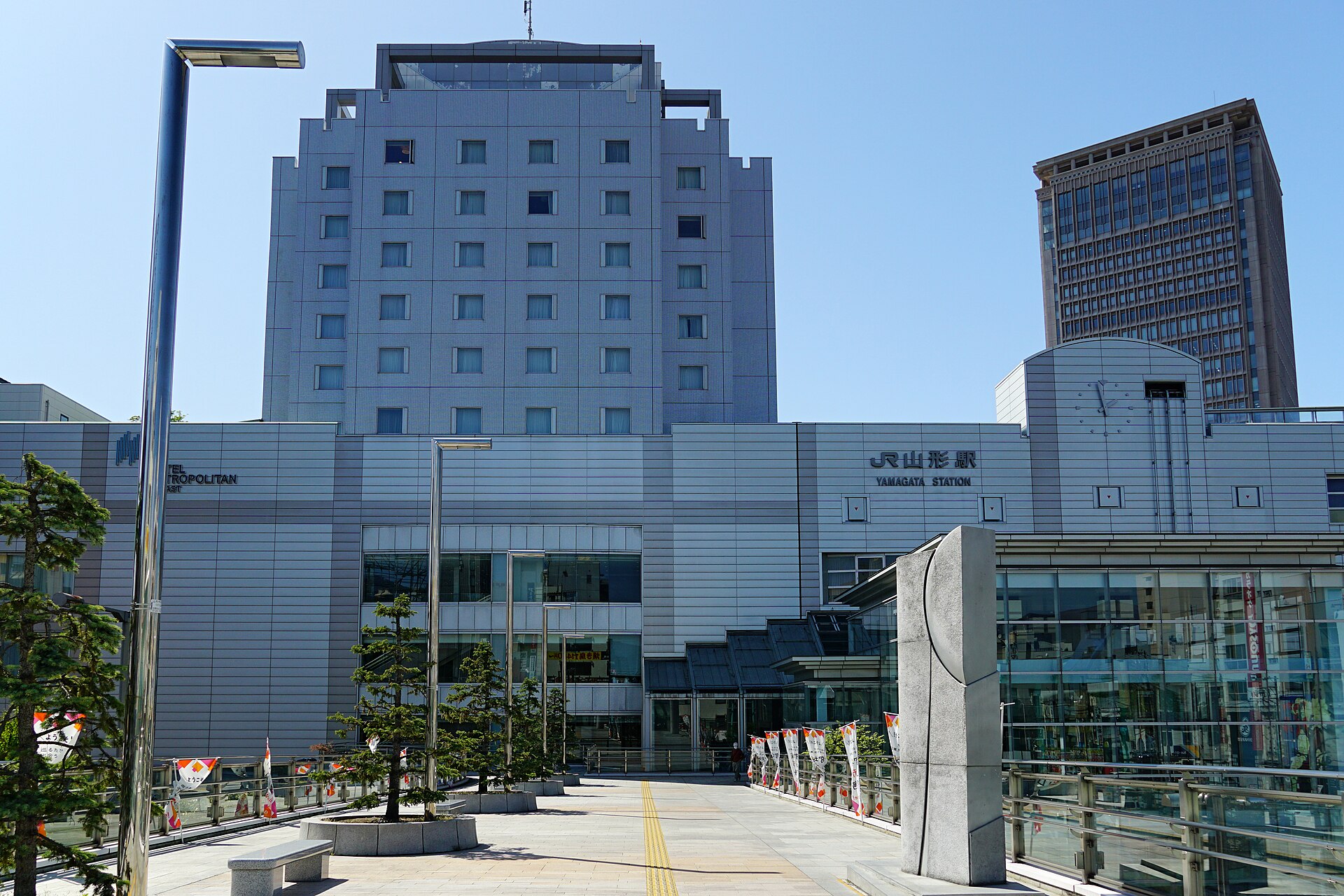
Our Yamagata Station versus Zao Onsen stay guide handles the separate decision of where to sleep. The Yamagata guide gives the wider prefecture context; the Miyagi and Fukushima guides help build an onward Tohoku route. If you are arriving from Sendai, use our Sendai to Yamagata transport guide for that earlier leg, then add this Zao transfer separately.
The choice rule is simple: bus for a train arrival and manageable final walk, car for a confirmed multi-stop or luggage need with suitable parking and conditions. Check the official operator fare and timetable, your lodging or attraction access instructions, and current road status for your travel date before committing to either plan.
Official sources: Yamagata Kotsu Zao line, Yamagata Kotsu Zao trip guide, Zao Onsen resort access, Zao Onsen resort facilities, Yamagata winter road guidance, Yamagata tourism Zao Onsen.