A Sapporo to Otaru day trip is easiest when you decide what kind of day you want before choosing the vehicle. Take the train first when Otaru Station, the Canal area and an easy return to Sapporo are the point of the trip. Consider a car only when you have a specific reason to travel beyond that compact station-to-Canal core—such as a coastal stop, a group with heavy equipment, or a plan that would otherwise require several local connections. A car is not automatically more flexible if it adds parking decisions to a day that works well on foot.
As of 2026-09-02, JR Hokkaido lists the Sapporo–Otaru–Oshamambe corridor in its current timetable search, and JNTO describes Otaru as easy to reach by train or bus from Sapporo Station. JNTO gives a roughly 30–35 minute rapid-train planning estimate; JR Hokkaido’s published regular-ticket page lists a Sapporo–Otaru non-reserved Airport train fare of JPY 800. Treat both as planning context, not a substitute for the live timetable, service notices and seat conditions on your travel date.
| Your day is mainly about | Choose | Why it fits |
|---|---|---|
| Otaru Station, Canal walk, cafés and an easy return to Sapporo | Train | It keeps the day on the rail-and-walk axis and avoids a parking decision for a compact central visit. |
| A specific coast-side stop or an itinerary that continues beyond the central Canal area | Car, if the extra stops are real | Driving can reduce local connections only when the wider route is part of the plan, not just a vague idea of flexibility. |
| One fixed Canal activity but otherwise a relaxed, uncommitted day | Train | Arrive at the station, walk or use local transport as needed, and keep the return independent of a car-parking deadline. |
| Winter road conditions, a late return or uncertain weather | Train unless you are prepared to drive for the conditions | Use live rail status or road information; do not treat a scenic map route as a weather-proof plan. |
Take the train when the Canal and central Otaru are the whole point
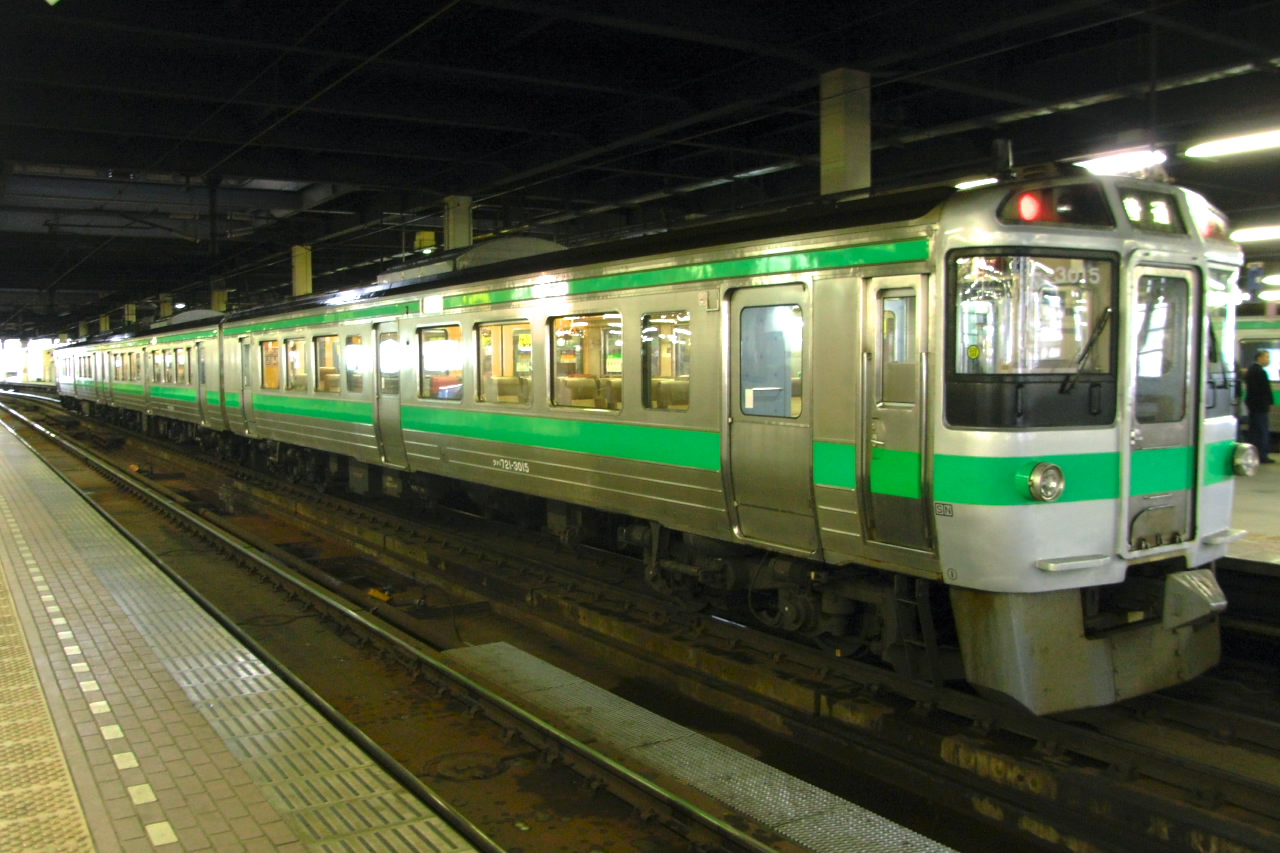
For most first-time Sapporo visitors, train is the better starting assumption because the compact part of Otaru is the reason for the detour. JNTO places Otaru within an easy train-or-bus trip from Sapporo Station and gives the rapid train a roughly 30–35 minute journey estimate. JR Hokkaido’s official search explicitly includes the Sapporo–Otaru corridor, so you can check the exact departure, transfer and disruption information instead of following an old blog timetable.
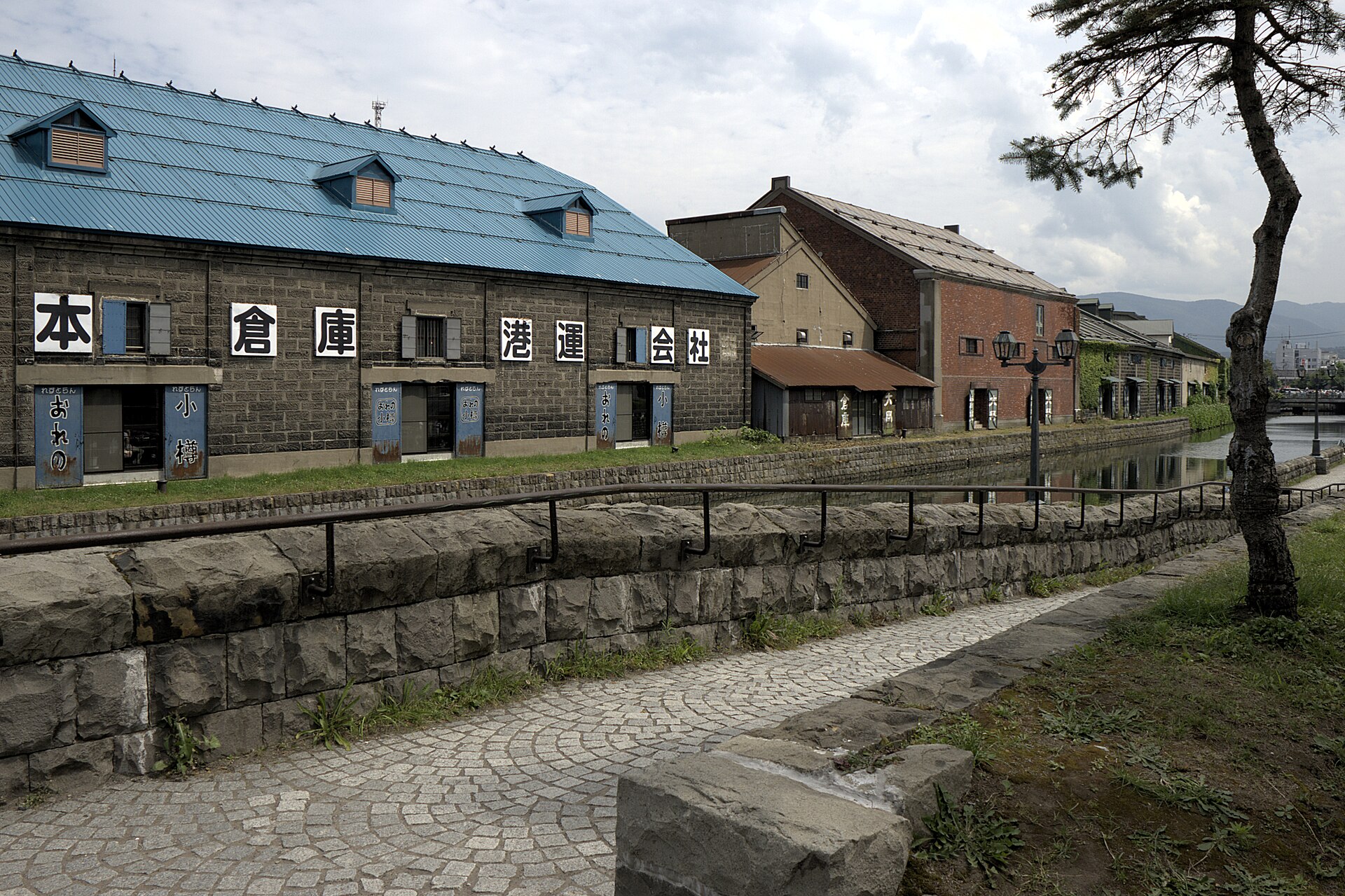
The rail-first plan is especially strong when you want to arrive, orient yourself at Otaru Station, walk toward the Canal and decide the rest of the afternoon as you go. The current JR fare page lists a JPY 800 Sapporo–Otaru non-reserved Airport train fare and separately notes reserved-seat conditions. Check the current fare, train type and availability before travelling: do not assume that an Airport train, a local train and a reserved seat are interchangeable simply because they share part of the route.
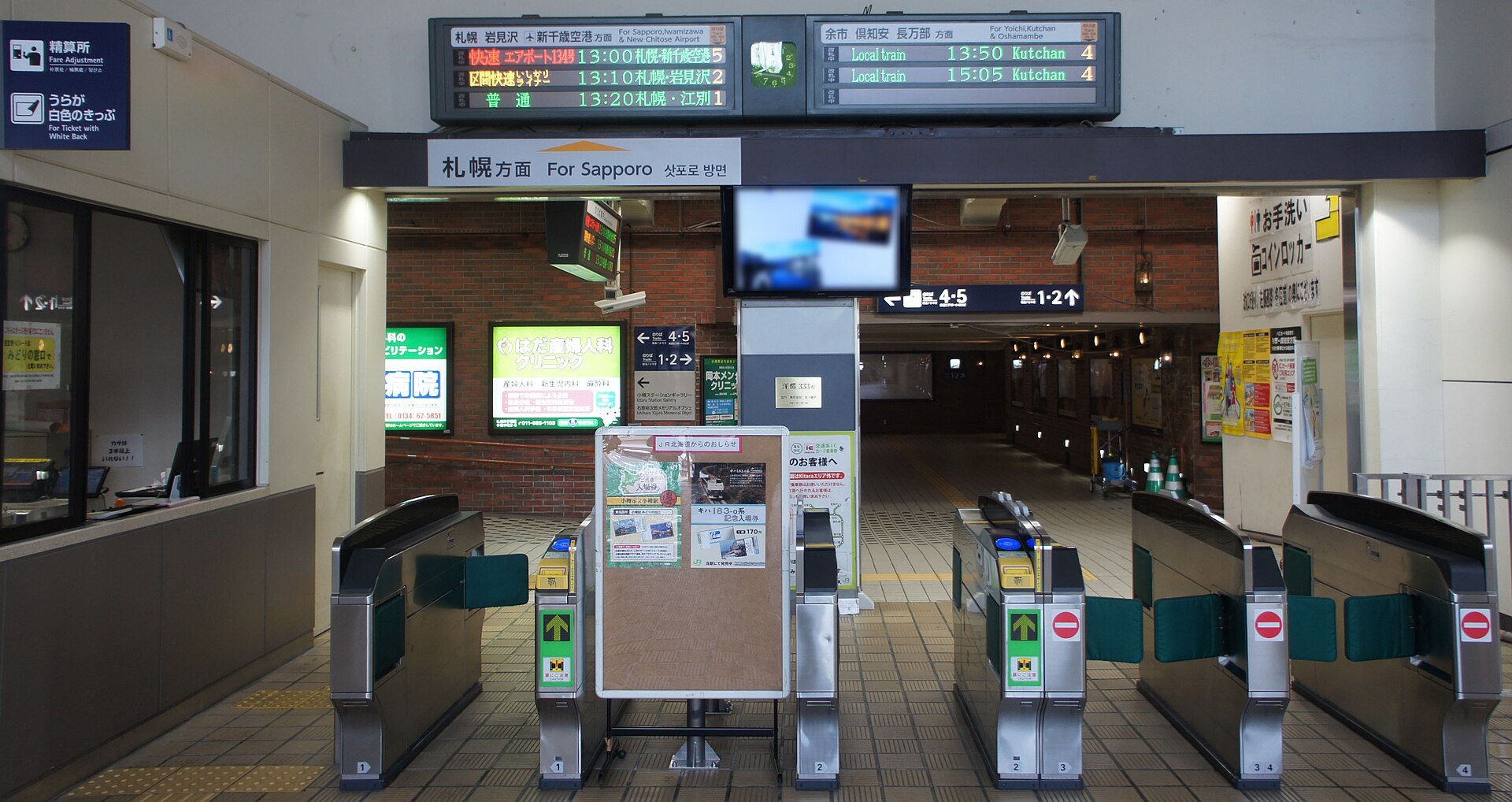
Train also protects the return decision. If rain, wind or a slower-than-expected lunch changes the shape of the day, you can reduce the walking plan and use the current timetable to head back. That is usually more useful than having a parked car when your destination is a walkable central area. Carry only the luggage you need for the day; a day trip works best when Otaru Station is an arrival point, not a place to manage a full hotel move.
Use a car only when it unlocks a wider Otaru route
A car makes sense when it has a clear job. For example, you may be travelling with family equipment, linking a coastal location into the day, or continuing somewhere that is awkward from the station. In that case, decide the actual stops before collecting the car: the benefit is the ability to connect a wider route, not the ability to circle central Otaru looking for a place to leave it.
Do not choose driving merely to reach the Canal. The Canal operator’s official access information publishes parking cautions and notes periods when affiliated parking is unavailable. That is useful access evidence even if you are not taking a cruise: a Canal-focused visit still needs a parking plan. Check the exact car park, road conditions and seasonal notices on the day, and be ready to switch to public transport if the car adds more uncertainty than it removes.
Make the return part of the decision
The right mode is often revealed by the final two hours. If you want a flexible dinner back in Sapporo, a rail return keeps the day simple. If your route includes a genuine out-of-centre stop and you are comfortable with the road conditions, driving can keep the geography coherent. In either case, check the live source after choosing the shape of the day: JR Hokkaido for the actual train and operation status, or current road and parking information for a car plan.
A simple Sapporo-to-Otaru planning order
- Name the non-negotiable stop. If it is the Canal and central streets, begin with the train plan.
- Add every stop after the Canal. Choose a car only if those real stops make local connections impractical.
- Check the current operator, not a copied timetable. Search the Sapporo–Otaru corridor on JR Hokkaido for your date and time.
- Protect the return. Set a weather and daylight margin, especially before committing to a coastal driving loop.
- For a Canal-side activity, check access separately. Parking and operating conditions are local, date-specific facts.
The short answer
Take the train when your Otaru day is a station-to-Canal visit with a flexible return to Sapporo. Drive only when a defined wider coastal route, group needs or onward plan makes the extra road and parking responsibility worthwhile. Continue with the Hokkaido travel guide, the Otaru Canal guide, and the Sapporo travel guide when shaping a longer Hokkaido itinerary.
Sources checked: JR Hokkaido route and timetable search, JR Hokkaido regular tickets, JNTO Otaru guide, and Otaru Canal access. Checked 2026-09-02.