


Iwate Travel Guide
Iwate is a strong Japan travel destination for Tohoku history, temples, rugged coastlines, caves, hot springs, and mountain landscapes.
Quick facts
- Best for: Tohoku history, temples, rugged coastlines, caves
- Recommended stay: 1 to 3 days
- Best season: Spring, autumn, and key local festival seasons
- Main bases: Hiraizumi, Morioka, Geibikei, Sanriku Coast
Why visit Iwate
Iwate is Japan’s second largest prefecture and one of its emptiest, which suits what it does best: quiet, old and outdoors. Chuson-ji in Hiraizumi is the head Tendai temple of the Tohoku region, and its Konjikido, the golden hall, has stood for more than nine hundred years. Geibikei Gorge is seen from a flat-bottomed boat poled between limestone walls, with the boatman singing on the way back. On the coast, Jodogahama is a beach of white volcanic rock and pines against unusually clear water, and Morioka Castle Park anchors the prefectural capital.
Getting to Iwate
Hiraizumi and Morioka are both on the Tohoku Shinkansen line from Tokyo, so the inland sights are easy. The coast is the harder half — Jodogahama and the Sanriku shoreline take a further local train or bus, and that leg is what turns Iwate from a stop into a proper two- or three-day trip. Winters here are serious, and mountain routes can close, so check conditions before building a plan around them. Our Plan Your Japan Trip reference covers choosing a season.
Top Attractions in Iwate
Chuson-ji Temple
Chuson-ji is a UNESCO World Heritage temple complex in Hiraizumi, Iwate, best known for the gold-covered Konjikido hall built in 1124 and a wooded approach lined with centuries-old cedar trees.
- Price
- Paid. Adult admission is around yen 1,000, covering Konjikido, the Sankozo treasure hall, and Kyozo. Discounts apply for students and children.
- Time needed
- 1 to 2 hours.
View practical details
- Best time
- Spring fresh greenery or November foliage; the temple is quieter on weekday mornings.
- Good for
- History and Buddhist art fans, UNESCO World Heritage visitors, and travelers exploring the Hiraizumi area.
What to do
- Walk the tree-lined Tsukimizaka approach up to the main temple grounds.
- View the Konjikido, the small gold-leaf-covered hall protected inside a modern glass building.
- Visit the Sankozo treasure hall to see temple artifacts and National Treasures up close.
- Continue on to the Kyozo sutra repository and the quieter side halls if time allows.
Tickets and fees
Checked in July 2026: admission is paid on-site at the ticket counter near the entrance; no advance booking is generally needed outside of major festival dates. Hours run roughly 8:30 to 17:00, shorter in winter, so plan to arrive well before closing.
Getting there
From Hiraizumi Station, Chuson-ji is about a 5-minute ride by regular bus or a 20 to 30 minute walk uphill. The Hiraizumi Loop Bus also stops near the entrance.
Nearby
Combine this with Geibikei Gorge for a full day in the Ichinoseki-Hiraizumi area, both reachable from Ichinoseki Station.

Geibikei Gorge
Geibikei Gorge is a scenic limestone river gorge near Ichinoseki, Iwate, where flat-bottomed boats are poled along the Satetsu River beneath cliffs up to 100 meters tall.
- Price
- Adult round-trip boats are ¥2,000; elementary-school children ¥900; children aged 3+ ¥200. A small pet held in your arms is ¥200 extra.
- Time needed
- Allow about 90 minutes: a round trip on the Satetsu River plus roughly 20 minutes to walk at the turnaround point.
View practical details
- Best time
- Late May to early June for wisteria, or mid-October to early November for autumn foliage along the cliffs.
- Good for
- A calm, accessible scenic cruise for families and travelers who want a low-walking nature stop.
What to do
- Ride a flat-bottomed boat guided by one boatman or woman along the calm Satetsu River.
- Use the 20-minute turnaround stop to walk farther into the gorge and try the undama wishing stones (two cost ¥100).
- Look for Daigeibiggan, the 124-metre cliff at the far end of the route, and Shishigahana, the lion-shaped rock that gave Geibikei its name.
- Listen for Geibi Oiwake, the boatman song performed on the return journey.
Tickets and fees
Checked in July 2026: the operator lists daily service, subject to weather. From April 1 to November 5, departures are 8:30, 9:30, 10:00, then hourly from 11:00 to 16:00; the late-autumn and winter timetable is shorter, so check the official timetable before travelling. Groups of 15+ must reserve. Boats can accommodate wheelchair users; kotatsu boats run December to February.
Getting there
From Ichinoseki, take the JR Ofunato Line to Geibikei Station (about 30 minutes), then walk about 5 minutes to the pier. The operator also lists Iwate Kotsu bus service from Ichinoseki Station (about 42 minutes plus a 3-minute walk) and a seasonal direct bus from Hiraizumi Station (about 35 minutes plus a 3-minute walk). By car, it is about 30 minutes from Ichinoseki IC; parking is available nearby.
Nearby
Pair this with Chuson-ji in Hiraizumi, a short train ride away via Ichinoseki Station.

Jodogahama Beach
Jodogahama Beach is a striking stretch of the Sanriku Coast in Miyako, Iwate, where white rhyolite rock spires jut out of clear blue-green water framed by pine trees.
- Price
- Free to visit the beach itself. Optional short sightseeing boat cruises around the rocks are paid, typically around yen 1,500 per adult.
- Time needed
- 1 to 2 hours, longer if you take a boat cruise or walk the coastal trails.
View practical details
- Best time
- Clear summer days for the clearest water color; the beach is also a well-known spot for sunrise.
- Good for
- Coastal scenery, short walks, photography, and a break from Iwate's inland sightseeing.
What to do
- Walk down from the visitor center to the pebble beach for the classic view of the white rock spires.
- Take an optional short sightseeing boat cruise around the rocks and sea caves, if operating that day.
- Walk part of the coastal trail for views from above the beach.
- Visit the Jodogahama Visitor Center to learn about the Sanriku Coast and its tsunami recovery.
Tickets and fees
Checked in July 2026: the beach itself has no entry fee. Boat cruises and rental items are paid on-site near the beach; schedules can be reduced in winter or in rough weather, so check locally on arrival.
Getting there
From Miyako Station, take an Iwate Kenpoku Bus toward Jodogahama, about 15 to 20 minutes; the beach is roughly a 15-minute walk from the visitor center bus stop. Miyako is reached from Morioka via the JR Yamada Line or a direct bus, around 2 hours.
Nearby
If you are routing through Morioka, Morioka Castle Park makes an easy stop on the way to or from Miyako.

Morioka Castle Park
Morioka Castle Park, also called Iwate Park, is the free public park built on the ruins of Morioka Castle, known for its well-preserved Edo-period stone walls and spring cherry blossoms.
- Price
- Free. The park is open to the public with no entry fee.
- Time needed
- 45 minutes to 1.5 hours.
View practical details
- Best time
- Early to mid April for cherry blossoms, or autumn for foliage among the stone walls.
- Good for
- History fans, castle-ruin walks, and a short, easy stop near Morioka Station.
What to do
- Walk among the multi-era stone walls, built entirely from local granite rather than earth ramparts.
- Look for the different masonry styles used across the castle's construction periods.
- Visit during cherry blossom season to see around 200 flowering trees in the park.
- Stop by the nearby Morioka History and Culture Museum for background on the Nanbu clan.
Tickets and fees
Checked in July 2026: the park is open 24 hours with free entry; no ticket or reservation is needed. Some indoor facilities on site may have separate hours and small fees.
Getting there
The park is about a 15-minute walk from Morioka Station, or about 5 minutes from the Morioka Castle Ruins Park-mae bus stop.
Nearby
Morioka is a common gateway toward Jodogahama Beach on the Sanriku Coast, and toward Geibikei Gorge further south.
Latest Articles
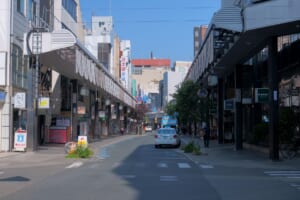 Where to Stay in Morioka: Station Area or Odori?Compare Morioka Station and Odori by actual hotel walking distance, early trains, downtown evenings and bus last miles…
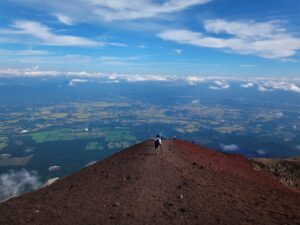 Mount Iwate Hiking Guide: Summer and Autumn Trails near MoriokaMount Iwate (2,038m) rises above Morioka in a near-perfect cone that earns it the nickname “Nanbu Fuji.” It…
This page may contain affiliate links. We may earn a commission at no extra cost to you.
Read next
Where to stay
- Use Morioka, Hiraizumi, Hanamaki Onsen as practical bases depending on your route.
- Stay near the main station for transport-heavy trips.
- Choose an onsen, coastal, or historic area for a slower overnight stay.
Sample itinerary
- Day 1: Start with the main city, food area, and easiest signature sights.
- Day 2: Visit the top nature, shrine, castle, or cultural area.
- Day 3: Add a day trip, onsen, coast, island, or rural stop if your schedule allows.
Food to try
- Wanko soba
- Jajamen
- Morioka reimen
- Sanriku uni and oysters
Common questions
What is Chuson-ji known for?
It is the head Tendai temple of the Tohoku region, and its Konjikido, the golden hall, has stood for more than nine hundred years.
Is the Iwate coast easy to reach?
It is the harder half of the prefecture. Jodogahama and the Sanriku shoreline take a further local train or bus beyond the Shinkansen line.
How long do you need in Iwate?
Two or three days if you want both halves. The inland sights are quick from the Shinkansen, but adding the coast turns Iwate from a stop into a proper trip.
Is Iwate difficult to visit in winter?
Winters here are serious and mountain routes can close, so check conditions before building a plan around them.
Explore Nearby Japan
Continue planning your route with nearby prefectures, regional guides, and useful trip planning links.
Recommended Planning Guides
Use these practical guides to plan where to stay, move between regions, and shape your itinerary before your Japan trip.
Plan Your Japan Trip
When to go, how long, where, money, and what to sort before you book.
Read planning guideJapan Transport Guide
IC cards, rail passes, the Shinkansen, and getting in from the airport.
Read transport guideHotels & Where to Stay
Compare stay areas and lodging ideas for first-time Japan visitors.
Find stay guides