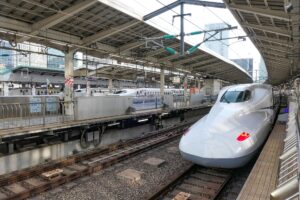
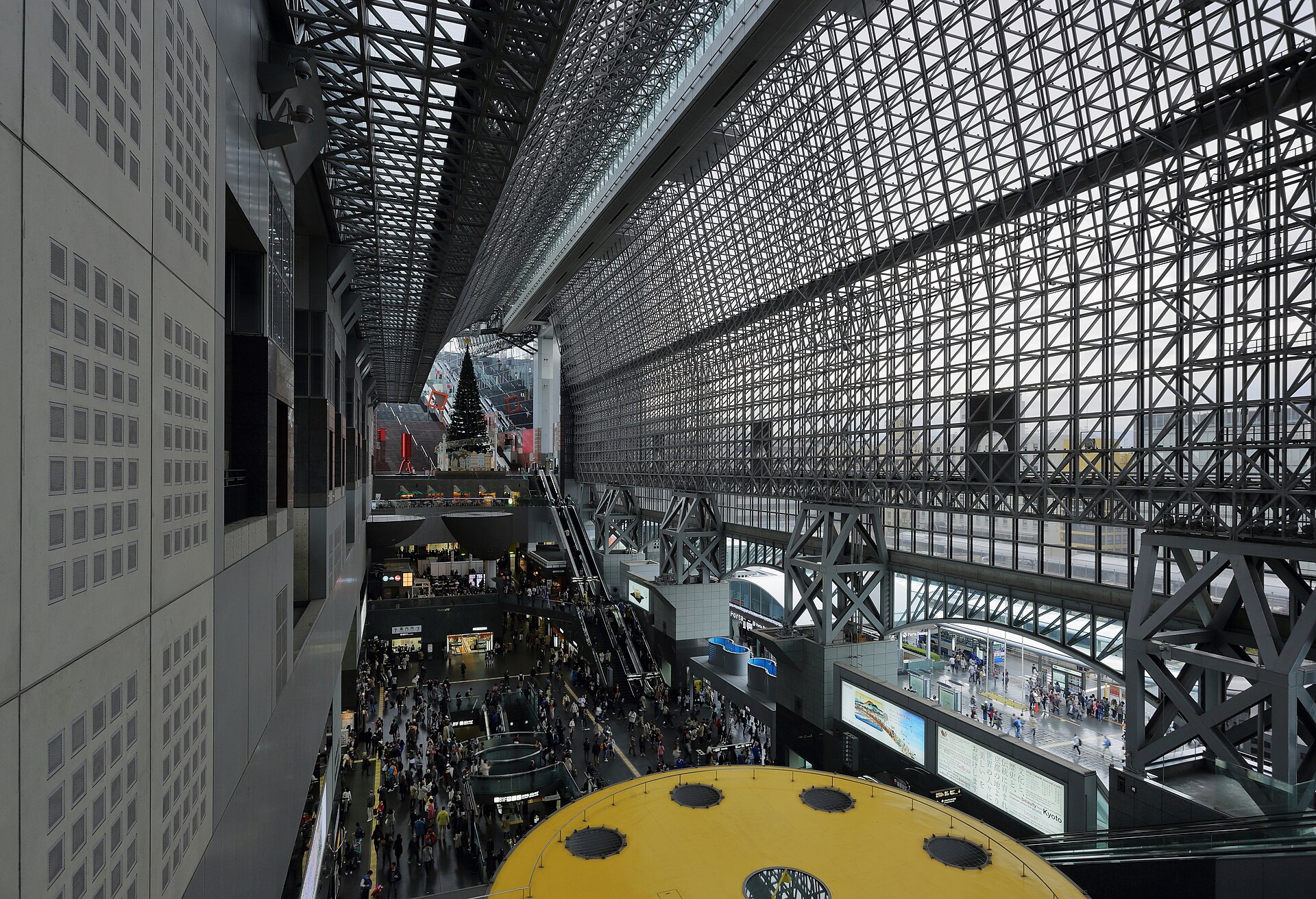
For Kyoto to Osaka, choose the railway by the stations at both ends of your day, not by a generic fastest-train claim. Take JR when Kyoto Station and Osaka Station are the useful anchors. Take Hankyu when you are near Kyoto-Kawaramachi or Karasuma and want Osaka-Umeda. Take Keihan when Gion-Shijo or the east-Kyoto side is your start and Yodoyabashi is a better Osaka arrival. The train is only one part of the journey; the last transfer can erase the benefit of a route that looked fastest on a map.
As of 2026-08-26, the official JR West planner provides both a route finder and real-time service-status entry point for the Kyoto–Osaka–Kobe area. Hankyu’s official station pages link Kyoto-Kawaramachi with Osaka-Umeda on the Kyoto Line. Keihan’s official traveller information places its visitor centres at Gion-shijo in Kyoto and Yodoyabashi in Osaka. Check the live operator timetable after you decide the corridor: special schedules and service changes belong in the day-of-travel plan, not in a copied itinerary.
| Your actual start and finish | Choose | Why |
|---|---|---|
| Kyoto Station to Osaka Station, or a JR connection at either end | JR | It keeps the trip on the station-to-station corridor. Use the official route finder for the live train and disruption status. |
| Central Kyoto near Kawaramachi/Karasuma to Umeda | Hankyu | Its official Kyoto Line endpoints are Kyoto-Kawaramachi and Osaka-Umeda, avoiding an unnecessary move to Kyoto Station. |
| Gion-Shijo or east Kyoto to Yodoyabashi/central Osaka | Keihan | It is the corridor to consider when the Kyoto start and Osaka finish already sit on its side of the cities. |
| Large luggage or a timed onward connection | The route with fewer last transfers | Choose the station closest to the hotel, reservation or next train, then verify the current timetable. |
Use JR when Kyoto Station and Osaka Station are the real endpoints
JR is the straightforward answer when your hotel, shinkansen, airport connection or onward train already points to Kyoto Station or Osaka Station. It is not automatically the answer for every Kyoto address. If you are staying near the river, Gion or Kawaramachi, first count the time and effort needed to reach Kyoto Station with luggage. The sensible route is the one that removes a transfer from the beginning or end of the day, even if another line looks slightly shorter between its platforms.
Use the JR West route finder after you have fixed the actual stations. Its real-time status information is especially useful on a day with a reserved activity or a long-distance connection. Do not build an itinerary around a single historic timetable screenshot: check the live route, service notices and platform information shortly before leaving.
Use Hankyu for Kyoto-Kawaramachi to Osaka-Umeda
Hankyu is the better fit when downtown Kyoto and Umeda are already the places you need to be. The operator’s Kyoto-Kawaramachi page lists Osaka-Umeda on the Kyoto Line; its Osaka-Umeda page lists Kyoto-Kawaramachi in the other direction. That is the important fact for a traveller based near Kawaramachi or Karasuma: you can start on the relevant corridor instead of travelling back to Kyoto Station first.
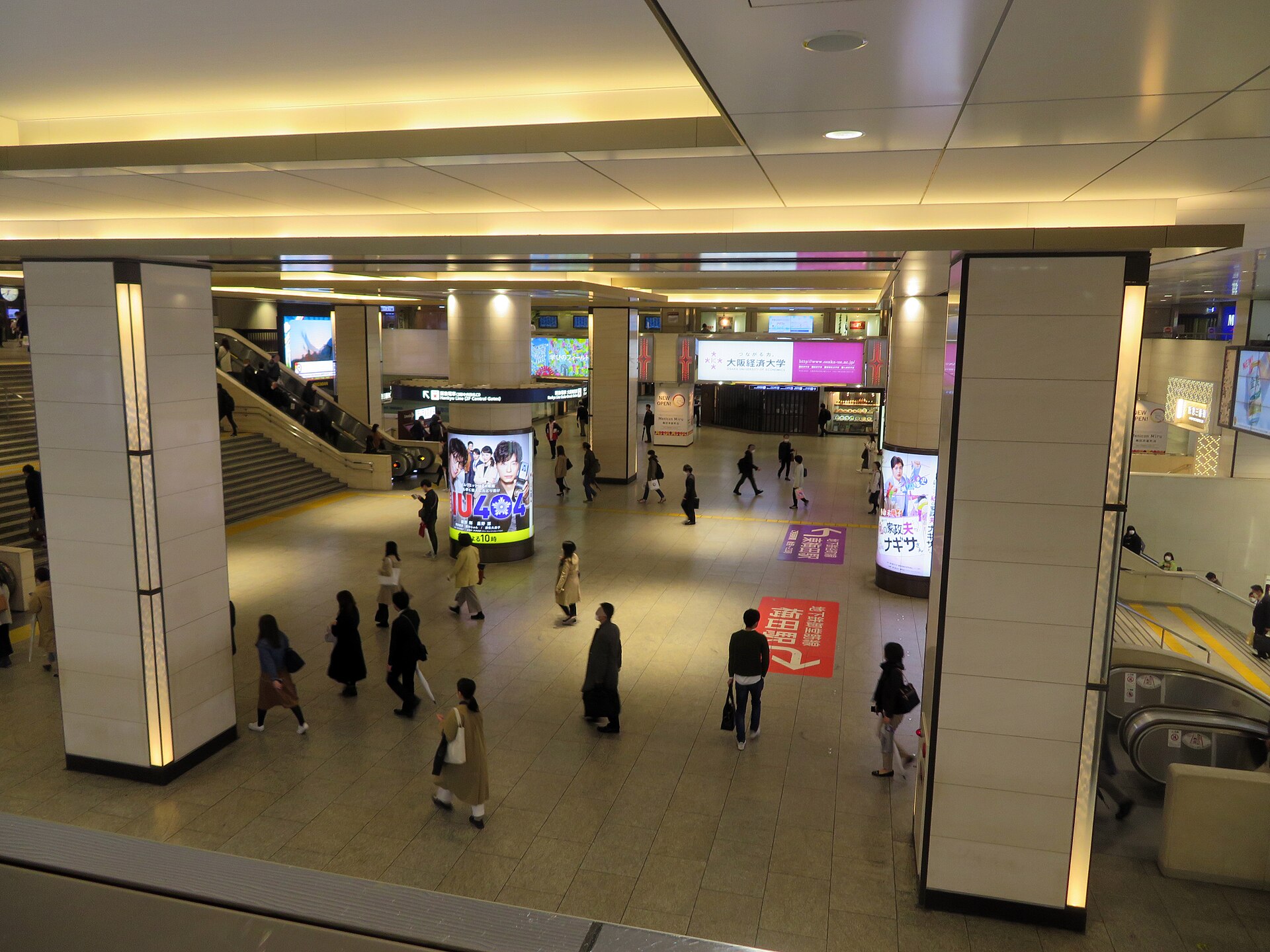
At the Osaka end, treat Umeda as the destination only if Umeda, Osaka Station or the northern-central city is genuinely where you are headed. Hankyu’s own pages give current timetable links and station maps, and its tourist centres at both Osaka-Umeda and Kyoto-Kawaramachi offer multilingual information and luggage-related services. Verify the current service pattern for your day; choose the corridor first, then the specific train.
Use Keihan when Gion-Shijo and Yodoyabashi make the transfer disappear
Keihan is often the least obvious but most practical choice for a stay near Gion-Shijo or east Kyoto, especially when the Osaka finish is around Yodoyabashi rather than Umeda. Keihan’s visitor information is located inside Gion-shijo Station and in front of Yodoyabashi Station, a useful reminder that this is a different Kyoto–Osaka corridor, not a detour to force into a Kyoto Station plan.
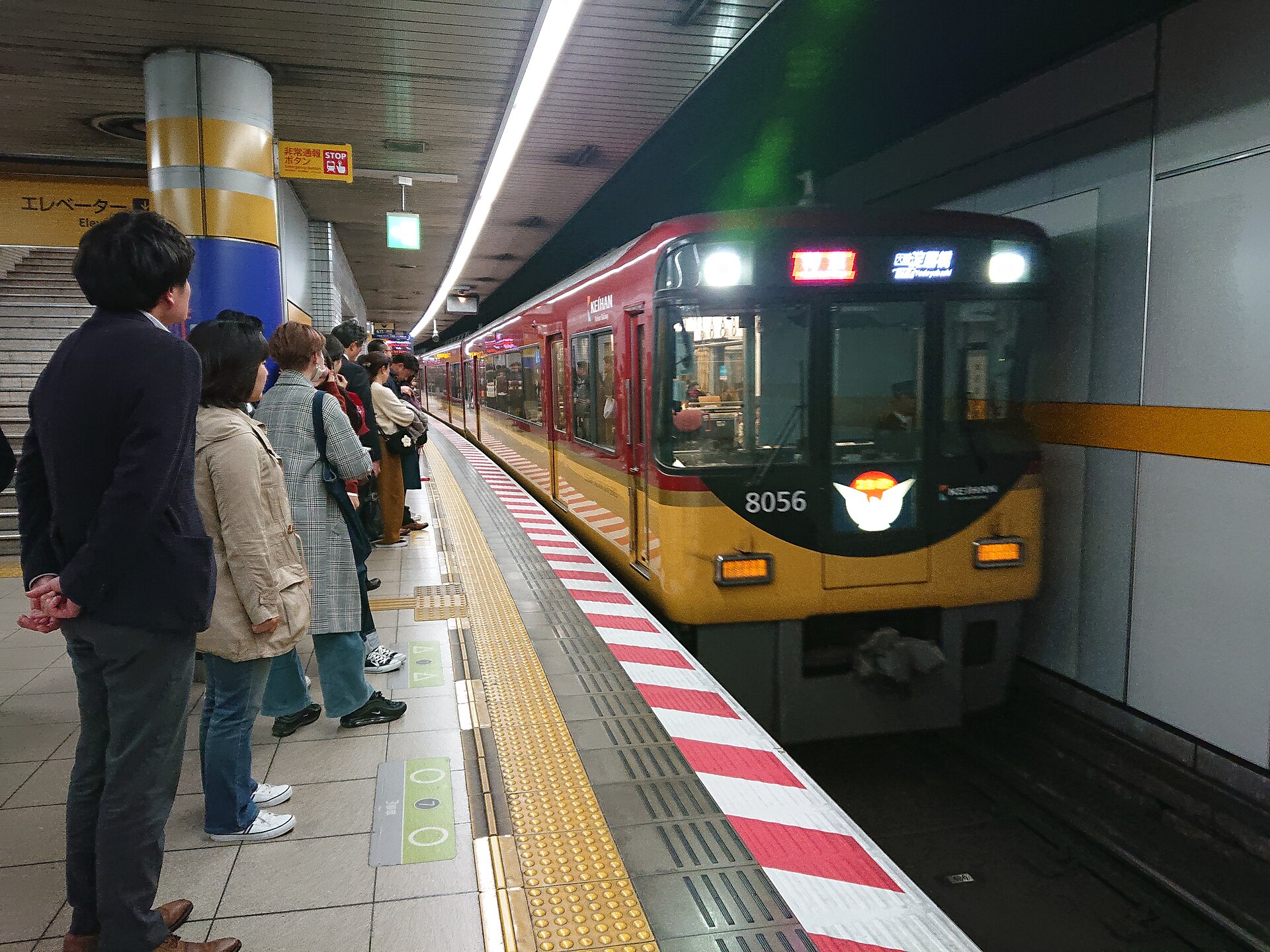
Choose it for endpoint fit, not because the name sounds more scenic. If your final Osaka destination is actually Umeda, compare the transfer that follows; if your Kyoto hotel is beside Kyoto Station, compare the first transfer instead. The route becomes good when it reduces city-crossing, not when it wins an abstract line-versus-line contest.
A simple booking and travel order
- Write the two real addresses first: hotel or activity in Kyoto, then hotel, meeting point or onward station in Osaka.
- Match them to a corridor: Kyoto/Osaka Stations for JR, Kawaramachi/Umeda for Hankyu, or Gion-Shijo/Yodoyabashi for Keihan.
- Count the last transfer with luggage: a direct city-centre arrival is usually worth more than a nominally faster train plus two changes.
- Check the operator on the day: use current timetable and service-status pages for the actual departure.
The short answer: JR is for Kyoto Station to Osaka Station logic; Hankyu is for Kyoto-Kawaramachi to Osaka-Umeda logic; Keihan is for Gion-Shijo to Yodoyabashi logic. Start with where you are sleeping or meeting, and the right line becomes much clearer. Continue with the Kyoto travel guide, the Osaka travel guide, and the Shiga travel guide for an onward Kansai plan.
Sources checked: JR West routes and timetables, Hankyu Kyoto-kawaramachi, Hankyu Osaka-umeda, and Keihan traveller information. Checked 2026-08-26.