Choose the Limited Express Hida from Nagoya when a faster rail journey and a reserved seat are worth paying more for. Choose the highway bus when the lower fare and one-seat ride matter more than avoiding road-time uncertainty. Both arrive beside the same useful Takayama transport hub: JR Takayama Station and Takayama Nohi Bus Center are next to each other. The meaningful decision is therefore not which option gets closer to the old town, but whether you want to spend more for a rail timetable or keep the journey direct and cheaper.
| Decision point | Limited Express Hida | Highway bus |
|---|---|---|
| Fare | Higher: an ordinary-season planning baseline is about ¥5,610 in a non-reserved seat or ¥6,140 reserved; confirm the current rail fare and season. | Lower: Meitetsu Bus lists ¥3,600 adult one way from Nagoya, or ¥3,300 with its qualifying web fare. |
| Journey time | Usually about 2½ hours on a direct Hida service; confirm the chosen train. | About 2 hours 35 minutes for the scheduled direct service; road conditions can change the actual journey. |
| Transfers | None on a direct Nagoya–Takayama Hida train. | None from the listed Nagoya boarding points to Takayama Nohi Bus Center. |
| Booking | Buy the base fare and the required limited-express ticket; reserve early when a specific seat matters. | Reservation required. Online booking has a payment deadline, so do not leave an unpaid reservation open. |
| Arrival | JR Takayama Station. | Takayama Nohi Bus Center, next to JR Takayama Station. |
| Best for | A tighter arrival plan, a rail connection, or travellers who value a reserved seat. | A lower-cost direct ride when the departure time and road journey fit the day. |
| Trade-off | Costs more and has fewer departure choices than a bus timetable. | Cheaper and direct, but traffic and highway conditions can matter more on a fixed-arrival day. |
Fares, schedules, service patterns and reservation conditions can change. Before you pay for a hotel, tour or onward bus, confirm the current JR Central Hida ticket information and the official Nagoya–Takayama highway-bus page for your travel date.
Choose Hida when the arrival clock matters more than the fare
Limited Express Hida is the cleaner choice when the Takayama arrival is the start of a timed day: a hotel that cannot store luggage, a pre-booked activity, a same-day bus toward Shirakawa-go, or a return journey that cannot move. The official Hida route connects Nagoya with Takayama, and a direct service avoids a change along the way. That does not mean every Hida departure is identical. Check the live timetable for the train you will use, then give yourself a margin after arrival rather than planning the first old-town stop for the minute the train reaches the station.
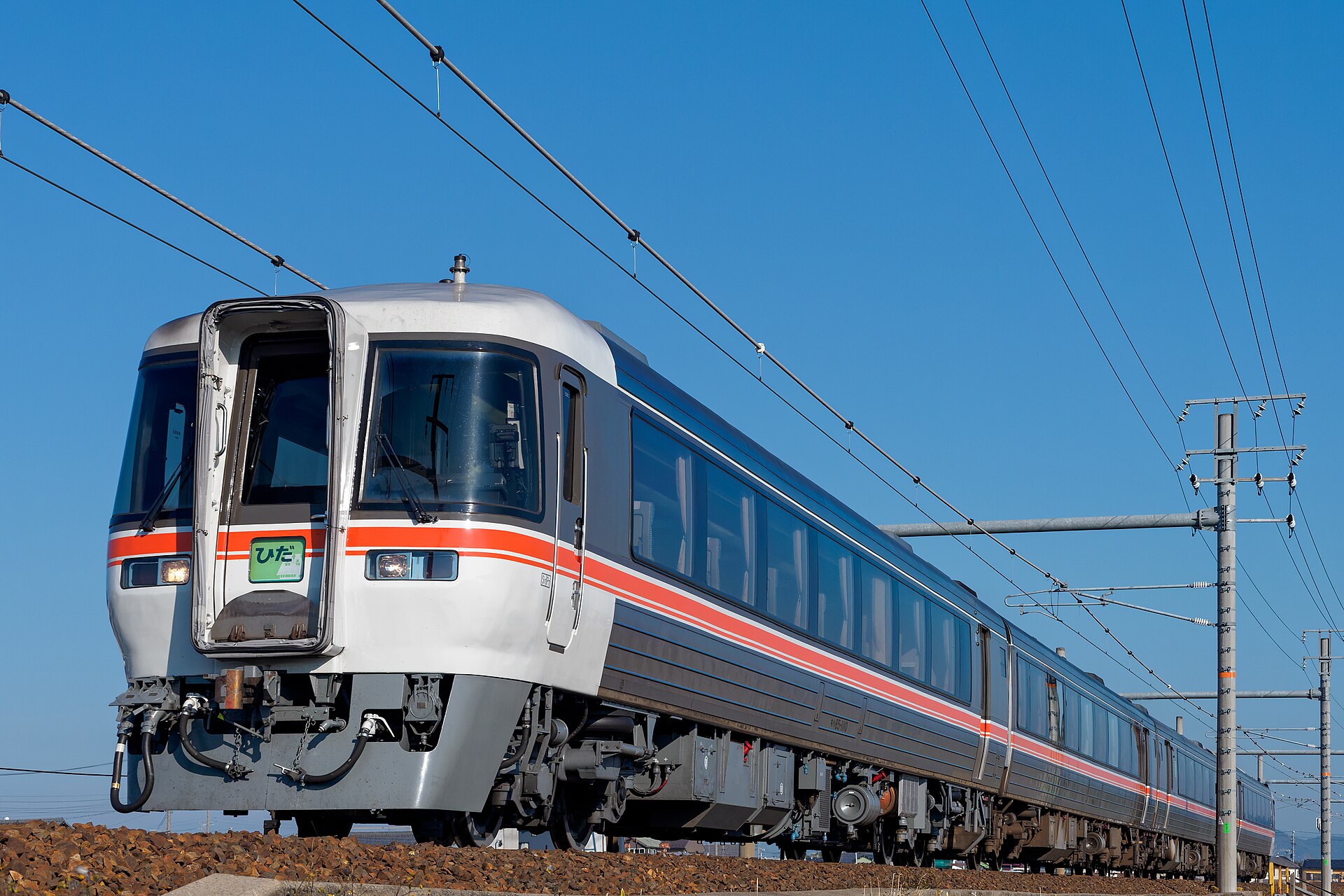
The rail price needs a little more attention than a single headline fare. JR Central’s ticketless product is a limited-express ticket; it is used with the separate base fare. Its ordinary-season figures also vary by seat and the operator notes seasonal adjustments for reserved seats. For a simple budget comparison, treat the rail option as roughly ¥2,000 to ¥3,000 more than the official bus fare, then price the exact service before booking. If a seat, a more predictable arrival and a rail-led onward plan are valuable, that difference can be sensible. If they are not, the bus deserves a real look.
Choose the highway bus when the direct ride protects the budget
The Nagoya–Takayama highway bus is not a compromise simply because it is cheaper. Meitetsu Bus lists direct services from the Meitetsu Bus Center and JR Nagoya Station area to Takayama Nohi Bus Center. Its adult one-way fare is listed at ¥3,600, with a lower qualifying web fare shown on the same official page. For a traveller starting close to one of those boarding points and staying near Takayama Station or the old town, that can remove both a rail premium and any mid-journey transfer.
The trade-off is not a vague warning about buses; it is the role of the road in your day. The published timetable is a useful plan, but traffic, weather and highway work can change how a long intercity ride feels. That makes the bus a strong choice for a flexible afternoon or a full Takayama stay, and a less comfortable choice when a missed arrival would ruin a fixed same-day connection. The route is reservation-based. Meitetsu says an online booking must be paid by the stated deadline or it is cancelled automatically, so a screenshot of an unpaid booking is not a ticket.
The station and bus center make the final walk simple
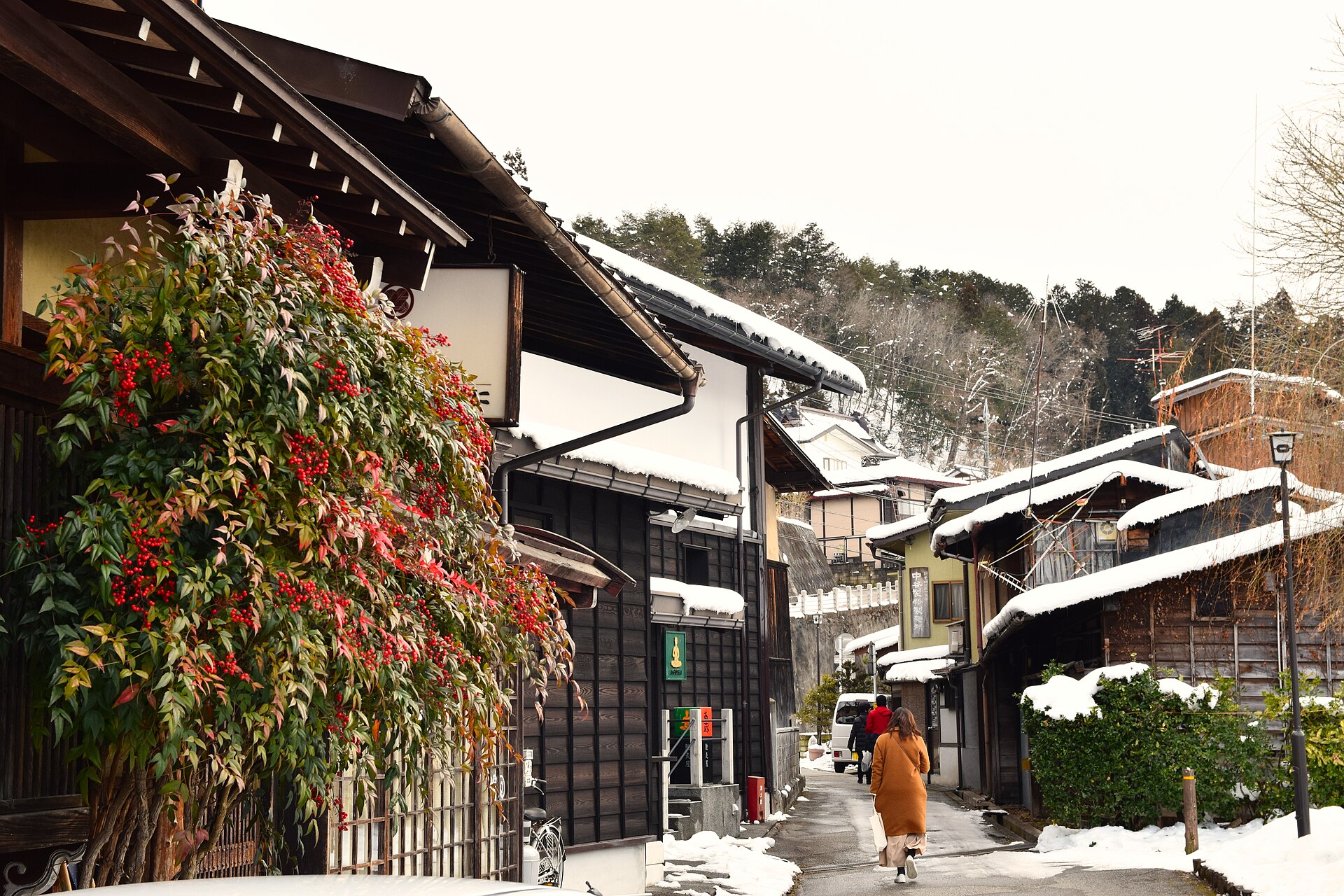
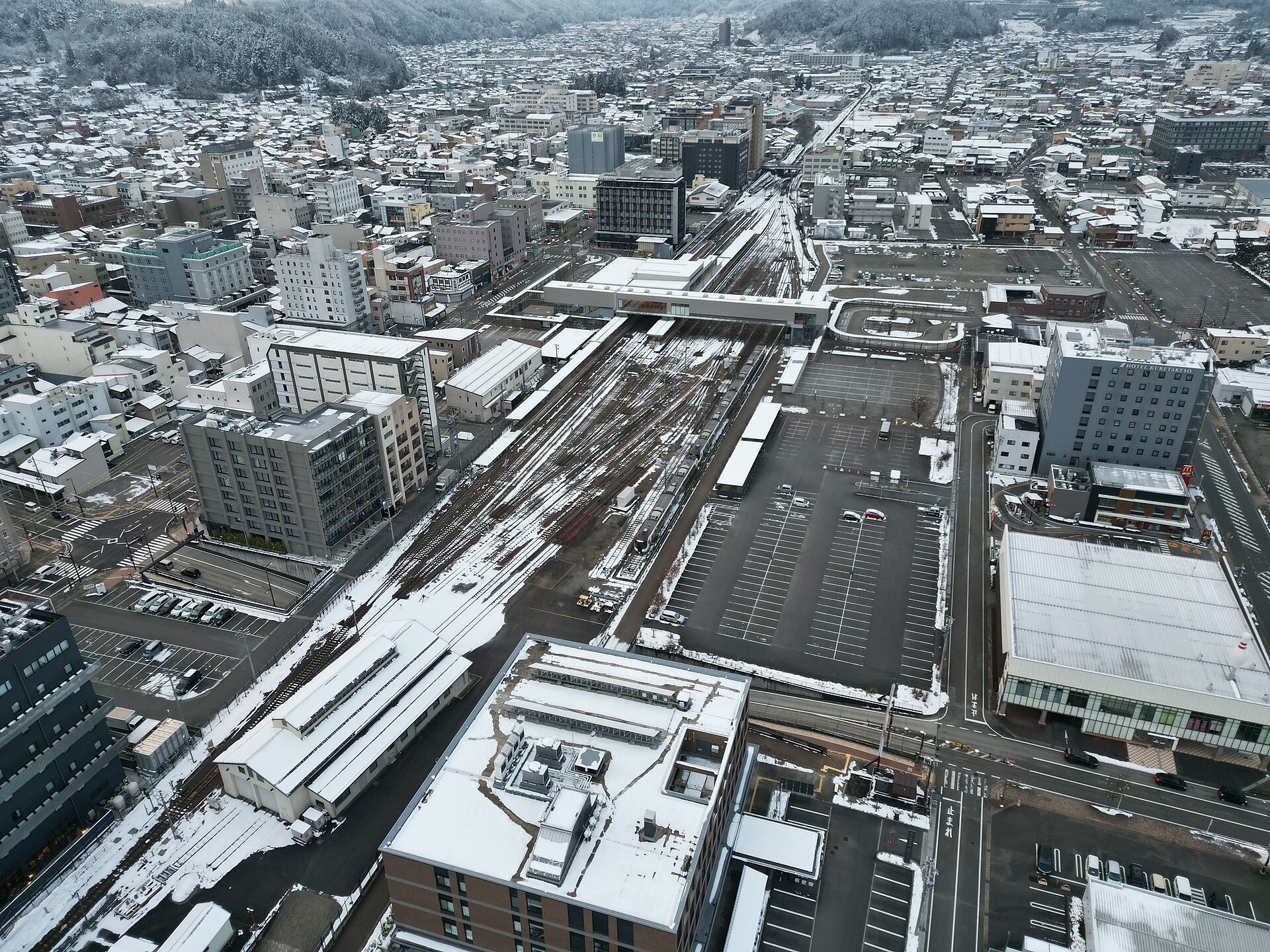
This comparison is easier than many Japanese intercity choices because the two arrivals are neighbours. Nohi Bus identifies Takayama Nohi Bus Center with JR Takayama Station, so neither mode leaves you at a remote highway stop. From there, decide the last mile based on the accommodation or the next bus, not on a generic claim that one mode is “central.” The historic Sanmachi streets are walkable from the station area for many travellers, while destinations such as Shirakawa-go, Kamikochi or the Hida-Furukawa area need their own current bus or rail connection.
A quick way to break a close call
- You have a fixed first appointment or a rail connection after Takayama: start with Hida and check the exact direct train.
- You are watching the budget and can accept a road journey: reserve the direct bus if its Nagoya departure and Takayama arrival work for your hotel.
- You have large luggage: both options are direct, so compare the actual walk to the boarding point and the final walk from the shared station-and-bus-center area.
- You arrive late or during unsettled weather: choose the option whose live operator notices and cancellation terms leave you the safer margin.
Continue planning with the Gifu travel guide, the Aichi travel guide, and the Nagoya to Takayama and Shirakawa-go guide.
Official sources: JR Central ticketless Limited Express service, Limited Express Hida, Meitetsu Bus: Nagoya–Takayama, and Nohi Bus.