

Gifu Travel Guide
Gifu is ideal for mountain towns, traditional villages, onsen stays, castles, rivers, and slower travel through central Japan.
Quick facts
- Best for: Takayama, Shirakawa-go, onsen, old towns
- Recommended stay: 2 to 4 days
- Best season: Spring, autumn, and winter village scenery
- Main bases: Takayama, Gero, Gifu City
Why visit Gifu
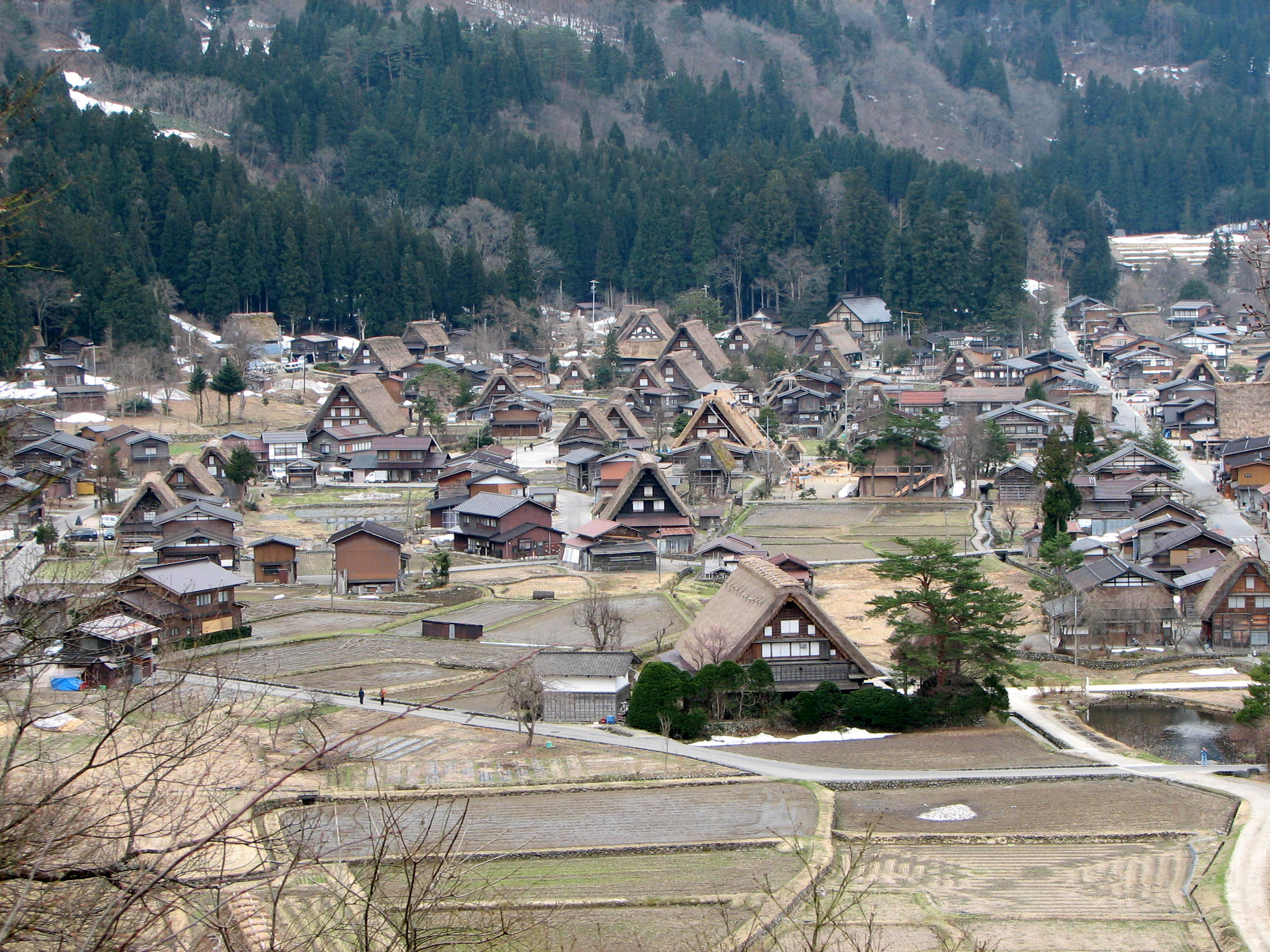
Gifu runs from the plains near Nagoya up into some of the deepest mountain country in Japan. Shirakawa-go is the reason most people come: a valley of steep-thatched gassho-zukuri farmhouses, built that way to shed enormous snowfall, and a UNESCO World Heritage site. Takayama is the town to base yourself in, with a preserved merchant quarter, a morning market and a strong festival tradition. Gero Onsen is a long-established hot spring town on the river between them, and Gifu Castle sits on a hill above the southern city with a wide view over the plain.
Getting to Gifu
Takayama is reached by limited express from Nagoya through a river gorge — a scenic ride worth taking in daylight — and Shirakawa-go is a bus onward from there, or from Kanazawa on the other side. There is no train to Shirakawa-go, so bus seats can need reserving in busy periods, and the village is at its most photographed under snow, when access is slowest. Two nights in Takayama with a day trip out is the pattern that works.
Top Attractions in Gifu
Shirakawa-go
Shirakawa-go is a UNESCO World Heritage mountain village in Gifu Prefecture famous for its gassho-zukuri thatched-roof farmhouses, some more than 250 years old, set against a rural valley backdrop that changes dramatically with the seasons.
- Price
- Free to walk the village. Entering individual gassho houses such as Wada House costs around yen 300 to 400 per person.
- Time needed
- 3 to 5 hours for a day visit, longer if staying overnight in a gassho farmhouse.
View practical details
- Best time
- Morning for fewer crowds and soft light; winter for snow-covered roofs, though winter light-up nights need advance reservation.
- Good for
- Photographers, first-time rural Japan visitors, couples, and anyone wanting a UNESCO village day trip from Takayama or Kanazawa.
What to do
- Walk the Ogimachi village core past working gassho-zukuri farmhouses, fields, and small shops.
- Climb to Shiroyama Viewpoint for the classic overlook photo of the whole village and valley.
- Go inside a preserved house such as Wada House to see the steep thatched roof structure and old attic floors.
- Note the same-day rule: visitors without an overnight reservation are generally expected to leave the village by around 3pm, so plan an early start.
Tickets and fees
Checked in July 2026: village entry itself is free, but reserved-seat expressway buses from Takayama or Kanazawa sell out early on weekends and holidays, so book seats in advance rather than assuming walk-up availability.
Getting there
No direct train access. From Takayama, take the Nohi Bus (about 50 minutes). From Kanazawa, take the Nohi Bus or Hokutetsu Bus (about 75 minutes). Seats are reservation-based on most departures.
Nearby
Combine with Takayama Old Town as a base for the bus connection, since most visitors day-trip from there.
_(35819349621).jpg)
Takayama Old Town
Gifu Castle sits atop Mount Kinka overlooking Gifu City, reachable by a short ropeway ride, and is best known for its historic link to warlord Oda Nobunaga and its wide panoramic views over the Nagara River valley.
- Price
- Paid. Castle admission is around yen 200 for adults; the Mt Kinka Ropeway round trip is around yen 1,300 for adults. Prices and hours change seasonally.
- Time needed
- 1.5 to 2.5 hours including the ropeway ride and castle interior.
View practical details
- Best time
- Clear afternoons for valley views, or evening during seasonal night-opening periods for city lights.
- Good for
- History fans interested in Oda Nobunaga, couples, and anyone wanting skyline views over Gifu City.
What to do
- Ride the Mt Kinka Ropeway up to the castle area rather than hiking, unless you specifically want the mountain trail.
- Go inside the reconstructed keep, which functions as a small museum with armor and history displays.
- Step out onto the observation level for views over the Nagara River and, on clear days, toward the Nobi Plain.
- Check current status before visiting, since the castle tower has scheduled closures for maintenance work in some periods.
Tickets and fees
Checked in July 2026: buy the castle and ropeway tickets separately or as a combined pass at the ropeway base station; confirm current opening hours and any construction closures on the official sites before your visit.
Getting there
From JR Gifu Station or Meitetsu Gifu Station, take a bus toward Gifu Koen (Gifu Park), then walk to the ropeway base station at the foot of Mount Kinka.
Nearby
Pair with a day trip to Gero Onsen for a hot spring stay, or Takayama Old Town for a longer Gifu itinerary.

Gero Onsen
Takayama Old Town, centered on the Sanmachi Suji streets, preserves an Edo-period merchant townscape of dark-wood houses, sake breweries, and small canals, and is one of the most walkable historic districts in the Japanese Alps.
- Price
- Free to walk the streets. Individual shops, sake tastings, and museums charge separately.
- Time needed
- 2 to 3 hours for the streets and shops, longer with a morning market visit.
View practical details
- Best time
- Morning, to combine with the Miyagawa or Jinya-mae morning markets before shops get crowded.
- Good for
- Food lovers, sake fans, families, and anyone wanting an easy walkable historic district.
What to do
- Walk the three main Sanmachi Suji streets lined with merchant houses, latticed windows, and eaves-side water channels.
- Look for sake breweries marked by round cedar-branch balls (sugidama) hanging over their entrances; several offer tastings.
- Try local snacks along the way, such as mitarashi dango and skewered Hida beef.
- Combine with the nearby Miyagawa Morning Market or the Jinya-mae market in front of Takayama Jinya.
Tickets and fees
Checked in July 2026: the streets are open to walk at any time, but most individual shops and breweries run on roughly 9am to 6pm hours and some close earlier, so plan an afternoon start if you want everything open.
Getting there
From JR Takayama Station, exit the East Exit and walk about 10 minutes down Ekimae Chuo Street, crossing the river toward the old town core. From Tokyo or Nagoya, reach Takayama by the JR Limited Express Hida.
Nearby
Takayama is also the usual gateway for a day trip to Shirakawa-go, and it connects to Gero Onsen by a short train ride south on the JR Takayama Line.

Gifu Castle
Gero Onsen is a compact hot-spring town in Gifu Prefecture, best planned around a current bath-pass window, free footbaths, and a visit to the thatched-house museum across the Hida River. This guide helps day-trippers and overnight guests choose a workable route and avoid arriving when a participating bath is unavailable.
- Time needed
- Allow a full day if combining a bath-pass visit, the walkable onsen town, and Gassho-mura. An overnight makes it easier to use a ryokan bath window without rushing.
View practical details
- Bath-pass planning
- Checked in August 2026: the Yume-meijin Yumeguri Tegata costs ¥2,500 (tax included), covers three participating ryokan baths, and is valid for six months. Bath availability, individual time windows, parking, and restrictions can change, so call the chosen ryokan first.
- Gassho-mura
- Gero Onsen Gassho-mura is open daily 8:30 a.m.–5:00 p.m. (last admission 4:30 p.m.); adult admission is ¥800 and elementary/junior-high admission is ¥400. The site recreates a gassho village with 10 relocated thatched houses.
- Good for
- Couples, onsen first-timers, and travelers who want a practical overnight stop between Nagoya and Takayama.
What to do
- Choose your three bath-pass stops before paying: each ryokan has its own hours, closure periods, parking rules, and possible crowd limits.
- Walk the riverside onsen town and pause at a free footbath; the cooperative lists locations and each facility's operating conditions.
- Visit Gero Onsen Gassho-mura for its 10 relocated gassho-zukuri houses, folk displays, and a hilltop view of the town.
- If you are staying at a participating ryokan, compare the reservation-only direct shuttle with the train before finalizing an arrival plan.
Tickets and fees
Checked in August 2026: the Yume-meijin Yumeguri Tegata is ¥2,500 including tax for three participating ryokan baths and remains valid for six months. It can be refused during busy periods or for a facility's restricted bath/parking conditions, so confirm directly before going.
Getting there
Gero Station is the rail arrival point. For eligible overnight guests, the Gero Onsen Ryokan Cooperative's direct Nagoya shuttle runs daily: it leaves JR Nagoya Station (Taiko-dori Exit) at 10:30 and reaches Gero around 13:00; the return leaves Gero at 14:00 and reaches Nagoya around 16:30. It costs ¥3,300 one way or ¥4,500 return, requires a participating-ryokan stay, at least two passengers, and reservation at least three days ahead; confirm the current conditions before booking.
Nearby
Gero sits on the same JR Takayama Line as Takayama Old Town, making it easy to combine both on one Gifu itinerary.
Latest Articles
 Nagoya to Takayama: Train or Bus? Compare Price, Time and ArrivalCompare the Limited Express Hida and the direct Nagoya–Takayama highway bus by fare, journey time, reservation rules and…
 Nagoya to Takayama and Shirakawa-go: Direct Bus or Train First?Choose a direct Shirakawa-go bus or a Takayama-first route from Nagoya, with reservation, overnight and return-planning advice.
This page may contain affiliate links. We may earn a commission at no extra cost to you.
Read next
Where to stay
| Area | Notes |
|---|---|
| Takayama | best base for old town streets and Shirakawa-go day trips. |
| Gero Onsen | best for hot springs and ryokan stays. |
| Gifu City | good for castle views, river culture, and Nagoya access. |
Sample itinerary
- Day 1: Takayama Old Town, morning markets, and Hida food.
- Day 2: Shirakawa-go and a mountain village walk.
- Day 3: Gero Onsen or Gifu Castle and Nagara River.
Food to try
- Hida beef
- Gohei mochi
- River fish, local sake, and mountain vegetables
Common questions
Is there a train to Shirakawa-go?
No. It is reached by bus from Takayama or from Kanazawa, and seats can need reserving in busy periods.
Where should you base yourself in Gifu?
Takayama, with a day trip out. Two nights there is the pattern that works.
Why are the Shirakawa-go farmhouses shaped that way?
The steep thatched gassho-zukuri roofs shed enormous snowfall. The village is a UNESCO World Heritage site.
Is the train to Takayama scenic?
Yes. The limited express from Nagoya runs through a river gorge, so it is worth taking in daylight.
Explore Nearby Japan
Continue planning your route with nearby prefectures, regional guides, and useful trip planning links.
Nearby Prefectures
Same Region Guides
Useful Planning Links
Recommended Planning Guides
Use these practical guides to plan where to stay, move between regions, and shape your itinerary before your Japan trip.
Plan Your Japan Trip
When to go, how long, where, money, and what to sort before you book.
Read planning guideJapan Transport Guide
IC cards, rail passes, the Shinkansen, and getting in from the airport.
Read transport guideHotels & Where to Stay
Compare stay areas and lodging ideas for first-time Japan visitors.
Find stay guides