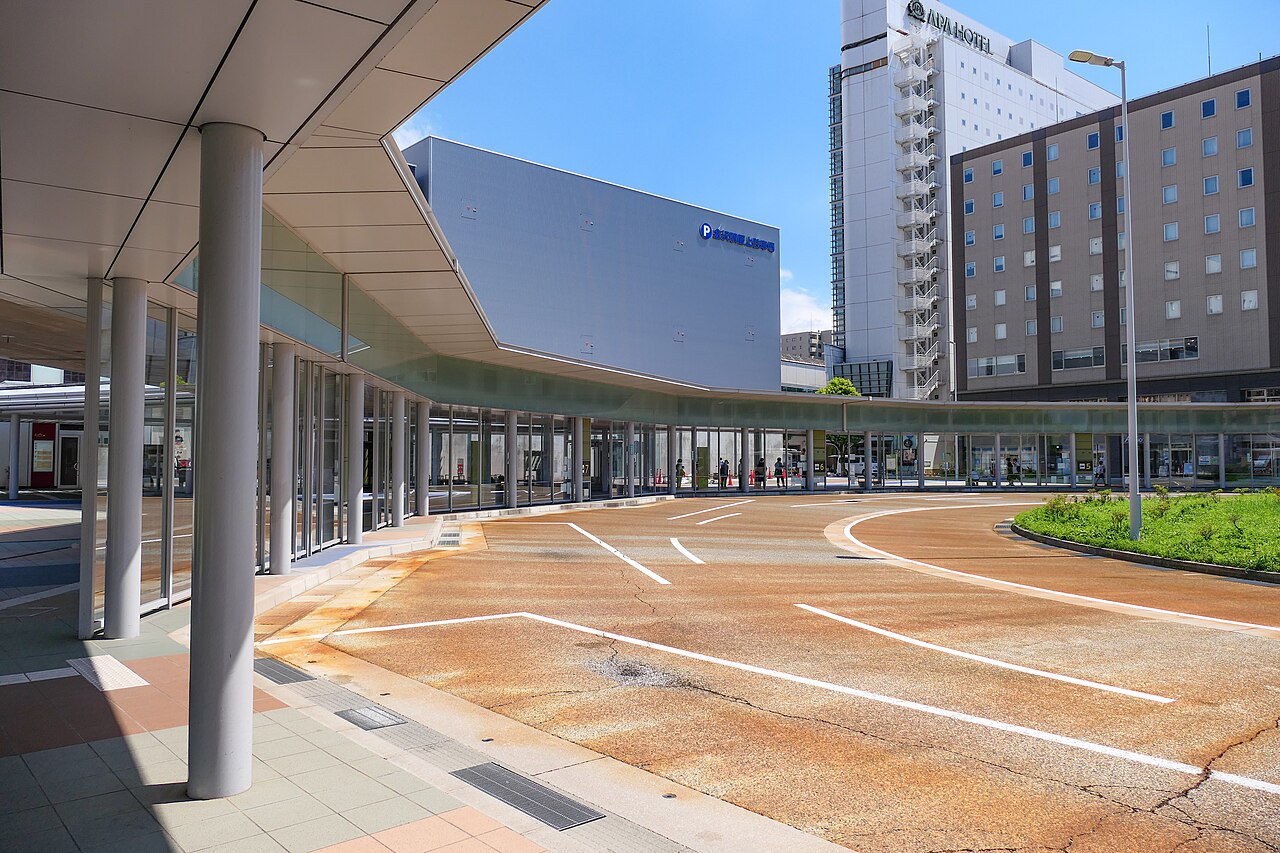
Choose the bus if you want a simple Kanazawa–Takayama transfer; book two bus legs if you want to get off and explore Shirakawa-go. Choose rail via Toyama when the train connection fits your day and the village is not part of the plan. A bus that passes through the village does not give you time there. Decide whether Shirakawa-go is a stop or only scenery before reserving anything.
| Decision axis | Through bus | Bus with Shirakawa-go stop | Train via Toyama |
|---|---|---|---|
| Fare | Check the current operator fare for the specific through service. | Price both Kanazawa–Shirakawa-go and Shirakawa-go–Takayama legs, not only a through fare. | Price the shinkansen and Takayama Line legs together, including any seat reservation. |
| Journey time and transfers | One road journey, subject to traffic and the exact stop pattern. | Two separate buses plus the time you choose in the village. | Shinkansen to Toyama, then a Takayama Line train; allow a real interchange. |
| Booking | Check whether the chosen bus requires a reserved seat and where it boards. | Reserve each required leg and protect the onward departure. | Check both train timetables and any reserved-seat requirement for your date. |
| Arrival and access | Kanazawa Station bus area to Takayama Nohi Bus Center; verify the actual boarding bay. | Leave the bus at Shirakawa-go terminal, then board a separate Takayama service. | Kanazawa Station to Toyama Station to Takayama Station. |
| Best for and trade-off | Fewest changes when you only need Takayama; no meaningful village visit. | Best for a deliberate village walk; costs more planning and may constrain luggage or the onward seat. | Best for a rail-led itinerary; skips Shirakawa-go and depends on the Toyama connection. |
Check the official Nohi Bus route and timetable, Hokutetsu departure details and JR Takayama Line timetable for your travel date before booking. Fares, stops, seats and connections can change.
Make Shirakawa-go an intentional stop
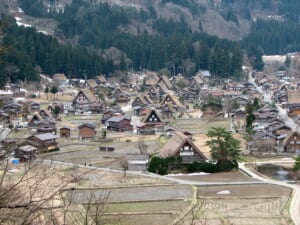
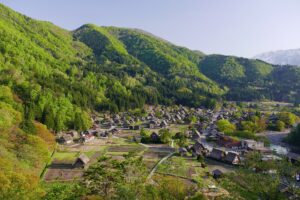
The Kanazawa–Takayama road corridor includes services via Shirakawa-go, but remaining aboard gives you no time among the gassho-style houses. For a visit, treat the journey as two reservations: Kanazawa to Shirakawa-go, then Shirakawa-go to Takayama. Build in walking time, a meal or museum visit only if it fits the onward bus you can actually secure. The village is a useful break in a two-city transfer, not an automatic free stop on a through ticket.
Read the stop list on the exact bus you intend to buy. Nohi Bus announced a December 2026 timetable revision that adds a direct Takayama–Kanazawa bus which does not stop at Shirakawa-go. This makes a route name alone a poor guide to the village plan. Some services also use different reservation rules; compare the operator timetable and booking notes for both legs. If your onward seat is unavailable, choose another departure before committing to the first leg.
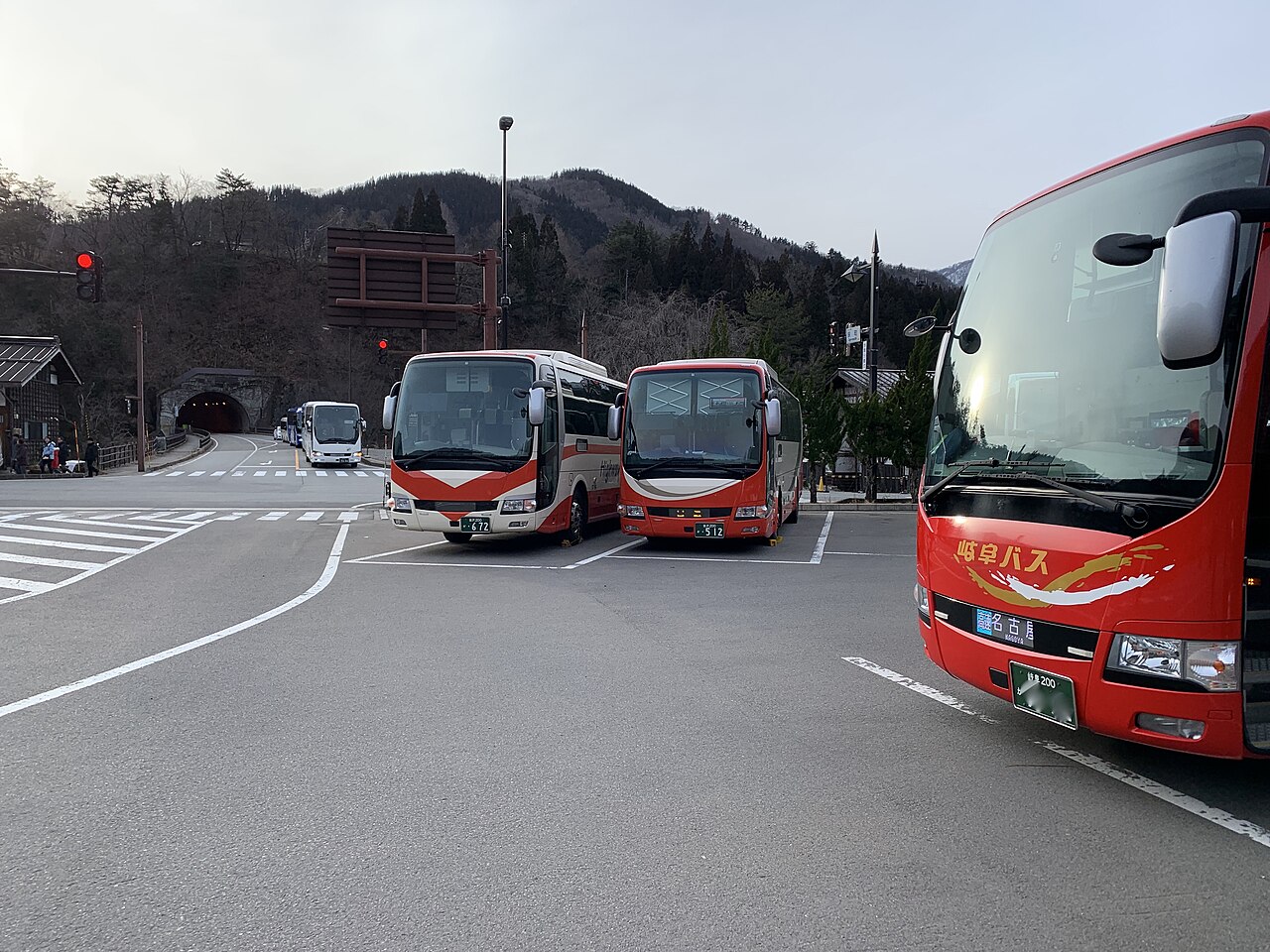
Large luggage can change the appeal of the stop. A continuous bus transfer avoids unloading in the village; a sightseeing break means carrying or storing bags and collecting them before the second bus. Check the operator’s luggage guidance and the current terminal facilities rather than assuming storage will be available. If you are moving between hotels with a suitcase, a direct bus or train may make the day more comfortable than a rushed village visit.
Use Toyama as a connection, not a sightseeing promise
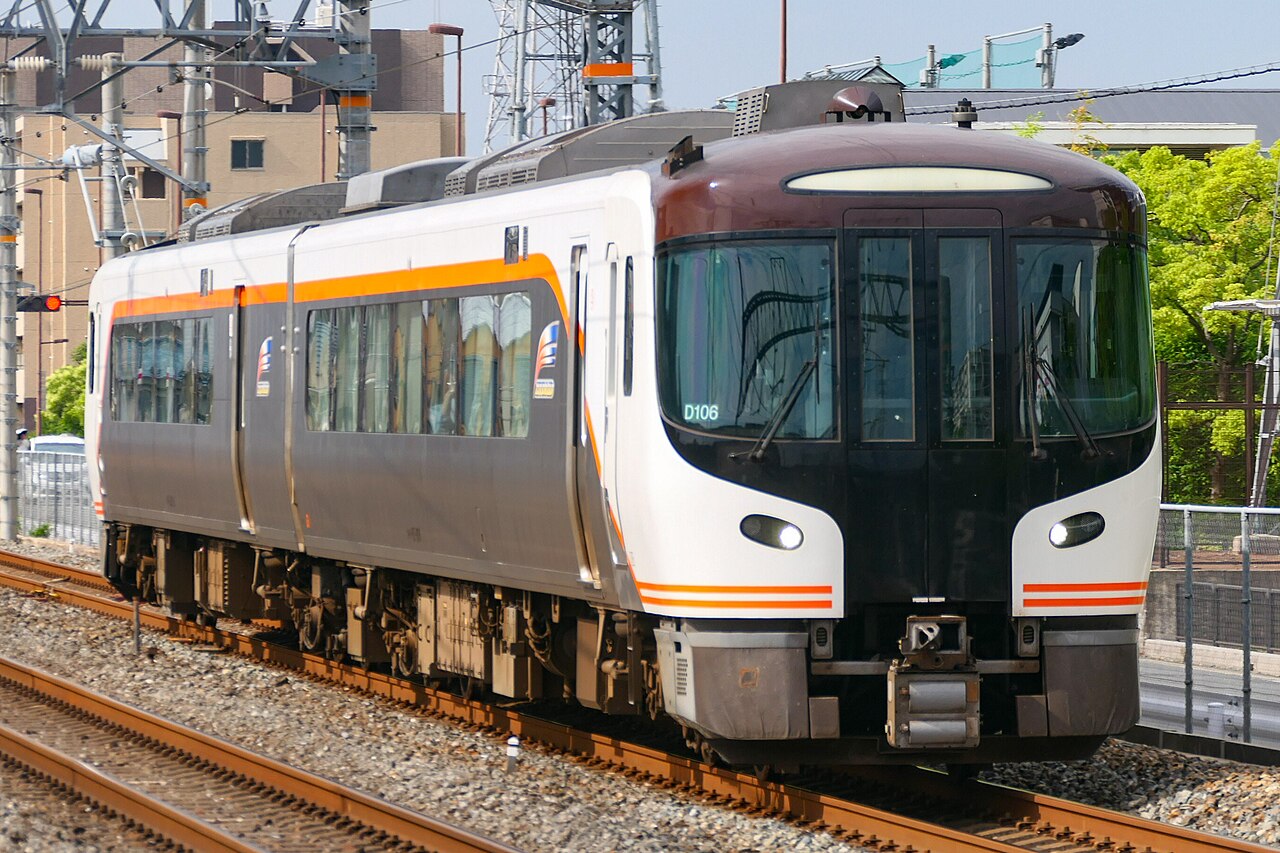
The rail path first goes from Kanazawa to Toyama on the Hokuriku Shinkansen, then follows the Takayama Line to Takayama. The official Kanazawa access guide describes this as a separate alternative to the bus through Shirakawa-go. A fast first train does not guarantee a fast total journey: the onward Takayama Line departure controls the connection. Check the correct platform, operating date and any reserved-seat requirement, then leave a transfer margin you can manage with luggage.
Rail is the sensible choice when you prefer to keep the trip on trains or have onward plans that make Toyama a useful interchange. It does not take you to Shirakawa-go; trying to add the village after choosing rail creates another road leg and a different day. If seeing the village matters more than staying on rail, return to the two-bus plan and lock the second bus before setting off.
Choose the departure around your Takayama day
For a same-day arrival and old-town walk, the through bus reduces handoffs. For an unhurried Shirakawa-go visit, accept that the village consumes the middle of the day and plan a later Takayama arrival. For an evening hotel check-in, start from the last useful arrival rather than the first Kanazawa departure. Road conditions can slow buses, especially in winter; the Nohi timetable itself warns of significant delays. Avoid an unprotected onward train or prepaid activity immediately after a road transfer.
Check whether the Kanazawa bus departs from the West Exit or another signed bay on your chosen service; Hokutetsu’s live instructions should settle the boarding point. Leave time to find the stop, collect a reserved ticket if required and board with bags. For rail, compare the combined fare and realistic connection with the bus fare for the same travel date. Pass coverage depends on the specific ticket, so verify it before treating rail as already paid for.
Our Takayama base guide helps decide between station convenience and an old-town stay after arrival. The Ishikawa, Toyama and Gifu guides place this transfer within a wider Hokuriku and Hida itinerary. Confirm the live bus stops, reservation rules, train connections and fares for your own date, then choose the route that protects the part of the journey you actually want.
Official sources: Nohi Bus route and timetable, Nohi Bus route revision, Hokutetsu highway buses, Visit Kanazawa access guide, JR West Hokuriku Shinkansen, JR Central Takayama Line, Nohi Bus FAQ.