Choose Kagoshima-Chuo Station when the Shinkansen, a JR connection, an airport-bus stop or an early departure is the part of the trip you cannot compromise. Choose Tenmonkan when you want your hotel to sit closer to the city’s dining streets, the waterfront-side sights and a direct airport-bus stop. The two areas are linked by the city tram, so this is not a choice between a convenient base and an inconvenient one. It is a choice about which end of the day should be easiest.
| Decision point | Kagoshima-Chuo Station | Tenmonkan |
|---|---|---|
| Arrival | Best for a Shinkansen or JR arrival, and for travellers who want the airport-bus or train stop close to the hotel. | Best when the direct airport-limousine-bus stop and the central city location make the final arrival easier. |
| Walkability | Easy for station facilities and the Amu Plaza side of the city; the main nightlife and waterfront sights are not the immediate setting. | Easy for an evening built around shopping arcades, restaurants and the central-city streets. |
| Local mobility | Use the tram or bus for Tenmonkan, the waterfront and other city districts; check the hotel-to-stop walk rather than assuming every address is station-side. | Well placed for the city tram and central bus stops; check the route for a rail departure or a specific ferry/port connection. |
| Evening fit | Quieter and practical after a rail day; choose it if an easy room return matters more than being in the dining district. | Stronger for a walk-out evening, late food and a city-centre feel. |
| Stay length | A good one-night or transit-led base, and a strong fit when the next morning begins on rail. | Better for a city-focused stay of two or more nights, especially when evenings and local exploration carry weight. |
| Trade-off | Removes rail friction, but can add a tram, taxi or bus step to a Tenmonkan-centred evening. | Places the evening first, but may add a local ride before or after a rail journey at Kagoshima-Chuo. |
Airport-bus stops, city-tram service, timetables and hotel access can change. Before booking, confirm the official access details for your travel date with the Tenmonkan access guide, the JR Kyushu Kagoshima-Chuo Station page, and the route information for the exact hotel.
Pick Kagoshima-Chuo when the transport chain sets the day
Kagoshima-Chuo is the safer default when your itinerary starts or ends on a train. It is the city’s principal JR and Shinkansen arrival point, and its station facilities make it a practical place to absorb the small uncertainties of a travel day: collecting a ticket, using a locker, finding food before a departure or reaching an airport bus without crossing the city first. This matters most for a late arrival, an early train, a one-night stop, or a plan that continues toward another part of Kyushu the next morning.
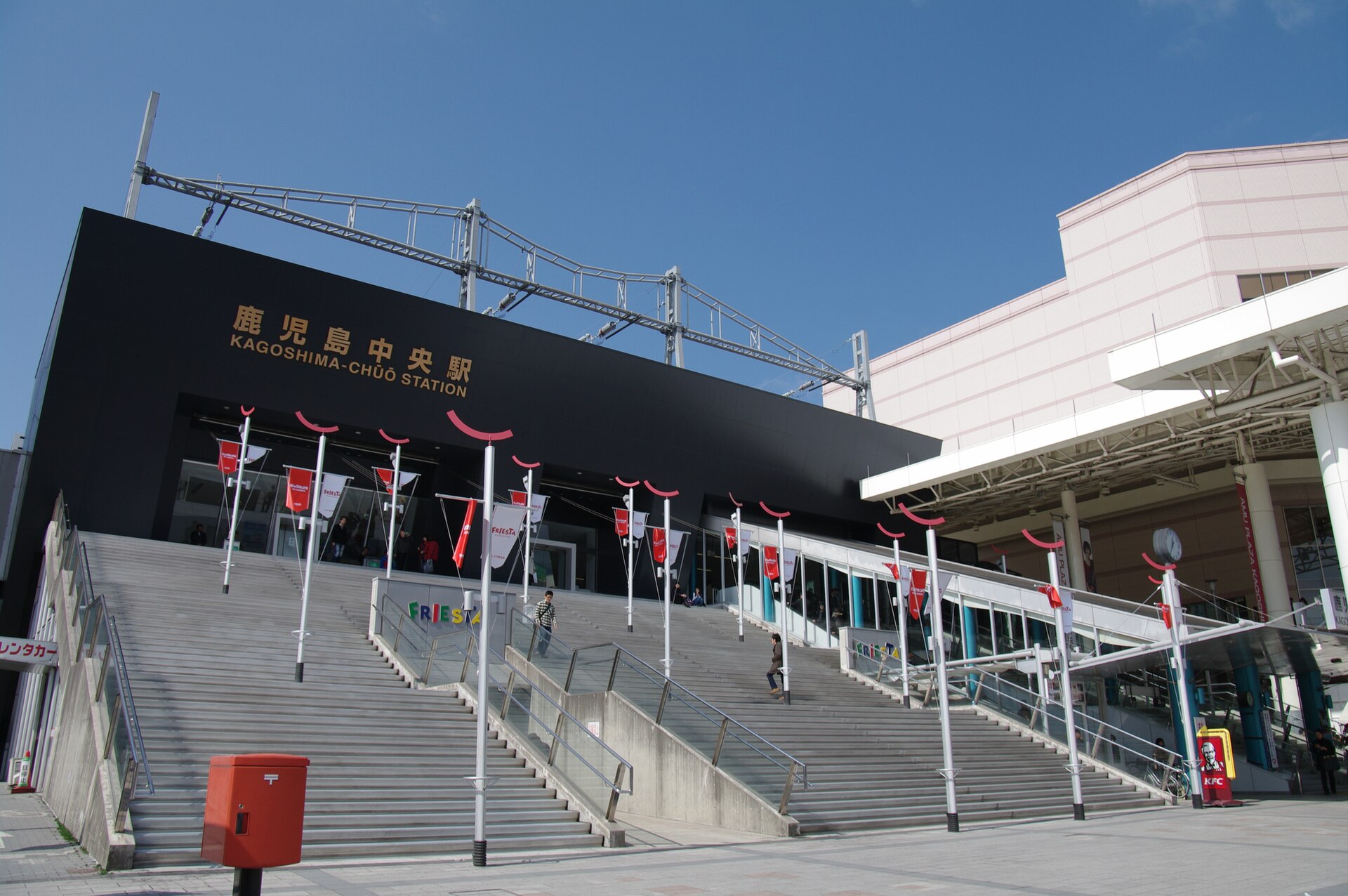
That convenience is useful, but it is not a reason to book any address that happens to include “Chuo” in its name. Check whether the hotel is on the station side you will actually use, and whether the walk has luggage-friendly crossings. The station is a transport hub, not the whole of the visitor city. If you plan to spend each evening in Tenmonkan or near the waterfront, build the tram or taxi return into the decision instead of discovering that distance after dinner.
Pick Tenmonkan when the evening and city centre are the point
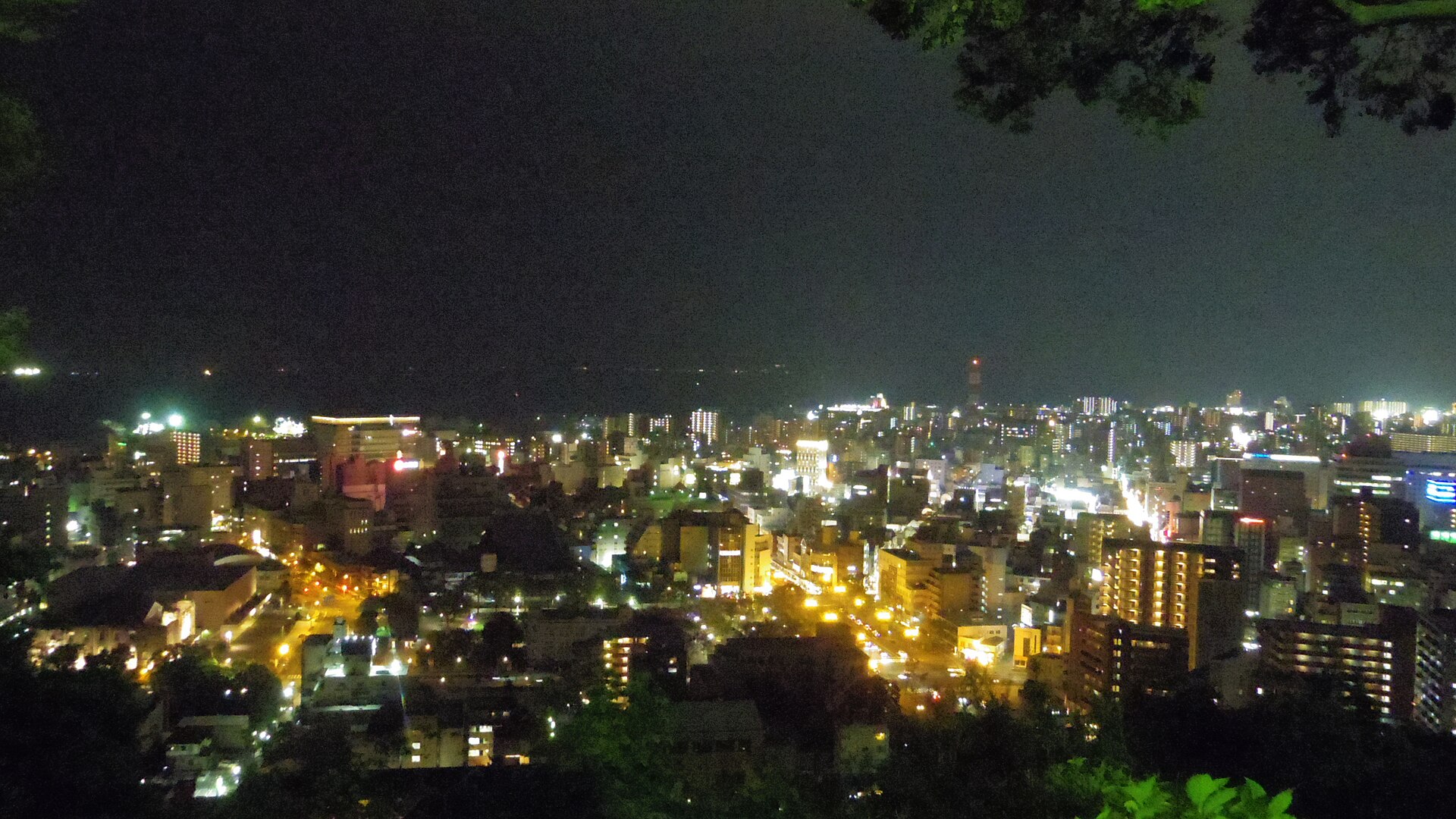
Tenmonkan is the better base when you want to step outside into the central-city rhythm. The official district guide places the area on the city-tram line from Kagoshima-Chuo and identifies a direct airport-limousine-bus stop. That combination suits a traveller who would rather arrive once, walk to dinner, and use the hotel as a base for the urban side of Kagoshima than stay beside the railway tracks.
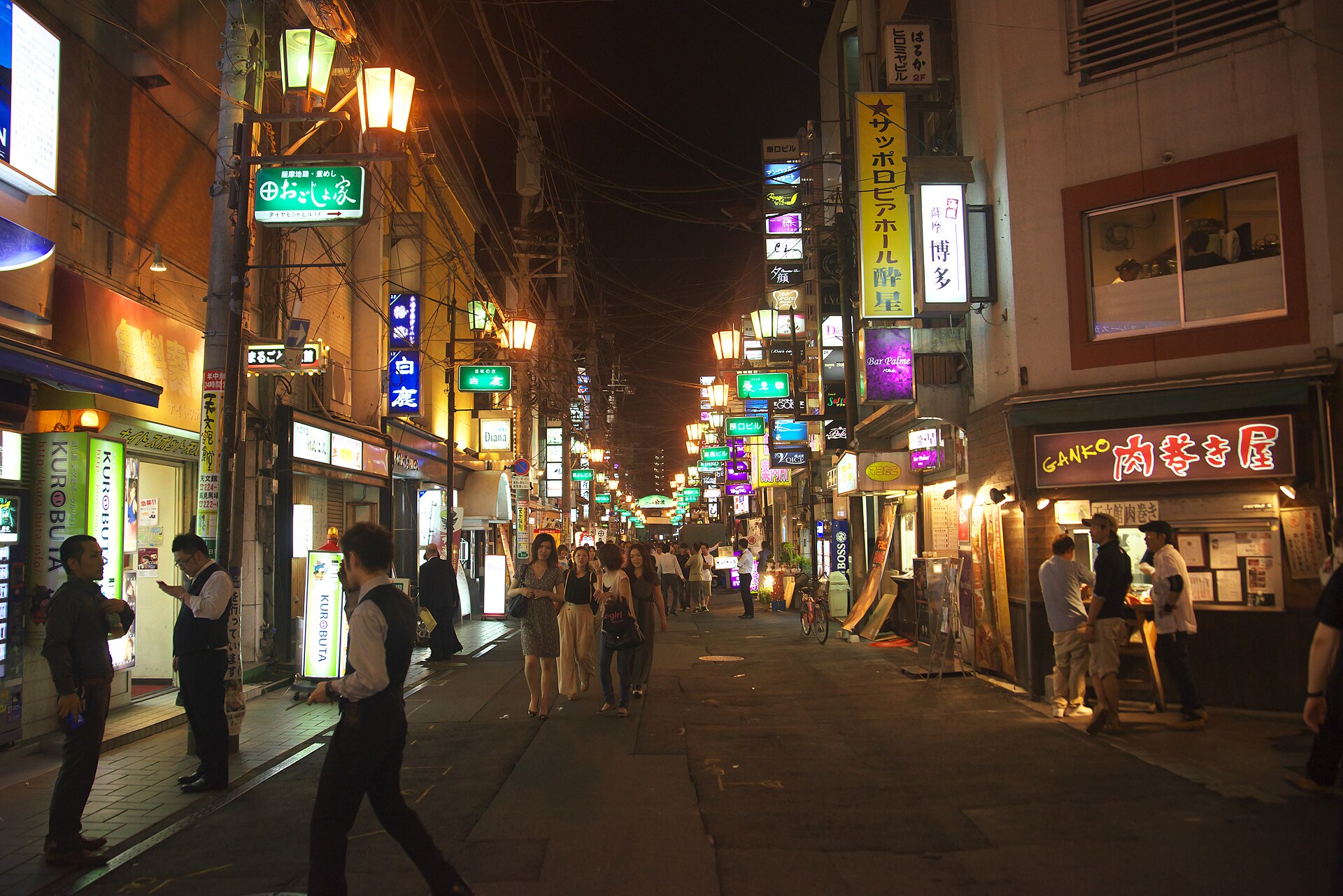
The trade-off is modest but real: a rail departure no longer begins at your doorstep. The tram connection is useful, yet service patterns, the nearest stop and the walk from the stop vary by hotel. Tenmonkan is therefore strongest when the itinerary has enough city time to benefit from its evenings, or when the airport-bus stop is more valuable than a direct platform-side start. It is less compelling for a traveller who arrives late by train and leaves before breakfast the next day.
Use the tram and bus network to make a mixed stay work
You do not need to treat the two bases as separate trips. Kagoshima City Transportation Bureau’s network links Kagoshima-Chuo, Tenmonkan and the waterfront-side city, and the prefectural tourism access guide describes the central station-to-Tenmonkan journey as roughly ten minutes. That makes either district workable for a short city stay; it simply changes where you spend the small transfer at the beginning or end of the day.
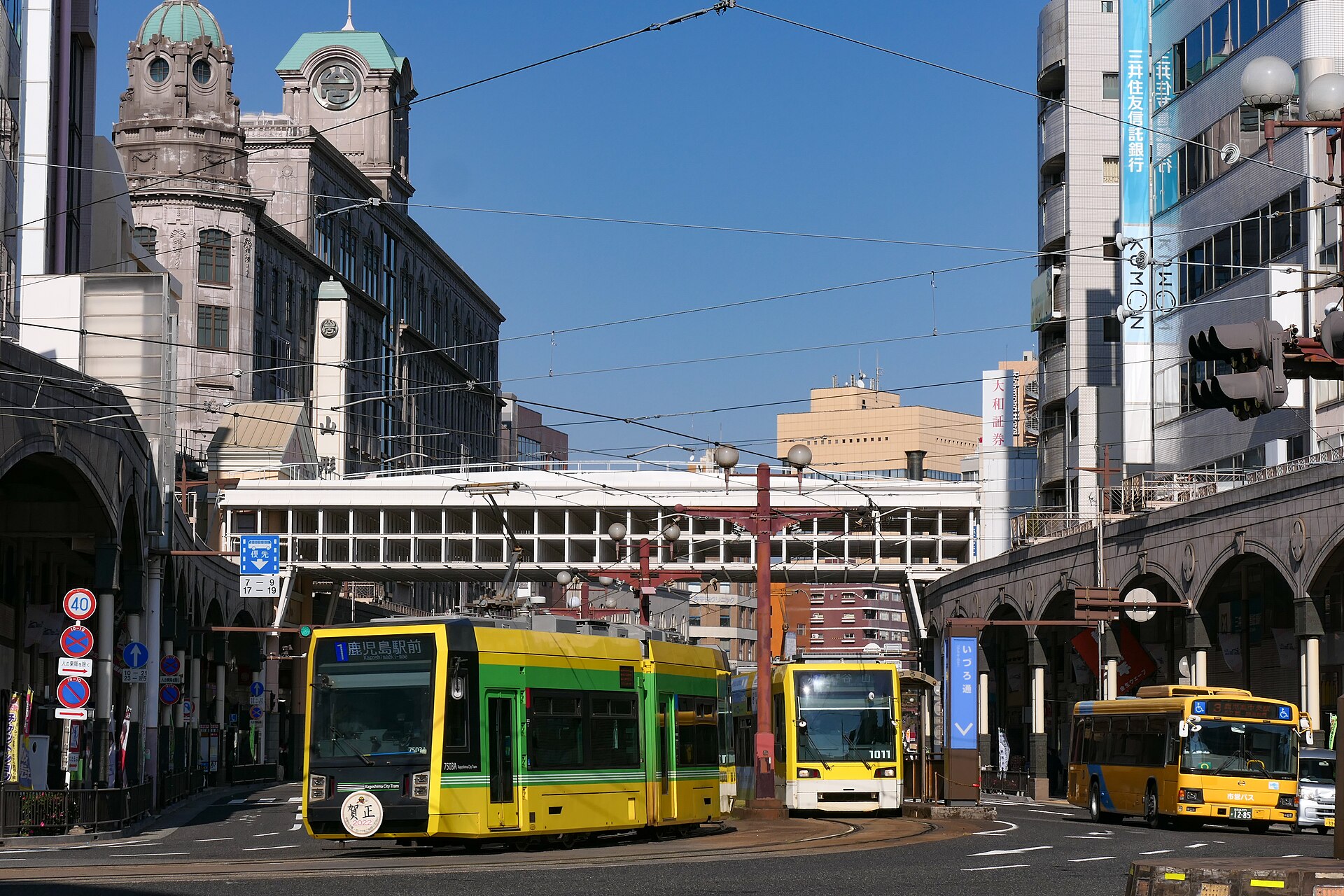
For a Sakurajima ferry, a sightseeing bus, a particular restaurant reservation or a port departure, do not rely on a district name alone. Map the exact hotel, the nearest stop and the first movement of the day. A station hotel can be the better choice for a ferry morning if you are happy to take a local ride after breakfast; Tenmonkan can be better if the evening before the ferry is the part you value. The correct answer comes from the direction of your next movement, not from a generic “most central” label.
A quick way to break a close call
- Your first or last movement is a Shinkansen or JR train: begin with Kagoshima-Chuo and choose a hotel with a genuinely easy station walk.
- You want to walk out for dinner on both nights: begin with Tenmonkan and check the nearest tram and airport-bus stops.
- You are flying in or out: compare the exact airport-bus stop and its service for the flight time, not only the hotel price.
- You have one short night: let the next morning decide. A rail departure favours the station; a city evening plus airport bus can favour Tenmonkan.
- You are still undecided: count the luggage moves. The base that removes the least pleasant transfer is usually the better booking.
Continue planning with the Kagoshima travel guide, the Miyazaki travel guide, and the Kumamoto travel guide.
Official sources: JR Kyushu: Kagoshima-Chuo Station, Tenmonkan access guide, Kagoshima City transportation route information, and Kagoshima tourism access guide.