
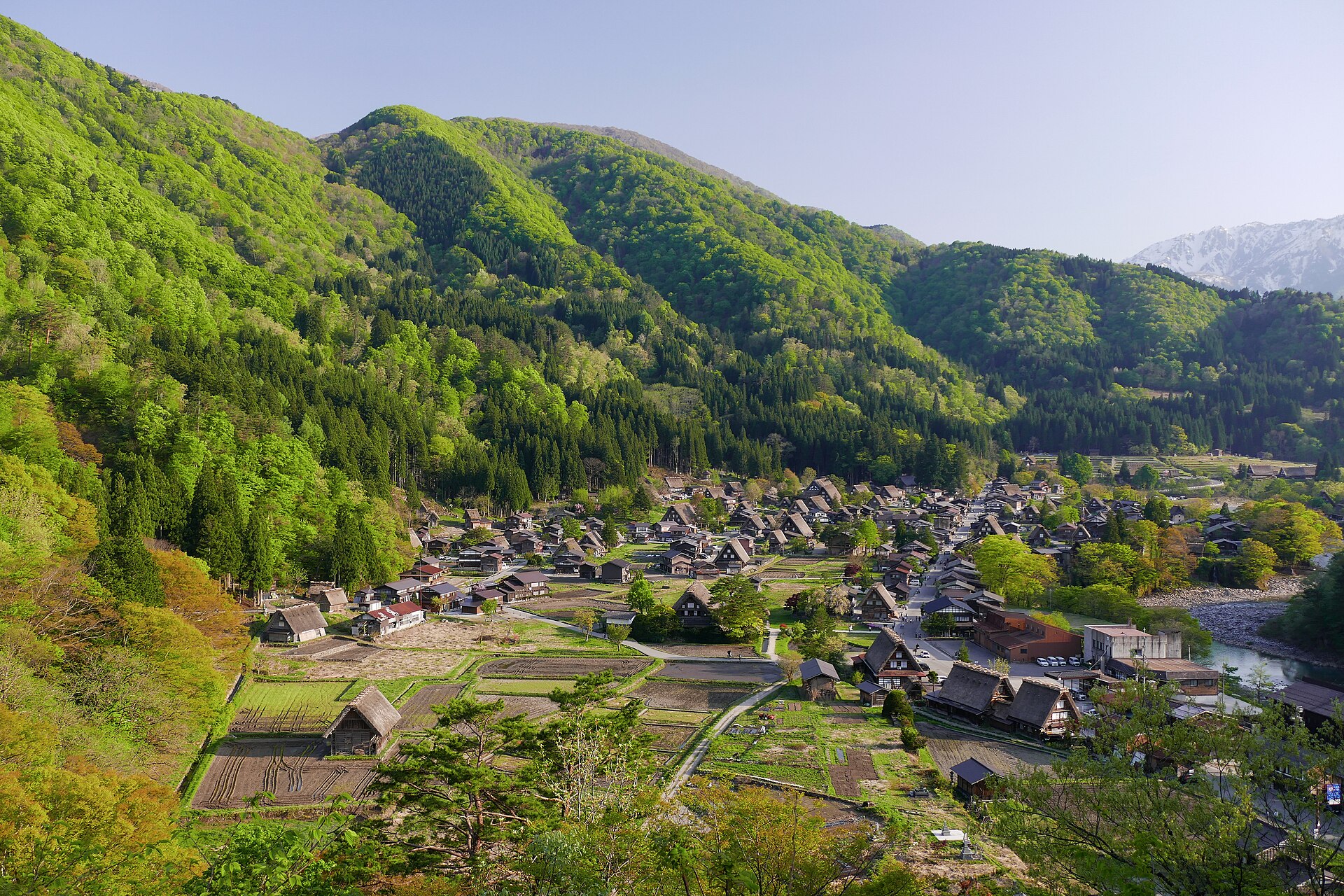
From Nagoya, Takayama and Shirakawa-go can be one well-paced two-stop trip or two very different day trips. The useful choice is not simply train versus bus. Start by deciding whether Shirakawa-go is your only destination, or whether you want enough time for Takayama’s old town before continuing to the World Heritage village. That decision determines whether a direct highway bus is the cleaner plan or whether the Limited Express Hida plus a reserved Takayama connection is worth the extra moving parts.
As of 2026-08-16, the official Shirakawa-go access guide puts the direct Nagoya route at about 2 hours 30 minutes by express bus from Meitetsu Bus Center, reached by a short walk from Nagoya Station. The Takayama-first alternative is about 2 hours 20 minutes by Limited Express Hida to Takayama, then about 50 minutes by bus to Shirakawa-go. Check the operators again for your exact date: some buses require reservations, and the Nohi Bus operator warns that congestion, snow, or expressway closures can create substantial delays.
| If your priority is… | Choose this starting plan | Why it fits |
|---|---|---|
| See Shirakawa-go in one long but simple day | Direct Nagoya highway bus | It avoids a Takayama transfer and leaves you with one outbound and one return reservation to manage. |
| Spend time in Takayama’s old town | Train to Takayama first, then bus to Shirakawa-go | The route gives Takayama its own place in the itinerary instead of treating it as an inconvenient transfer. |
| Visit both places without watching the clock all day | Overnight in Takayama | It separates the old-town visit from the village bus and makes a delayed connection less disruptive. |
| Continue north after Shirakawa-go | Keep the bus timetable open before arriving | Shirakawa-go has no train station, so the onward bus is the connection that controls the rest of the trip. |
Choose the direct bus when Shirakawa-go is the real destination
If your aim is the gassho-style village rather than Takayama itself, the direct bus is usually the calmest Nagoya plan. The official access guide describes the route as a short walk from Nagoya Station to Meitetsu Bus Center followed by about 2 hours 30 minutes on the express bus. That is a meaningful saving in transfers: you do not need to arrive in Takayama, find the bus terminal, and then fit the next leg around the village return.
This is still not a casual hop-on journey. Treat the outbound and return as the framework of the day, especially on busy travel dates. Choose a departure that leaves time for the walk from the station and a return that is realistic after the village rather than the latest possible bus. Shirakawa-go has no rail service, so a missed bus is not solved by walking to a nearby station. Check the operator’s current reservation instructions and live service notices before committing to the rest of the day.
Choose Takayama first when it deserves its own time
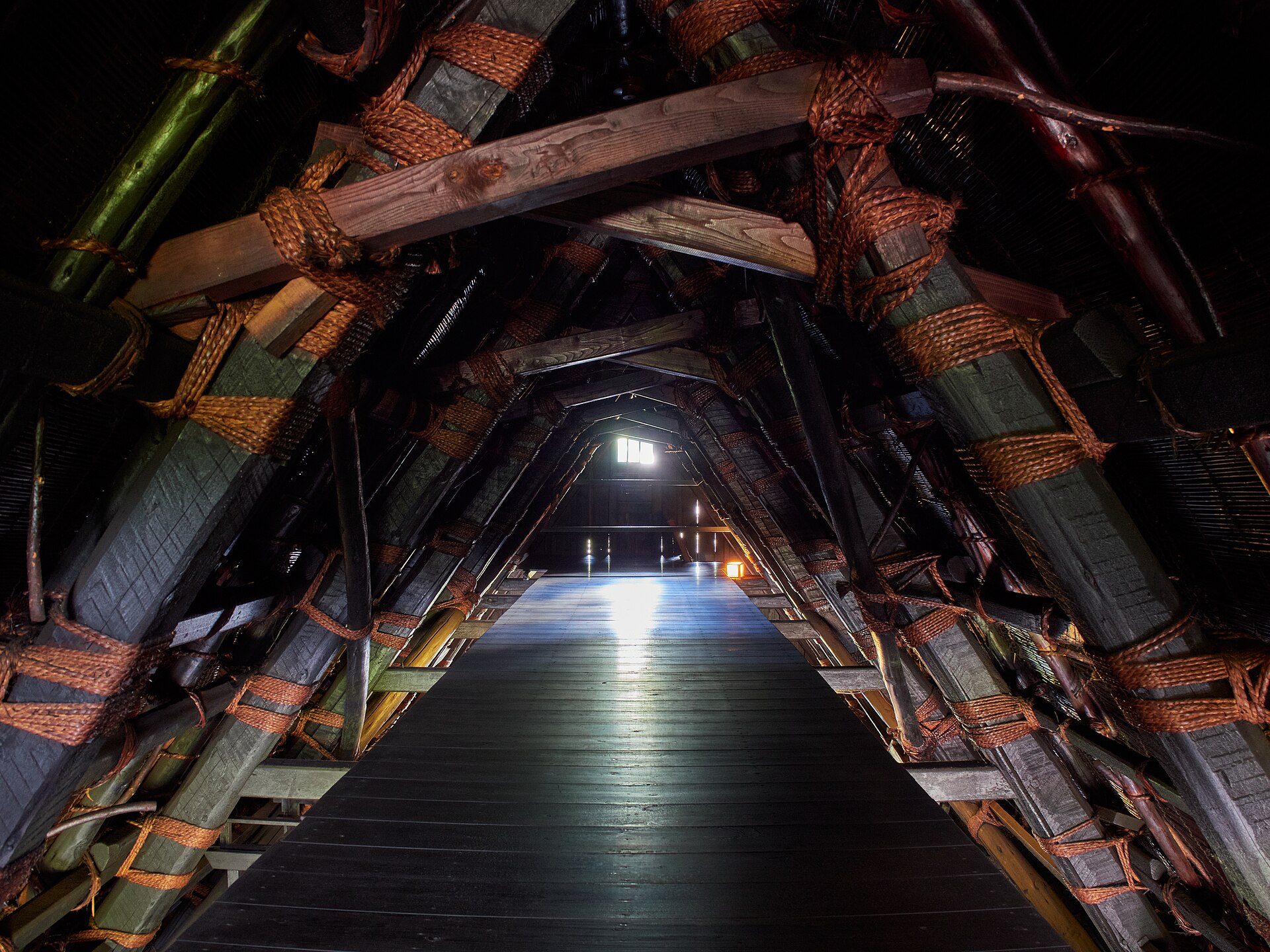
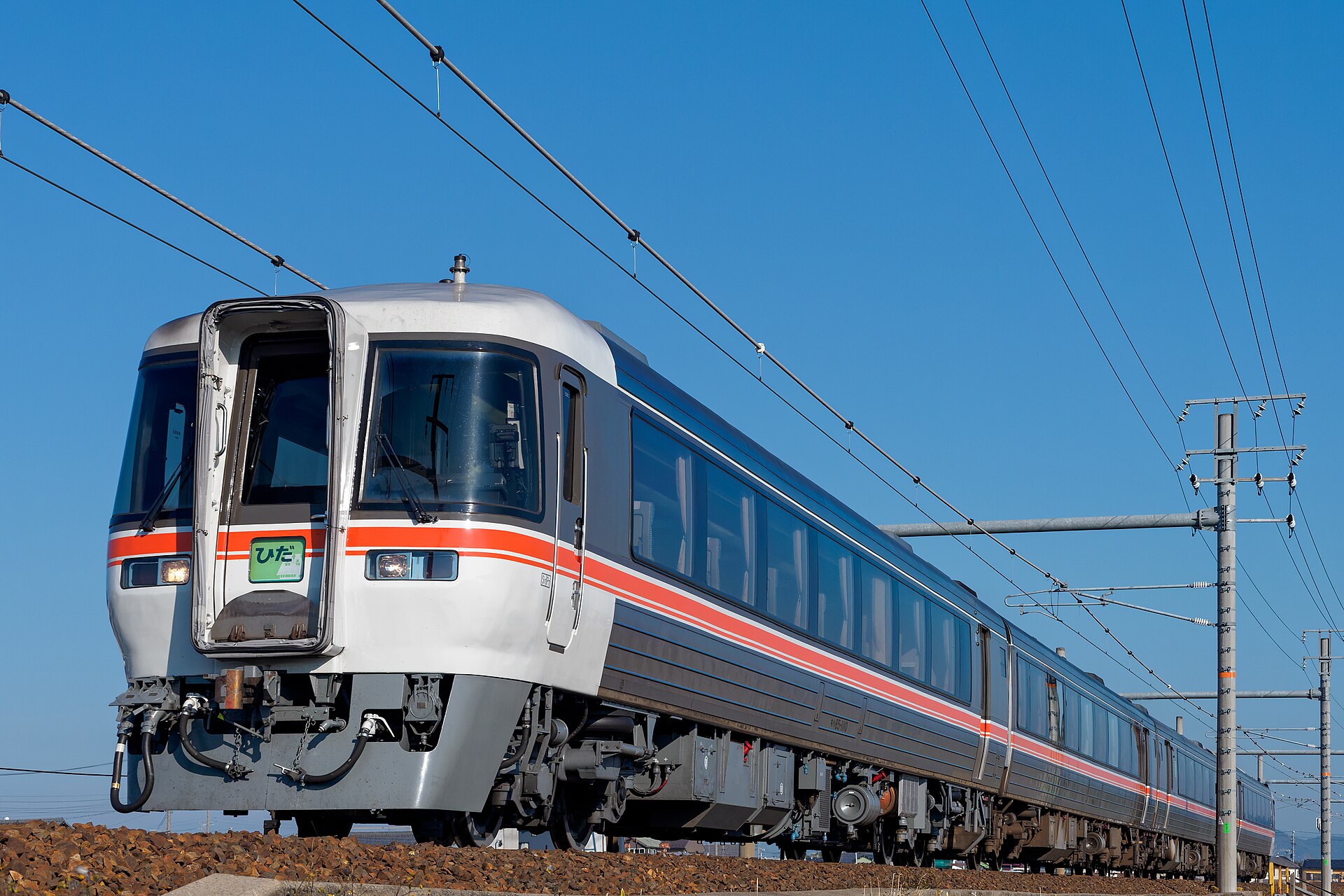
The train-first route makes sense when Takayama is a destination, not a name on the way to Shirakawa-go. The official access guide lists roughly 2 hours 20 minutes from Nagoya to Takayama by Limited Express Hida, followed by about 50 minutes on the bus to Shirakawa-go. That can work in one packed day, but it leaves little room for a slow old-town walk, lunch, a museum, luggage handling, or any service disruption.
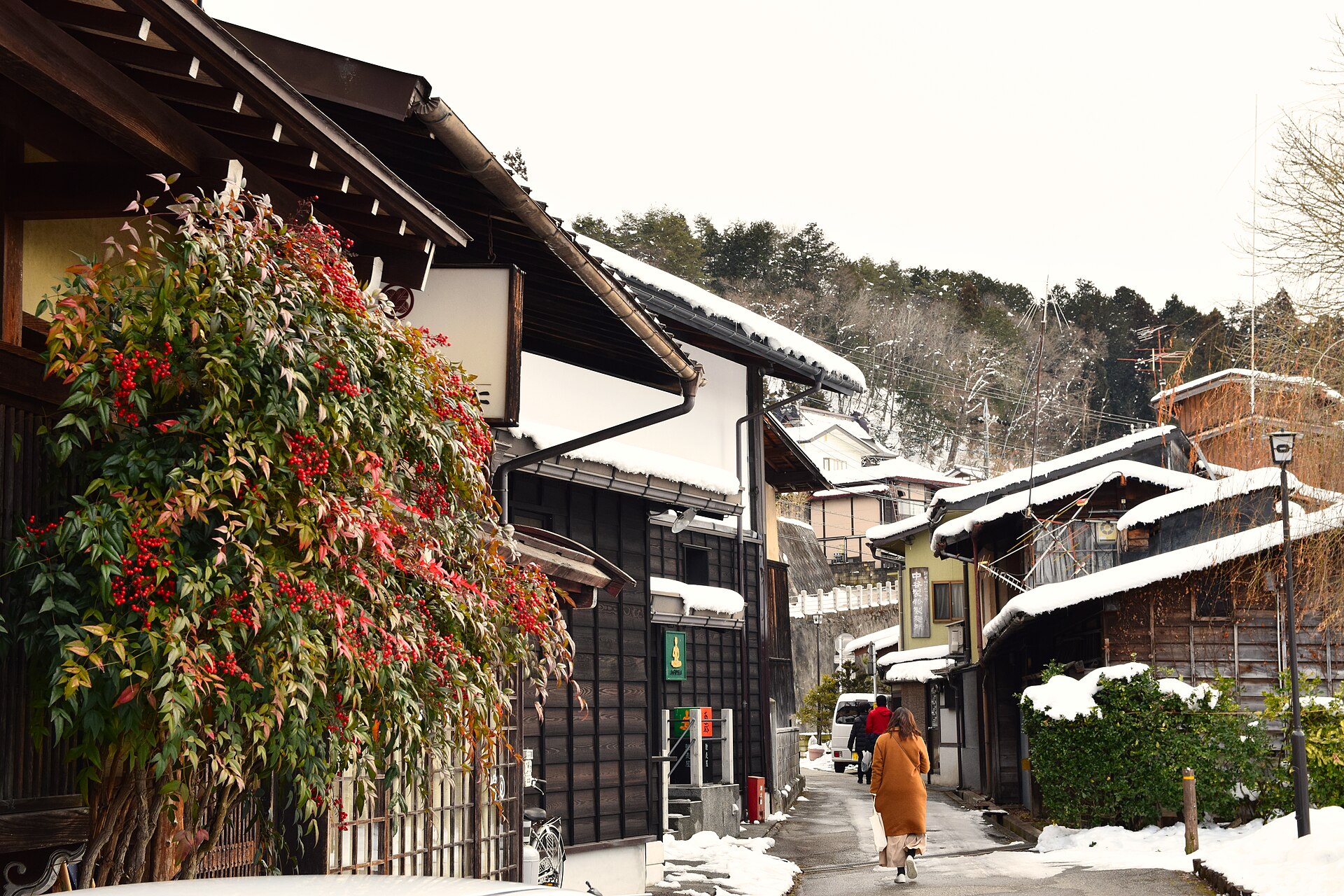
For most travellers who want both places, an overnight in Takayama is the better decision. Arrive by train, use the afternoon and evening for the old town, then take a reserved bus the next day with the village and its return connection as the sole task. It is not always the cheapest plan, but it turns two headline destinations into two visits instead of a sequence of anxious platform checks.
Make the bus connection and return time part of the booking
Nohi Bus identifies its Takayama Nohi Bus Center beside JR Takayama Station as the Shirakawa-go departure point, and says some services require reservations. Its route guidance also warns that long delays can occur when road congestion, snow, or an expressway closure affects the line. Those warnings matter more than a nominal journey time when you have a hotel check-in, a flight, or a same-evening train waiting at the other end.
Before you enter Shirakawa-go, know which bus you can actually take afterward and what happens if the route runs late. The village is walkable, but it is not a place to discover your onward transport after the final photo. The official tourist association suggests allowing roughly two to three hours to walk around the village. Keep that allowance separate from the bus ride, the terminal walk, and any optional observatory shuttle.
A practical Nagoya-to-Shirakawa-go plan
- Decide the real priority: take the direct bus when Shirakawa-go is the day; go via Takayama when you want time there too.
- Reserve the bus legs that require it: do this before building a hotel or onward-train plan around a theoretical timetable.
- Allow two to three hours in the village: that is walking time, not the whole transfer window.
- Use an overnight to reduce risk: it gives Takayama and Shirakawa-go separate, realistic windows.
- Check operations again: weather, traffic and road closures can change the sensible return choice.
Use the Aichi travel guide for the Nagoya side of the trip, the Gifu travel guide for Takayama and Shirakawa-go context, and the Toyama travel guide if your route continues north after the village.
Sources checked: Nohi Bus Route Bus, Nohi Bus’s Takayama–Shirakawa-go route guide, Shirakawa-go Tourist Association access guide, and its visitor FAQ. Checked 2026-08-16.