
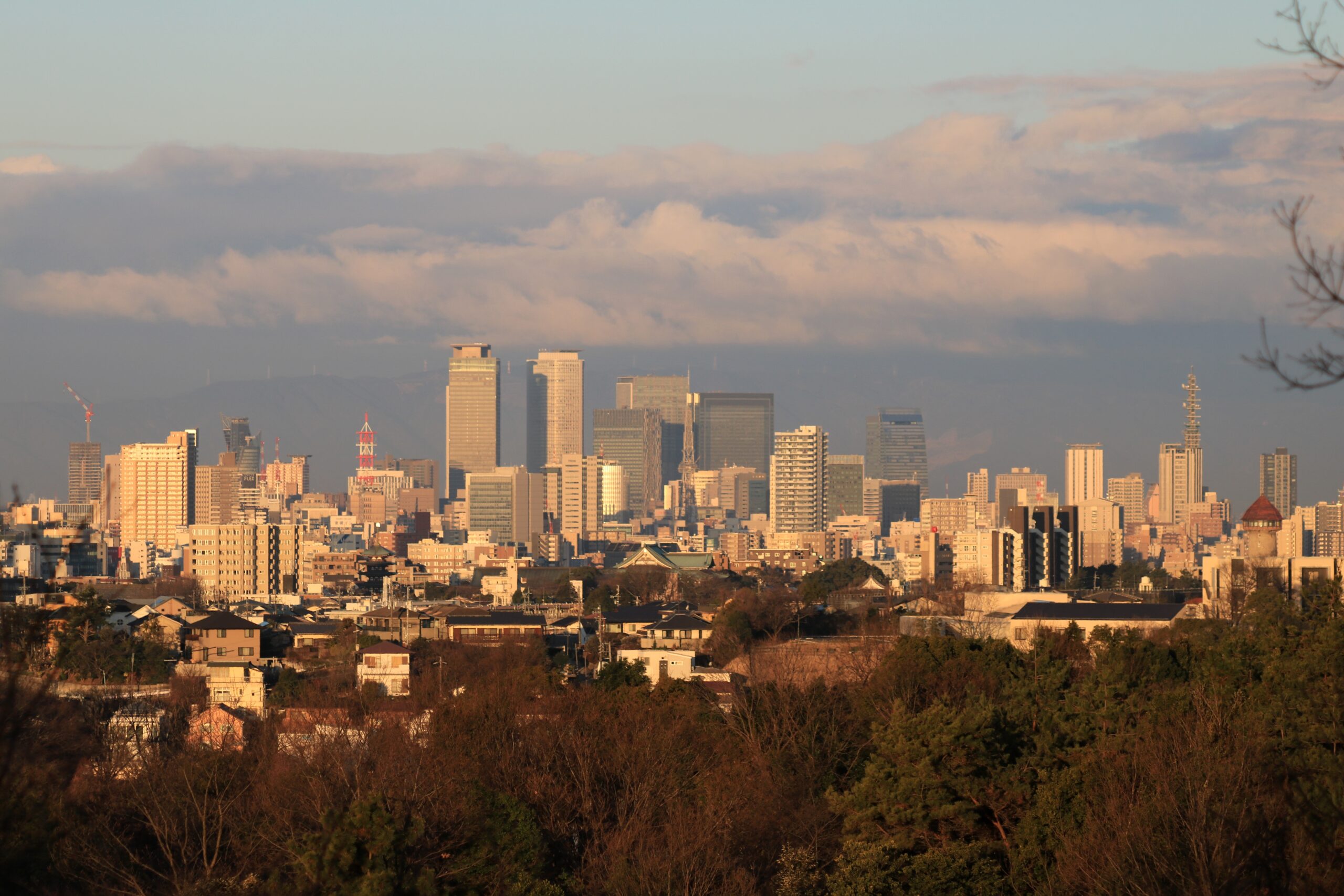
Nagoya is easier to enjoy when you choose the area before you choose the hotel. Stay by Nagoya Station when a Shinkansen arrival, an airport train or an onward trip sets the rhythm. Choose Sakae when you want the most central evenings, shopping and city energy. Pick Fushimi when you want a calmer central base that sits between the station and Sakae without making either side of the city feel like a special trip.
Start with the Aichi travel guide for the wider prefecture. Hotel availability, station exits and transport services change, so these area notes were checked on 2026-08-12; check the official sites and the walking route to your actual property before booking.
The quick choice
| Area | Best for | Choose it if | Think twice if |
|---|---|---|---|
| Nagoya Station | Shinkansen, airport rail and a simple first or last night | You arrive with luggage, leave early, or plan onward travel to places such as Takayama or the wider Chubu region. | You want restaurants, bars and central sights to be the natural end of every evening. |
| Sakae | Central evenings, shopping and a lively city base | You want to walk to a broad choice of dining and make the centre the focus after sightseeing. | An early train or airport connection is the defining constraint of the trip. |
| Fushimi | A quieter central compromise | You want a more measured business-district feel while staying between station-side logistics and Sakae’s activity. | You want the shortest possible walk to the Shinkansen or the busiest late-night scene outside the door. |
Do not start by comparing every hotel in the city. First decide where arrival friction should disappear, where you expect to finish most days, and whether a rail connection or a central evening matters more. Nagoya Station, Sakae and Fushimi can all work for a short visit, but they make different parts of the itinerary feel effortless.
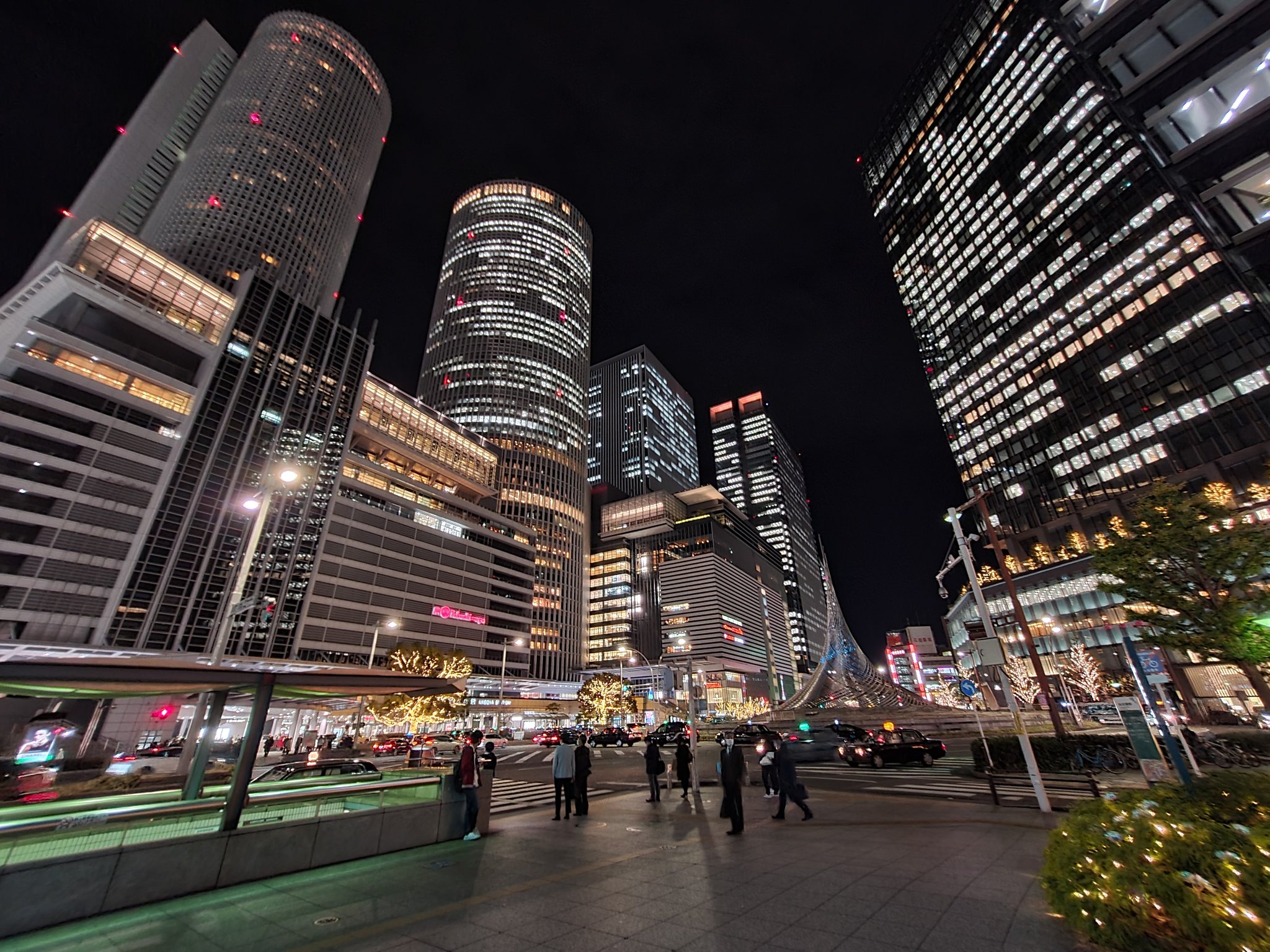
Stay near Nagoya Station for the easiest arrival and onward trip
Nagoya Station is the safest default when your transport timetable matters more than a particular nightlife district. Visit Nagoya describes it as a hub for JR bullet and conventional lines, subway, Kintetsu and Meitetsu services. That concentration is useful on a late arrival, before an early Shinkansen, or when Nagoya is one stop in a route that continues into Gifu, Mie or elsewhere in central Japan.
It is also the natural starting point when an airport transfer matters. Meitetsu publishes the airport-access information, so confirm the current train and your preferred departure time before booking. A station-side hotel lets you handle bags first and keeps an early departure from turning into a cross-city calculation. It is especially sensible for a one-night stop or for travellers who want the station to be the first and last decision of the stay.
The trade-off is the evening rhythm. The station surroundings have large commercial facilities and underground shopping, but a property described as “near Nagoya Station” may be on a very different side of a large complex. Check the actual exit, the walk with luggage and the route back after dinner rather than treating the district label as a guarantee of a short walk.
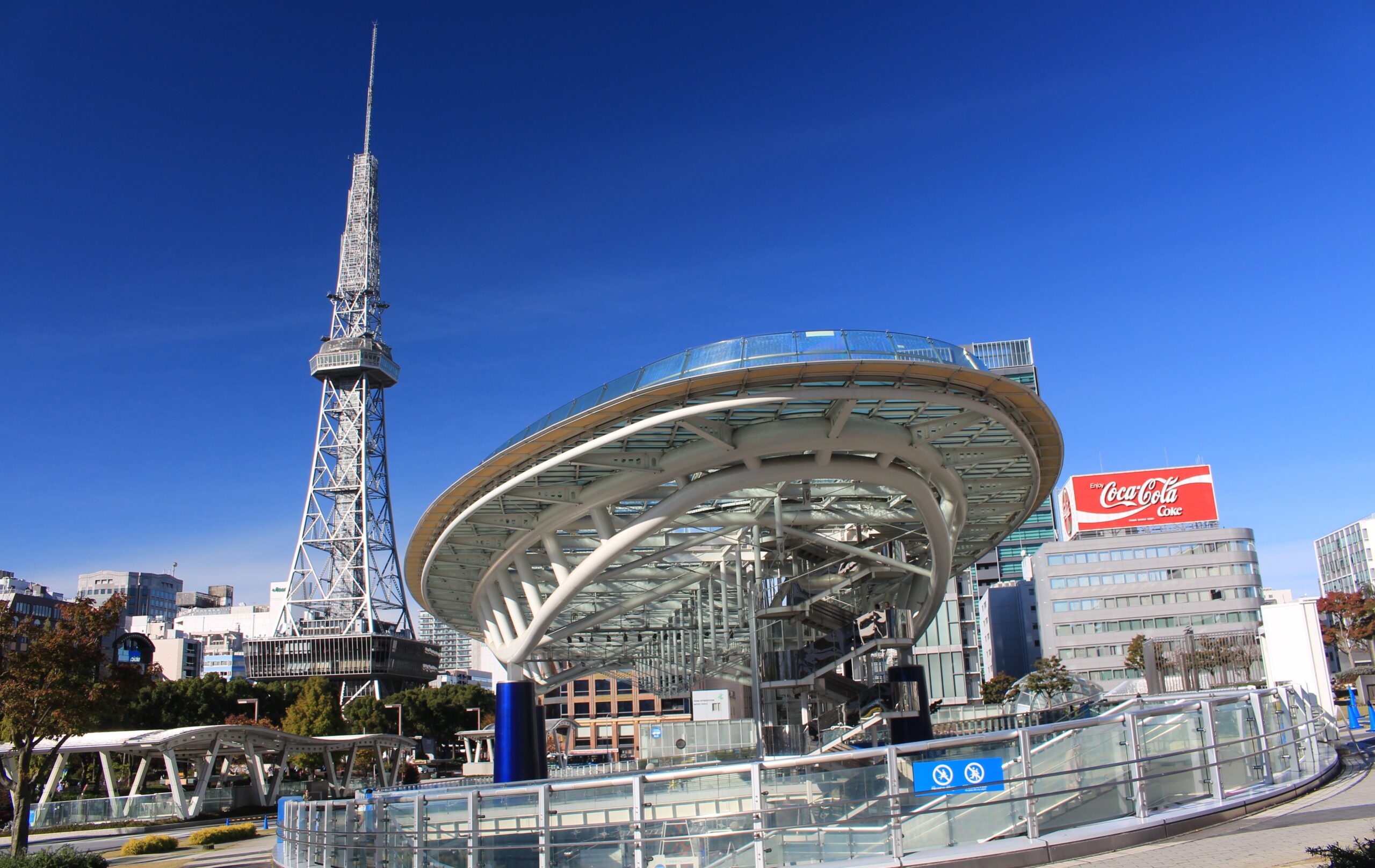
Choose Sakae for the most central city evenings
Sakae suits travellers who want the centre of Nagoya to be part of the stay, not somewhere they commute to after checking in. It is the more natural base when your plan includes unhurried dinners, shopping, museums or a flexible evening walk. The official accommodation directory separates Nagoya Station from the Sakae / Fushimi area, which is a useful reminder that they solve different problems even when the map makes them look close.
Oasis 21 is one practical marker for the area: the official visitor listing places it in Sakae / Fushimi and notes its public spaces, shops, restaurants and bus-terminal connection. That does not make every nearby hotel right for every traveller, but it explains why Sakae works well when you value a central, active base and easy access to a range of city activities after daytime sightseeing.
Choose Sakae when you have at least two nights, the centre is where you expect to spend your evenings, and you are comfortable making the station or airport journey at the beginning and end of the stay. If a very early Shinkansen is non-negotiable, retain a station-side option until your timetable is fixed.
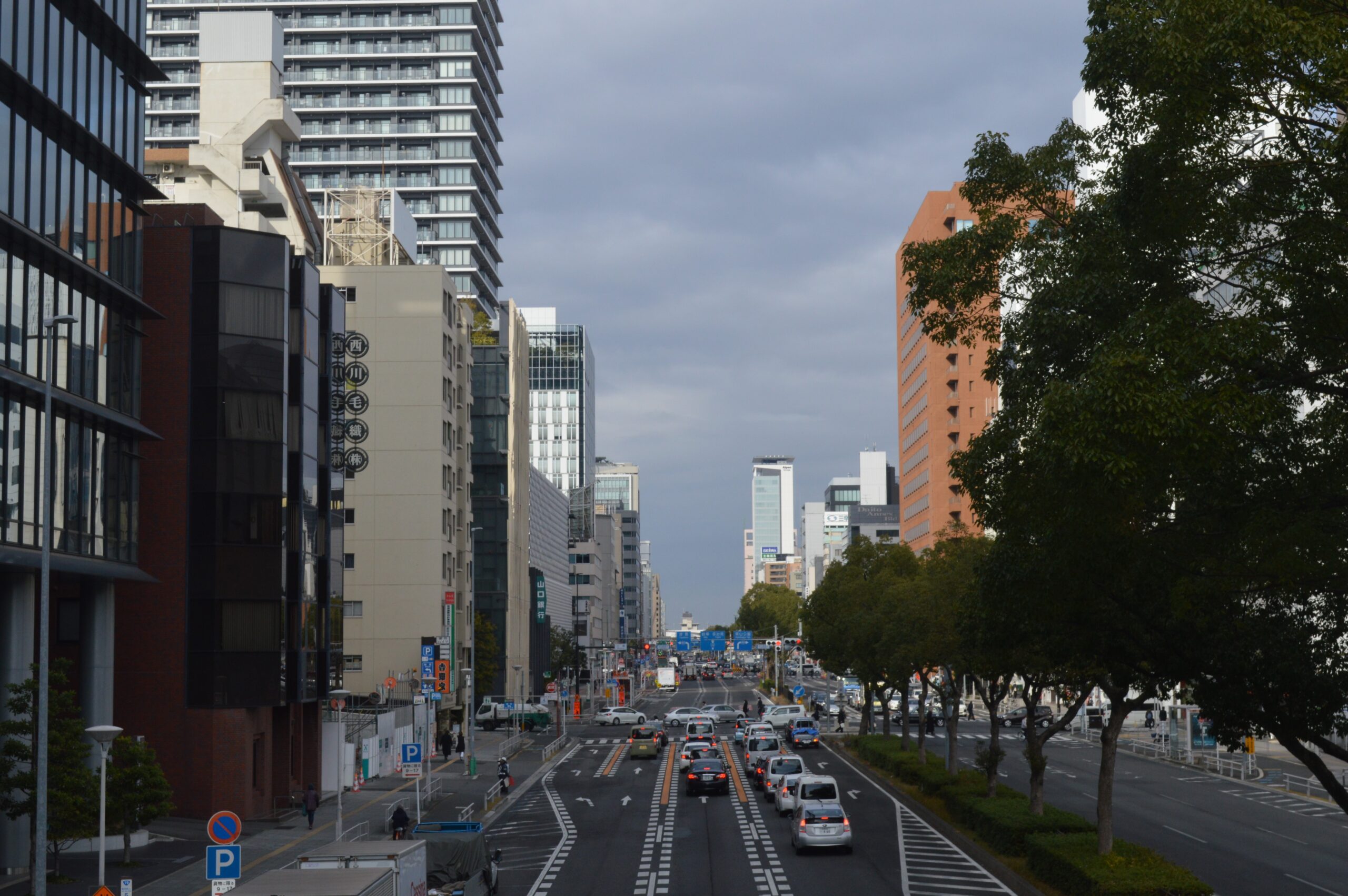
Choose Fushimi for a calmer central compromise
Fushimi is the useful middle choice when you want to stay central without making the busiest part of Sakae the whole atmosphere of the trip. It can suit travellers who prefer a quieter return after dinner, want a practical city base between the station and Sakae, or are comparing business-district hotels with more leisure-oriented central addresses. Think of it as a location for reducing small daily compromises rather than as a substitute for either of the other areas.
That compromise is valuable only if it matches your actual routes. Before booking, map the walk from the hotel to the station or subway entrance you will use, then map the return from the restaurants or sights most likely to end your day. A Fushimi property can be a balanced choice for a multi-night stay, but it is not automatically the best answer for a traveller who needs the station outside the door or who wants the liveliest Sakae streets immediately below the room.
Make the decision with your real itinerary
- Arriving late or leaving early by Shinkansen: start with Nagoya Station, then move farther into the centre only if the property clearly improves the rest of the stay.
- Flying into or out of Chubu Centrair: confirm the live Meitetsu airport-access plan and your luggage route before choosing between the station and the centre.
- Wanting central dinners and flexible city evenings: compare Sakae properties first, then check the precise walk to the places you plan to use after dark.
- Wanting central access with a quieter return: compare Fushimi addresses and the nearest station entrance against your likely first and last journeys.
- Continuing into central Japan: keep the station-side option in view until onward rail or bus times are settled.
In short: choose Nagoya Station for transport simplicity, Sakae for a central evening base, and Fushimi for a more measured central compromise. Once that choice is clear, compare a small number of properties in the right area rather than searching the whole city. For onward planning, see the Gifu travel guide and the Mie travel guide.
Sources checked: Visit Nagoya’s Nagoya Station area guide, the Sakae / Fushimi area guide, Oasis 21 visitor information, and Meitetsu airport access. Checked 2026-08-12.