
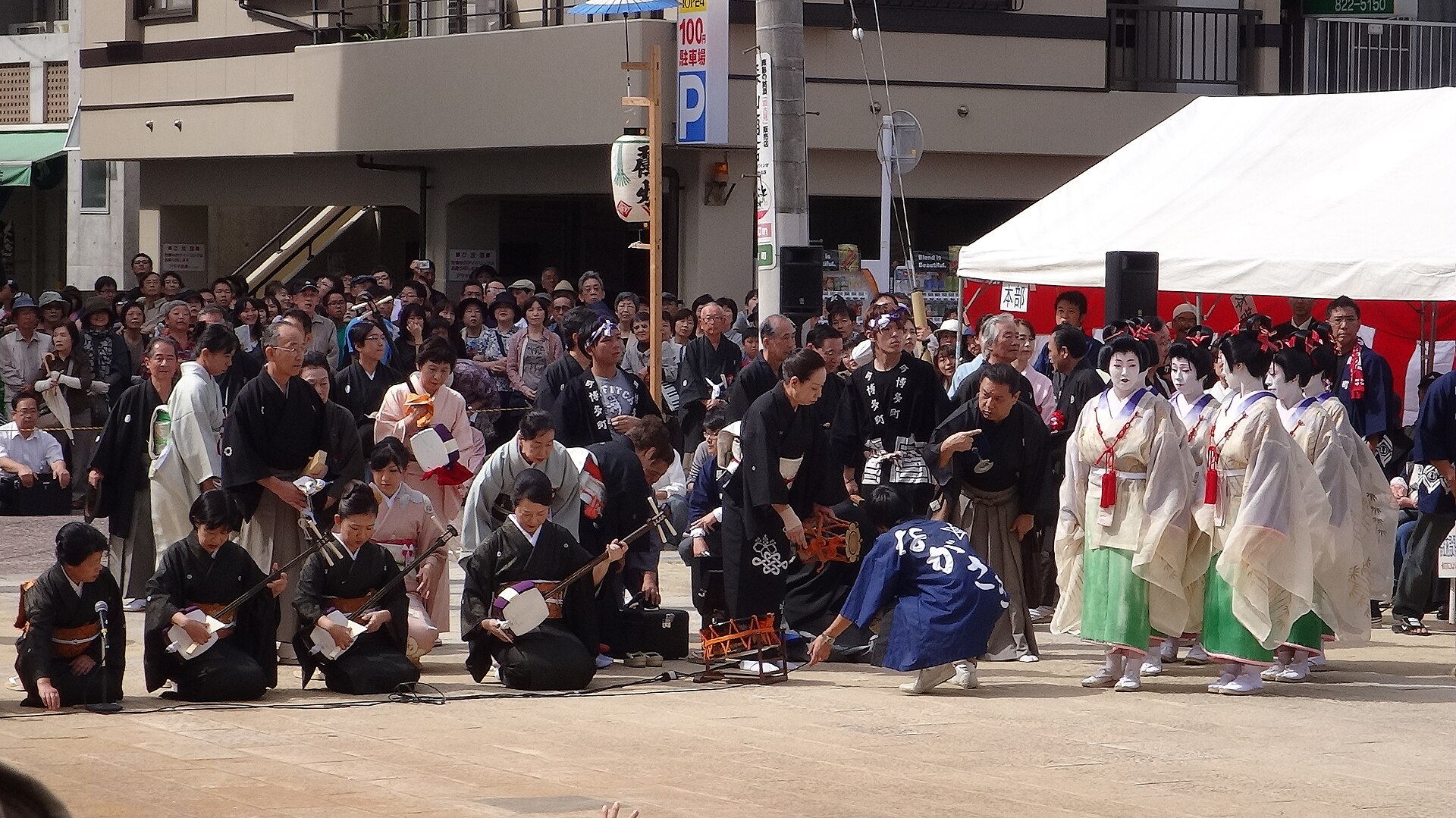
Nagasaki Kunchi is easiest to enjoy when you choose a viewing area before you choose a ticket. The 2026 festival runs from October 7 to 9, with performances moving between Suwa Shrine, Chuo Park, Otabisho and Yasaka Shrine. These are not identical seats for the same experience: the shrine setting, central-city seating, harbour-side access and close-up neighbourhood atmosphere each suit a different kind of day.
Start with the official timetable and the venue’s own ticket page, not a general festival listing. The organisers make clear that each viewing area handles sales and refunds separately, and outdoor performances can move when rain or rough weather intervenes. As of 2026-08-11, some date-and-seat combinations already have restrictions, so treat every ticket as venue-specific and check the live official page again before paying or travelling across the city.
| If your priority is… | Start with this area | Why it fits | What to check first |
|---|---|---|---|
| The shrine setting and a traditional focal point | Suwa Shrine | It is the festival’s shrine venue, with box seats, limited standing space and a lottery-based free Nagasaka viewing area. | Current seat availability and the separate Suwa sales instructions. |
| A central location and a single-seat purchase | Chuo Park | The official guide describes bench seating and close-up chair seats; it is the clearest option when you are not booking a group box. | The exact day, session and Ticket Pia/Seven-Eleven listing. |
| Easy tram or bus access and a lively harbour-side setting | Otabisho | The flat waterfront site is convenient by public transport and is surrounded by festival stalls. | Its telephone-reservation rules and whether the desired date has sold out. |
| A close view in an older neighbourhood | Yasaka Shrine | The viewing area is close to the performances, making it a good choice when atmosphere matters more than a central base. | Venue-specific sale details and the day’s weather notice. |
Put the October 7–9 timetable ahead of sightseeing
The official 2026 programme lists six dance towns and their presentations across the three days. On October 7, the daytime sequence begins at Suwa Shrine and then moves through Chuo Park and Otabisho; later performances return to Suwa Shrine and Chuo Park. The times and venue order change by day, so a ticket for one performance should not be treated as a pass to follow the whole festival around town. Use the official timetable to pick one performance you can realistically reach, then build food, museums or waterfront time around it.
That is especially useful if you want to see a particular dance town or a dragon dance. The 2026 programme is published on the official site, but the same group appears at different times and places. Rather than rushing between venues, choose your preferred performance first, arrive with a buffer, and keep the rest of the day flexible. The festival is a city-wide sequence, not a single all-day stage show.
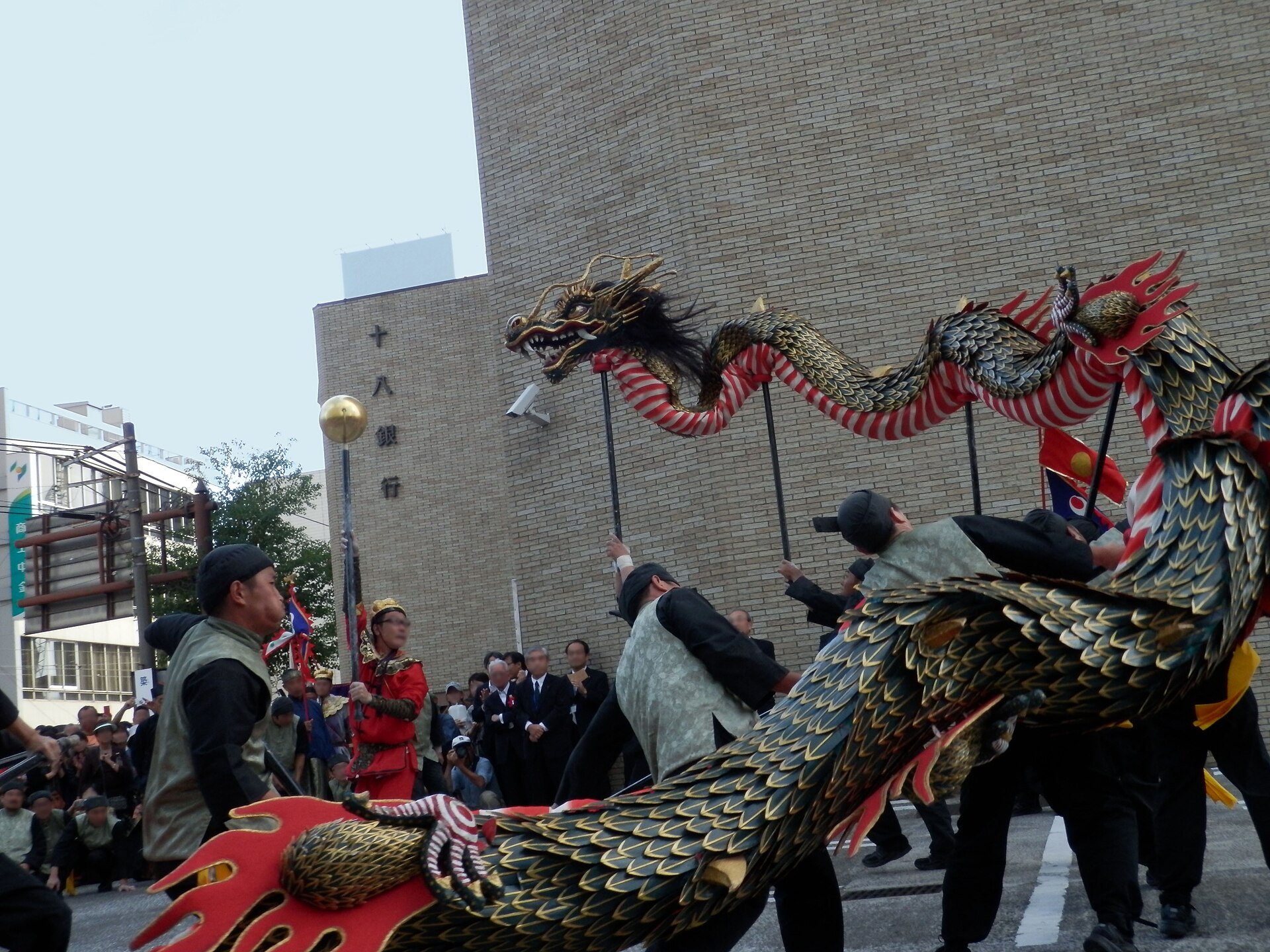
Buy for one venue, then read that venue’s rules
There is no one universal Nagasaki Kunchi ticket desk. The official guidance says that each viewing area runs its own sales and refund process. Chuo Park’s current guidance points buyers to Ticket Pia and Seven-Eleven terminals for applicable seats. Suwa Shrine has its own office, web and telephone arrangements. Otabisho asks visitors to reserve by phone before purchase, and the official page notes that its reception closes once seats sell out. Yasaka Shrine also has its own viewing-area operator.
This is why a vague plan to “buy Kunchi tickets” can fail. First decide whether you need an individual seat, a group box, an accessible option, or simply the venue with the easiest transport from your accommodation. Then use the live official listing for that venue and day. Do not assume a ticket can be moved to another venue or refunded for a change of mind: the official Chuo Park guidance says customer cancellations are not refunded, while weather-related changes have venue-specific procedures.
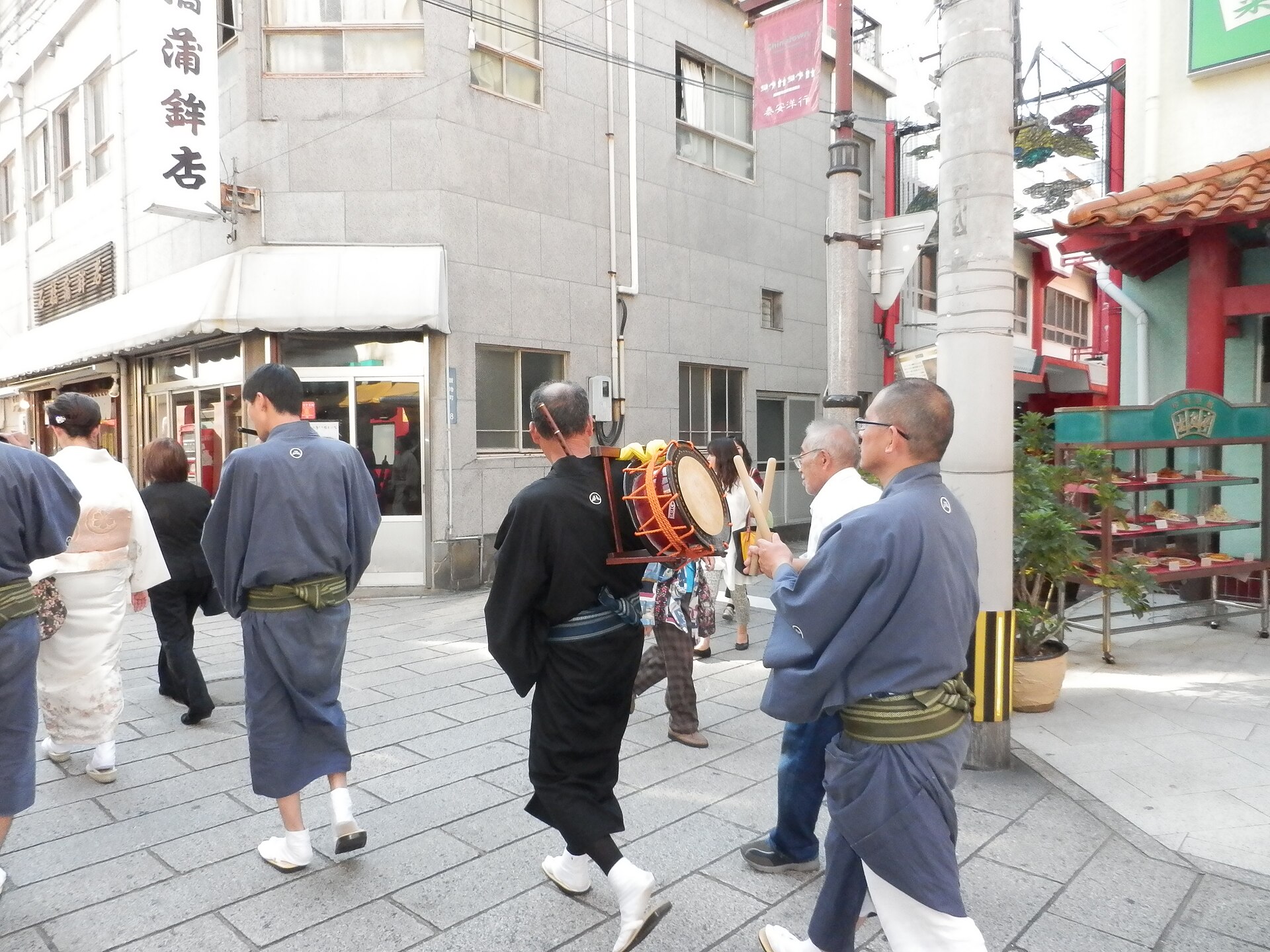
Use public transport and leave a weather buffer
The official festival guidance asks visitors to use public transport because roads around the venues can be busy. Otabisho is described as convenient for tram and bus arrivals, while Suwa Shrine, Chuo Park and Yasaka Shrine each need a little more route planning. Choose your station or stop before the day, allow time to walk through crowds, and do not schedule a restaurant booking immediately after a performance’s listed finish time.
Rain is the other reason to keep the plan loose. The organisers state that outdoor dedication dances can be postponed or have their times changed in rain or rough weather. If a performance cannot go ahead, the rearranged schedule can affect later venues too. Check the official timetable and your specific ticket operator on the morning of your visit; if you choose not to attend after a weather-driven change, contact the relevant viewing area promptly because its refund process and deadline may differ.
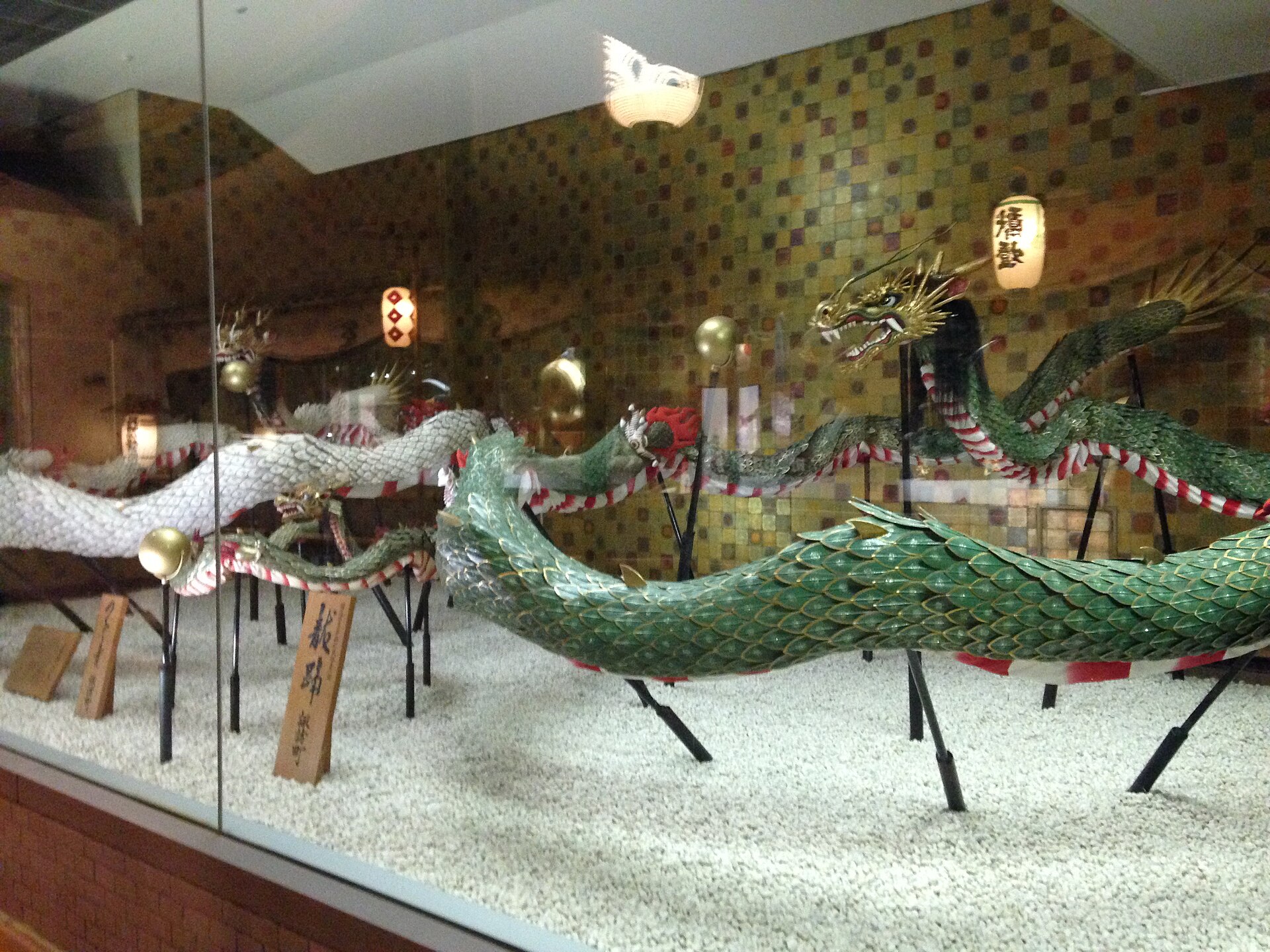
A simple Kunchi plan
- Before booking: pick the performance, day and viewing atmosphere you actually want.
- When booking: use the official venue-specific route and save the confirmation with its venue name.
- On the day: travel by tram or bus where practical, arrive early and check the live timetable again.
- If weather changes: follow the venue’s notice rather than assuming the original time still applies.
- For the rest of the trip: keep a second Nagasaki activity in reserve instead of filling the day with fixed bookings.
Continue with the Nagasaki travel guide for city planning, the Fukuoka travel guide when you are combining northern Kyushu stops, and the Saga travel guide for another nearby prefecture.
Sources checked: Nagasaki Kunchi’s official 2026 timetable, official ticket guidance, and the official viewing-area guide. Checked 2026-08-11.