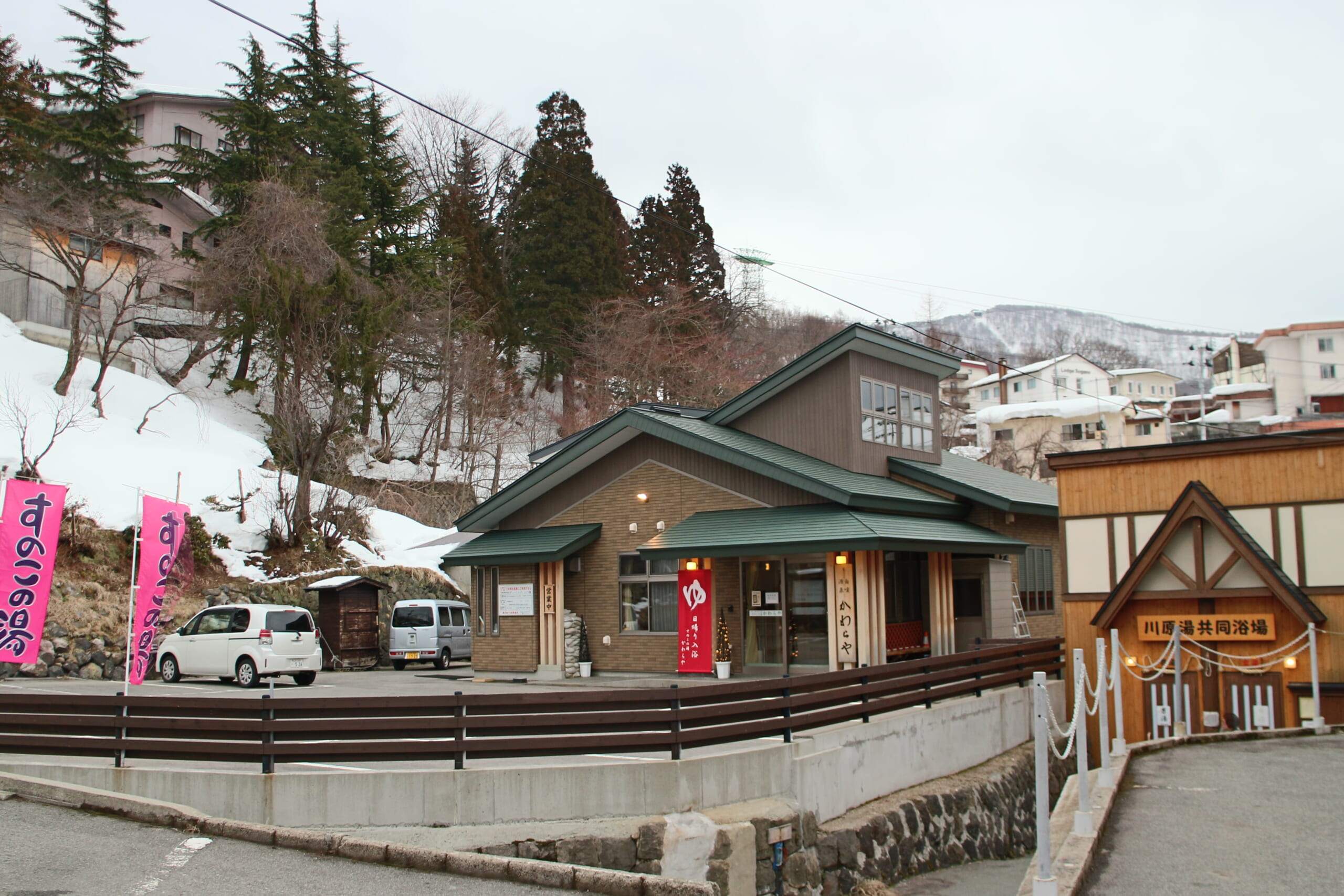
Stay near Yamagata Station if trains and a flexible city base shape your trip; stay in Zao Onsen if the hot spring, mountain morning and ryokan evening are the trip. The key cost is not just a room rate: the bus between the two bases, luggage handling and whether dinner is included can change which stay works better.
| Decision axis | Yamagata Station area | Zao Onsen |
|---|---|---|
| Arrival and journey time | Walk from JR Yamagata Station to a station-area hotel; one station-connected hotel is a concrete example. A Zao day trip still needs a bus ride of roughly 40 minutes each way, plus waiting. | From Yamagata Station, allow roughly 40 minutes by route bus to Zao Onsen Bus Terminal, then the actual walk or hotel pickup to your room. |
| Fare and total stay budget | If you visit Zao by bus and return, the operator lists ¥1,200 per adult each way, or ¥2,400 round trip before any local activity. Add this to your room quote. | Allow at least the ¥1,200 outbound bus if arriving via Yamagata, and another fare for the onward or return trip. Compare the room quote including meals and any transfer. |
| Booking and transfer | Book a hotel room separately. The ordinary Zao route bus is non-reserved; buy the bus ticket at the Yamagata Station information center before lining up at stop 1. | Book the room and confirm its check-in, dinner cutoff and any pickup directly with the property. The route bus is non-reserved; check the last useful connection for your arrival. |
| Walkability and luggage | Compare the real hotel-door walk with your rail platform and bus stop. A paid baggage-storage service exists at the station-connected Hotel Metropolitan building; confirm its current hours. | Check the slope and distance from Zao Onsen Bus Terminal to the specific lodging, especially with bags or snow; ask about pickup instead of assuming it. |
| Local mobility and evening fit | Better if your days involve onward trains or a city dinner and you want to reset at a transport hub each night. | Better if you want to stay in the onsen area after day visitors leave. Confirm whether your lodging includes dinner or where you will eat that evening. |
| Stay length and best for | Choose for a one-night rail stop, an early onward train, or a multi-place itinerary in which Zao is only one outing. | Choose for a slower onsen-focused night or more time around the mountain; allow room for weather-dependent activities. |
| Trade-off | You avoid moving luggage uphill to an onsen lodging, but a Zao visit consumes two bus legs and you leave the hot-spring area for the night. | You gain the onsen evening and an earlier local start, but rail connections become a separate bus journey and meal timing matters more. |
The bus fare and schedules can change. Check the Yamagata Kotsu route page and each hotel’s official booking terms for your travel date before booking. Compare the same room occupancy, meal plan and cancellation terms; a lower room-only price is not automatically a cheaper stay.
Choose the station when your itinerary keeps moving
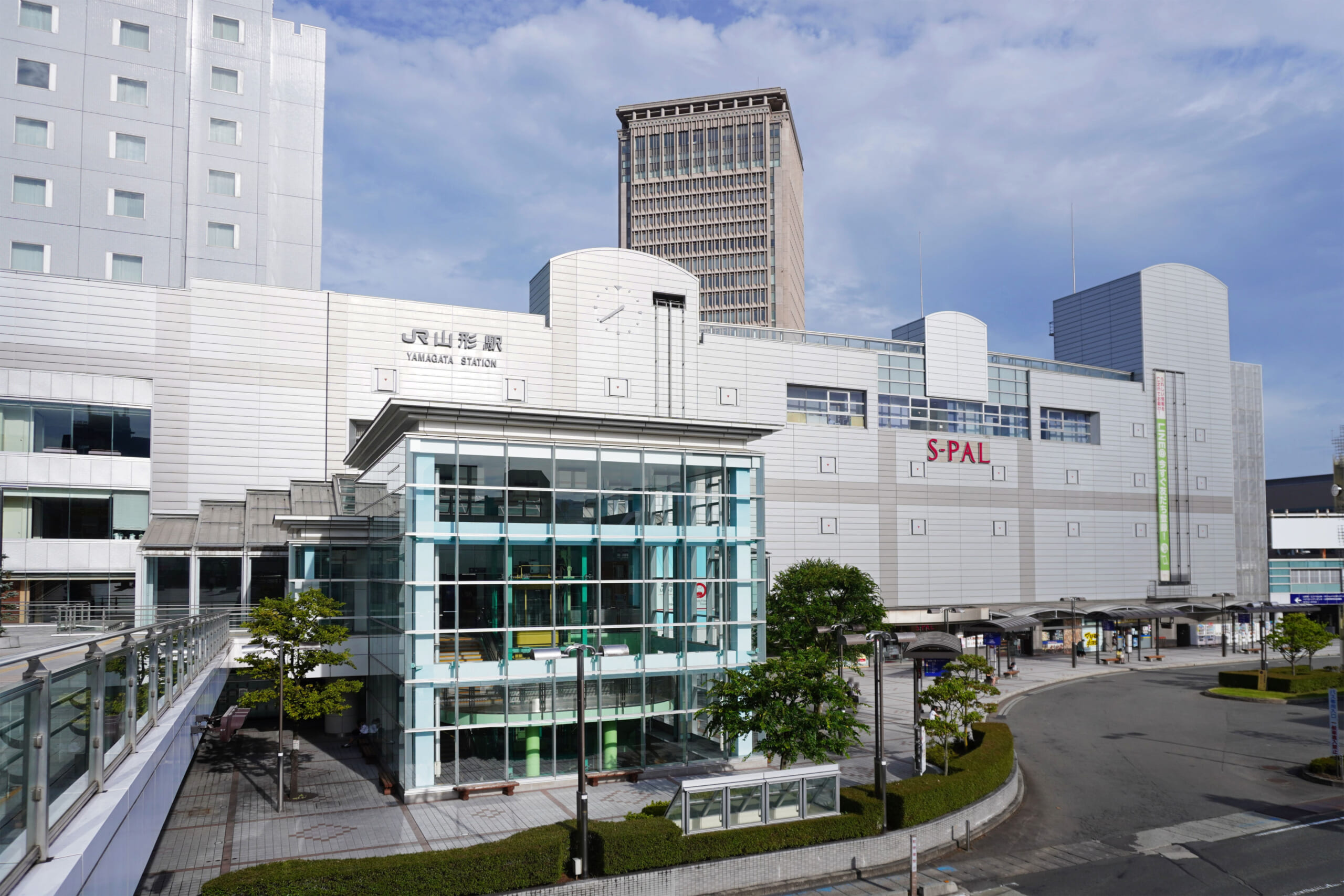
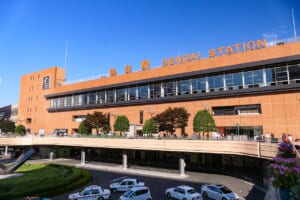
Yamagata Station is the practical rail anchor for a trip that includes other stops before or after Zao. The Hotel Metropolitan Yamagata, connected to the east exit, demonstrates how close a station hotel can be; it is an example, not a claim that every nearby hotel is equally close. Check your chosen property’s walking route from the station and the bus stop rather than relying on a map pin alone. A late arrival or early departure makes those last few minutes with luggage more valuable than a generic “central” label.
For a Zao day trip, budget for both directions of the bus. The operator publishes the adult Yamagata Station–Zao Onsen fare as ¥1,200 each way, so the transport-only round trip is ¥2,400 before ropeway, bathing or other spending. The published journey is about 40 minutes, but queues and waiting can make a day trip longer. Buy a ticket before joining the line at Yamagata Station stop 1, and check the outbound and return timetable for the actual travel day. Do not plan around the last possible bus.
If you arrive with a bag too large for a locker, the Yamagata tourism organization lists a paid short-term storage service in the station-connected Hotel Metropolitan building. Its current hours and availability need checking before you rely on it; a hotel’s own luggage policy may suit an overnight guest better. This is a logistical advantage for a split rail-and-Zao day, not a reason to choose a hotel you otherwise dislike.
Choose Zao when the onsen evening matters
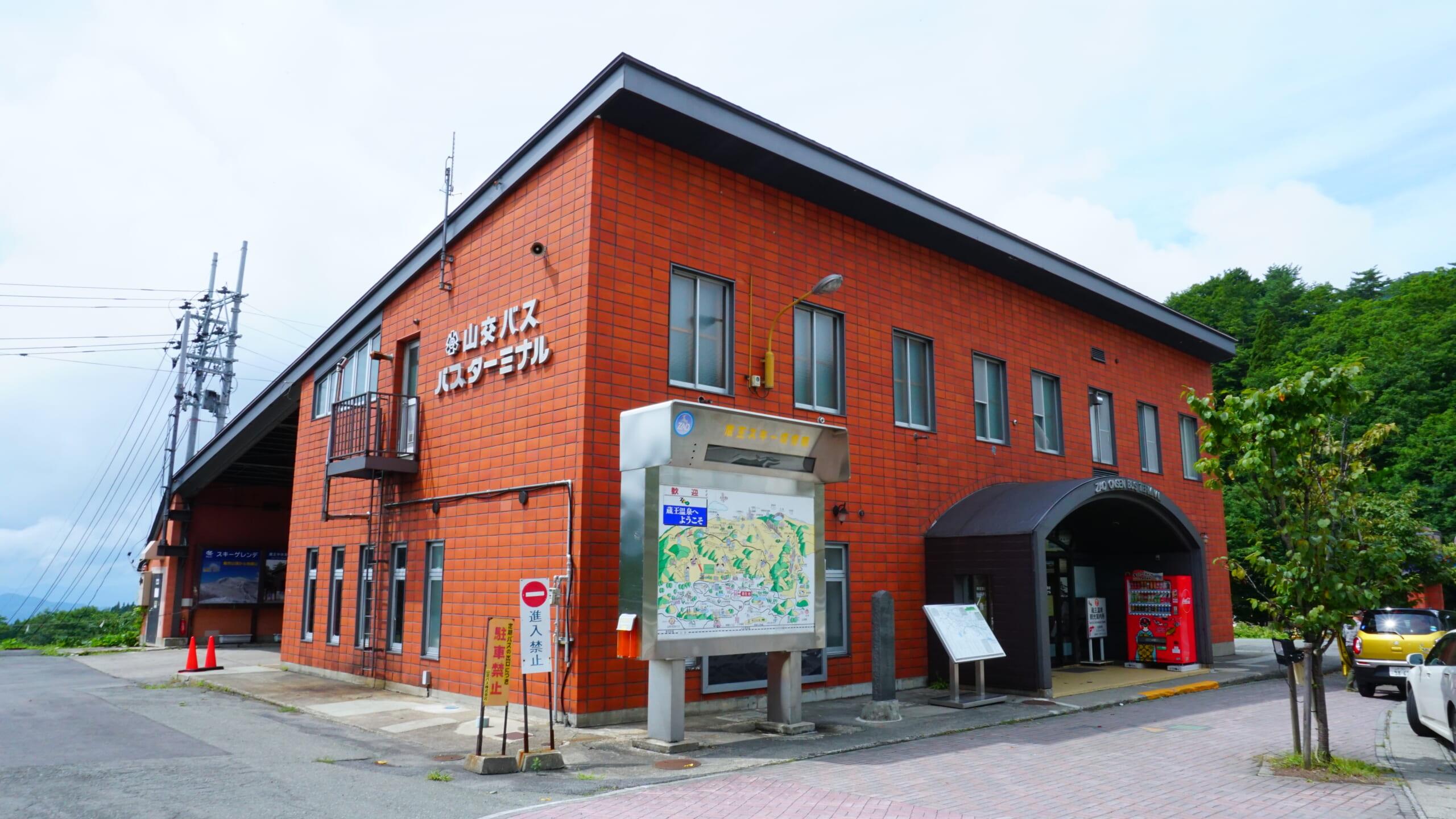
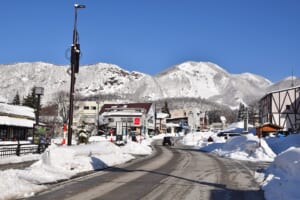
Zao Onsen works best when the accommodation itself is part of the experience: bathing, a relaxed dinner and waking up already in the mountain area. The Zao Onsen accommodation directory shows that there are several types of lodging, not one interchangeable ryokan product. Before booking, check the exact room location, bath access, meal plan, check-in time and any property pickup. A bus ticket gets you to Zao Onsen Bus Terminal, not necessarily to your hotel’s door.
Evening logistics are easy to underestimate. The resort’s food directory shows eating options, but it does not guarantee that a particular restaurant will be open when you arrive. If dinner is important, a confirmed half-board booking can be more useful than a room-only rate plus an uncertain evening meal. Confirm the property’s dinner cutoff and any dietary request directly before booking. In winter, ask about the walking route from the bus terminal and any shuttle rather than assuming a level, clear path.
A Zao night also changes the next morning: you can start locally instead of spending a bus journey getting there. That is valuable for an onsen-centered visit or weather-sensitive mountain plans, but it is not a guarantee that a ropeway, ski slope or outdoor attraction will operate. Check the relevant operator’s current notices and keep a flexible alternative. When leaving Zao for an onward train, work backward from the train and use the operator’s access guide and current return timetable to leave enough margin.
A simple room-plus-transfer test before booking
- Station base: compare the total hotel quote plus any Zao round-trip bus fares, and include the time spent waiting and returning after your onsen visit.
- Zao base: compare the total lodging quote with the same meals and cancellation terms, plus the bus to and from the resort and any property transfer.
- For either base: check the arrival time, dinner plan, luggage walk and next-morning departure. The cheapest room on a search result may cost more in transfers or a missed meal.
For hotel options in this prefecture, see our Yamagata hotel guide.
If the main purpose is to see the snow monsters, the Zao Snow Monsters guide helps with the activity decision; this article is about where to sleep. The Yamagata guide places both bases in a wider prefecture trip. Choose the station for repeated onward movement and Zao for the onsen stay itself, then verify live transport and lodging conditions before committing.
Image credits: Zao Onsen by Suicasmo, Yamagata Station east exit by Mister0124, and Zao Onsen Bus Terminal by 掬茶 (all CC BY-SA 4.0). No content edits.
Official sources: Yamagata Kotsu bus fares and timetable, Zao access guide, Zao accommodations, Zao food directory, station-connected hotel, and station baggage storage.