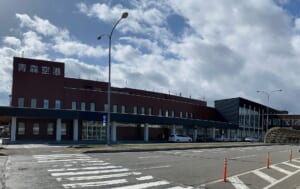
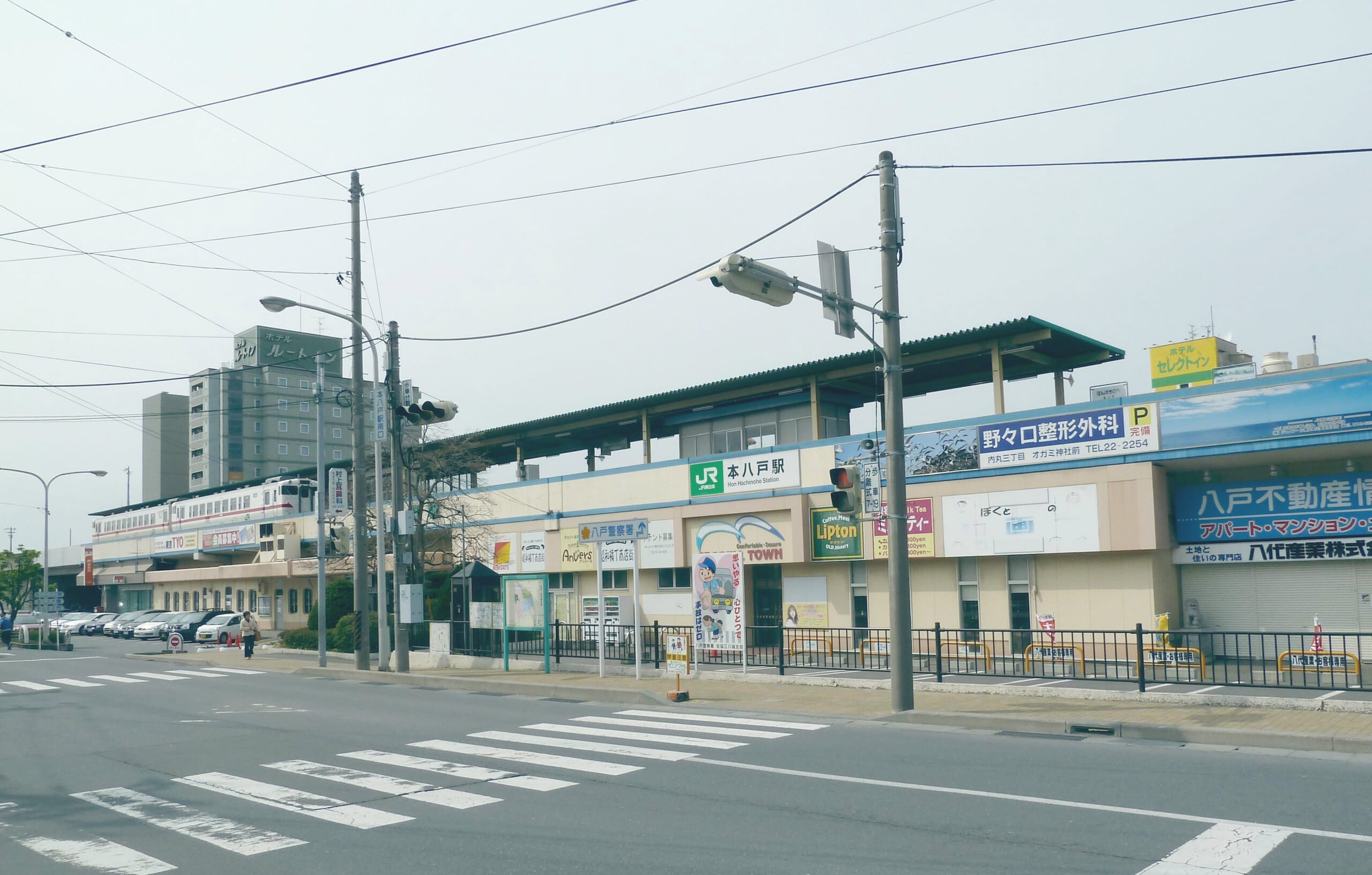
Stay beside Hachinohe Station when a Shinkansen arrival, early departure or heavy luggage controls your trip. Stay in the city center when an evening in the yokocho lanes and a downtown start the next day matter more. Hon-Hachinohe is the useful local-rail stop for the center; it is not the Shinkansen station. For the coast or a morning market, decide the first leg from your actual hotel, not from the city name in a booking listing.
| Decision axis | Hachinohe Station area | City center / Hon-Hachinohe |
|---|---|---|
| Arrival and access | Best luggage hand-off after the Tohoku Shinkansen. Check the hotel exit and walk from the station. | Transfer by Hachinohe Line to Hon-Hachinohe, then walk, or use a downtown-bound bus. Confirm the stop nearest the property. |
| Next departure | Best for an early Shinkansen or a connection beginning at Hachinohe Station. | Allow a local-rail or bus leg back to Hachinohe Station before a Shinkansen departure. |
| Evening | Convenient for a station-side night; downtown alley dining requires a separate trip. | Walk to the yokocho dining lanes from a genuinely central hotel; verify its exact address. |
| Coast and markets | Hachinohe Line reaches the coastal direction. Check the specific station and service for your destination. | Downtown starts the seasonal Sunday market bus; Hon-Hachinohe is also on the coastal rail line. Check the operating day. |
| Booking and trade-off | Check the station exit, room terms and first train; easy intercity rail means a longer downtown evening trip. | Check the walk from Hon-Hachinohe or your bus stop, room terms and return service; a lively evening adds a transfer to intercity rail. |
The official Hachinohe access guide separates Hachinohe Station, Hon-Hachinohe and the city center. Its local rail route continues toward Mutsuminato and the Tanesashi coast. The table is a base-choice guide, not a promise that every hotel called “Hachinohe” has the same walk. Check live train and bus services, the hotel entrance and booking terms for your travel date before reserving.
Work backward from your first fixed departure
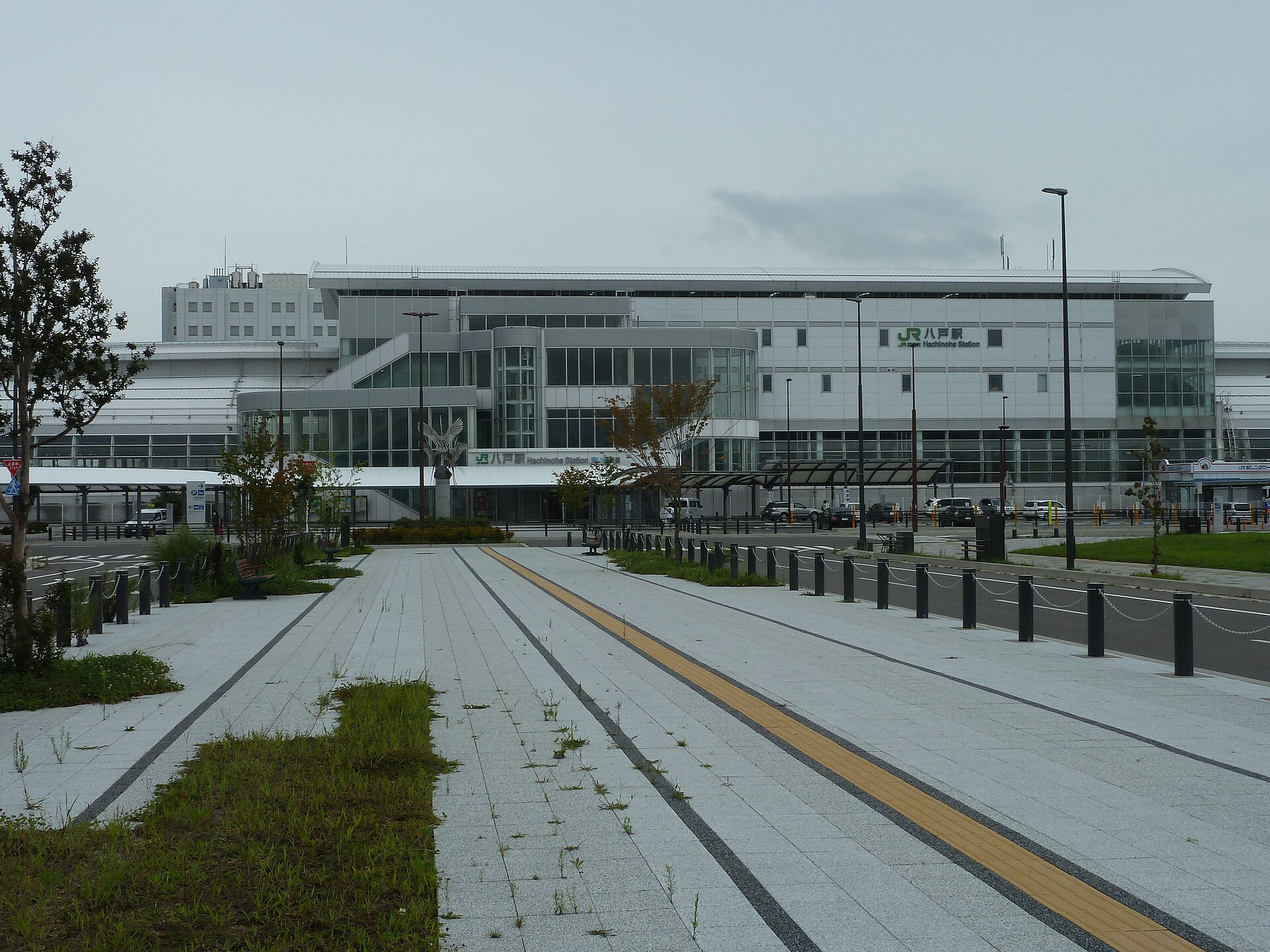
If your next morning begins with a Shinkansen, put the departure station first. Hachinohe Station is the intercity rail hub. A room near its correct exit reduces the risk of moving bags across town before a fixed train. The station label still needs checking: a property described as near “Hachinohe” may in fact be near Hon-Hachinohe or elsewhere in the city. Comfort Hotel Hachinohe’s official page is one station-side example, not a recommendation on price or availability. Verify your own property’s address and walking route.
A central room can be the better fit if you have a full evening and no early intercity departure. The local tourism guide places the yokocho alleyways downtown, so you can finish dinner without planning a station-area return. Richmond Hotel Hachinohe Square shows one central hotel location. It does not stand for every room in the center: compare the precise address with the lanes and your chosen Hon-Hachinohe or bus stop.
The market morning changes the calculation
The two best-known market starts are different trips. The Mutsuminato morning market area is on the Hachinohe Line; the Tatehana Wharf Sunday Morning Market has a dedicated ISABA circuit bus from downtown stops when it operates. A downtown room can make the Sunday bus more practical, while a rail-first plan can favor a station with the right Hachinohe Line service. Do not assume the Sunday bus runs every week of the year or that a coastal train meets an early market hour. Confirm the market opening and transport on the official pages for your actual day.
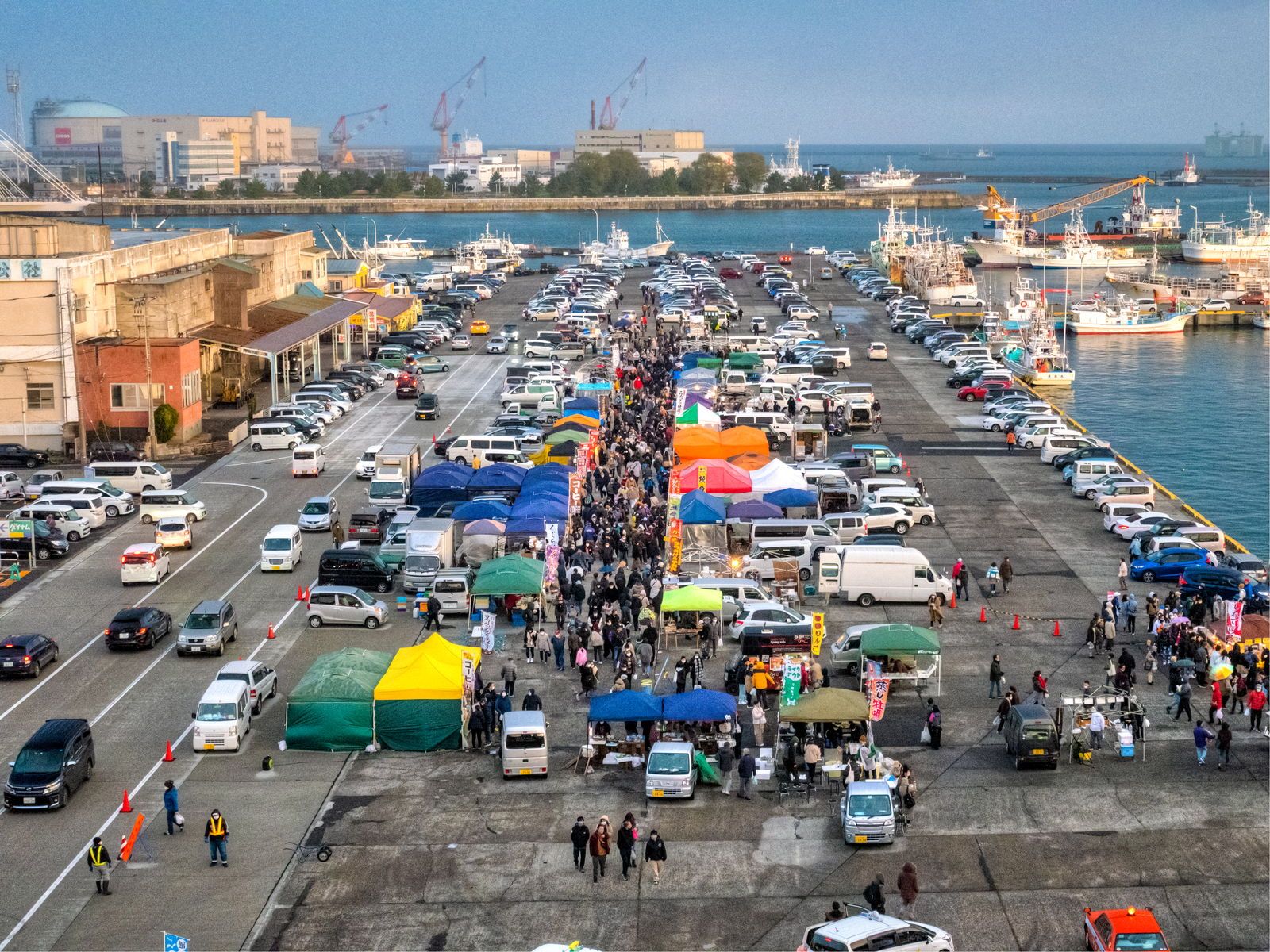
The market photograph is Tatehana Wharf, not the station-area Hasshoku Center or the Mutsuminato station market. The tourism office’s overnight course uses a downtown hotel as a base for dining and later trips. That itinerary demonstrates the upside of staying centrally, but you should still check the season and your departure time rather than copying its transport sequence.
Check the room after you choose the base
- Pin the entrance: use the official accommodation directory to identify a possible property, then confirm its own address and the station or bus stop you will really use.
- Check both directions: map the arrival with luggage and the next morning’s first leg. If you stay downtown, leave a realistic transfer margin before a Shinkansen.
- Read the room terms: breakfast hours, check-in, cancellation and parking vary by property and date. Avoid treating neighborhood names as proof of a room feature.
For a wider route, use the Aomori guide for Hachinohe and nearby stops, and the Iwate and Akita guides for neighboring legs. The choice here is about your overnight hand-off: a station-side room removes an intercity transfer, while a central room gives your evening and certain market starts a better position. If both matter, compare the actual transfer time against the room you prefer.
For hotel options in this prefecture, see our Aomori hotel guide.
Official sources: Visit Hachinohe access, accommodation directory, yokocho guide, ISABA market bus, weekend course, Comfort Hotel, and Richmond Hotel access. Check current service and lodging details on these official pages for your travel date before booking.