


Fukushima Travel Guide
Fukushima offers samurai history, thatched post towns, volcanic lakes, mountain scenery, fruit orchards, and wide seasonal landscapes.
Quick facts
- Best for: Aizu history, old towns, lakes, mountains
- Recommended stay: 2 to 3 days
- Best season: Spring, autumn, and winter snow
- Main bases: Aizu-Wakamatsu, Fukushima City, Koriyama
Why visit Fukushima
Fukushima is large and varied, and its best-known places are inland in the old Aizu region rather than on the coast. Aizu-Wakamatsu Castle is the samurai stronghold at the centre of that history. Ouchi-juku is a preserved Edo-period post town on the old road between Aizu-Wakamatsu and Nikko, its thatched houses still lived and worked in, and it was designated an Important Preservation District for Groups of Traditional Buildings in 1981. To the north, the Goshikinuma ponds are a walking trail past pools of startlingly different colours, formed by the eruption of Mount Bandai.
Getting to Fukushima
Fukushima is the first Tohoku prefecture out of Tokyo on the Shinkansen, which makes Aizu and Bandai realistic on a long day trip, though they are better with a night. The Aizu side is reached by a branch line west from Koriyama, and Ouchi-juku needs a further bus or taxi from the local railway — the last connection back is the thing to check first. In summer the Bandai plateau is cool walking country; in winter this is ski territory.
Top Attractions in Fukushima
Aizu-Wakamatsu Castle
Aizu-Wakamatsu Castle, also known as Tsuruga Castle, is a rebuilt samurai fortress with Japan's only red-tile keep, a layered local-history museum, and a fifth-floor view across the Aizu Basin.
- Price
- Adult keep admission is ¥410; a keep-and-Rinkaku tea-house ticket is ¥520, and the three-facility ticket (keep, Rinkaku, Oyakuen) is ¥730. Children aged 6–14 pay ¥150.
- Time needed
- Allow 1 to 1.5 hours for the keep and museum; add time for the park or Rinkaku tea house.
View practical details
- Hours
- Open daily 8:30am–5:00pm; final entry is 4:30pm.
- Good for
- History fans, families, and travelers who want a clear introduction to Aizu before exploring the castle town.
What to do
- Start with the immersive theater and first-floor history displays to place the castle in Aizu's story.
- Follow the second- and third-floor displays for the changing lords and the Boshin War context.
- Use the fifth-floor 360 view to orient yourself across the Aizu Basin before walking the park.
- Look for the red roof tiles: the official museum explains how their iron-rich glaze suited the snowy climate.
Tickets and fees
Checked in August 2026: adult keep admission is ¥410, the keep-and-Rinkaku combo is ¥520, and the keep/Rinkaku/Oyakuen ticket is ¥730; children aged 6–14 pay ¥150. Pay cash at the ticket office, or buy a web ticket with a credit card before visiting.
Getting there
From Aizu-Wakamatsu Station, ride the Haikara-san or Akabe sightseeing loop bus to Tsurugajo Iriguchi, then walk about five minutes. By car, allow about 15 minutes from the Aizu-Wakamatsu IC; the three paid castle lots hold about 360 standard cars, so use the bus when you want to avoid parking pressure.
Nearby
Easy pairings include a day trip out to Ouchi-juku for a completely different, rural side of Aizu, or the volcanic scenery at Goshikinuma Ponds if you have a full day.

Ouchi-juku
Ouchi-juku is a preserved Edo-period post town in the Aizu mountains, where more than 30 thatched-roof buildings line a single street of soba shops, craft stalls, and inns.
- Price
- Free to walk the village street; shops, restaurants, and the townscape exhibition hall charge separately.
- Time needed
- 1.5 to 2 hours, more if you eat and browse the shops.
View practical details
- Best time
- Clear daytime hours for photos of the thatched roofs, or the second weekend of February for the Snow Festival.
- Good for
- Photographers, food lovers, and travelers who want a slower, rural side of Fukushima.
What to do
- Walk the main street of thatched-roof houses, most of which are now shops or small museums.
- Try negi soba, the local soba noodles eaten using a whole green onion instead of chopsticks.
- Climb the short path up the hill behind the village for an overview shot of the rooftops.
- Browse craft stalls selling Akabeko folk toys and other Aizu souvenirs.
Tickets and fees
Checked in July 2026: entering the village itself is free with no set hours; individual shops keep their own schedules and some close in winter outside the Snow Festival weekend, so an off-season weekday visit may find fewer shops open.
Getting there
Take the Aizu Railway to Yunokami Onsen Station (about 35 minutes from Aizu-Wakamatsu Station), then a seasonal bus or taxi (around 15 minutes) to Ouchi-juku; buses run roughly hourly from mid-March through November.
Nearby
Combine it with Aizu-Wakamatsu Castle for a one-day Aizu itinerary that mixes samurai history with a preserved Edo-period village.

Goshikinuma Ponds
Goshikinuma, the Five Colored Ponds, is a cluster of volcanic lakes below Mount Bandai where mineral content gives each pond its own shade of blue, green, or turquoise, connected by an easy walking trail.
- Price
- Free to walk the trail; parking and any shuttle bus fares are the main costs.
- Time needed
- 1 to 1.5 hours for the main 3.6 km trail one way.
View practical details
- Best time
- Fresh green in spring, or autumn foliage against the colored water; each pond's color also shifts with the light.
- Good for
- Casual hikers, families, and anyone combining a Mount Bandai day with an easy nature walk.
What to do
- Walk the roughly 3.6 km trail one way between the Goshikinuma-iriguchi and Urabandai Kogen entrances.
- Look for the color differences between ponds such as Bishamon-numa and Aka-numa, caused by mineral content and depth.
- Use the mostly flat, partly planked path, which is manageable for most fitness levels.
- Pair the walk with a coffee or lunch stop at the Urabandai Visitor Center near the trailhead.
Tickets and fees
Checked in July 2026: the trail is free and open all day with no ticket needed; buses from Inawashiro Station run roughly every 1 to 2 hours, so check current timetables before planning a one-way walk.
Getting there
From Inawashiro Station, take an Aizu bus around 30 minutes to the Goshikinuma-iriguchi bus stop for the eastern trailhead, or continue toward Urabandai Kogen for the western trailhead.
Nearby
Many visitors pair the walk with a hike up Mount Bandai itself, since several trailheads sit close to the ponds.
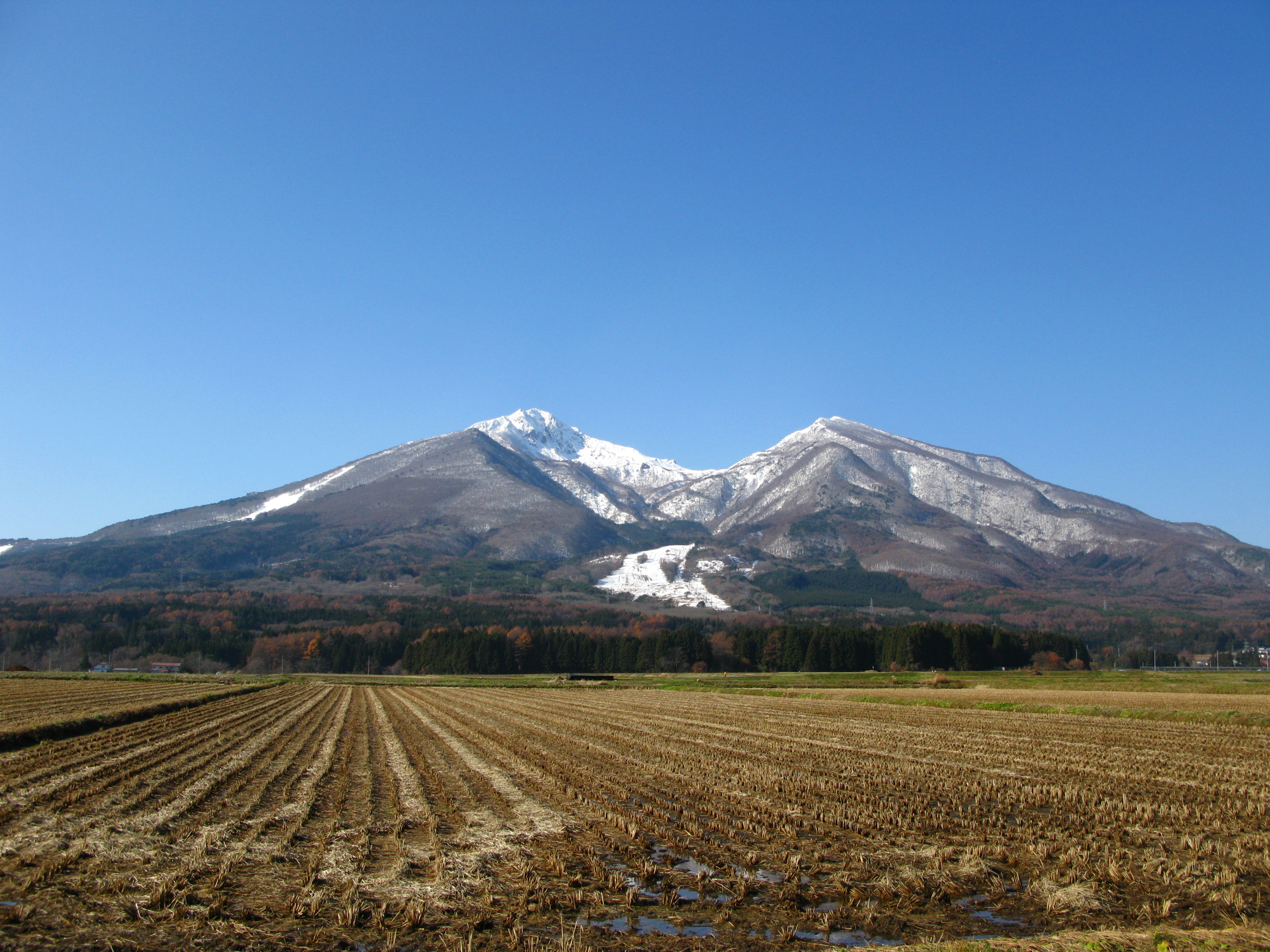
Mount Bandai
Mount Bandai is a 1,816-meter volcano above the Aizu basin, known locally as Aizu-Fuji for its once-symmetrical shape, offering hiking routes from an easy two-hour summit push to longer full-day climbs.
- Price
- Free to hike; ski-resort gondola or lift tickets are paid if you use one to gain elevation.
- Time needed
- Around 4 hours round trip for the easiest Happodai route; a full day for longer trails.
View practical details
- Best time
- May through November for hiking season; early autumn for foliage on the lower slopes.
- Good for
- Hikers of varying experience, and travelers pairing a climb with the Goshikinuma ponds below.
What to do
- Start from the Happodai Trailhead on the Bandaisan Gold Line for the shortest route, roughly 2 hours up.
- Use a ski-resort gondola, where open for summer operation, to skip the lower elevation gain and start hiking around 1,200 meters.
- Take in views over the Aizu basin and, on clear days, toward the Goshikinuma ponds below.
- Bring proper footwear and rain gear, since the volcanic terrain gets rocky and steep near the top.
Tickets and fees
Checked in July 2026: there is no fee to hike the mountain itself; gondola or lift operating dates depend on each ski resort's summer schedule, so confirm before counting on one being open.
Getting there
Trailheads are spread around the base near Inawashiro, Bandai-machi, and Urabandai; the Bandaisan Gold Line toll road connects several of them and is easiest reached by car or rental car from Inawashiro or Aizu-Wakamatsu.
Nearby
After the hike, the easy walking trail at Goshikinuma Ponds is a good lower-effort way to see more of the same volcanic landscape.
This page may contain affiliate links. We may earn a commission at no extra cost to you.
Where to stay
| Area | Notes |
|---|---|
| Aizu-Wakamatsu | best for castle history and Ouchi-juku trips. |
| Fukushima City | useful for fruit, onsen, and rail access. |
| Bandai area | best for lakes and mountain scenery. |
Sample itinerary
- Day 1: Aizu-Wakamatsu Castle and city history.
- Day 2: Ouchi-juku and local food.
- Day 3: Goshikinuma Ponds, Mount Bandai, or onsen areas.
Food to try
- Kitakata ramen
- Aizu sauce katsudon
- Peaches, sake, and local mountain dishes
Common questions
Is Fukushima a realistic day trip from Tokyo?
Aizu and Bandai are possible on a long day since Fukushima is the first Tohoku prefecture out of Tokyo by Shinkansen, but they are better with a night.
How do you reach Ouchi-juku?
By a branch line west from Koriyama and then a bus or taxi from the local railway. The last connection back is the thing to check first.
What is Ouchi-juku?
A preserved Edo-period post town on the old road between Aizu-Wakamatsu and Nikko, designated an Important Preservation District for Groups of Traditional Buildings in 1981.
What is there to do around Mount Bandai?
In summer the plateau is cool walking country, with the Goshikinuma trail passing pools of strikingly different colours. In winter this is ski territory.
Explore Nearby Japan
Continue planning your route with nearby prefectures, regional guides, and useful trip planning links.
Recommended Planning Guides
Use these practical guides to plan where to stay, move between regions, and shape your itinerary before your Japan trip.
Plan Your Japan Trip
When to go, how long, where, money, and what to sort before you book.
Read planning guideJapan Transport Guide
IC cards, rail passes, the Shinkansen, and getting in from the airport.
Read transport guideHotels & Where to Stay
Compare stay areas and lodging ideas for first-time Japan visitors.
Find stay guides