
📍 Related Prefecture Guide:
Yamagata Travel Guide
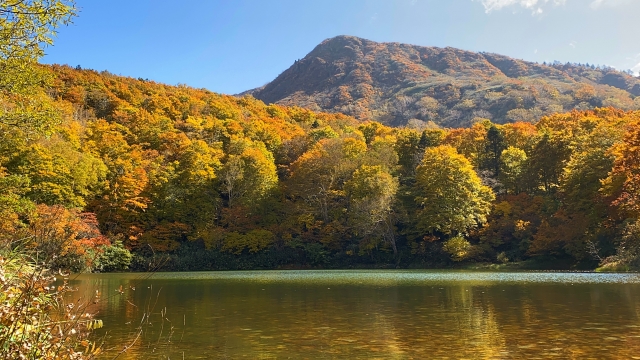
Imagine a landscape painted in fiery reds, brilliant golds, and deep oranges, ancient temples nestled amidst vibrant forests, and crisp mountain air invigorating your senses. This is Yamagata in autumn, a breathtaking spectacle that truly comes alive with the freedom of a self-guided driving tour. While Japan’s public transportation is famously efficient, a rental car unlocks the hidden gems and panoramic vistas of Yamagata’s countryside, offering unparalleled flexibility to chase the fleeting beauty of fall foliage.
This article provides a comprehensive itinerary for international travelers eager to explore the iconic Yamadera and the sacred Dewa Sanzan mountains, complete with practical tips for booking your rental car and making the most of your autumnal adventure.
## Why Yamagata for Autumn Leaves?
Yamagata Prefecture, located in the Tohoku region of northern Honagata, is a haven for nature lovers, especially during autumn. Its diverse topography, featuring towering mountains, serene valleys, and a rugged coastline, ensures a prolonged and varied display of fall colors, typically from late October to mid-November, depending on elevation. Beyond the visual splendor, Yamagata offers a rich cultural tapestry, from ancient mountain worship traditions to unique culinary delights, making it a truly immersive travel destination.
## Planning Your Yamagata Autumn Drive: Essential Tips
A successful self-guided road trip requires careful planning. Here’s what you need to know before you hit the road.
### When to Go: Chasing Peak Foliage
The best time to witness Yamagata’s autumn leaves is generally from **late October to mid-November**. However, peak colors vary year to year and depend on elevation. Higher altitudes, like parts of Dewa Sanzan, may see colors earlier in October, while lower valleys and coastal areas might peak later in November. It’s advisable to check local foliage forecasts a few weeks before your trip. Websites like Japan Guide often provide updated reports.
### Rental Car Essentials: Your Key to Freedom
Renting a car in Japan is straightforward for international visitors, but crucial steps must be followed.
* **International Driving Permit (IDP):** This is non-negotiable. You **must** obtain an IDP from your home country *before* arriving in Japan. An IDP is typically valid for one year and must be presented along with your original driver’s license and passport.
* **Booking in Advance:** Especially during peak autumn season, rental cars can be in high demand. Book your vehicle several months ahead of time to secure your preferred car type and potentially better rates. Major rental companies like Toyota Rent-a-Car, Nissan Rent-a-Car, and ORIX Rent a Car have offices at airports and major train stations.
* **Navigation System:** Most rental cars in Japan come with a built-in GPS. Request one with English language support when booking. Google Maps on your smartphone is also an excellent backup, but ensure you have a reliable data plan or a portable Wi-Fi device.
* **Car Type:** For most of Yamagata’s roads, a compact or mid-size car is perfectly adequate and easier to navigate on narrower mountain roads. If you’re traveling with a larger group or extensive luggage, consider a larger sedan or mini-van.
* **Insurance:** Always opt for comprehensive insurance coverage. While basic third-party liability is usually included, additional Collision Damage Waiver (CDW) and Non-Operation Charge (NOC) insurance will cover potential damages and business loss for the rental company if the car is out of service.
* **Fueling:** Gas stations are abundant. You’ll encounter both full-service and self-service stations. Full-service stations are easier if you don’t speak Japanese (just say “Mantan” for a full tank). At self-service, usually, you select the fuel type (regular: レギュラー, high-octane: ハイオク, diesel: 軽油) and amount/full tank, then pay with cash or card.
* **Toll Roads:** Many expressways in Japan are toll roads. Consider adding an Expressway Pass (e.g., Tohoku Expressway Pass) to your rental if you plan extensive highway driving, as it offers significant savings. Otherwise, tolls can be paid in cash or by ETC (Electronic Toll Collection) card, which can often be rented with your car.
### Accommodation: Book Early for the Best Spots
Autumn is a popular travel season, so securing your accommodation early is paramount. Yamagata offers a range of options:
* **Onsen Ryokans:** For an authentic Japanese experience, stay at a traditional inn with hot springs. Kaminoyama Onsen and Zao Onsen are popular choices.
* **Business Hotels:** Conveniently located in cities like Yamagata City and Tsuruoka, these offer modern amenities and easy access to transportation hubs.
* **Minshuku/Guesthouses:** Smaller, family-run lodgings that offer a more intimate experience.
## A Self-Guided Itinerary: Yamadera & Dewa Sanzan
This 3-day itinerary balances iconic sightseeing with scenic drives, offering a taste of Yamagata’s autumn splendor.
### Day 1: Arrival & Yamadera’s Poetic Peaks
**Morning/Afternoon:** Arrive at Yamagata Airport (GAJ) or take the Shinkansen to Yamagata Station. Pick up your pre-booked rental car. Yamagata City serves as an excellent base for the first part of your trip.
**Activity: Yamadera (Risshakuji Temple)**
Drive approximately 30-40 minutes from Yamagata City to Yamadera. This iconic temple, officially Risshakuji, is dramatically built into a mountainside, requiring a climb of over 1,000 stone steps to reach its summit. Each step offers increasingly breathtaking views of the surrounding valley, especially when ablaze with autumn colors. The famed haiku poet Matsuo Basho found inspiration here, further cementing its cultural significance.
* **Practical Tips:** Wear comfortable, sturdy shoes. Allocate 2-3 hours for the climb and exploration. There are small tea houses along the way for refreshments. Parking is available at the base for a small fee.
**Evening:** Check into your accommodation in Yamagata City or, for a relaxing onsen experience, consider a ryokan in nearby Kaminoyama Onsen (about 20 minutes south of Yamagata City).
**Dining:** Enjoy local Yamagata delicacies such as *imoni* (a hearty taro root stew) or Yamagata soba noodles.
### Day 2: Journey to Dewa Sanzan & Sacred Mount Haguro
**Morning:** After breakfast, begin your scenic drive west towards the Shonai region, home to the sacred Dewa Sanzan (Three Mountains of Dewa). The drive itself, cutting through mountainous and rural landscapes, will be a feast for the eyes with vibrant foliage lining the roads. Expect the journey to Tsuruoka to take around 1.5 to 2 hours.
**Activity: Mount Haguro (Dewa Sanzan)**
Mount Haguro is the most accessible of the Dewa Sanzan and offers a profound spiritual experience amidst stunning nature. Start your visit at the Zuishinmon Gate. From here, you can choose to embark on the iconic 2,446 stone steps climb through an ancient cedar forest. Along the path, you’ll encounter the magnificent **Gojūnotō (Five-story Pagoda)**, designated a National Treasure, beautifully framed by autumn leaves. The spiritual atmosphere here is palpable. At the summit, you’ll find Sanjingōsaiden, the main shrine dedicated to all three Dewa Sanzan deities.
* **Practical Tips:** The stone steps can be slippery when wet, so good grip shoes are essential. For those unable or unwilling to climb all the steps, a bus runs from Zuishinmon Gate up to the summit (check schedules in advance), allowing you to walk down or explore the summit directly. Allocate 3-4 hours for a full experience.
**Afternoon:** Descend from Mount Haguro and spend some time exploring Tsuruoka City. You might visit the Chido Museum or sample some local sake at a brewery.
**Evening:** Stay in Tsuruoka City for convenient access to amenities or consider a traditional ryokan in the surrounding areas for a quieter experience.
**Dining:** Indulge in fresh seafood from the Sea of Japan, a specialty of the Shonai region, or try local *donburi* (rice bowls).
### Day 3: Mount Yudono & Coastal Charms, or Depart
Depending on your schedule and interests, Day 3 offers flexibility.
**Option A: Mount Yudono (Dewa Sanzan)**
If your trip falls within its operating season (typically until early November), consider a visit to Mount Yudono, the most sacred of the Dewa Sanzan. Unlike Haguro, Yudono Shrine is built directly over a natural hot spring waterfall, and the pilgrimage involves walking barefoot on sacred ground. Photography is strictly prohibited, and visitors are asked to observe specific rituals. This is a truly unique spiritual experience, distinct from Haguro’s more traditional temple visit.
* **Practical Tips:** Check current accessibility and opening hours, as Yudono Shrine often closes earlier in autumn due to snow. Dress respectfully and be prepared to follow shrine protocols. Parking is available, and a bus takes you to the shrine entrance.
**Option B: Shonai Coast & Scenic Drive**
If Mount Yudono is closed or you prefer a different pace, explore the scenic Shonai coast. Drive north towards Sakata City, visiting the picturesque Sankyo Soko storehouses, a historic symbol of rice distribution. Enjoy a leisurely drive along the coast, taking in views of the Sea of Japan, perhaps stopping at a local fishing village.
**Afternoon:** Begin your drive back towards Yamagata City (approximately 1.5-2 hours) or plan to depart from Shonai Airport (SYO) if that fits your onward travel plans.
**Evening:** Enjoy a final relaxing dinner and onsen bath in Yamagata City or Kaminoyama, reflecting on your mountain adventures.
### Day 4: Departure & Last Souvenirs
**Morning:** Enjoy a leisurely breakfast. If time permits, do some last-minute souvenir shopping in Yamagata City for local crafts, sake, or delicious fruits. Return your rental car to Yamagata Station or Yamagata Airport for your onward journey.
## Practical Driving Tips in Yamagata
* **Drive on the Left:** Japan drives on the left side of the road, and the steering wheel is on the right.
* **Road Conditions:** Roads are generally well-maintained, but mountain roads can be winding and narrow in places. Drive carefully, especially on curves.
* **Parking:** Ample parking is usually available at major attractions and often at hotels, though fees may apply. Look for designated parking lots.
* **Michi-no-Eki (Roadside Stations):** These are fantastic stops, offering clean restrooms, local produce, regional snacks, and sometimes restaurants or souvenir shops. They are perfect for a break during your drive.
* **Speed Limits:** Observe posted speed limits strictly. Japanese drivers are generally courteous and follow rules.
* **Animals:** Be aware of wildlife, especially deer, on mountain roads, particularly at dusk and dawn.
## Accommodation Recommendations (Examples)
* **Yamagata City:**
* **Hotel Metropolitan Yamagata:** Conveniently connected to Yamagata Station.
* **Daiwa Roynet Hotel Yamagata-Eki Mae:** Modern and well-located.
* **Kaminoyama Onsen (near Yamagata City):**
* **Takamiya Ryokan Rurikabuto:** A luxurious ryokan experience with excellent onsen.
* **Kaminoyama Onsen Gajoen:** Another highly-rated traditional inn.
* **Tsuruoka City:**
* **Tsuruoka Park Hotel:** A comfortable option close to Tsuruoka Park.
* **APA Hotel Tsuruoka-Ekimae:** Standard business hotel with good amenities.
## Beyond the Itinerary: Other Yamagata Autumn Delights
If you have extra time, consider these additions:
* **Zao Onsen:** While famous for winter skiing, the Zao Ropeway offers stunning panoramic views of autumn foliage.
* **Ginzan Onsen:** A picturesque hot spring village resembling a scene from a Ghibli movie, especially beautiful at night. While not a primary autumn leaves spot, the journey there is scenic.
## Essential Packing List for Autumn in Yamagata
* **Layers of Clothing:** Temperatures can vary significantly between day and night, and different elevations. Pack warm layers, including sweaters, a light jacket, and thermal wear.
* **Comfortable Hiking Shoes:** Essential for exploring Yamadera and Dewa Sanzan.
* **Rain Gear:** A waterproof jacket or umbrella is always a good idea, as autumn weather can be unpredictable.
* **Camera & Power Bank:** You’ll want to capture the stunning scenery, so ensure your devices are charged.
* **Small Backpack:** For day trips, to carry water, snacks, and essentials.
## Conclusion
A self-guided autumn leaves drive through Yamagata is more than just a trip; it’s an unforgettable journey into the heart of Japan’s seasonal beauty and spiritual heritage. The freedom of a rental car allows you to immerse yourself fully in the vibrant colors, serene landscapes, and unique culture of Yamadera and Dewa Sanzan at your own pace. With careful planning and these practical tips, international travelers can confidently navigate Yamagata’s roads and create memories that will last a lifetime. So, prepare your IDP, book your car, and get ready to be enchanted by Yamagata’s breathtaking autumn embrace.
Recommended Travel Deals


コメント