
📍 Related Prefecture Guide:
Wakayama Travel Guide
Imagine crisp winter air, the steam rising from a natural hot spring, and the gentle sounds of the ocean or a serene forest surrounding you. This isn’t just a dream; it’s a winter escape waiting for you in Wakayama Prefecture, Japan. Far from the bustling metropolises, the coastal towns of Katsuura and Shirahama offer an authentic Japanese onsen (hot spring) experience, complete with traditional ryokan stays, exquisite local cuisine, and breathtaking natural beauty.
Perfect for first-time international visitors seeking both relaxation and cultural immersion, this guide will transport you to a world where ancient traditions meet stunning landscapes, all while soaking your worries away.
## Introduction
Wakayama Prefecture, nestled on the Kii Peninsula southwest of Osaka, is a hidden gem often overlooked by first-time travelers. While many flock to Tokyo or Kyoto, those in the know venture to Wakayama for its spiritual pilgrimages (the Kumano Kodo), its stunning coastline, and, most importantly for our journey, its incredible hot springs. Katsuura and Shirahama stand out as prime destinations for a winter onsen escape, each offering a distinct flavor of Japanese hospitality and natural wonder.
From Katsuura’s dramatic sea cave baths and fresh tuna to Shirahama’s pristine white beaches and open-air ocean-view onsen, this region promises a rejuvenating journey for body and soul. Winter, with its cooler temperatures, makes the warmth of the onsen even more inviting, transforming your soak into a truly blissful experience.
## Why Visit This Area
Wakayama’s Katsuura and Shirahama are more than just places to bathe; they are gateways to understanding a different facet of Japan.
**Katsuura (Nachi Katsuura):** This charming fishing town is renowned for its vibrant tuna market and, crucially, its unique onsen. Many of its hot spring ryokan are built directly into the dramatic coastline, offering baths carved into sea caves with panoramic ocean views. It’s also the closest major town to the awe-inspiring Nachi Falls and a significant gateway to the Kumano Kodo pilgrimage routes, blending natural beauty with profound spiritual heritage. Visiting in winter means enjoying the onsen without the peak season crowds, and the cooler air enhances the steaming warmth of the baths.
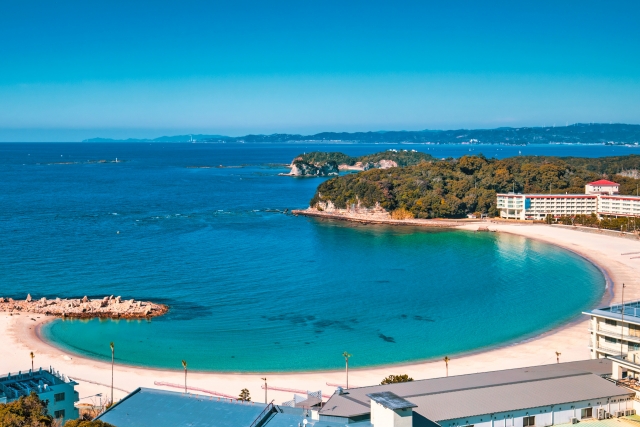
**Shirahama:** Living up to its name, meaning “white beach,” Shirahama boasts one of Japan’s most beautiful white sand beaches. While famous for summer beachgoers, Shirahama in winter offers a serene coastal escape. The onsen here are equally spectacular, with many featuring large open-air baths (rotenburo) directly overlooking the Pacific Ocean. It’s a perfect blend of beach resort town amenities and traditional hot spring culture, providing a different, yet equally captivating, onsen experience.
Together, these towns offer a diverse and genuinely useful travel experience, connecting you with Japan’s natural wonders, cultural depths, and, of course, its most therapeutic hot springs.
## Best Things to Do
[IMAGE: A vibrant photo showcasing Nachi Falls, Seiganto-ji Temple, and Kumano Nachi Taisha Shrine in one frame, capturing the natural beauty and spiritual essence of the Katsuura area.]
### Katsuura’s Unique Onsen Experiences
The highlight of a visit to Katsuura is undoubtedly its extraordinary hot springs. Many ryokan here offer one-of-a-kind bathing experiences.
* **Hotel Urashima:** This iconic ryokan is a destination in itself. Accessible by a charming ferry ride from the port, it boasts *four* distinct onsen areas, including the famous **Bōki-dō Cave Bath**. Imagine soaking in warm, mineral-rich water within a natural sea cave, with waves crashing just outside and the vast Pacific Ocean stretching before you. It’s an unforgettable experience, especially exhilarating in winter. The hotel also features other beautiful baths, including one high on the mountain with spectacular views.
* **Public Footbaths:** Explore the town and look for free public footbaths (ashiyu) where you can rest your feet and enjoy the local atmosphere.
### Exploring Nachi Katsuura & Beyond
Beyond the onsen, Katsuura serves as a fantastic base for cultural exploration.
* **Nachi Falls (Nachi no Taki):** One of Japan’s tallest single-drop waterfalls (133 meters), Nachi Falls is a truly majestic sight. It’s considered a sacred site and forms part of the Kumano Kodo pilgrimage routes.
* **Seiganto-ji Temple & Kumano Nachi Taisha Shrine:** Perched on the mountainside near Nachi Falls, this stunning temple and shrine complex offers breathtaking views of the waterfall, especially from the temple’s pagoda. It’s a prime example of Japan’s spiritual harmony, where Shinto and Buddhist beliefs intertwine. Dedicate at least half a day to explore these sites, walking the ancient stone paths.
* **Katsuura Tuna Market:** If you’re an early riser, visit the bustling Katsuura Tuna Market (usually around 7 AM). While not as large as Tsukiji or Toyosu, it offers an authentic glimpse into Japan’s fishing industry, with fresh tuna being auctioned daily.
### Shirahama’s Coastal Charms & Hot Springs
Shirahama offers a different, yet equally captivating, blend of relaxation and sightseeing.
* **Shirahama Beach:** Even in winter, the soft, white sand of Shirahama Beach is perfect for a leisurely stroll. The contrast of the white sand against the winter sky and deep blue ocean is strikingly beautiful.
* **Saki-no-Yu:** This historic open-air public onsen offers an unparalleled bathing experience. Located right on the rocky coastline, you can soak in the hot spring water while listening to the waves crash just meters away. It’s truly magical, especially at sunset or during a crisp winter day.
* **Senjojiki (1,000 Tatami Mats):** A vast, multi-layered rock plateau formed by wave erosion, resembling a thousand tatami mats laid out. It’s a spectacular spot for dramatic ocean views and photography.
* **Sandanbeki Cave:** Explore this impressive sea cave, once a hideout for pirates, accessible by an elevator descending 36 meters. Inside, you’ll find an ancient shrine and powerful wave actions.
* **Toretore Market:** Wakayama’s largest seafood market, offering a huge array of fresh local seafood, sushi, and other regional specialties. It’s a great spot for lunch or to pick up souvenirs.
### Cultural Immersion
Embrace the traditional Japanese lifestyle by staying in a ryokan, participating in a tea ceremony (if offered), or simply observing local life. The Kumano Kodo, though a serious multi-day hike, has accessible sections or shorter walking paths around Nachi Falls for a taste of its spiritual essence.
## Local Food & Specialties
Wakayama’s coastal location means fresh seafood is king, but the prefecture also boasts unique agricultural delights.
* **Katsuura Tuna (Maguro):** This is *the* must-try in Katsuura. Given its bustling tuna market, you’ll find the freshest, highest-quality tuna prepared in various ways: sashimi, sushi, donburi (rice bowls), or grilled. Many local restaurants specialize in maguro, and your ryokan dinner will likely feature it prominently.
* **Seafood Kaiseki:** Most ryokan stays include a traditional multi-course dinner (kaiseki) that highlights seasonal and local ingredients. Expect an exquisite parade of dishes, often featuring fresh fish, shellfish, local vegetables, and artfully presented creations.
* **Wakayama Ramen:** While primarily famous in Wakayama City, you can find delicious regional ramen throughout the prefecture. It typically features a rich soy-sauce-based broth (shoyu-tonkotsu) with straight noodles.
* **Umeboshi (Pickled Plums):** Wakayama is Japan’s top producer of ume (Japanese plums) and umeboshi. These intensely sour and salty plums are a staple of Japanese cuisine, often served with rice.
* **Mikan (Mandarin Oranges):** Wakayama is also famous for its sweet and juicy mikan. If visiting in winter, you might catch the tail end of the harvest season, and you’ll find them fresh, as juice, or in various sweets.
## Recommended Hotels
Staying in a ryokan is an integral part of the onsen escape experience, offering traditional Japanese hospitality, beautiful rooms, exquisite meals, and, of course, private or public onsen access.
### Katsuura Ryokan
* **Hotel Urashima:** (Mid-range to High-end) As mentioned, this iconic hotel offers an unparalleled onsen experience with its famous cave baths. Access is by ferry from Katsuura Port, adding to its charm. It’s a large resort, offering various room types and meal options. *Estimated cost: ¥18,000 – ¥40,000 per person per night with dinner & breakfast.*
* **Katsuura Gyoen:** (Mid-range) A more intimate option than Hotel Urashima, Katsuura Gyoen also offers beautiful ocean views from its rooms and onsen baths. It’s known for its excellent service and delicious local cuisine. *Estimated cost: ¥15,000 – ¥30,000 per person per night with dinner & breakfast.*
### Shirahama Ryokan & Hotels
* **Shirahama Key Terrace Hotel Seamore:** (Mid-range to High-end) A modern hotel with stunning ocean views, a variety of onsen baths, and a popular “Key Terrace” outdoor footbath (ashiyu) where you can relax with a drink. It offers both traditional Japanese and Western-style rooms. *Estimated cost: ¥16,000 – ¥35,000 per person per night with dinner & breakfast.*
* **Nanki-Shirahama Marriott Hotel:** (High-end) For those seeking Western comforts combined with Japanese onsen culture. It features stylish rooms, an outdoor pool (seasonal), and its own indoor/outdoor onsen facilities. Great for families. *Estimated cost: ¥20,000 – ¥50,000 per person per night (meal plans vary).*
* **Hotel Musashi:** (Mid-range) A well-regarded traditional ryokan known for its extensive range of onsen baths (including private options) and its prime location near Shirahama Beach. It offers a classic ryokan experience at a good value. *Estimated cost: ¥14,000 – ¥28,000 per person per night with dinner & breakfast.*
*Note on costs: Prices are estimates for one person based on double occupancy and can vary significantly based on season, day of the week, room type, and included meals.*
## Recommended Tours & Activities
While Katsuura and Shirahama are fantastic for independent exploration, here are some activity ideas to enhance your trip:
* **Kumano Kodo Day Trip:** From Nachi Katsuura, consider a guided day trip to the Kumano Kodo. A local guide can illuminate the history and spiritual significance of the area, taking you to the most accessible and scenic parts of the pilgrimage route around Nachi Falls.
* **Tuna Auction & Market Tour (Katsuura):** Arrange with your ryokan or a local tour operator to visit the Katsuura Tuna Market and possibly enjoy a fresh tuna breakfast nearby.
* **Onsen Hopping:** While many ryokan’s onsen are for guests only, some offer day-use passes for their public baths (e.g., Hotel Urashima has specific day-use hours for some of its baths). In Shirahama, Saki-no-Yu is a must-visit public onsen.
* **Shirahama Adventure World:** For families or animal lovers, this large theme park combines a safari park, marine world, and amusement park. While not onsen-related, it’s a major attraction in Shirahama and offers a fun diversion.
* **Glass Bottom Boat Cruise (Katsuura):** Explore the beautiful bay and its unique rock formations from the water. Check seasonal availability and weather conditions.
## How to Get There
Both Katsuura and Shirahama are accessible via Japan Rail (JR) Limited Express trains, offering scenic journeys.
### To Katsuura (Nachi Katsuura Station)
* **From Osaka (Shin-Osaka or Tennoji Station):** Take the Limited Express Kuroshio to Nachi-Katsuura Station.
* **Travel Time:** Approximately 4 to 4.5 hours.
* **Cost:** Around ¥7,000 – ¥8,000 one-way.
* **JR Pass:** This route is fully covered by the Japan Rail Pass.
### To Shirahama
* **From Osaka (Shin-Osaka or Tennoji Station):** Take the Limited Express Kuroshio to Shirahama Station.
* **Travel Time:** Approximately 2.5 to 3 hours.
* **Cost:** Around ¥5,500 – ¥6,500 one-way.
* **JR Pass:** This route is fully covered by the Japan Rail Pass.
### Getting Around Wakayama
* **Local Buses:** Public bus networks connect train stations with major attractions and ryokan in both Katsuura and Shirahama.
* **Hotel Shuttles:** Many ryokan offer complimentary shuttle services from the nearest train station. Inquire when booking.
* **Taxis:** Readily available at stations, but can be expensive for longer distances.
* **Rental Car:** While giving the most flexibility, navigating and parking can be challenging for first-time international visitors. Public transport is generally sufficient for the main tourist spots.
## Travel Tips for International Visitors
Stay Connected in Japan
Get a Japan eSIM for fast, reliable mobile data.
Use code JAPANTRAVELHUB for a discount.
* **Best Seasons:** While this article focuses on winter (November to March) for the ultimate onsen experience, spring (March-May) and autumn (September-November) also offer pleasant weather for exploring the natural beauty and hiking the Kumano Kodo. Summer is popular for Shirahama’s beach, but hot and humid.
* **Onsen Etiquette:**
* **Cleanliness:** Always shower thoroughly *before* entering the onsen.
* **No Swimwear:** Onsen are typically enjoyed nude. You’ll be provided with a small modesty towel, which should not touch the bath water.
* **Tattoos:** Many public onsen have a strict no-tattoo policy. If you have small tattoos, consider using waterproof covers. For larger tattoos, it’s best to book a ryokan with private onsen (kashikiri onsen) or in-room baths.
* **Quiet:** Maintain a respectful quiet in the bathing areas.
* **Language:** While major hotels might have English-speaking staff, learning a few basic Japanese phrases (hello, thank you, excuse me) will greatly enhance your experience, especially in smaller establishments. Translation apps are also very helpful.
* **Payment:** While major hotels and train stations accept credit cards, many smaller shops, restaurants, and some public onsen in rural areas prefer or only accept cash. Always carry sufficient Japanese Yen.
* **Wi-Fi & Connectivity:** Renting a pocket Wi-Fi device or purchasing a local SIM card upon arrival in Japan is highly recommended for navigation and staying connected.
* **Bookings:** Ryokan, especially popular ones with meal plans, should be booked well in advance, particularly during peak seasons or weekends.
* **Luggage Forwarding:** For seamless travel, consider using Japan’s excellent luggage forwarding services (Taqbin or similar) to send your large suitcases directly from one hotel to your next, allowing you to travel lighter between destinations.
## Conclusion
A winter onsen escape to Katsuura and Shirahama in Wakayama offers an unparalleled blend of relaxation, cultural immersion, and natural beauty. From the exhilarating experience of soaking in a sea cave onsen in Katsuura to the tranquil coastal views from Shirahama’s open-air baths, this journey promises to rejuvenate your spirit and leave you with unforgettable memories. Embrace the crisp winter air, the warmth of the healing waters, and the exquisite flavors of Wakayama, and discover a truly authentic side of Japan. Your perfect hot spring adventure awaits!
Explore More About Wakayama
Find more travel tips, guides, and recommended spots in Wakayama.


コメント