Where you stay in Takamatsu should follow the movement you cannot change. Choose Takamatsu Station when a rail arrival, luggage, an early ferry morning or a flexible city base will shape the trip. Choose Ritsurin Garden when you want a quieter overnight and an early garden visit to be the point of the next morning. The useful question is not which district has more hotel pins; it is whether your room should protect a port-and-station schedule or make the garden easy before the rest of the city begins.
As of 2026-09-14, JR Shikoku lists Takamatsu as a major station with lockers and current ticketing information, Ritsurin Garden publishes its official access guidance, and Shikoku Kisen publishes route, boarding-area and service-status information for Takamatsu Port. Services, opening arrangements and hotel operations can change, so use this as a base-choice framework and reopen the official pages for your exact date.
| If this is the priority | Choose | Why it fits |
|---|---|---|
| Train arrival, luggage or an early port departure | Takamatsu Station | Keep the rail-and-port part of the stay simple, then confirm the actual ferry boarding area and service status before bed. |
| An unhurried garden visit early in the day | Ritsurin Garden | Make the garden the first commitment rather than a cross-town stop added after a port-led morning. |
| One garden visit plus a fixed ferry morning | Station first | Protect the departure; visit the garden on the prior afternoon or after returning instead of risking a rushed transfer. |
| No fixed departure and a quieter overnight matters | Ritsurin Garden | Let the hotel location support a garden-led morning, while checking the real walk and current local transport for the chosen address. |
Choose Takamatsu Station when the first movement is the important one
Takamatsu Station is the practical base when the trip begins or ends with a train, a suitcase or a morning at the port. JR Shikoku’s official station page is useful here not because a generic station district is automatically best, but because it is the live place to confirm the facilities and ticketing arrangement that matter after a long arrival. Pick a hotel by the real walk from the station exit you will use, especially if you expect to arrive late, carry luggage or leave before a relaxed breakfast.
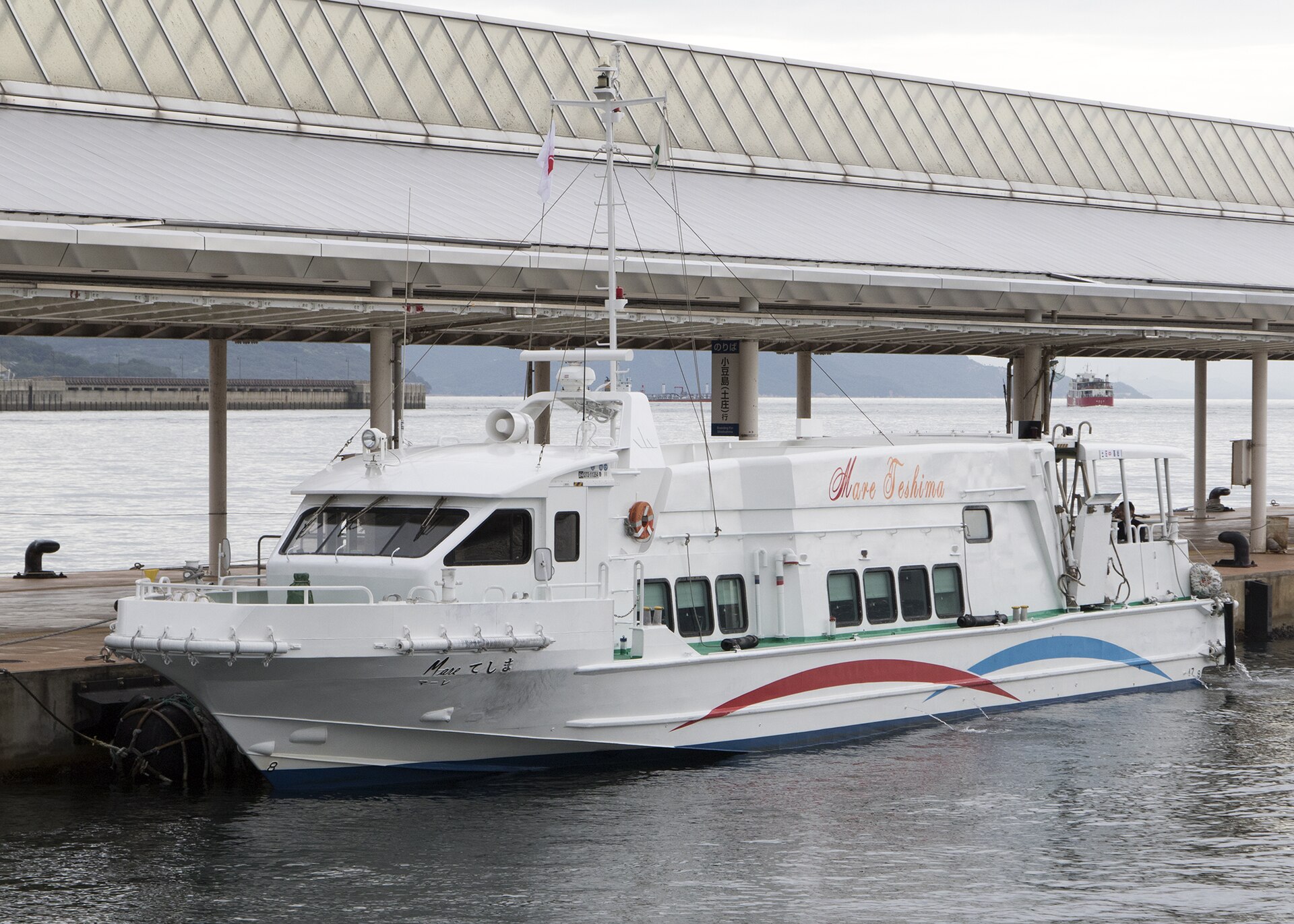
A station base also gives the cleanest starting point when an island ferry is the next fixed commitment. Do not turn that into a promise about a particular sailing or weather. Open Shikoku Kisen’s route page for your date, choose the actual route, then check its timetable, boarding area and same-day service status. A hotel that looks close to the waterfront is not automatically useful if it sends you to the wrong terminal or leaves no margin for a changed service.
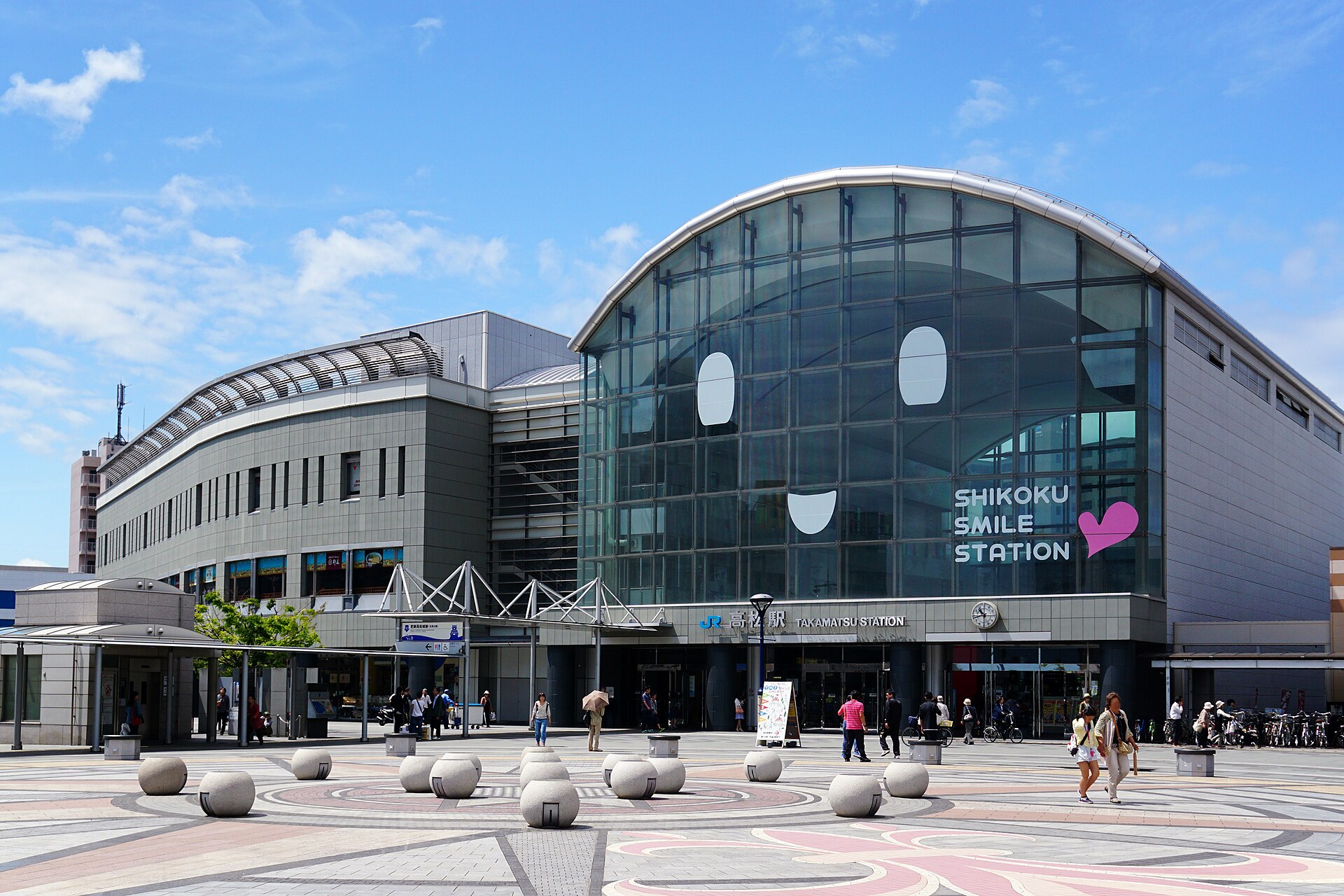
Stay near the station when the station-and-port sequence is the reason for the room. It is the better default for a short arrival night before Naoshima, Teshima or another fixed sea crossing, and for travellers who would rather keep dinner, luggage storage and a changing rail plan in one central zone. If the ferry is not fixed, do not choose the station only out of habit; a garden-led stay can be more satisfying for a different kind of day.
Choose Ritsurin Garden when the morning should start slowly
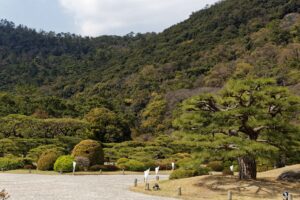
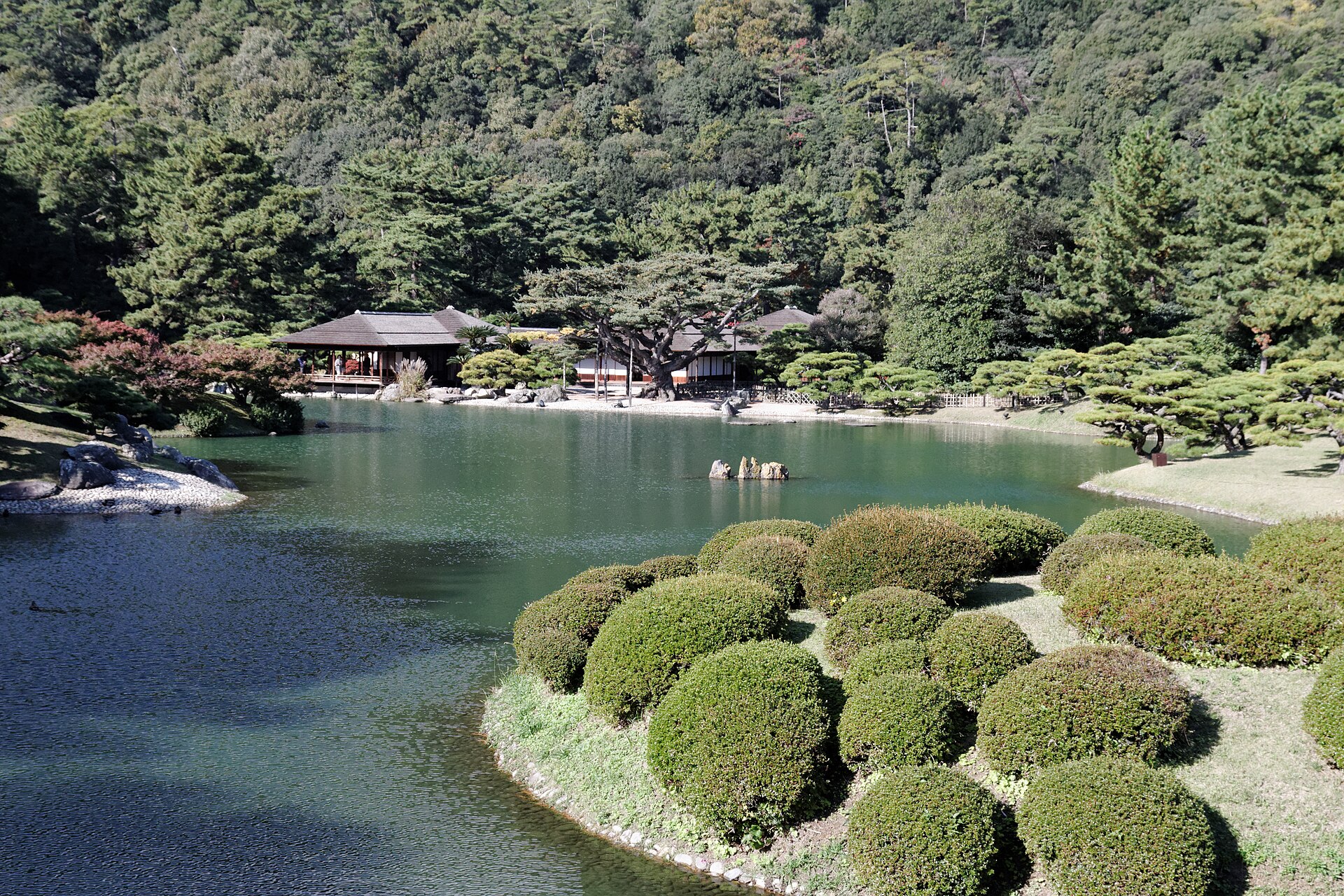
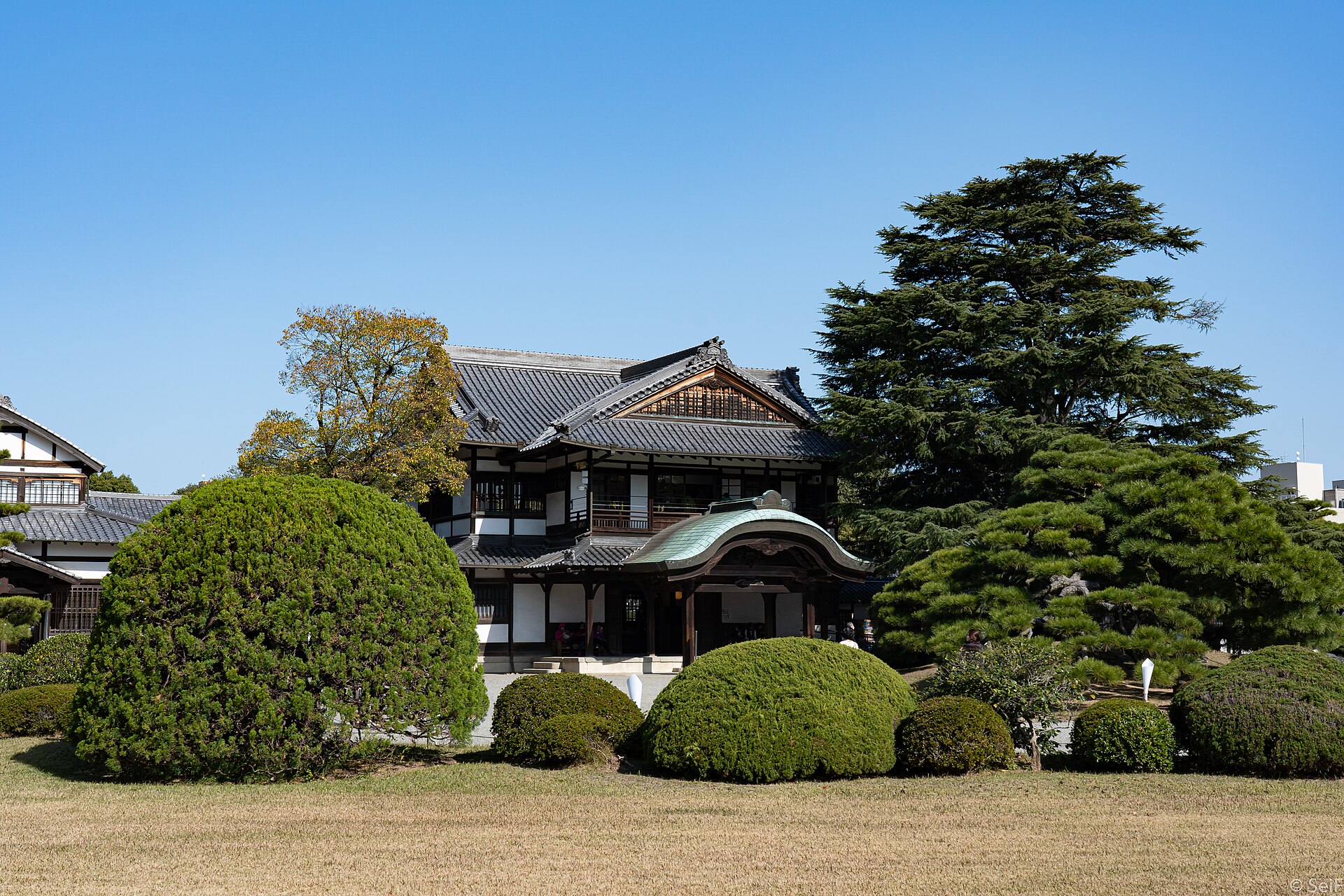
Ritsurin Garden is the stronger base when the garden is not a quick box to tick between a train and a ferry. The official access page identifies several approaches, including JR Ritsurin Koen Kitaguchi Station, Kotoden Ritsurin Koen Station and bus stops from Takamatsu Station. That makes the area a good fit for a traveller who wants the garden to set the first part of the day, rather than treating it as a distant diversion from a port-centred hotel.
Before booking, open the official Ritsurin Garden access page for the current opening information and test your hotel address against the gate and transport stop you will actually use. A listing labelled “near Ritsurin” may still involve an uphill suitcase walk or a less convenient connection than the map suggests. This base works best when you value a calmer evening and a deliberate garden visit more than being closest to the first ferry queue.
Use the ferry day to break a close call
If both areas appeal, decide which morning has the smaller margin for error. A ferry or train departure should usually decide the hotel base, because it has a departure time, a boarding point and possible weather disruption. Make the garden an afternoon or return-day visit if that keeps the crossing robust. If there is no fixed port movement, a Ritsurin stay can make more sense because it lets the garden be a real part of the overnight rather than a rushed add-on.
- Name the first fixed movement. A train, luggage drop or ferry boarding point is a reason to start with the station area.
- Check the actual port service. Use the operator’s current route, timetable, boarding-area and service-status page; do not rely on an old departure time.
- Choose Ritsurin for a garden-led morning. Confirm the current garden information and the hotel-to-gate walk before making the area the overnight base.
- Do not split a short stay automatically. One base that protects the non-negotiable movement is usually better than changing hotels for two names on a map.
- Keep an alternative. If weather or a changed ferry service matters, leave enough time to reshape the day rather than treating the hotel location as a guarantee.
The short answer
Stay by Takamatsu Station when arriving by rail, managing luggage or catching an early ferry is the part of the trip that cannot move. Stay near Ritsurin Garden when a quieter overnight and an unhurried garden visit are more important than port convenience. For the wider route, continue with the Kagawa travel guide; use the Okayama travel guide when a Uno-side connection is part of an island plan, and the Tokushima travel guide when Takamatsu is one stop in a wider Shikoku rail journey.
Sources checked: JR Shikoku’s Takamatsu Station information, Ritsurin Garden access information, and Shikoku Kisen routes and service status. Checked 2026-09-14.