


Tokushima Travel Guide
Tokushima is a strong Japan travel destination for Awa Odori culture, whirlpools, mountain valleys, pilgrimage temples, and Shikoku scenery.
Quick facts
- Best for: Awa Odori culture, whirlpools, mountain valleys, pilgrimage temples
- Recommended stay: 1 to 3 days
- Best season: Spring, autumn, and key local festival seasons
- Main bases: Awa Odori Kaikan, Naruto Whirlpools, Iya Valley, Oboke Gorge
Why visit Tokushima
Tokushima is Shikoku’s eastern gateway and the home of one of Japan’s great festivals. The Awa Odori Kaikan stages the prefecture’s dance year-round, so you can see it outside the August festival itself. In the strait between Shikoku and Awaji, the Naruto whirlpools form as tides push through the narrows — they are a timed event rather than a permanent feature, and viewing boats run around the fastest tides. Inland, the Iya Valley is a deep gorge of vine bridges and mountain hamlets, and Mount Bizan rises over the city with a ropeway to the top.
Getting to Tokushima
Tokushima is reached from Osaka and Kobe by highway bus across Awaji Island, which is usually faster than the train, or by limited express from Okayama across the Seto-Ohashi bridge. For the whirlpools, check the tide table before fixing a time — the official operators publish the fastest-current times each day, and the hour or so either side is when it is worth seeing. The Iya Valley is remote and much easier with a car.
Places to explore
Top Attractions in Tokushima
Naruto Whirlpools
The Naruto Whirlpools are giant tidal whirlpools that form in the narrow Naruto Strait between Tokushima and Awaji Island, best seen up close from a sightseeing boat or from the glass-floored walkway on the Onaruto Bridge, with the size of the whirlpools changing hour by hour with the tide.
Time needed1 to 2 hours, plus extra time if you need to wait for the right tide window.
View practical details
- Price
- Boat fares vary by operator: Wonder Naruto is ¥1,800 adult / ¥900 child, Aqua Eddy is ¥2,400 / ¥1,200, and Uzushio Kisen is ¥1,600 / ¥800. Uzu-no-Michi is separate: ¥510 adult, ¥410 junior/senior high, and ¥260 elementary school.
- Best time
- Around 1 to 2 hours before or after high or low tide, when the current is fastest; spring tides tend to produce the largest whirlpools.
- Good for
- Nature lovers, first-time Shikoku visitors, families, and anyone wanting a dramatic natural sight near the Onaruto Bridge.
What to do
- Check the tide table before you go and time your visit for the window around high or low tide, since the whirlpools shrink or nearly disappear at slack tide.
- Ride a sightseeing boat such as Wonder Naruto or Aqua Eddy to get close to the whirlpools at water level.
- Walk the glass-floored Uzu-no-Michi Walkway on the lower deck of the Onaruto Bridge for a bird's-eye view without booking a boat.
- Combine the visit with Naruto Park or the nearby Eddy observation and shopping area for extra photo spots.
Tickets and fees
Boat schedules run through the day, but whirlpool size depends on the tide, so check the official tide table before choosing a departure. Wonder Naruto runs about 9:00–16:20 (roughly every 40 minutes); Aqua Eddy about 9:15–16:15 (roughly every 30 minutes); Uzushio Kisen about 8:00–16:30 (roughly every 30 minutes) and may cancel in rough seas. Uzu-no-Michi is open 9:00–18:00 March–September and 9:00–17:00 October–February, with extended 8:00–19:00 hours during Golden Week and summer holidays; entry ends 30 minutes before closing. It is usually closed on the second Monday of March, June, September, and December. Confirm current fares, tide times, and operating notices before travel.
Getting there
From JR Naruto Station, take a Tokushima Bus toward Naruto Koen (about 20 minutes) and get off at Kameura-guchi, then walk to the boat piers or the Uzu-no-Michi entrance. By car it is roughly 20 to 30 minutes from central Tokushima via the Naruto expressway exits.
Nearby
If you're continuing on to Tokushima City the same day, pair this with Mount Bizan and Awa Odori Kaikan.
Official sources
- Naruto Strait Whirlpools - JNTO official guide
- Uzushio Sightseeing Boat tide table (official)
- Naruto City Official Travel Guide - Naruto Whirlpools
- Tokushima official tourism: Wonder Naruto and Aqua Eddy fares and schedules
- Tokushima official tourism: Uzushio Kisen fares and operation
- Uzu-no-Michi official visitor information

Iya Valley
Iya Valley is a remote, steep-sided mountain valley in western Tokushima known as one of Japan's least-visited scenic areas, most famous for the Iya Kazurabashi, a hand-woven vine bridge strung over the Iya River gorge.
Time neededHalf a day for the Kazurabashi area alone; a full day if you add the remote Oku-Iya double vine bridges or a river boat ride.
View practical details
- Price
- The Iya Kazurabashi crossing costs ¥550 for junior-high students and older, ¥350 for elementary pupils, and is free for younger children. Reservations are not required. Nearby gorge viewpoints are free.
- Best time
- Spring and autumn are comfortable for walking. The bridge has seasonal hours: 8:00–18:00 in April–June, 7:30–18:30 in July–August, and 8:00–17:00 from September through March.
- Good for
- Nature and hiking fans, couples, and travelers wanting a genuine rural mountain side of Shikoku away from the coast.
What to do
- Cross the Iya Kazurabashi, a vine bridge suspended over the Iya River gorge. Check the seasonal hours before setting out; reservations are not required, and the bridge may close temporarily during a heavy-rain warning.
- Look carefully through the gaps in the bridge deck to the gorge below - it is more exposed underfoot than photos suggest.
- Continue to the remote Oku-Iya Kazurabashi, the 'husband and wife' double bridges, if you have a car and more time.
- Stop at a roadside viewpoint over the Iya Gorge, or take a short sightseeing boat ride on the river.
Tickets and fees
Iya Kazurabashi admission is ¥550 for junior-high students and older, ¥350 for elementary pupils, and free for younger children. Reservations are not required. Hours are 8:00–18:00 in April–June, 7:30–18:30 in July–August, and 8:00–17:00 in September–March. The bridge is open year-round but may close temporarily during a heavy-rain warning. Check the current operator status before travelling.
Getting there
From JR Oboke Station, take a Shikoku Kotsu bus toward Kazurabashi or Kubo and get off at Kazurabashi or Kazurabashi Yume Butai; the bridge is about a 5-minute walk from either stop. Bus services are limited, so check the current operator timetable and return departures before setting out. By car, allow about an hour from Ikawa-Ikeda interchange; mountain roads are narrow and winding.
Nearby
Iya Valley is a separate trip from central Tokushima City, but if you're touring the prefecture more broadly, it can be paired with a coastal day at the Naruto Whirlpools.
Official sources
- Kazurabashi Bridge - JNTO official guide
- Vine Bridges of Iya Valley - Tokushima Tourism official
- Iya Vine Bridge Crossing Ticket - Nishi-Awa Tourism official booking
- Nishi-Awa Tourism official: Iya Vine Bridge fees, hours and access
- Miyoshi City Tourism official: bridge fees, hours, parking and bus information

Awa Odori Kaikan
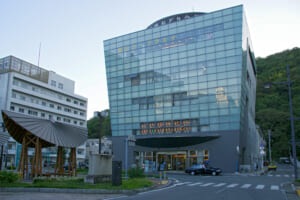
Awa Odori Kaikan is a museum and performance hall in central Tokushima dedicated to Awa Odori, the city's famous traditional dance, with live shows running year-round so visitors can see it even outside the August festival.
Time neededAllow 40 minutes for a daytime show or 50 minutes for the nightly show; add 30–45 minutes for the museum.
View practical details
- Museum admission
- Museum admission: adults ¥500; elementary and junior-high students ¥300.
- Performance tickets
- Day dance: adults ¥1,300 / students ¥700; nightly dance: adults ¥1,600 / students ¥800. Check the official site for special-event pricing.
- Daily schedule
- Daytime shows run daily at 11:00, 14:00, 15:00, and 16:00. The nightly show runs daily at 20:00; special periods can change the program.
- Good for
- First-time Tokushima visitors, families, and travelers who want a scheduled Awa Odori performance outside the August festival.
What to do
- Watch the resident Awa no Kaze troupe in a 40-minute daytime performance, including the audience dance-along.
- Choose the 50-minute 20:00 nightly show when a famous local troupe fits your evening plans; it runs daily, not only on weekends.
- Visit the 3rd-floor museum for costumes, instruments, and interactive displays; enter by 16:45.
- Buy individually on the day, or arrange ahead only if travelling as a group of 20 or more.
- Use the 5th-floor Mount Bizan Ropeway to add a six-minute summit ride after the show.
Tickets and fees
Daytime Awa Odori performances run at 11:00, 14:00, 15:00 and 16:00 (40 minutes); the nightly performance is at 20:00 (50 minutes). The 3rd-floor museum is open 9:00–17:00, last entry 16:45. The hall/museum generally close on the second Wednesday in February, June, September and December (next day if that Wednesday is a public holiday), and Dec 28–Jan 1; the ropeway is excluded from the year-end closure. Check the official calendar for one-off changes.
Getting there
About a 10-minute walk from JR Tokushima Station, at the foot of Mount Bizan.
Nearby
The Mount Bizan Ropeway leaves from the 5th floor of the same building; the summit ride takes about six minutes and pairs naturally with Mount Bizan after a performance.

Mount Bizan
Mount Bizan is a 290-meter hill overlooking central Tokushima, reached by a short ropeway ride from Awa Odori Kaikan, and is known as one of Japan's top night-view spots over the city and the Naruto Strait.
Time needed1 to 1.5 hours including the ropeway ride and time at the summit.
View practical details
- Price
- Paid for the ropeway. Adults are around yen 900 one-way or yen 1,500 round-trip, with discounted fares for elementary school children.
- Best time
- Late afternoon into evening for sunset and the night view over Tokushima City and the Naruto Strait.
- Good for
- Couples, photographers, and anyone wanting an easy summit view without much hiking.
What to do
- Ride the ropeway from the 5th floor of Awa Odori Kaikan to the summit; the trip takes about 6 minutes.
- Take in the night view from the observation deck - Mount Bizan is listed among Japan's Top 100 Night Views.
- On clear days, look out toward the Yoshino River, the Asan mountains, and across to the Naruto Strait and Awaji Island.
- Combine with an Awa Odori Kaikan performance before or after, since the ropeway base is in the same building.
Tickets and fees
ropeway hours run later in summer, roughly until 9pm from April to October, and shorter in winter, roughly until 5:30pm from November to March. Confirm the current timetable, especially if you're planning to catch sunset or the night view.
Getting there
The ropeway base is on the 5th floor of Awa Odori Kaikan, about a 10-minute walk from JR Tokushima Station.
Nearby
The ropeway starts inside Awa Odori Kaikan, making the two an easy same-visit pairing.
Explore Tokushima Guides
This page may contain affiliate links. We may earn a commission at no extra cost to you.
Where to stay
Where to Stay in Tokushima: Tokushima City, Naruto and the Iya ValleyCompare areas for your itinerary and choose a hotel.Explore hotels →Sample itinerary
- Day 1: Start with the main city, food area, and easiest signature sights.
- Day 2: Visit the top nature, shrine, castle, or cultural area.
- Day 3: Add a day trip, onsen, coast, island, or rural stop if your schedule allows.
Food to try
- Tokushima ramen
- Sudachi citrus
- Naruto sea bream
- Mountain dishes
Common questions
When do the Naruto whirlpools appear?
They form as tides push through the narrows, so they are a timed event rather than a permanent feature. The official operators publish the fastest-current times each day.
Can you see the Awa Odori outside August?
Yes. The Awa Odori Kaikan stages the dance year-round.
How do you reach Tokushima?
By highway bus from Osaka and Kobe across Awaji Island, which is usually faster than the train, or by limited express from Okayama.
Do you need a car for the Iya Valley?
It is much easier with one. The gorge of vine bridges and mountain hamlets is remote.
Explore Nearby Japan
Continue planning your route with nearby prefectures and practical trip planning guides.
Nearby Prefectures
Plan by Topic
Recommended Planning Guides
Use these practical guides to plan where to stay, move between regions, and shape your itinerary before your Japan trip.
Plan Your Japan Trip
When to go, how long, where, money, and what to sort before you book.
Read planning guideJapan Transport Guide
IC cards, rail passes, the Shinkansen, and getting in from the airport.
Read transport guideHotels & Where to Stay
Compare stay areas and lodging ideas for first-time Japan visitors.
Find stay guides