There is no single best area to stay in Osaka. The useful choice is the base that makes your airport arrival, day trips, evenings and next train simpler. For most first-time visitors, four areas solve most decisions: Namba, Umeda and Osaka Station, Shin-Osaka, and Tennoji.
Start with the one part of the trip that cannot be moved: your airport, any Shinkansen departure, the evening district you want outside the hotel, or a Universal Studios Japan day. Then choose the area around that need. For a wider plan, see the Osaka travel guide, the Japan-wide hotel-base guide, and the Japan transport guide.
- The short answer: match the neighborhood to your hardest transfer
- 1. Namba: best for first-time Osaka energy and late dinners
- 2. Umeda and Osaka Station: best for day trips and central connections
- 3. Shin-Osaka: best for Shinkansen logistics, not for a classic Osaka evening
- 4. Tennoji: best for a calmer south-side base
- How to make the final hotel choice
- Related guides
The short answer: match the neighborhood to your hardest transfer
- Choose Namba for Dotonbori evenings, food, shopping and a stay where Osaka feels lively when you walk out the door.
- Choose Umeda or Osaka Station for Kyoto and other rail day trips, central connections, and a more transport-centred city base.
- Choose Shin-Osaka for an early Shinkansen, one-night stop, or a trip where rail logistics matter more than nightlife.
- Choose Tennoji for a calmer southern base, direct KIX thinking, and access toward Nara without paying for an entertainment-district location.
1. Namba: best for first-time Osaka energy and late dinners
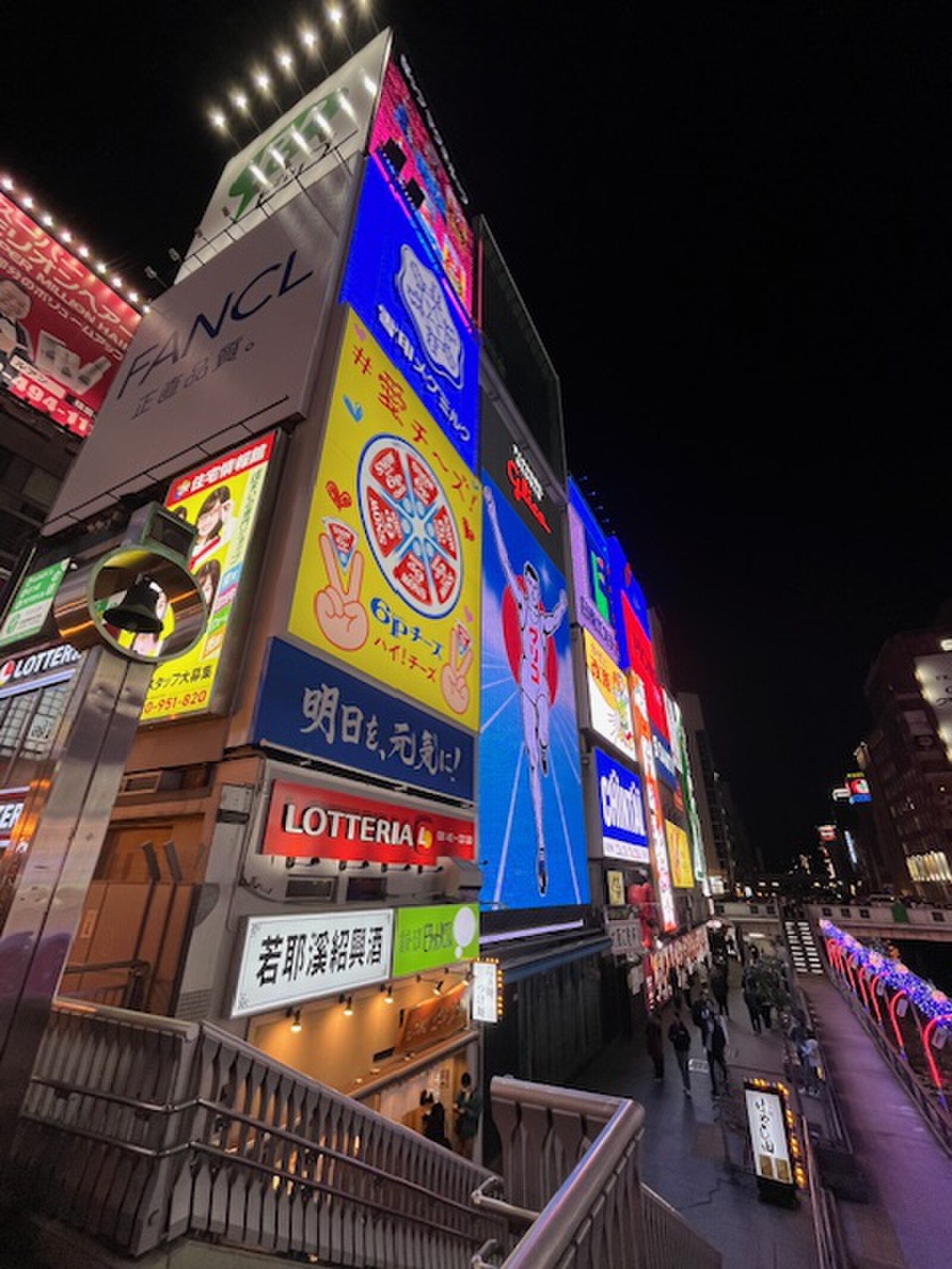
Namba is the easiest choice when your mental picture of Osaka is neon, street food, shopping arcades and an evening walk along Dotonbori. OSAKA-INFO places Dotonbori, Shinsaibashi, Horie and Namba Parks in the wider Minami story, so it is a strong base if you want most nights to end near restaurants rather than on a train ride home.
It is more connected than the nightlife reputation suggests. Osaka Metro lists Midosuji and Sennichimae lines at Namba, together with links to JR, Hanshin, Kintetsu and Nankai services. That makes it a flexible base for many city days, but station names and railway operators are close together rather than interchangeable. Book near the exact station and exit you expect to use, especially if you have luggage.
2. Umeda and Osaka Station: best for day trips and central connections
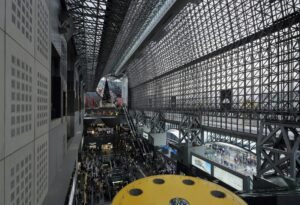
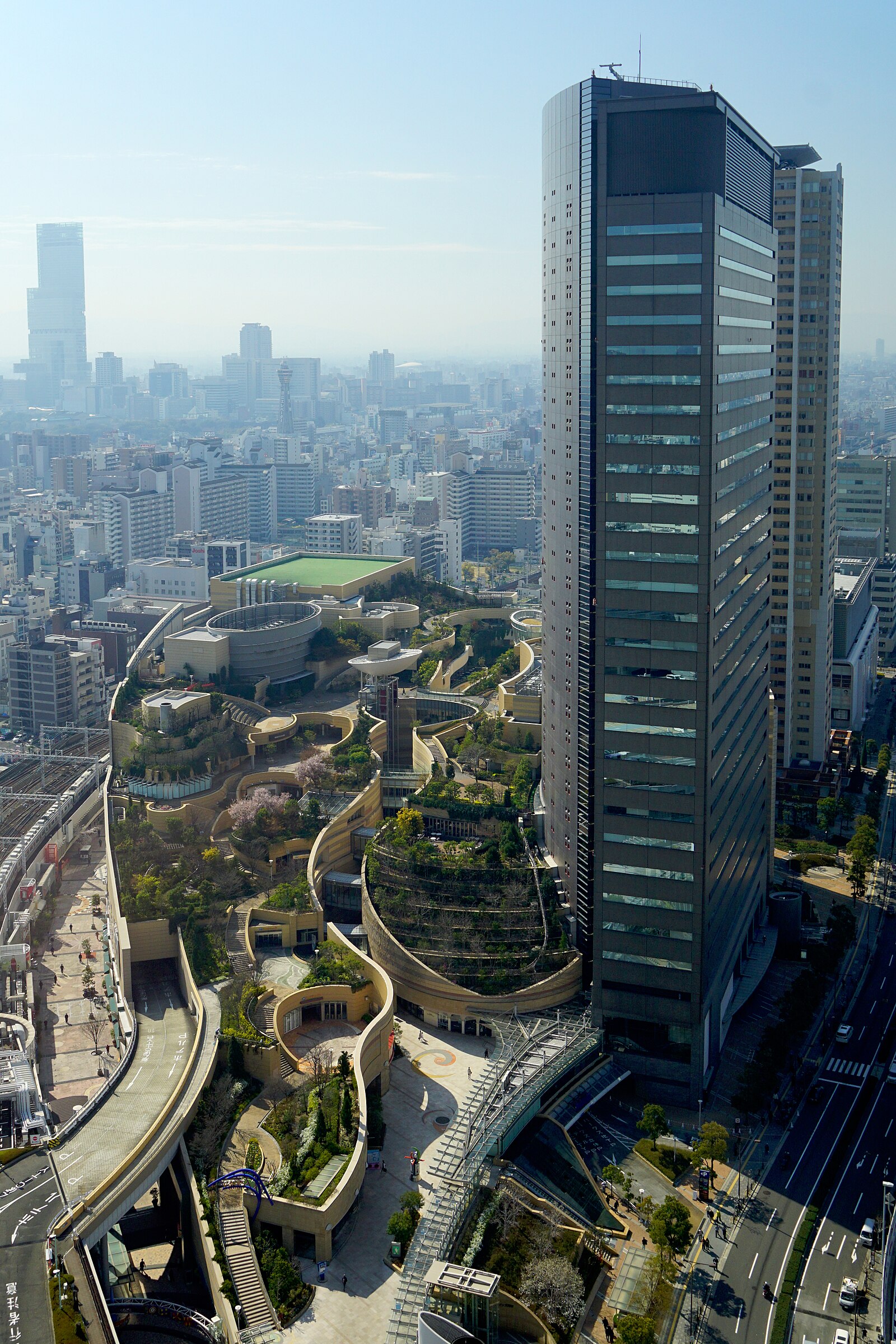
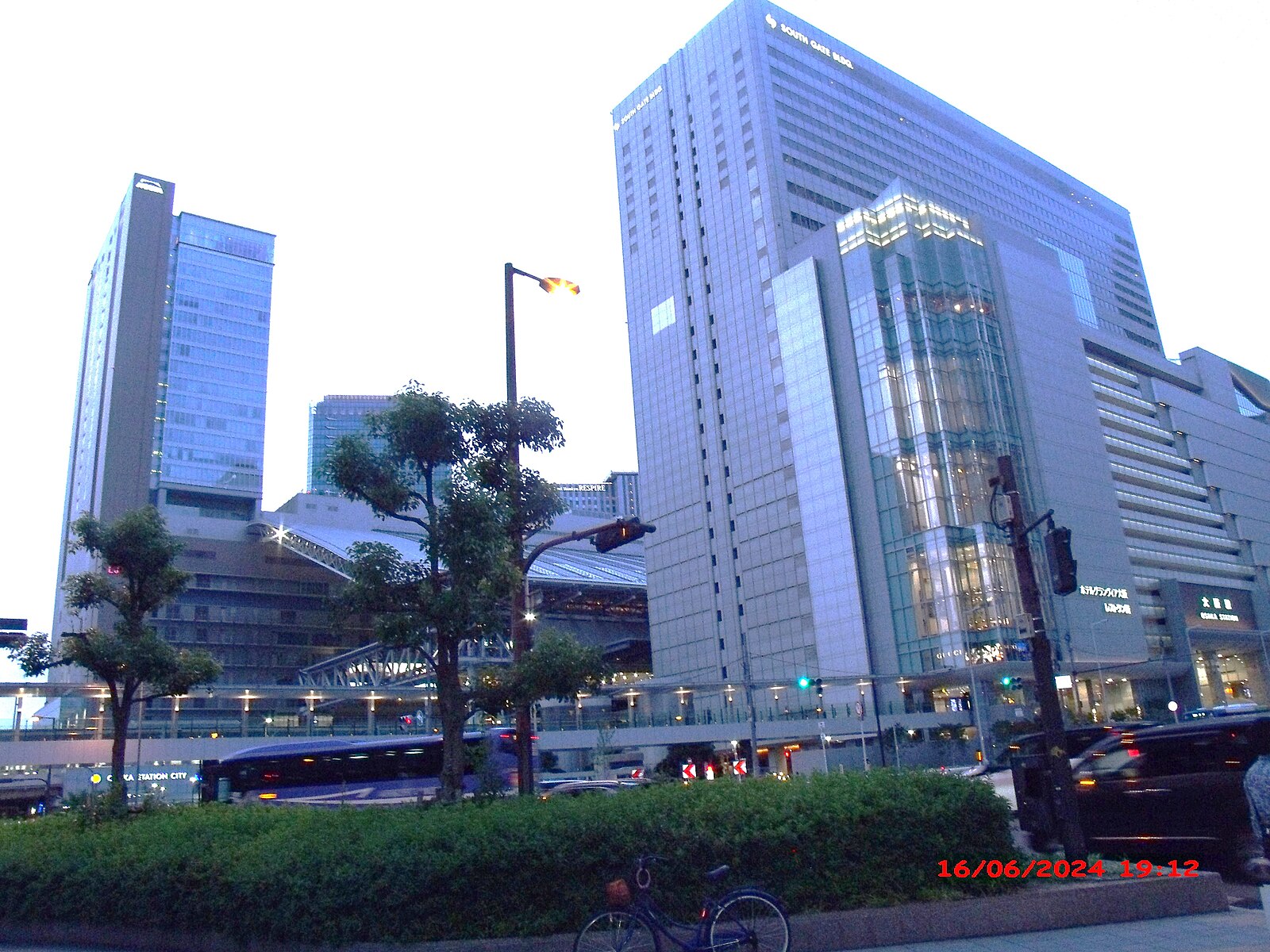
Umeda is the practical choice for travelers who expect to take several trains: Kyoto, Kobe, Himeji and other Kansai day trips are easier to frame around the north side of the city. The official Osaka tourism board describes Kita as the Osaka Station-centred gateway to sightseeing, with shopping, food and entertainment around it. Choose it when you want transport convenience without staying in a purely functional station district.
The trade-off is scale. Osaka and Umeda bring together JR, Osaka Metro, Hankyu and Hanshin systems, and the underground passages can take longer than a map makes them appear. A hotel marketed as “Umeda” may be convenient for one railway and awkward for another. Check the actual walking route from the hotel to the line that starts your most important day, not just the straight-line distance.
3. Shin-Osaka: best for Shinkansen logistics, not for a classic Osaka evening
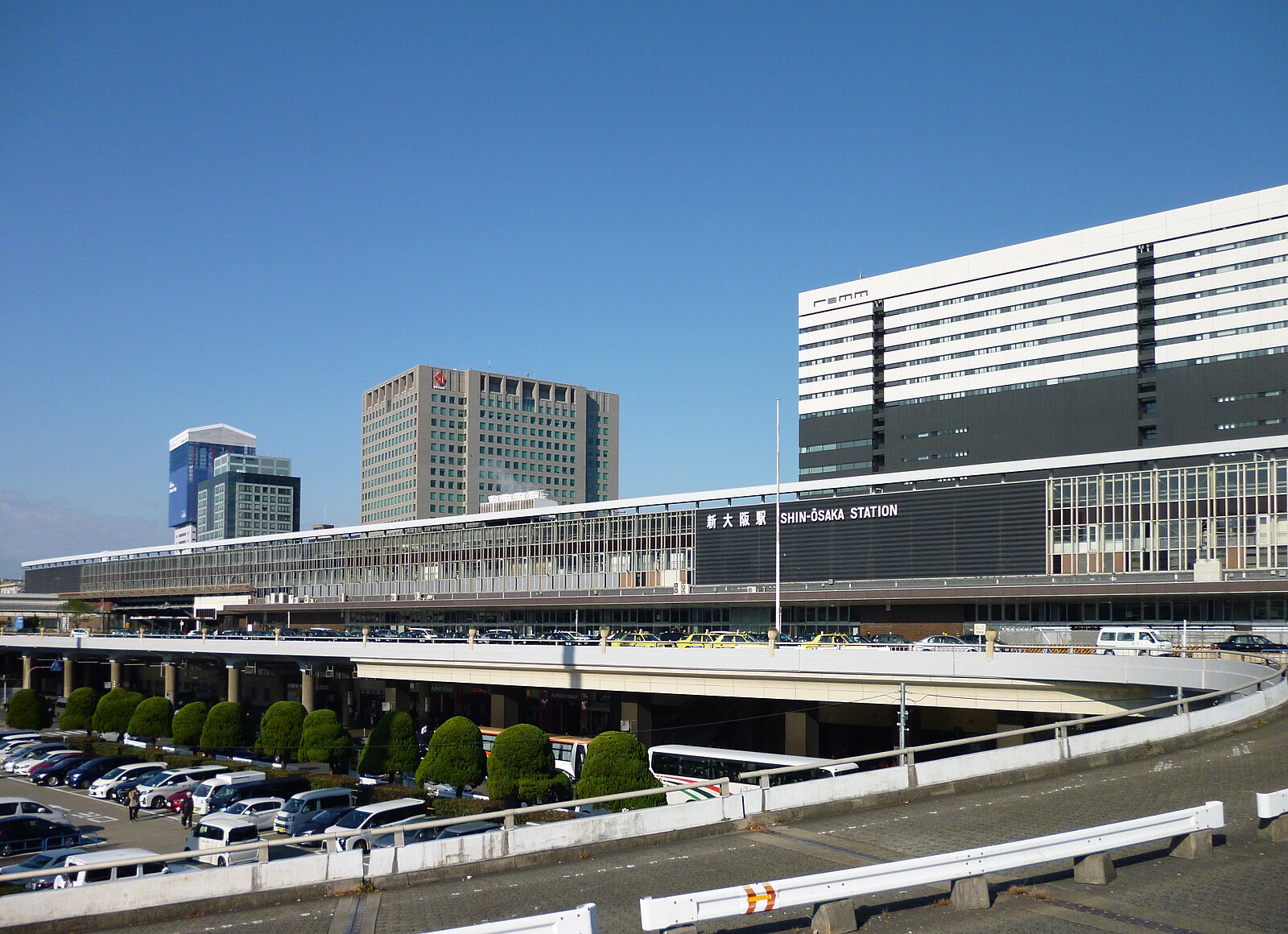
Shin-Osaka is a narrow but sensible answer: pick it when an early Tokaido or Sanyo Shinkansen, a late arrival, or a one-night stop is the key constraint. It can remove the stress of crossing the city with suitcases on departure morning. For a longer leisure stay, however, most visitors will prefer Namba, Umeda or Tennoji because those neighborhoods make meals and evenings easier without planning a ride back.
Use Shin-Osaka if it buys you a real logistical advantage, rather than because it has “Osaka” in the station name. If you do choose it, confirm the line to the attractions you care about and allow time for the station itself. It works best when you treat it as a rail base, then put Osaka sightseeing into geographic blocks instead of repeatedly crossing the city.
4. Tennoji: best for a calmer south-side base
Tennoji is worth considering when you want the southern side of the city without sleeping inside the Dotonbori crowds. The wider Tennoji and Abeno area gives you parks, Shitennoji, Abeno Harukas and a more residential rhythm, while Namba is still a manageable outing rather than your whole neighborhood. It is a good fit for travelers who value a straightforward base over a hotel surrounded by late-night activity.
It is also useful to compare against your airport plan. JR-WEST’s KIX guide specifically covers travel toward Tennoji, Osaka, Shin-Osaka and Kyoto, but the best route depends on your terminal, arrival time and the exact hotel. Check the current operator timetable and the final station walk before committing to a late first-night arrival.
How to make the final hotel choice
- Book to the station, not the district label. Namba, Osaka-Namba, JR Namba and Nankai Namba solve different routes.
- Put the longest day first. If Kyoto or a Shinkansen departure is the least flexible day, test that walk before choosing an evening-focused address.
- Check room reality. Compare floor area, bed configuration, laundry, elevator access, luggage storage and cancellation terms rather than relying on wide-angle photos.
- Group sightseeing by area. Namba and Tennoji work naturally together; Umeda suits northern and rail-oriented days. Avoid turning every day into a cross-city transfer.
- Keep the arrival simple. A cheaper room is not automatically a better first-night choice if it adds multiple late transfers with luggage.
For most first trips, choose Namba if evenings and food matter most, Umeda if rail day trips are central, Shin-Osaka only when the Shinkansen changes the decision, and Tennoji for a calmer south-side compromise. Transport, hotel services and station works can change: checked as of 2026-07-23; check the official operator and property site before booking.
Once you have chosen the base, use our Dotonbori guide for an evening near Namba or the Umeda Sky Building guide for a north-side plan.
Sources checked: OSAKA-INFO: Kita area, OSAKA-INFO: Osaka’s Minami Area, Osaka Metro: Namba station, and JR-WEST KIX usage guide. Checked 2026-07-23.