
An Osaka to Nara day trip becomes much easier when you choose the station pair before choosing the rail company. Start at Osaka-Namba and go to Kintetsu-Nara when the east and central sightseeing side of Nara is the purpose of the day. Start at Osaka Station or Umeda and go to JR Nara when your hotel, luggage plan or onward JR connection makes that hub the natural beginning and end. The useful question is not which train has the better name; it is where you want to be when you step out in Osaka and where you need to be when you arrive in Nara.
As of 2026-09-05, the Official Nara Travel Guide gives an approximate 34-minute Kintetsu trip from Osaka-Namba to Kintetsu-Nara. It lists roughly 49 minutes from Namba to JR Nara and roughly 52 minutes from Osaka Station to JR Nara by JR Rapid Express. These are useful shape-of-day estimates, not a timetable to copy: use the current Kintetsu or JR search for your exact date, departure and service notice.
| Your fixed starting point or priority | Choose | Why it fits |
|---|---|---|
| Osaka-Namba and a Nara Park / central-east sightseeing day | Kintetsu-Nara | It is the direct station pair in the official planning guide, so the day starts and ends at the hub that matches that side of Nara. |
| Osaka Station or Umeda, with a wider JR itinerary | JR Nara | Keep your departure and return on the JR side instead of adding a cross-Osaka transfer simply to chase a different Nara station. |
| A specific reserved Kintetsu Limited Express service | Kintetsu, with a reservation check | Kintetsu says its Limited Express trains need a basic fare ticket plus a reserved-seat ticket; do not board as if it were an ordinary train. |
| Naramachi, Nishinokyo or several city areas | Choose the arrival station after the local plan | Nara’s sights are spread across separate areas linked by local transport, so no station removes every onward movement. |
Choose Kintetsu-Nara when Osaka-Namba and Nara’s east side set the day
Kintetsu-Nara is the better default when you are already in Namba and the day is built around the central-east part of Nara. The official Nara access guide publishes the Osaka-Namba to Kintetsu-Nara journey at about 34 minutes, which makes this a clean departure-and-arrival pair. Begin there if you want to leave from the Namba side of Osaka without first moving to Osaka Station, then make your onward Nara route from the station that best matches the first stop on your list.
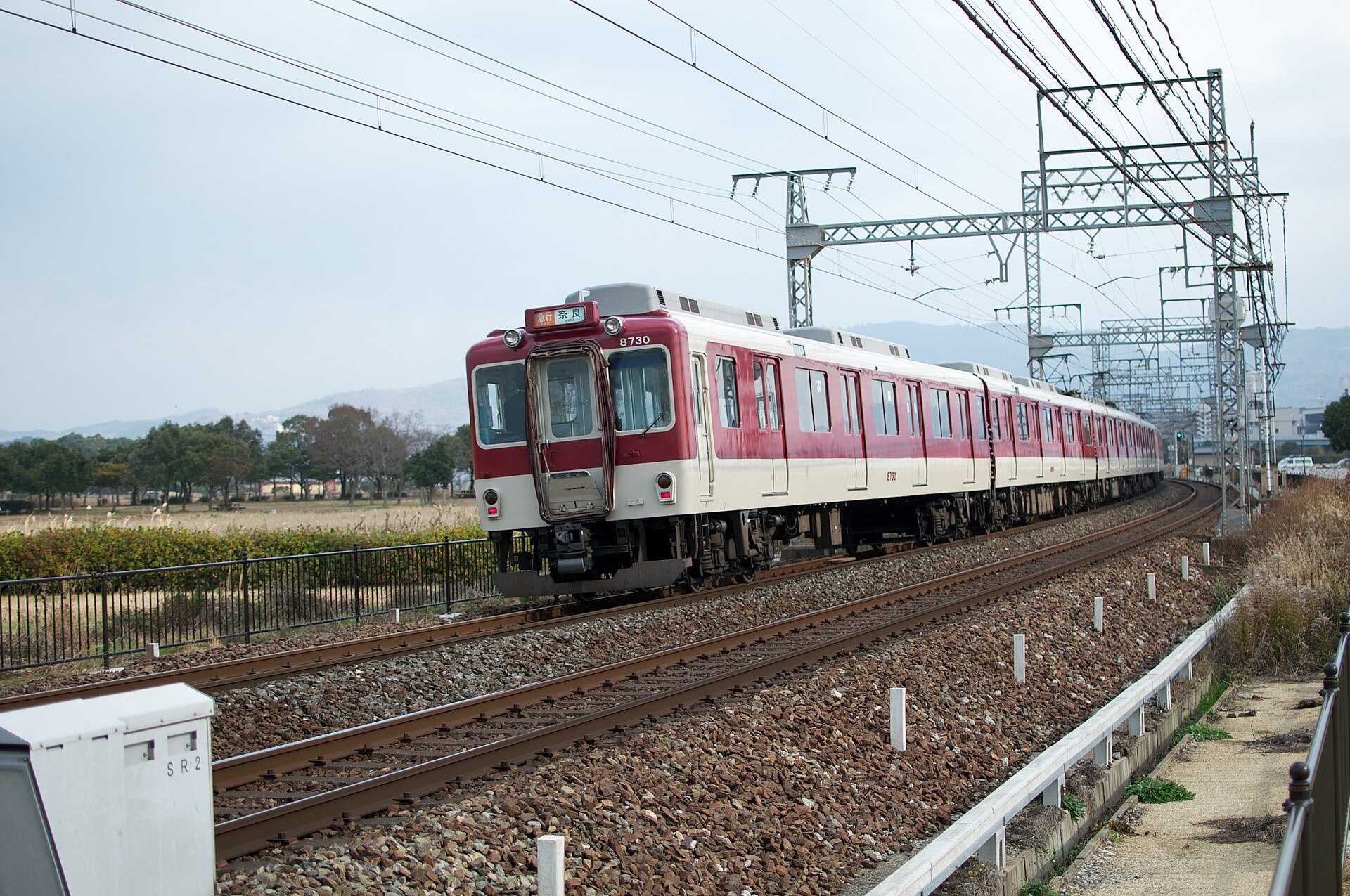
This is not a reason to choose every Kintetsu service blindly. Kintetsu distinguishes ordinary trains, which use a basic fare ticket, from Limited Express trains, which also need a reserved-seat ticket. If a route search presents a Limited Express option, read the service details and buy the required ticket before boarding. For a straightforward day trip, search the actual departure first and then decide whether speed, a reservation, or a simpler ordinary service best fits the day.
Choose JR Nara when Osaka Station, Umeda or a JR connection is fixed
JR Nara is the better answer when the start of your day is already on the JR side of Osaka. The same official access guide gives a rough 52-minute JR Rapid Express estimate from Osaka Station to JR Nara and about 49 minutes from Namba to JR Nara. That may not be the shortest-looking option from every Osaka neighbourhood, but it can be the more reliable decision when moving to Osaka-Namba would add an extra step with bags, a group, or an onward JR itinerary.

Use JR Nara as the arrival choice when its network relationship is more valuable than shaving a transfer from a Namba start. This is especially sensible for a traveller whose hotel is near Osaka Station or Umeda, or whose evening plan returns to the same JR hub. Do not turn the approximate minutes into a promise: confirm the current departure, platform and any disruption notice before leaving Osaka.
Let the first Nara area break the tie
Neither arrival station completes the sightseeing plan for you. The Official Nara Travel Guide separates the city into the Nara Park, Naramachi and Nishinokyo areas and notes that a citywide bus network connects the sights. That is why the best route choice is a first-stop decision: write down the first non-negotiable place, the last place before returning, and whether a local bus or walk is acceptable between them. A station that is perfect for the first stop can be inconvenient if the rest of the day is in another area.
\nIf your plan is mostly the park-and-central core, Osaka-Namba to Kintetsu-Nara is usually the cleanest shape. If your plan begins at Osaka Station or needs to reconnect to JR afterward, JR Nara can be the calmer choice even when a map makes the alternatives look similar. If the day combines several areas, make the local movement explicit in the itinerary rather than expecting the intercity train choice to solve it.
A five-step Osaka-to-Nara check before you leave
- Write the actual Osaka departure hub. Namba and Osaka Station are different starting decisions.
- Name the first Nara area. Choose the arrival station that reduces the first unnecessary cross-city movement.
- Run the live route search. Check the exact date, service, platform and any operator notice.
- Read the ticket type. A Kintetsu Limited Express needs its reserved-seat ticket in addition to the base fare.
- Plan the return from the final Nara area. Leave margin for the local bus or walk back to your chosen station.
The short answer
Choose Kintetsu-Nara when Osaka-Namba and the central-east Nara visit are the real anchors of the day. Choose JR Nara when Osaka Station, Umeda or a wider JR connection is the anchor. Then use a current route search and a first-stop plan to make the remaining local movement visible. Continue with the Osaka travel guide, the Nara travel guide, and the Nara Park guide to build the day around the places you actually want to see.
Sources checked: Kintetsu route and fare search, Kintetsu ticket guidance, Official Nara Travel Guide: Travel to Nara, and Official Nara Travel Guide: Getting Around Nara. Checked 2026-09-05.