
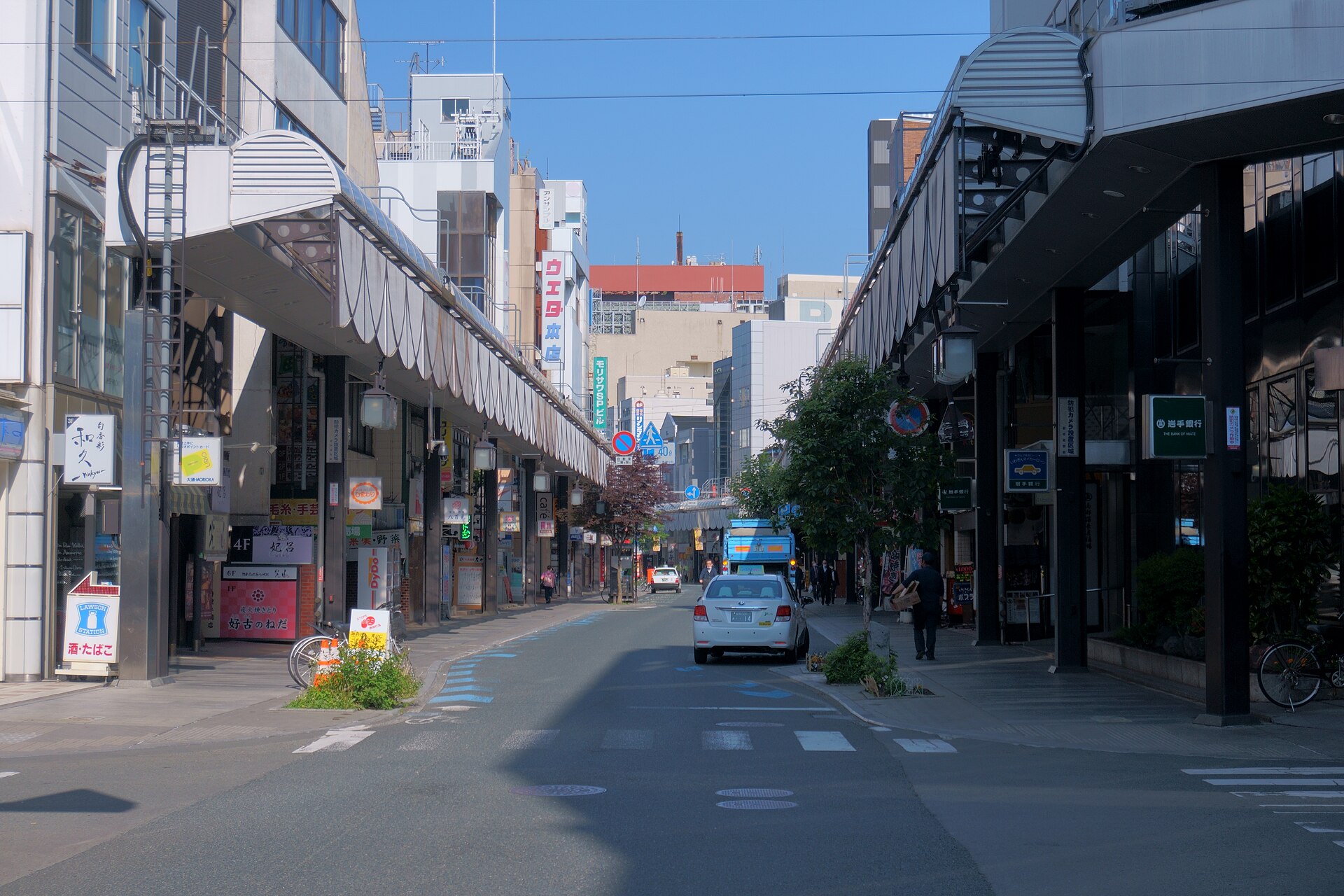
Stay near Morioka Station if you arrive with luggage, have an early Shinkansen or are using Morioka as a rail base for northern Tohoku. Stay around Odori if the evening in the city centre—dinner, shopping and a walk toward the castle-town streets—is a main part of your stay. The price of the extra freedom is the transfer back to the station; test that journey against your actual hotel address, not an area label.
| Decision point | Morioka Station area | Odori area |
|---|---|---|
| Arrival | Keep the final leg short after a train or airport-bus arrival; verify your hotel exit. | Allow a walk, bus or taxi after reaching the station, especially with luggage. |
| Walkability | One official hotel example is about one minute from JR Morioka Station; locations differ. | One official Odori hotel lists a 15-minute walk from the station east exit; check the exact address. |
| Local mobility | Start an onward rail trip directly; use the downtown loop or a walk for central sights. | Explore the commercial streets on foot; build in a station transfer for every rail-led day. |
| Evening fit | Convenient for an adjustable arrival night; investigate your specific dining options. | Better for a town-centre dinner and an unhurried walk; check individual restaurant hours. |
| Stay length | Strong for one transit night or several days of early regional departures. | Strong for a city-focused night or a longer stay that spends meaningful time downtown. |
| Trade-off | Easy departure can mean a separate trip into the centre for the evening. | The evening is closer, but a train morning starts with the trip back to Morioka Station. |
Check official pages for your travel date before booking. For current train departures, bus routes, hotel walking directions and room conditions, confirm the current details on JR East, Iwate Kenkotsu and the property’s own booking page for your own travel date before booking. The named hotel walks below are examples, not area-wide guarantees.
What “near the station” really buys you
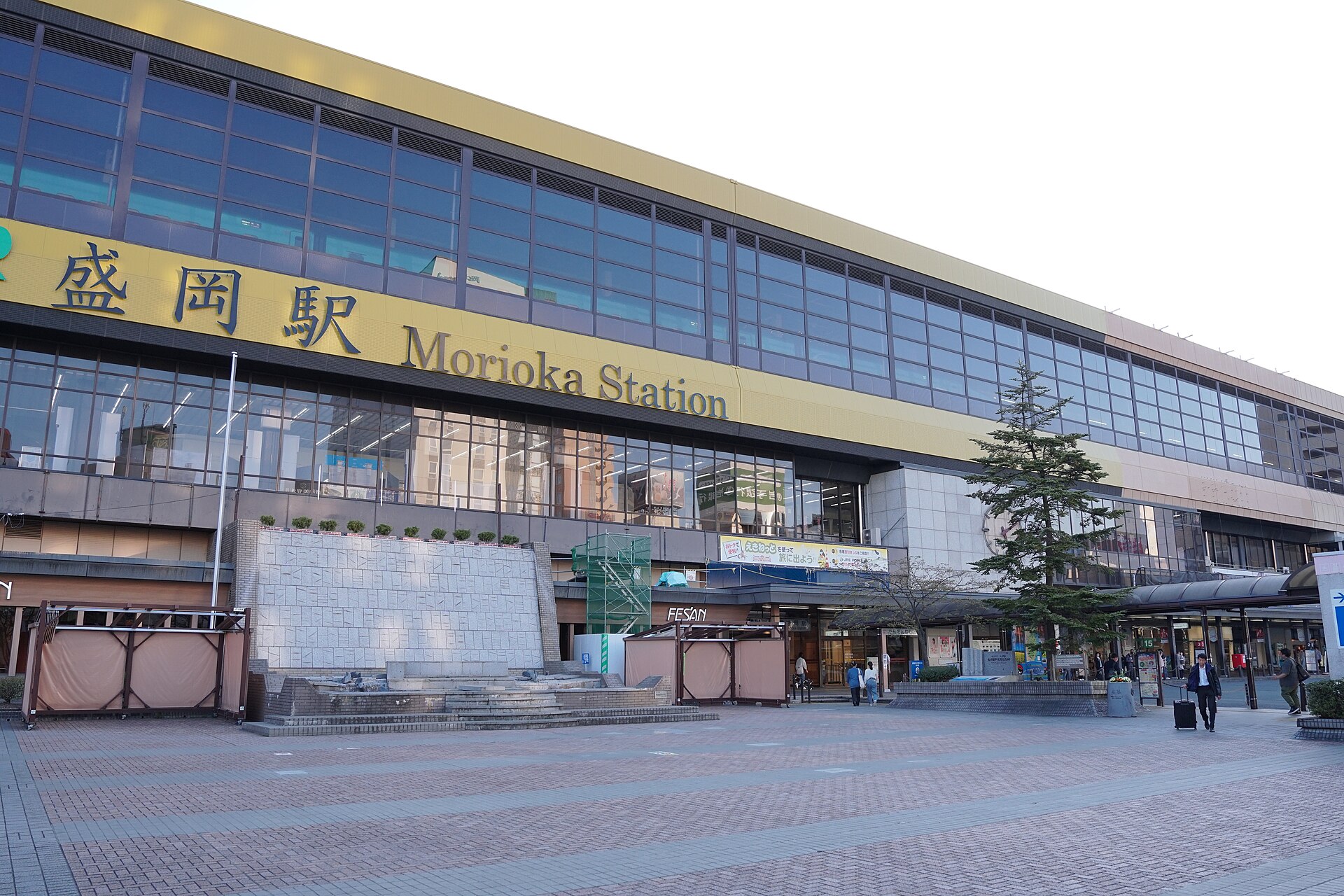
JR East’s Morioka timetable lists Tohoku/Hokkaido Shinkansen and Akita Shinkansen services from the station. If your next leg is toward Aomori or Akita, a hotel close to the correct station entrance turns a departure morning into a short walk instead of a separate cross-town journey. A tight onward connection, heavy bags or an arrival after dinner is a practical reason to prioritise this base.
One concrete reference is Hotel Metropolitan Morioka: its official access page places the main building about one minute on foot from JR Morioka Station and its New Wing about three minutes away. That difference is small, but it is a reminder to check the specific building and entrance—not just a booking site’s “station area” tag. A lower room quote farther from the exit can still be worthwhile if your train timing is relaxed.
Station convenience does not mean you must eat at the station or miss central Morioka. You can leave bags at a property if its policy permits, walk into town or use local transport, then return. Compare that round trip with the effort of carrying bags directly to an Odori hotel after arrival. If you will repeat the trip into the centre every evening, the station advantage shrinks; if most of your days begin with rail, it grows.
What Odori changes about your evening
Odori Shopping Street’s own directory lists restaurants, shops and accommodation across its numbered blocks. This makes Odori a useful base when walking out for a meal or browsing the centre is the purpose of the evening, not merely a bonus after a day trip. It does not guarantee that a particular restaurant is open late: choose the exact place and check its hours.
The location trade-off is tangible. Daiwa Roynet Hotel Morioka, at 1-8-10 Odori, gives its own directions as a 15-minute walk from Morioka Station’s east exit, or an approximately eight-minute bus trip to Chuo-dori 2-chome followed by two minutes on foot. That is a named-property example, not a universal Odori distance. Another hotel on a different block may change the route and the best stop.
If you arrive before dinner with a small bag, that walk may be a pleasant introduction to the city. In bad weather, with children, or after a late arrival, it may be the wrong last mile. Check the route from your actual arrival platform to the hotel entrance. A bus or taxi is an alternative, but do not assume a daytime sightseeing loop will match a very early departure or late arrival.
Do not turn the downtown loop into a guaranteed hotel shuttle
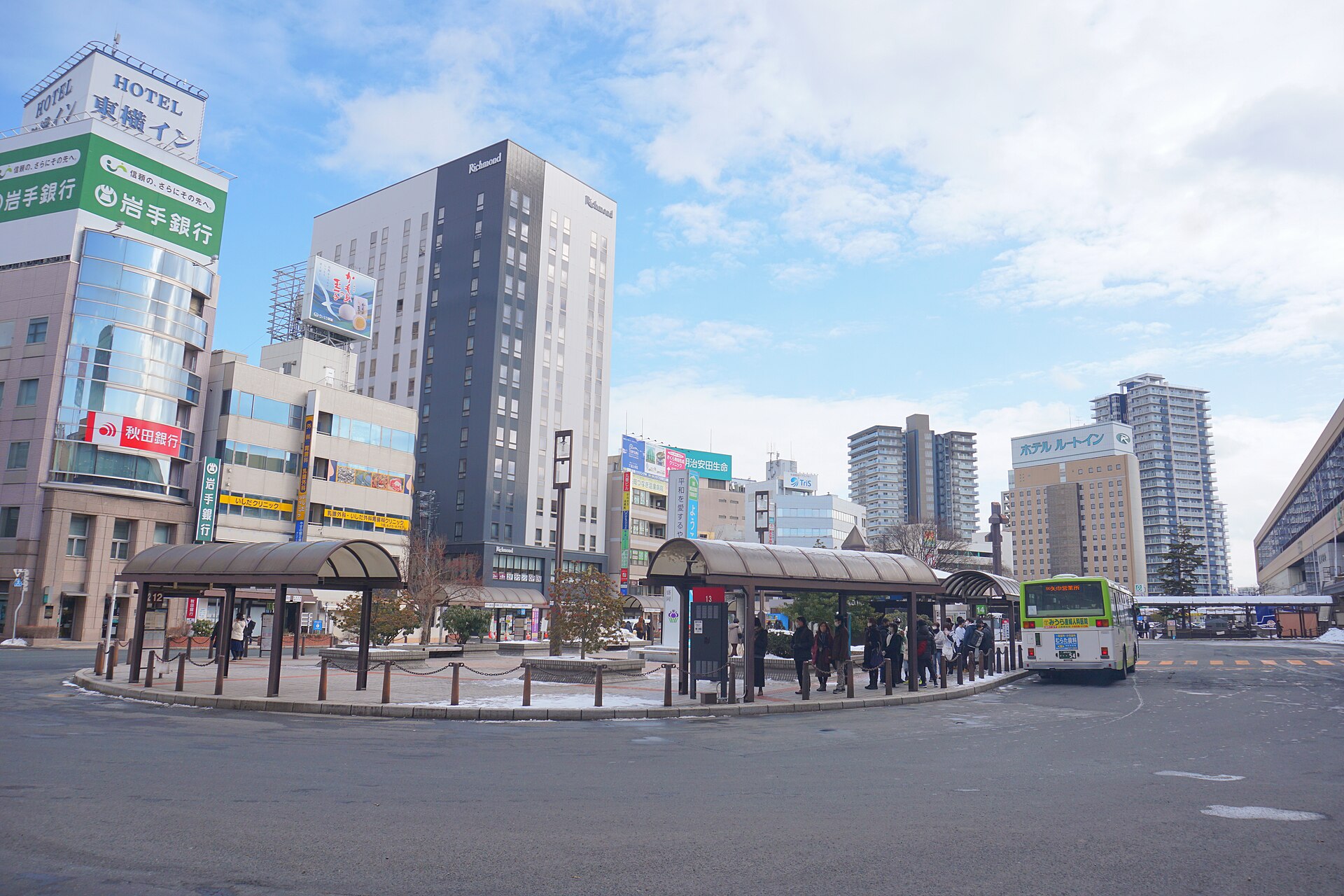
Iwate Kenkotsu’s Den Den Mushi guide is the right place to check the downtown loop route, direction, service and current fare. It connects the station with the centre, but the bus stop nearest your particular hotel may not be the one described by another property. Compare walking, waiting and the bus ride together; a short ride can still be slower door-to-door if you just missed a departure.
For a train-led day trip, work backwards from the rail departure. Staying in Odori means leaving time to reach Morioka Station, find the correct Shinkansen gate and board. Staying by the station means doing the centreward trip when you have flexible time in the evening instead. Neither base is “best” in isolation: put your most time-sensitive movement on the shorter side of the stay.
Compare real room quotes, then pick the base
There is no honest fixed “station hotels cost more” or “Odori is cheaper” rule across changing dates, room types and events. Compare live quotes for the same night, guest count, breakfast, cancellation deadline and taxes. Then add the cost and effort of your real last mile. A cheaper Odori room can lose its advantage if you need repeated taxis to catch early trains; a station hotel can lose appeal if you spend every evening in the centre.
- One night between trains: start with a short station walk, then choose an Odori room only if the evening is valuable enough to justify the two extra movements.
- City-centre night: start with Odori, particularly if dinner and walking are the main plan and the next morning is unhurried.
- Several regional day trips: count how many mornings begin at Morioka Station. Repeated rail starts favour a station base; city-only days make the central trade-off easier.
- Late arrival or limited mobility: check the hotel’s actual exit-to-door route, step-free access and check-in policy rather than relying on either neighbourhood name.
Before booking, answer three questions: What time do you reach Morioka, where do you need to be the next morning, and will you actually use the Odori evening? Pick the station if the rail movement is the fixed constraint. Pick Odori if the downtown time is the point of the stay and the station journey fits. For more stops across the prefecture, use the Iwate travel guide; for another northern-city base comparison, see Sendai Station or Ichibancho.
Image credits: Odori street, Morioka Station and east-exit bus terminal, by 掬茶 (CC BY-SA 4.0). Images resized for web display; no content edits.
Official sources: JR East Morioka timetable, Hotel Metropolitan access, Daiwa Roynet Morioka access, Odori Shopping Street directory, and Iwate Kenkotsu downtown loop.



.jpg)

