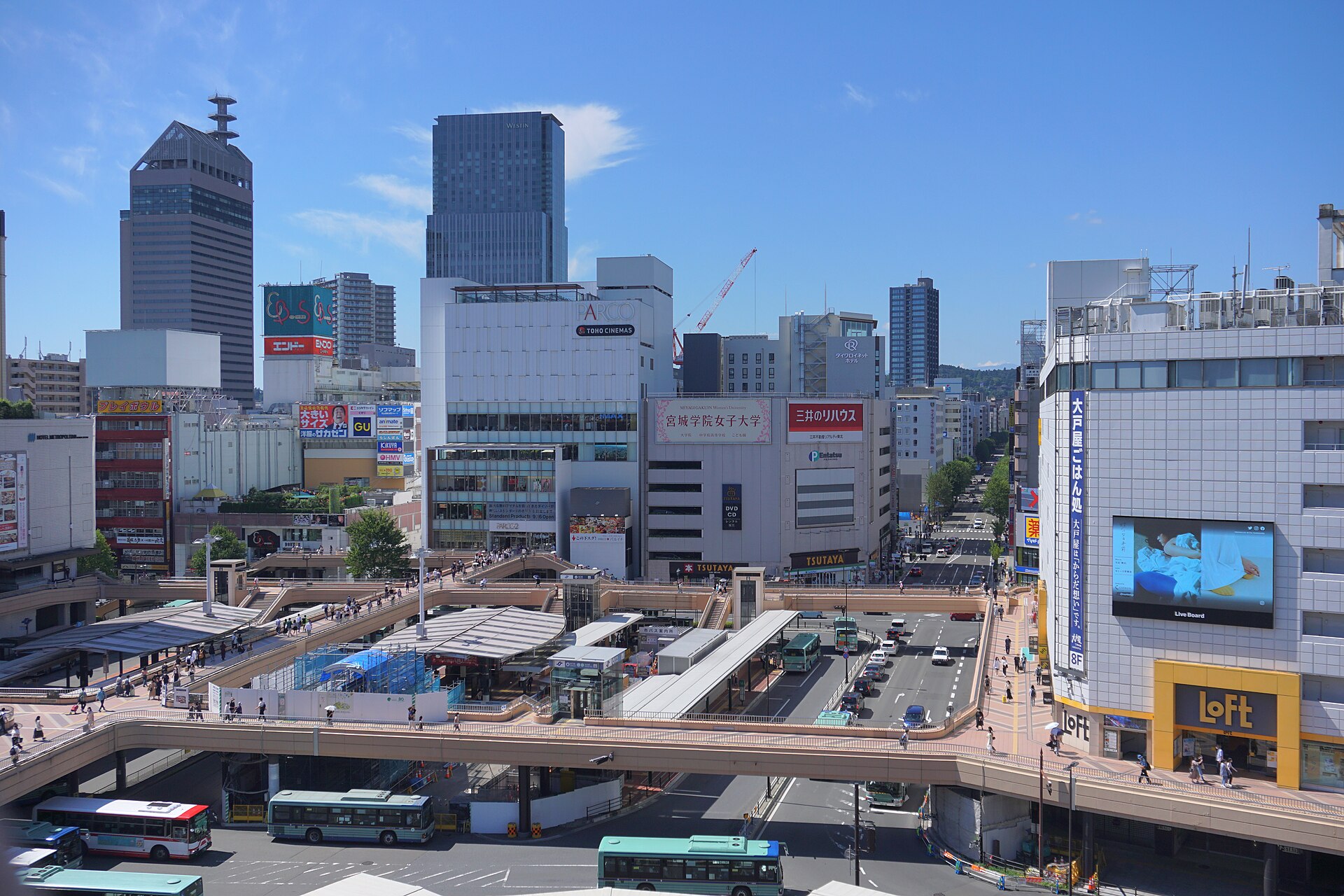
Choose Sendai Station when a Shinkansen or JR arrival, luggage, an early departure, or a flexible connection is the part of the trip that cannot move. Choose Ichibancho when a central evening, restaurants, and a city-first day matter more than sleeping beside the rail concourse. The two areas are linked by Sendai’s subway network, so the better hotel is the one that protects the first fixed movement of your stay.
| Your priority | Choose | First check |
|---|---|---|
| Shinkansen, JR arrival or early departure | Sendai Station | Your actual exit, hotel walk and the current station notice. |
| Restaurants and a central evening | Ichibancho | The walk to Aoba-dori Ichibancho and your final return. |
| One base for both | Break the tie with the fixed movement | Use the official subway map and current route search for your travel date. |
Choose Sendai Station when the arrival or departure leads the trip
Sendai Station is the cleaner choice when the hotel needs to absorb a long rail arrival, luggage, or a morning departure. It is not automatically the most atmospheric area, but it gives the day a reliable starting point: you can check in, reset after the train, and decide later how much of central Sendai to add. This is especially useful when your next day has a fixed rail connection rather than an open-ended city plan.
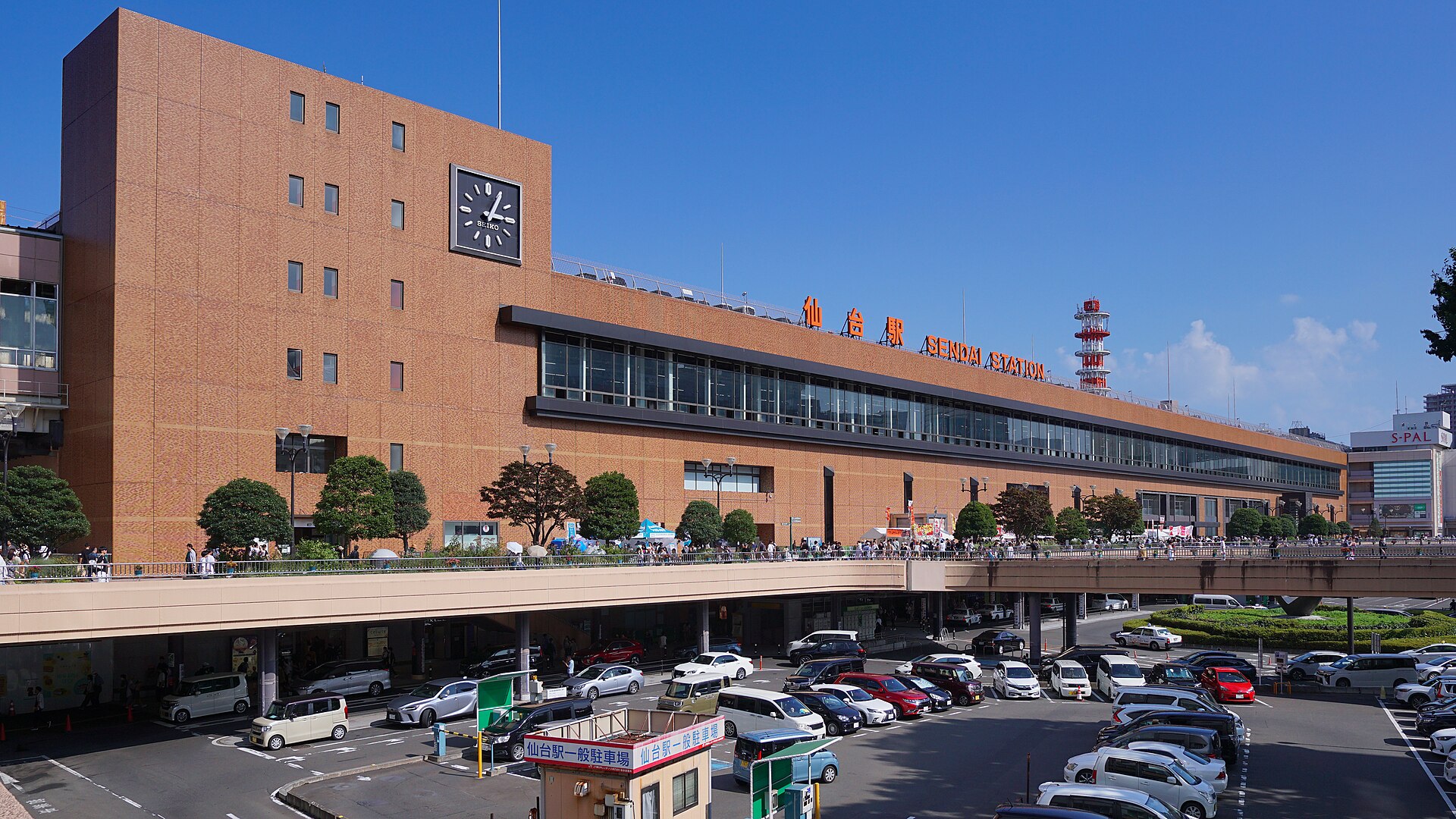
The city transport authority identifies Sendai as a connection on both the Namboku and Tozai subway lines. That makes a station base more flexible than simply being near JR: it is a place to begin a city day in more than one direction. Construction and station access arrangements can change, so confirm the current Sendai Station information for your travel date before booking a non-refundable room.
Choose Ichibancho when the evening is part of the stay
Ichibancho is the better base when you want central Sendai to remain useful after sightseeing ends. It works for travellers who value a dinner-led evening, a walkable centre, and a hotel return that does not feel like another station transfer. The trade-off is simple: you should still test the first and last journey that matters, rather than assuming a central map pin makes every rail movement easy.
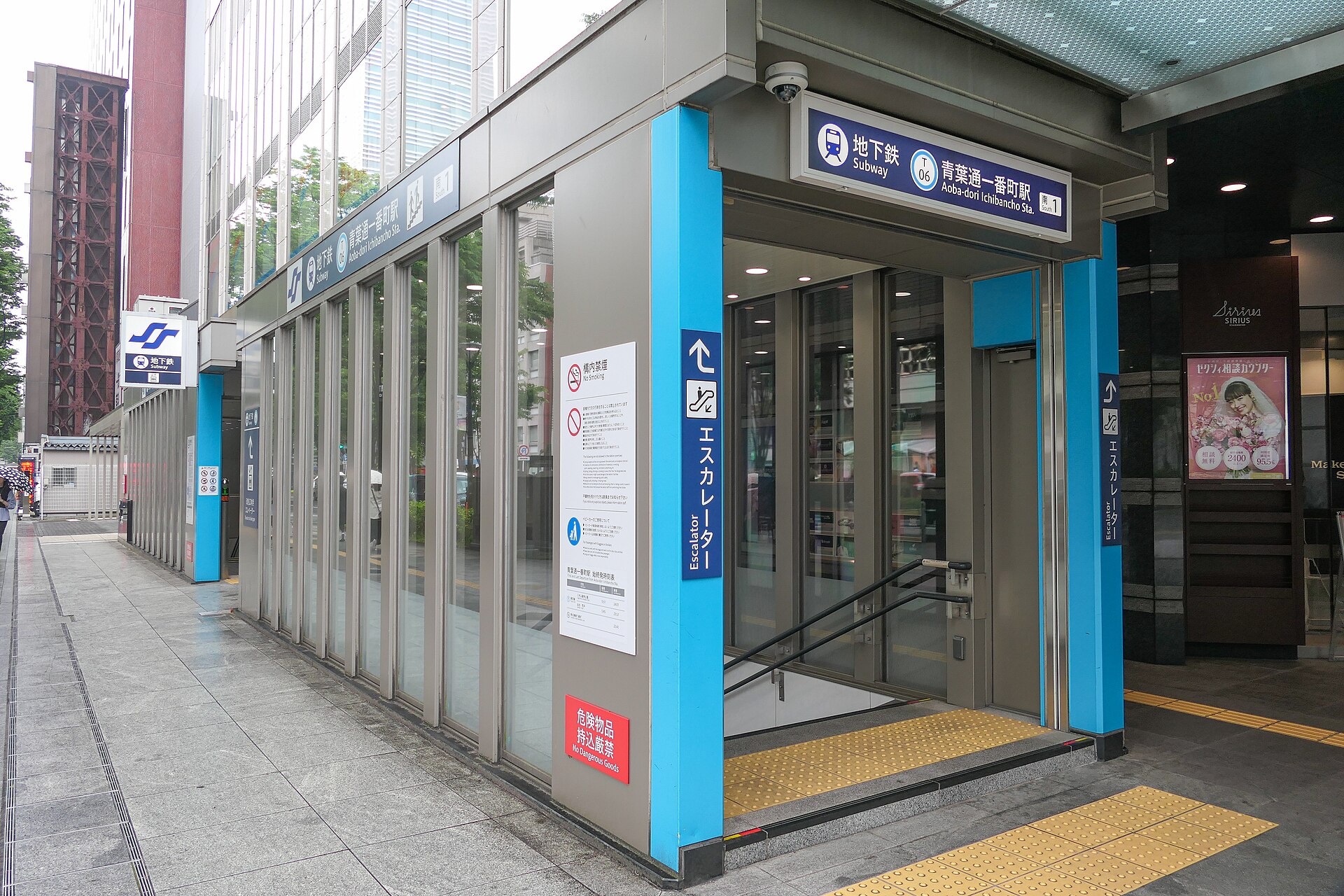
Aoba-dori Ichibancho is on the Tozai line, while Sendai is also on that line as well as the Namboku line. Use the official subway map and station information to test the route from your hotel to the place you will actually start or finish. For a late arrival, a suitcase, or an early Shinkansen, that small test can make Sendai Station the calmer choice even if Ichibancho is the more appealing evening base.
Use the first fixed movement to break a close call
- Rail timetable first: choose Sendai Station if a train departure sets the morning.
- Evening first: choose Ichibancho if you want the city centre to carry dinner and the hotel return.
- Check the real route: use the official bus route-map entry point and subway information for your travel date; do not rely on an old transfer estimate.
- Keep one base on a short trip: moving hotels to be close to both names usually costs more time than it saves.
For the wider region, continue with the Miyagi travel guide, the Iwate travel guide, and the Yamagata travel guide.
Official sources: Sendai City Transportation Bureau subway information, Sendai Station information, and Sendai city-bus route maps.