
📍 Related Prefecture Guide:
Okayama Travel Guide
Embark on a captivating journey to Okayama, a city often overlooked but brimming with historical treasures, stunning gardens, and unique cultural experiences. If you’re a first-time international traveler to Japan seeking an authentic cultural immersion away from the bustling crowds of Kyoto or Tokyo, Okayama offers a refreshingly serene alternative. This 2-day itinerary focuses on the mystical Kibitsu Shrine and the majestic Okayama Castle, perfectly complemented by comfortable stays that enhance your historical exploration, all set against the breathtaking backdrop of spring in Japan.
## Introduction
Nestled in the heart of the Chugoku region, Okayama Prefecture is known as the “Land of Sunshine” for its pleasant climate. Its capital, Okayama City, serves as an ideal base for exploring a rich tapestry of history, mythology, and natural beauty. Spring transforms the city into a canvas of soft pinks and vibrant greens, making it an exceptionally picturesque time to visit. This itinerary is designed to guide English-speaking travelers through two of Okayama’s most significant cultural landmarks, providing practical information and local insights to ensure a smooth and memorable trip.
## Why Visit This Area
Okayama offers a compelling blend of accessibility, unique history, and genuine Japanese charm. For those looking to delve deeper into Japan’s past without the intense tourist density of more famous destinations, Okayama provides an invaluable experience.
* **Mythological Roots:** Okayama is steeped in the legend of Momotaro, the Peach Boy, making visits to places like Kibitsu Shrine feel like stepping into a folktale.
* **Architectural Marvels:** Okayama Castle’s striking black exterior and Kibitsu Shrine’s unique *Hiyoku-zukuri* (paired-gable style) architecture offer distinct visual and historical insights.
* **Serene Beauty:** Korakuen Garden, one of Japan’s three great gardens, offers tranquil landscapes perfect for a contemplative stroll, especially beautiful during cherry blossom season.
* **Gateway to Western Japan:** Its central location makes it an excellent hub for further exploration of the Seto Inland Sea region.
* **Authentic Cultural Experience:** Engage with local crafts like Bizen ware pottery and savor regional delicacies, experiencing Japan beyond the typical tourist trails.
## Best Things to Do
Our 2-day itinerary balances iconic sights with immersive cultural activities, ensuring a deep dive into Okayama’s heritage.
### Day 1: Myth, Gardens & Black Castle Views
Your first day begins with a journey into ancient mythology, followed by a stroll through a traditional garden and an initial encounter with Okayama Castle.
#### H3: Morning: Discovering Kibitsu Shrine’s Mystical Charms
Kick off your exploration at **Kibitsu Shrine**, a National Treasure of Japan and a site of immense historical and mythological significance. Believed to be the inspiration behind the legend of Momotaro, this shrine boasts a truly unique architectural style known as *Hiyoku-zukuri*, where two parallel gabled roofs create a distinct and grand appearance. The 398-meter-long corridor, stretching along the hillside, is a stunning feature, offering a meditative walk that connects various sub-shrines and prayer halls.
* **Narukama Shinji (Kama-taki Ceremony):** Consider experiencing this ancient ritual, where the sound of steam from a boiling pot (kama) is interpreted as a divine oracle. It’s a profound spiritual experience, though reservations are often required.
* **Getting There:** From Okayama Station, take the JR Kibi Line to Kibitsu Station (approx. 20-25 minutes). The shrine is about a 10-minute walk from the station.
* **Estimated Cost:** Free to enter the shrine grounds. The Narukama Shinji ceremony has a fee (approx. ¥3,000-¥5,000, depending on offering).
* **Best Time to Visit:** Morning, to enjoy the tranquility before potential crowds.
#### H3: Afternoon: Serenity at Korakuen Garden & Okayama Castle Exterior
After your shrine visit, return to Okayama City to immerse yourself in one of Japan’s most exquisite landscape gardens.
* **Korakuen Garden:** Established in 1700, Korakuen is considered one of Japan’s three great landscape gardens. Its vast, meticulously maintained grounds feature traditional tea houses, ponds, artificial hills, and groves of cherry and plum trees. In spring, the cherry blossoms (sakura) around the garden, particularly near the river, are breathtaking.
* **Getting There:** From Okayama Station, take a tram to Shiroshita (城下) stop (approx. 5 minutes) and walk for about 10-15 minutes, or take a bus directly to Korakuen-mae.
* **Estimated Cost:** ¥410 (admission).
* **Travel Time (between attractions):** Kibitsu Shrine to Okayama Station: 20-25 mins train. Okayama Station to Korakuen/Castle area: 5-15 mins tram/bus.
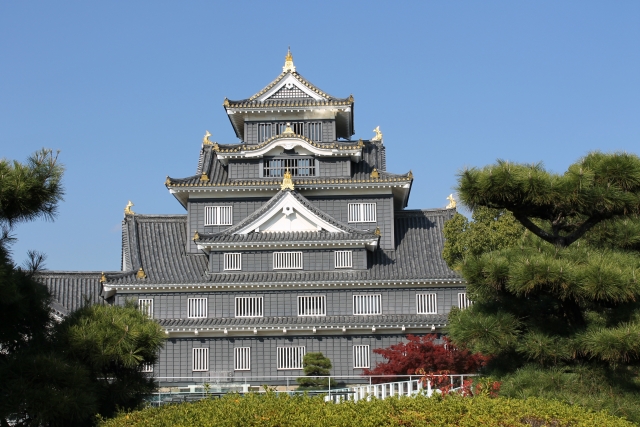
* **Okayama Castle (Exterior & Surroundings):** Positioned majestically across the Asahi River from Korakuen Garden, **Okayama Castle** (烏城, *Ujo* or “Crow Castle”) earns its nickname from its striking black exterior. While you’ll explore the interior tomorrow, take this afternoon to admire its powerful presence from across the river and from the castle grounds. The walk between Korakuen and the castle over the Tsukimi-bashi Bridge offers excellent photo opportunities, especially with cherry blossoms lining the riverbanks.
### Day 2: Castle Immersion, Local Crafts & Historical Reflection
Day two is dedicated to a deeper dive into Okayama Castle and an engagement with local craftsmanship, allowing for a more relaxed pace to appreciate your surroundings.
#### H3: Morning: Okayama Castle Interior & History
Today, fully explore the interior of **Okayama Castle**. Though largely a 1960s reconstruction after WWII damage, the castle museum offers a fascinating journey through its history, showcasing artifacts, interactive exhibits, and providing insights into the lives of the feudal lords (daimyo) who once resided here. From the top floor, you’ll be rewarded with panoramic views of Korakuen Garden, the Asahi River, and the cityscape – a perfect vantage point for spring landscapes.
* **Estimated Cost:** ¥320 (admission). A combined ticket with Korakuen Garden is available for ¥720.
* **Best Time to Visit:** Morning, to avoid potential crowds.
#### H3: Afternoon: Engaging with Bizen Ware Pottery
Okayama Prefecture is renowned for **Bizen ware (Bizen-yaki)**, one of Japan’s oldest and most distinctive pottery styles. Characterized by its unglazed, rustic appearance and earthy tones, Bizen ware is fired at high temperatures for extended periods, allowing natural ash glazes and kiln effects to create unique patterns.
* **Bizen Ware Pottery Experience:** Several workshops in Okayama City and nearby Bizen City offer hands-on pottery experiences. You can try your hand at shaping clay and learn about this traditional art form. Even if you don’t visit a full workshop, look for galleries and shops around the castle area selling authentic Bizen ware.
* **Recommendation:** Check out studios like Bizenyaki Traditional Crafts Center or local shops in the castle vicinity. Reservations are often required for hands-on classes.
* **Estimated Cost:** Pottery experience can range from ¥2,500 to ¥5,000+ depending on the duration and item.
* **Travel Time:** If visiting Bizen City, it’s about a 30-40 minute train ride from Okayama Station on the JR Ako Line to Imbe Station. Within Okayama City, workshops are more accessible.
#### H3: Evening: Reflecting on Your Historical Stay & Local Flavors
Spend your final evening savoring a delicious local meal and enjoying the ambiance of your chosen “historical stay.” Many hotels in Okayama offer excellent dining options, or you can venture out to try a local *izakaya* (Japanese pub) for a more casual, authentic experience. This is a perfect time to reflect on the legends, history, and beauty you’ve encountered.
## [IMAGE: Okayama Castle, lit up at night, with cherry blossoms in the foreground (placeholder)]
## Local Food & Specialties
Okayama’s culinary scene is a delightful blend of fresh produce and regional traditions.
* **Kibidango:** The iconic sweet dumpling from the Momotaro legend. These small, chewy mochi-like treats come in various flavors (plain, green tea, black sugar) and make for perfect souvenirs.
* **Barazushi:** A vibrant, decorative sushi dish unique to Okayama. It’s a bowl of sushi rice topped with an array of fresh seafood (like shrimp, conger eel), vegetables, and sometimes strips of omelet, creating a colorful mosaic.
* **Mackerel Sushi (Bizen-yaki Sushi):** Mackerel, often cured, is a popular topping for sushi in Okayama, reflecting its coastal proximity.
* **White Peach (Hakuto) & Muscat Grapes:** Okayama is famous for its exceptionally sweet and juicy white peaches (in summer) and Muscat of Alexandria grapes (late summer/autumn). While spring is not their peak season, you might find peach-flavored sweets or drinks.
* **Okayama Ramen:** While not as famous as other regional ramen styles, Okayama has its own delicious local versions, often soy-sauce based.
## Recommended Hotels
While truly ancient traditional ryokans are less common directly within Okayama City center, these selections offer excellent comfort, Japanese aesthetics, or ideal locations to enhance your historical journey. They provide a perfect base for experiencing the city’s rich past.
1. **Okayama Koraku Hotel:** (Mid-range/Upper Mid-range)
* **Vibe:** Established hotel offering a blend of modern comfort with touches of traditional Japanese hospitality. Some rooms offer views of the city or have a Japanese aesthetic. Excellent location near Okayama Station and easy access to the castle/garden.
* **Features:** Comfortable rooms, good dining options, central location.
* **Estimated Cost:** ¥8,000 – ¥15,000 per night.
2. **Mitsui Garden Hotel Okayama:** (Mid-range)
* **Vibe:** Modern, well-appointed hotel known for its comfort and convenient location. While contemporary, its design is clean and efficient, typical of Japanese hospitality, and it provides a great base for exploring.
* **Features:** Public bath (onsen-style), comfortable beds, close to Okayama Station.
* **Estimated Cost:** ¥7,000 – ¥14,000 per night.
3. **ANA Crowne Plaza Okayama:** (Upper Mid-range/Luxury)
* **Vibe:** A reliable international brand offering higher-end comfort and services. It provides a luxurious and relaxing environment after a day of exploration.
* **Features:** Spacious rooms, multiple dining options, excellent service, located directly next to Okayama Station.
* **Estimated Cost:** ¥12,000 – ¥25,000 per night.
4. **Dormy Inn Okayama Hot Spring:** (Mid-range)
* **Vibe:** A popular chain known for its excellent value and amenities. While modern, the presence of a natural hot spring bath (onsen) allows for a quintessential Japanese relaxation experience.
* **Features:** Free hot spring bath, free late-night ramen, good breakfast buffet, convenient location.
* **Estimated Cost:** ¥6,000 – ¥12,000 per night.
*Note: Prices are approximate and can vary significantly based on season, booking lead time, and room type.*
## Recommended Tours & Activities
Beyond the core itinerary, consider these to enrich your cultural immersion:
* **Kibi Plains Cycling:** Rent a bicycle near Kibitsu Shrine or Bizen-Ichinomiya Station and explore the scenic Kibi Plains, cycling past ancient burial mounds (kofun), charming villages, and rural landscapes. This offers a peaceful glimpse into regional life.
* **Tea Ceremony Experience:** Several cultural centers or even some larger hotels in Okayama may offer traditional Japanese tea ceremony experiences, providing insight into this elegant art form.
* **Kimono Rental:** For a truly memorable experience, rent a kimono or yukata (a lighter summer kimono) and stroll through Korakuen Garden or the castle grounds, immersing yourself fully in the traditional aesthetic.
* **Candle-Making Experience:** Okayama has a history of traditional Japanese candle making (Warosoku). Some workshops offer short classes.
## How to Get There
Okayama is easily accessible from major Japanese cities, thanks to its position on the Sanyo Shinkansen (bullet train) line.
* **From Tokyo:** Take the Tokaido-Sanyo Shinkansen (Nozomi or Hikari trains) directly to Okayama Station. The journey takes approximately 3 to 4 hours.
* **From Kyoto/Osaka:** Take the Sanyo Shinkansen (Nozomi or Hikari trains) directly to Okayama Station. From Kyoto, it’s about 1 hour; from Shin-Osaka, about 45 minutes.
* **From Hiroshima:** Take the Sanyo Shinkansen to Okayama Station (approx. 35-45 minutes).
**Internal Travel in Okayama:**
* **JR Kibi Line:** For Kibitsu Shrine, take the local JR Kibi Line from Okayama Station.
* **Trams & Buses:** Okayama City has an efficient network of trams and buses. The tram is particularly convenient for reaching the Korakuen Garden and Okayama Castle area (shiroshita stop).
* **Walking:** The city center around Okayama Station, and the area connecting Korakuen and Okayama Castle, are very walkable.
* **Japan Rail Pass:** If you plan extensive travel across Japan, a Japan Rail Pass can offer significant savings on Shinkansen and JR local lines, including those in Okayama.
## Travel Tips for International Visitors
Stay Connected in Japan
Get a Japan eSIM for fast, reliable mobile data.
Use code JAPANTRAVELHUB for a discount.
* **Currency & Cash:** While credit cards are accepted in many places, especially hotels and larger stores, having cash (yen) is essential for smaller shops, vending machines, and some shrines or local restaurants. ATMs are widely available at post offices and convenience stores (7-Eleven, Lawson, FamilyMart).
* **Connectivity:** Rent a pocket Wi-Fi device or purchase a local SIM card upon arrival. Free Wi-Fi is available in many hotels, cafes, and public spaces, but a personal device ensures constant connectivity for navigation and communication.
* **Public Transportation Etiquette:** Be mindful of silent zones on trains and buses, avoid talking on your phone, and let people exit before entering. On escalators, stand on the left in Okayama (and most of western Japan), allowing those in a hurry to pass on the right.
* **Shrine & Temple Etiquette:**
* **Bow:** A slight bow when entering and leaving the shrine/temple grounds is a sign of respect.
* **Wash Hands:** At the *temizuya* (water purification fountain) near the entrance, use the ladle to scoop water, wash your left hand, then your right, rinse your mouth (spit beside the fountain, not back into it), and then tip the ladle to clean its handle.
* **Offerings:** When making an offering at the main hall, toss a coin (usually ¥5 for good luck) into the offering box, bow twice, clap twice, make a wish, and bow once more.
* **Remove Shoes:** Always remove your shoes when entering certain areas of shrines, temples, or traditional buildings. Look for shoe racks.
* **Spring Weather:** March, April, and May offer pleasant temperatures, but spring weather can be unpredictable. Pack layers, including a light jacket or sweater, and an umbrella for occasional rain showers.
* **Language:** While many tourist-friendly areas have English signage, learning a few basic Japanese phrases (e.g., “Konnichiwa” – hello, “Arigato gozaimasu” – thank you, “Sumimasen” – excuse me/sorry) will greatly enhance your experience. Google Translate is also very helpful.
* **Cherry Blossom Viewing (Hanami):** If visiting during peak cherry blossom season (late March to early April in Okayama), be prepared for larger crowds at popular viewing spots like Korakuen Garden.
## Conclusion
Okayama offers a refreshingly authentic and deeply rewarding experience for the international traveler. This 2-day spring itinerary, centered around the mythical Kibitsu Shrine and the majestic Okayama Castle, provides a perfect balance of historical exploration, cultural immersion, and serene natural beauty. From delving into ancient legends to admiring stunning garden landscapes and engaging with traditional crafts, Okayama invites you to uncover a lesser-known side of Japan. With its friendly atmosphere, delicious local cuisine, and comfortable “historical stays,” your visit to the Land of Sunshine promises to be a truly unforgettable journey into Japan’s rich past.
Explore More About Okayama
Find more travel tips, guides, and recommended spots in Okayama.

コメント