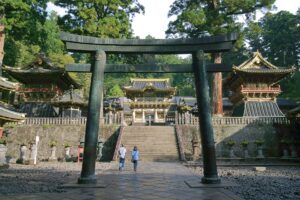
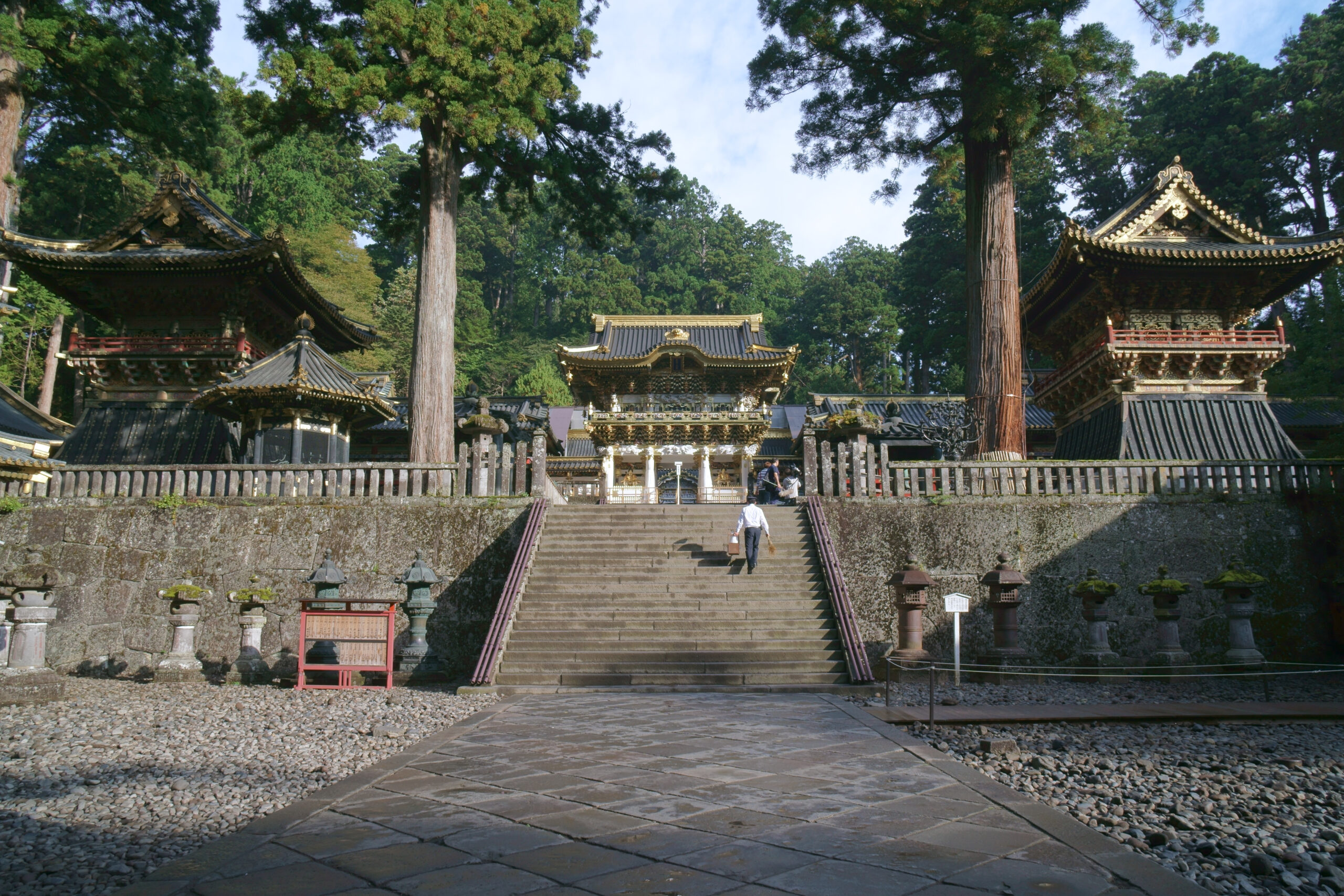
For a first visit to Nikko Toshogu, buy shrine admission and give the buildings and carvings room in your day. Add the Treasure Museum if you want more historical context; add nearby Rinnoji only if you have time for a separately ticketed temple visit. Yomeimon is a gate within Toshogu, not an alternative attraction requiring a choice between two routes.
| Item | Planning answer |
|---|---|
| Admission | Toshogu shrine: ¥1,600 for adults/high-school students; ¥550 for elementary/junior-high students. The Treasure Museum is a separate ticket or bundle. |
| Hours | April 1–October 31: 09:00–17:00. November 1–March 31: 09:00–16:00. Last admission is 30 minutes before closing. |
| Closed days | No regular closing day is listed. Check special notices before travelling. |
| Reservation | The official shrine page offers advance purchase. Read the product’s entry or voucher-exchange instructions; advance booking does not automatically mean direct gate entry. |
| Access | From JR Nikko or Tobu-Nikko Station, use the World Heritage bus route for the shrine area. The relevant shrine-area fare is ¥350; Omotesando is one useful arrival stop. |
| Trade-off | Shrine-only admission keeps the visit focused. A museum or Rinnoji add-on buys a different experience but uses more time and, for Rinnoji, a separate ticket. |
Before visiting or booking, confirm current prices, opening hours and entry arrangements on the official Toshogu admission page, and check Tobu Bus routes and timetables for your travel date. Treat these figures as planning inputs, not a promise that every service or ticket condition stays unchanged.
Which ticket is worth buying?
| Ticket choice | Adult planning comparison |
|---|---|
| Toshogu shrine only | ¥1,600 adult/high-school: the straightforward choice for Yomeimon, the Three Wise Monkeys and the shrine complex. |
| Toshogu + Treasure Museum | ¥2,400 adult/high-school. Buy this when the museum is part of your plan, not simply because a bundle exists. Shrine plus museum separately costs ¥2,600, so the listed bundle saves ¥200. |
| Rinnoji Sanbutsudo only | Separate ¥400 adult admission. A smaller temple add-on when you do not want the longer Taiyuin circuit. |
| Rinnoji Sanbutsudo + Taiyuin | Separate ¥900 adult combined ticket. It does not include Toshogu. This adds more walking and has an earlier combined-ticket cutoff. |
The Rinnoji visitor page says sales of the shared shrine-and-temple ticket are suspended. Do not interpret a Toshogu museum bundle as admission to Rinnoji, or a Rinnoji combined ticket as a pass to Toshogu. For an adult, Toshogu plus Sanbutsudo alone totals ¥2,000 in admission; Toshogu plus the Rinnoji two-building combination totals ¥2,500. Those are sums of the separate listed fees, excluding buses and other additions.
Choose the Treasure Museum when the objects and background to the shrine interest you. Choose Rinnoji when you want a second religious site rather than more time interpreting Toshogu. If neither is a priority, keeping a margin for slow walking, photographs and your return bus is a sensible use of the same time.
Give the shrine details time, not just a photo stop
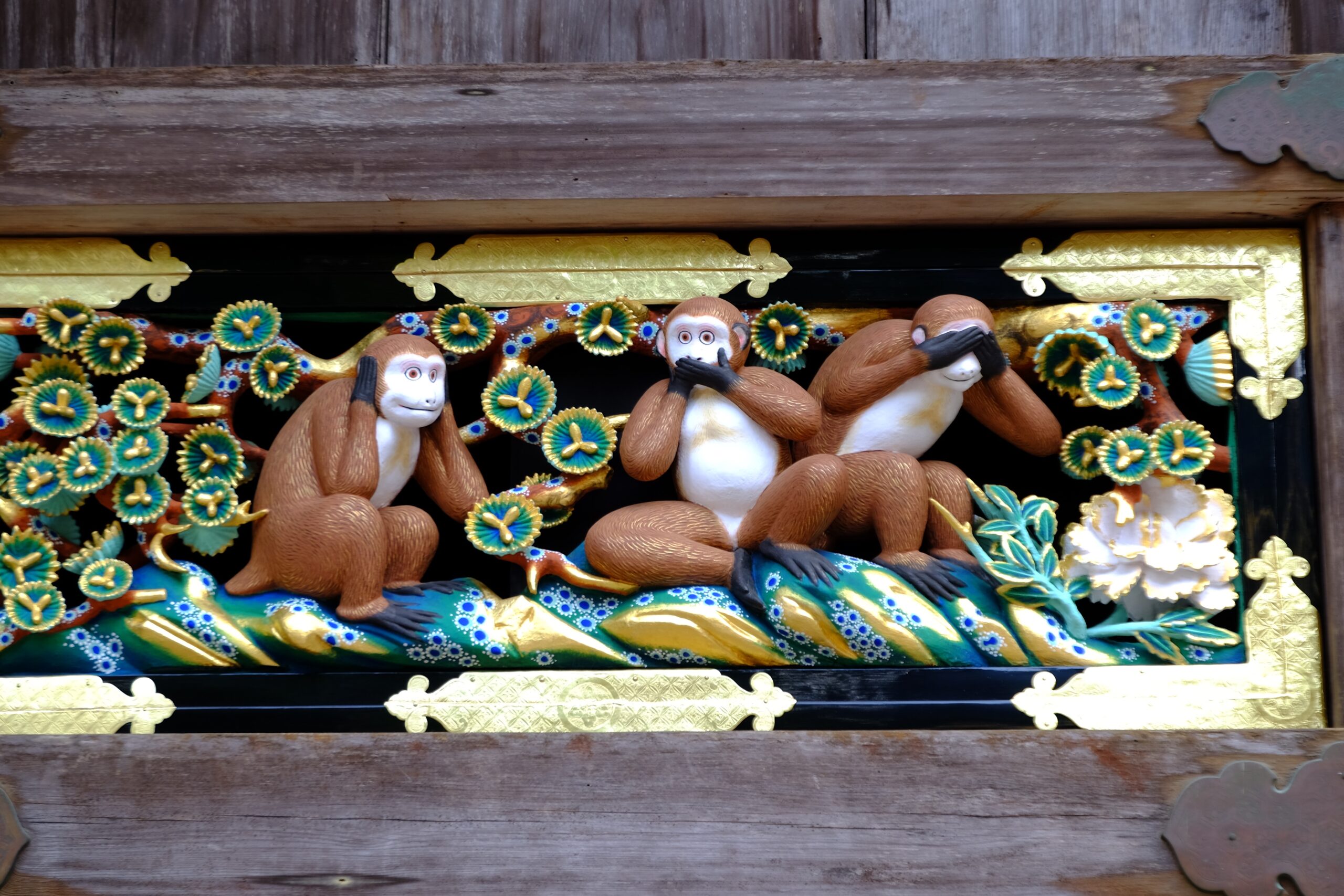
Yomeimon and the Three Wise Monkeys reward a visit that leaves room to pause. Instead of trying to collect every nearby attraction, work through the shrine complex first and assess your remaining energy before adding another ticket. A planning allowance of roughly 90 minutes to two hours for Toshogu is useful for an unhurried first visit; this is an editorial allowance, not an official guaranteed duration. Crowds, steps and how closely you look at the buildings can make the visit longer.
Wear shoes suited to walking and steps, and carry a layer for time spent outside. A building’s proximity on the map does not make the whole visit step-free. If stairs or prolonged standing would be difficult, ask the facility about a workable route before buying add-ons rather than assuming the full circuit will be comfortable.
Rinnoji is an add-on with its own clock
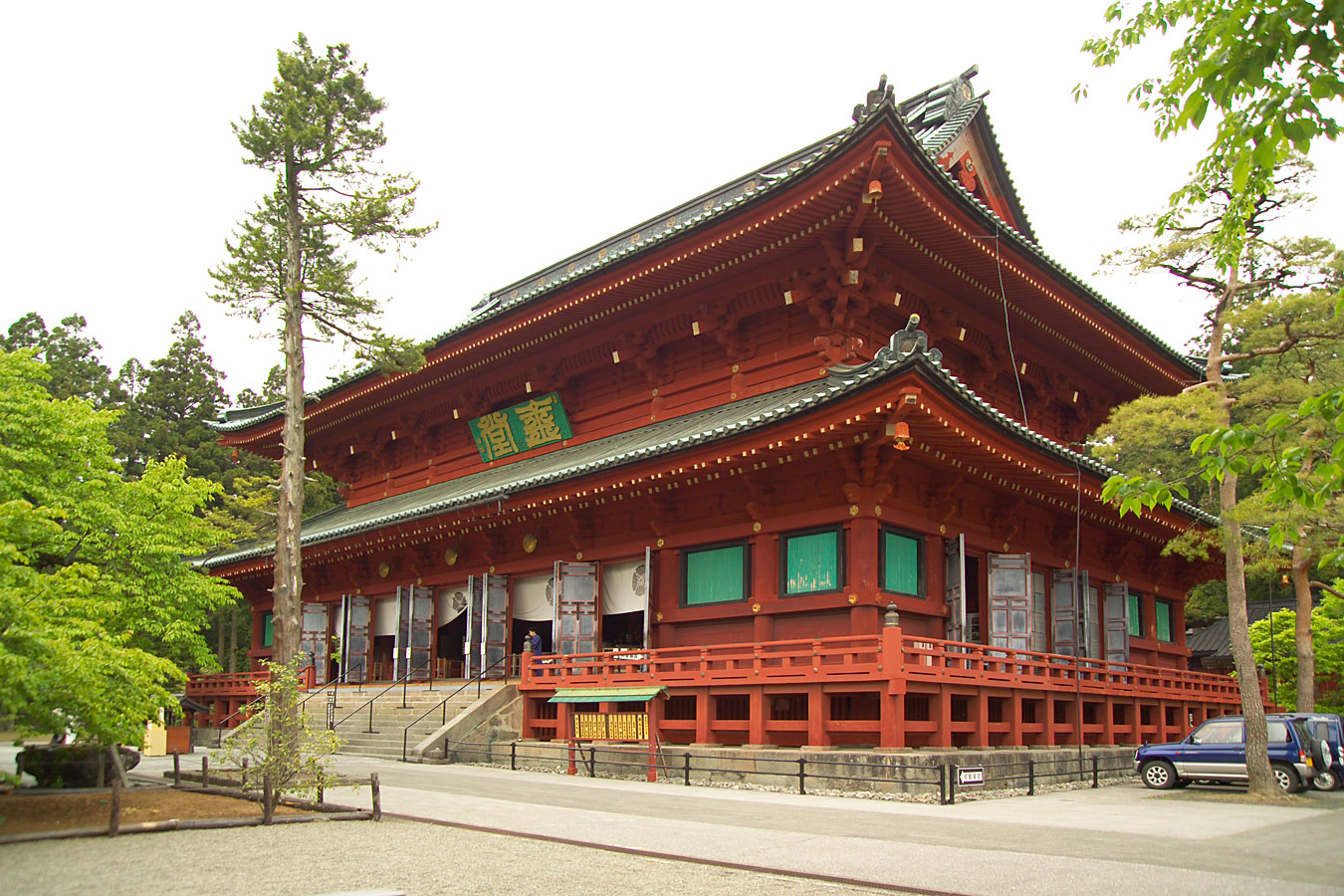
Rinnoji opens at 08:00, an hour before Toshogu. Its seasonal closing times are 17:00 from April through October and 16:00 from November through March, with ordinary admission ending 30 minutes earlier. However, the Sanbutsudo–Taiyuin combined ticket has a much earlier sales/admission cutoff: 14:30 in April–October and 13:30 in November–March. Sales may finish earlier, so check the official conditions rather than planning around the final minute.
Rinnoji estimates about 10–20 minutes for Sanbutsudo alone and 90 minutes to two hours for the two-building combined visit. These are different commitments. A late arrival may still allow one building but not the full combined experience. Ceremonies can also restrict temple access; consult the current notices if Sanbutsudo is an essential part of your day.
For a short day, make Toshogu the priority and decide on Sanbutsudo afterwards. For a longer heritage-focused day, reach the area early and allow space for both sites. If you are already there before 09:00, an early Rinnoji visit can use the gap before Toshogu opens, provided access is available and you avoid turning the morning into a rushed checklist.
Arrive with the right bus and ticket instructions
The World Heritage bus route connects the station area with the shrine and temple stops. Nikko’s official tourism guide gives approximately 13 minutes to Omotesando from the station; traffic and waiting time are additional. Check the route name and stop, not just whether a bus says “Nikko”: lake-bound and heritage-area journeys are not interchangeable.
The official tourism guide says the Toshogu ticket counter takes cash. It also identifies online ticket products that require exchanging a voucher at the Tobu-Nikko Station Tourist Center. That condition is product-specific, not a rule for every online ticket. Read your own purchase instructions before leaving the station: discovering an exchange requirement at the shrine creates an avoidable return trip.
Before the visit begins, identify your return stop and check the current bus timetable. Keep a buffer before a reserved train rather than treating closing time as your departure time. For the rail journey itself, use our separate Tokyo-to-Nikko day-trip train and return guide; this article focuses on what to buy and how to use your time after arrival. Explore the Tochigi travel guide for the wider trip.
Image credits: Yomeimon approach, Koichi Sato (CC BY-SA 4.0); Three Wise Monkeys, foooomio (CC BY 2.0); Rinnoji, Fg2 (public domain).
Official sources: Nikko Toshogu admission, Rinnoji visitor information, Tobu Bus Nikko routes, Nikko official tourism: Toshogu, Tochigi official tourism: Toshogu.