
📍 Related Prefecture Guide:
Hyogo Travel Guide
## Introduction
Nestled in the tranquil Seto Inland Sea, Awaji Island in Hyogo Prefecture is Japan’s best-kept secret for an unforgettable summer escape. Often overshadowed by the bustling metropolises of Osaka and Kyoto, this island gem offers a captivating blend of pristine beaches, lush natural landscapes, delectable local cuisine, and unique outdoor experiences. For first-time international travelers seeking a refreshing break from city life and a taste of Japan’s stunning coastal beauty, Awaji Island promises an idyllic retreat with ample opportunities for relaxation and adventure. Get ready to uncover the charms of Awaji, where ancient myths meet modern leisure.
## Why Visit This Area
Awaji Island, part of Hyogo Prefecture, holds a special place in Japanese mythology as the first island created by the gods Izanagi and Izanami. Today, it’s celebrated for its natural splendor, agricultural richness, and strategic location. Visiting Awaji offers a unique blend of experiences:
* **Natural Beauty:** From white sand beaches fringed with green pines to dramatic clifftops overlooking powerful whirlpools, Awaji’s landscapes are breathtaking. The island is blessed with a mild climate, making it ideal for outdoor activities throughout much of the year.
* **Culinary Delights:** Known as a “food island,” Awaji boasts incredibly fresh seafood, the famously sweet Awaji onions, and high-quality Awaji Beef. Foodies will find themselves in paradise, sampling local specialties that reflect the island’s bounty.
* **Relaxed Pace:** Unlike Japan’s frenetic cities, Awaji offers a slower, more tranquil pace of life. It’s perfect for unwinding, reconnecting with nature, and experiencing a slice of genuine Japanese island culture.
* **Accessibility:** Despite its serene atmosphere, Awaji is surprisingly accessible from major Kansai hubs like Osaka and Kobe, making it an easy addition to any Japan itinerary. It’s an ideal destination for families, couples, and solo travelers seeking a refreshing adventure.
* **Unique Accommodations:** Beyond traditional hotels, Awaji has embraced the glamping trend, offering luxurious and immersive stays under the stars, often with stunning ocean views.
## Best Things to Do
Awaji Island comes alive in the summer, offering a diverse array of activities to suit every traveler’s taste.
### Sun-Kissed Beaches for Every Mood
Awaji’s coastline is dotted with beautiful beaches, perfect for swimming, sunbathing, and watersports.
* **Ohama Beach (Sumoto City):** Located conveniently near Sumoto City, Ohama Beach is one of the most popular and easily accessible. Its calm, shallow waters are ideal for families with children, and the beach is well-equipped with showers, changing rooms, and nearby eateries. It’s often bustling with locals and tourists alike, creating a vibrant summer atmosphere.
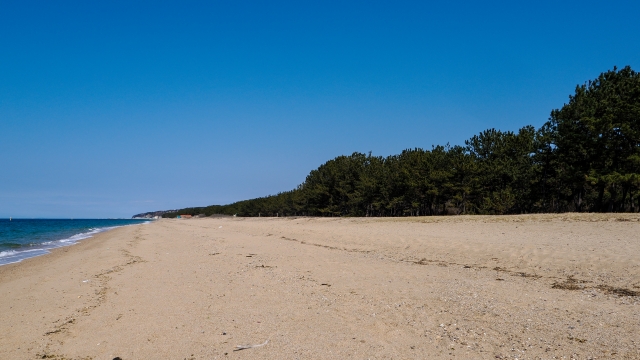
* **Keino Matsubara Beach (Minamiawaji City):** Renowned as one of Japan’s Top 100 Beaches, Keino Matsubara is famous for its picturesque white sand and 50,000 ancient green pine trees stretching along the shore. It’s a fantastic spot for a leisurely stroll, picnicking, or simply enjoying the tranquil beauty. The sunsets here are particularly spectacular.
* **Goshiki Beach (Goshiki Hama, Sumoto City):** Meaning “Five Colors Beach,” Goshiki Hama is unique for its collection of naturally polished, colorful pebbles. While not ideal for swimming due to the rocky shore, it’s a fascinating place for beachcombing and admiring the geological beauty.
### Glamping & Unique Stays
Experience Awaji’s natural beauty without sacrificing comfort in one of its many unique glamping sites.
* **Grand Chariot Hokuto Shichisei 135°:** Perched atop a hill in northern Awaji, this luxury glamping resort offers dome-shaped cabins with panoramic views of Akashi Kaikyo Bridge and the Seto Inland Sea. Each cabin is sumptuously appointed, often featuring an open-air bath and private deck, allowing for an immersive experience with nature. Prices typically range from ¥40,000-¥80,000 per night.
* **First Class Glamping Resort Airstream Awaji:** For a retro-chic experience, consider staying in a vintage Airstream trailer converted into a luxurious lodging. These unique accommodations offer modern comforts in stylish settings, often near the coast, providing a distinct glamping adventure.
### Coastal & Cultural Activities
Beyond the beaches, Awaji offers a wealth of activities from natural wonders to family-friendly attractions.
* **Naruto Whirlpools (Uzu no Michi Walkway):** Witness one of the world’s largest tidal whirlpools beneath the Onaruto Bridge connecting Awaji Island to Shikoku. From the Awaji side, you can walk along the Uzu no Michi walkway, a glass-floored promenade under the bridge, offering a thrilling view of the swirling waters below. For an even closer look, take a sightseeing boat tour from Fukura Port (see “Recommended Tours”). The whirlpools are strongest during spring tides, so check a tide chart for the best viewing times (usually twice a day).
* **Awaji World Park Onokoro:** A fun theme park perfect for families, Onokoro features miniature replicas of famous world landmarks, a variety of rides, and craft workshops. It’s a quirky and enjoyable way to spend an afternoon, especially for those with young children.
* **Awaji Hana Sajiki:** Perched on a hill overlooking the Akashi Kaikyo Bridge and Osaka Bay, this vast flower park boasts seasonal blooms that paint the landscape in vibrant colors. Entry is free, and it’s a wonderful spot for photography and enjoying panoramic views. Summer might feature sunflowers or salvia.
* **Awaji Farm Park England Hill:** Experience a slice of rural life with animal encounters (capybaras, koalas, sheep), seasonal flower fields, and hands-on workshops like bread making or crafting. It’s a great destination for families and anyone looking for a relaxed, interactive experience.
* **Awaji Yumebutai:** A stunning architectural complex designed by Tadao Ando, featuring an international conference center, a hotel, and beautiful gardens, including the “Hyakudanen” (100-step garden) and the “Water Temple.” It’s an inspiring place for art and nature lovers, offering tranquil spaces and striking design.
[IMAGE: Naruto Whirlpools from Awaji Island]
## Local Food & Specialties
Awaji Island is often referred to as a “treasure trove of food,” and for good reason. The island’s rich soil and abundant sea provide an incredible array of fresh, high-quality ingredients.
### Awaji Beef
Awaji Beef is a premium wagyu known for its exquisite marbling, tender texture, and rich flavor. Raised in the island’s natural environment, it’s a must-try for meat lovers. Enjoy it as a steak, shabu-shabu, or sukiyaki at one of the island’s many fine dining establishments. A premium Awaji Beef meal can cost ¥5,000 – ¥10,000+.
### Awaji Onions
The sweet, large, and incredibly flavorful Awaji onions are famous throughout Japan. They’re less pungent than regular onions and have a delightful sweetness, making them perfect for salads, gratin, tempura, or even as a simple grilled dish. You’ll find them incorporated into various local dishes, and many roadside stations sell them fresh. Look out for onion-flavored snacks like crisps and dressings.
### Fresh Seafood
Surrounded by the nutrient-rich waters of the Seto Inland Sea, Awaji boasts an abundance of fresh seafood.
* **Shirasu-don:** A popular summer dish, this is a bowl of rice topped with fresh or boiled *shirasu* (tiny whitebait). It’s simple, refreshing, and highlights the delicate flavor of the sea. Expect to pay around ¥1,200 – ¥2,000.
* **Tai Meshi:** Sea bream rice, where a whole sea bream is cooked with rice, resulting in a flavorful and aromatic dish.
* **Hamo (Pike Conger Eel):** A delicacy in summer, often served as tempura, sashimi, or in hot pot dishes.
* **Awabi (Abalone) & Uni (Sea Urchin):** Seasonal luxuries that are highly prized for their exquisite taste.
Don’t miss visiting local restaurants in Sumoto City or Fukura Port for the freshest catches, or explore the various “Michi-no-Eki” (roadside stations) which often feature restaurants and markets selling local produce and specialties.
## Recommended Hotels
Awaji Island offers a range of accommodations, from luxurious resorts with onsen (hot springs) to unique glamping experiences. Booking in advance, especially during peak summer season, is highly recommended.
1. **Grand Chariot Hokuto Shichisei 135° (Glamping):** (North Awaji, near Akashi Kaikyo Bridge)
* **Vibe:** Luxury glamping with stunning views.
* **Why:** Private dome cabins, exceptional dining focusing on local produce, open-air baths. Offers an immersive nature experience with hotel-level service. Perfect for couples or special occasions.
* **Estimated Cost:** ¥40,000 – ¥80,000+ per night.
2. **Hotel New Awaji (Sumoto City):**
* **Vibe:** Classic Japanese resort with excellent ocean views and hot springs.
* **Why:** A well-established ryokan-style hotel offering traditional hospitality, multiple onsen baths (some with ocean views), and exquisite kaiseki (multi-course) dinners featuring Awaji specialties. Great for a traditional Japanese resort experience.
* **Estimated Cost:** ¥25,000 – ¥50,000+ per person per night (often includes dinner/breakfast).
3. **The Westin Awaji Island Resort & Conference Center (Awaji Yumebutai):**
* **Vibe:** Modern luxury hotel within a striking architectural complex.
* **Why:** Conveniently located next to Awaji Yumebutai and Awaji Hana Sajiki. Features spacious rooms, multiple dining options, a large outdoor pool, and golf courses. Ideal for those who appreciate contemporary design and resort amenities.
* **Estimated Cost:** ¥20,000 – ¥45,000 per night.
4. **Guesthouse Daikichi (Sumoto City):**
* **Vibe:** Friendly, budget-conscious guesthouse.
* **Why:** Offers a more local and affordable stay, often with dormitory or simple private rooms. Great for backpackers or those looking to connect with other travelers. Check booking sites for current options.
* **Estimated Cost:** ¥4,000 – ¥8,000 per night.
## Recommended Tours & Activities
While much of Awaji can be explored independently, these recommendations enhance your experience.
1. **Naruto Whirlpool Sightseeing Cruise:**
* **Description:** Depart from Fukura Port on Awaji Island aboard large sightseeing ships (like the “Kanrin-Maru” or “Nihon-Maru”) for a thrilling 60-minute journey to witness the Naruto Whirlpools up close. The boats navigate directly into the turbulent waters.
* **Best Season:** Strongest whirlpools occur during spring tides, which happen twice a month. Check the tide calendar beforehand. Summer is generally a good time, but specific dates matter.
* **Estimated Cost:** Adults ¥2,500, Children ¥1,250.
2. **Awaji Island Cycling (Awaichi):**
* **Description:** For active travelers, rent a bicycle and explore parts of the “Awaichi” cycling route, which circles the entire island. You can choose shorter, scenic sections, particularly along the coast, enjoying the sea breeze and stunning views. Many rental shops are available, including near Akashi Kaikyo Bridge.
* **Estimated Cost:** Bike rental typically ¥1,500 – ¥5,000 for a day, depending on the type of bike (electric assist bikes recommended for hills).
3. **Hands-on Workshops at Awaji Farm Park England Hill:**
* **Description:** Engage in activities like making your own bread, ice cream, or crafts using local ingredients. It’s a fun and educational experience, especially for families.
* **Estimated Cost:** Varies per workshop, typically ¥500 – ¥1,500 per person.
4. **Awaji Doll Theater (Awaji Ningyo Joruri):**
* **Description:** While not strictly a “tour,” experiencing Awaji Ningyo Joruri (traditional puppet theater) in Minamiawaji provides deep cultural insight. The performance art has a 500-year history on the island and is a designated Important Intangible Cultural Property.
* **Estimated Cost:** Around ¥1,500 – ¥2,000 for a performance.
## How to Get There
Awaji Island is well-connected to Japan’s mainland, primarily through its impressive bridges.
### From Major Cities (Osaka/Kobe)
The most common and convenient way to reach Awaji Island is by bus or rental car.
* **By Bus (Recommended):**
* **From Osaka (Umeda Bus Terminal) or Sannomiya (Kobe Bus Terminal):** Direct highway buses regularly depart for Awaji Island. The most common destination on Awaji is Sumoto Bus Center, a central hub on the island.
* **Travel Time:**
* From Sannomiya (Kobe): Approximately 1 hour 30 minutes to Sumoto Bus Center.
* From Osaka (Umeda): Approximately 2 hours to Sumoto Bus Center.
* **Cost:** Approximately ¥2,300 – ¥3,000 one-way. Tickets can be purchased at the bus terminals.
* **By Car Rental:**
* Renting a car offers the most flexibility for exploring Awaji Island, as public transportation on the island itself can be sparse.
* **Route:** Drive across the magnificent Akashi Kaikyo Bridge (the world’s second-longest suspension bridge).
* **Tolls:** Be aware that bridge tolls are significant. For example, a regular car toll from Akashi to Awaji Interchange (on the island) is around ¥2,310 one-way.
* **Driving Time:** From Kobe, it’s about 45 minutes to an hour to enter the island.
### Getting Around Awaji Island
* **Rental Car (Highly Recommended):** This is by far the most efficient way to explore Awaji Island’s diverse attractions, many of which are spread out and not easily accessible by public transport. There are car rental offices near major train stations in Kobe or at Kansai International Airport (KIX).
* **Local Buses:** Awaji Kotsu operates local bus services, but they are infrequent and do not cover all tourist spots directly. It requires careful planning with schedules. If you don’t rent a car, you might need to combine buses with taxis for specific destinations.
* **Taxis:** Available, especially around Sumoto Bus Center, but can be quite expensive for longer distances.
## Travel Tips for International Visitors
Stay Connected in Japan
Get a Japan eSIM for fast, reliable mobile data.
Use code JAPANTRAVELHUB for a discount.
* **Best Season:** While summer (June to August) is perfect for beaches and coastal activities, Awaji is also beautiful in spring (March to May) for flowers and mild weather, and autumn (September to November) for pleasant temperatures and seasonal produce. The Naruto Whirlpools are a year-round phenomenon, but strongest during specific tide cycles.
* **Accommodation:** Book hotels and glamping sites well in advance, especially for weekend stays in July and August, as they can fill up quickly.
* **Transportation:** Seriously consider renting a car. It will significantly enhance your experience and allow you to see more of the island’s hidden gems. Ensure your international driving permit (IDP) is valid in Japan.
* **Language:** While major hotels and tourist information centers may have English-speaking staff, learning a few basic Japanese phrases (e.g., “Konnichiwa” – hello, “Arigato gozaimasu” – thank you, “Sumimasen” – excuse me/sorry) will go a long way. Google Translate app is also very useful.
* **Cash and Cards:** Major hotels, department stores, and larger restaurants accept credit cards. However, many smaller shops, local eateries, and some attractions may be cash-only. Always carry some Japanese Yen. ATMs are available at convenience stores (like 7-Eleven) and post offices.
* **Sun Protection:** In summer, the sun can be intense. Bring sunscreen, a hat, and sunglasses, especially if you plan to spend time outdoors or at the beach.
* **Onsen Etiquette:** If you visit an onsen (hot spring), remember to wash thoroughly before entering the communal baths. Tattoos are sometimes restricted in public onsen; check with your accommodation beforehand or look for private onsen options.
* **Waste Disposal:** Japan has strict rules for waste separation. Look for designated bins and follow the instructions. If unsure, carry your trash with you until you find a suitable disposal point.
* **Emergency:** For emergencies, dial 110 for police and 119 for fire or ambulance.
## Conclusion
Awaji Island, with its sun-drenched beaches, luxurious glamping options, and a wealth of coastal adventures, truly is Hyogo Prefecture’s shining star for summer fun. From witnessing the majestic Naruto Whirlpools to indulging in the island’s famed Awaji Beef and sweet onions, every moment spent here promises discovery and delight. Whether you seek thrilling outdoor activities, serene relaxation by the sea, or a deep dive into Japanese culinary traditions, Awaji offers a perfect blend for the discerning international traveler. So pack your bags, embrace the island spirit, and create unforgettable summer memories on the enchanting shores of Awaji.
Explore More About Hyogo
Find more travel tips, guides, and recommended spots in Hyogo.
コメント