
📍 Related Prefecture Guide:
Wakayama Travel Guide
Dreaming of a Japan trip that transcends the usual cityscapes? Imagine a landscape hushed by fresh snow, ancient temples cloaked in white, and the profound silence of a sacred mountain. Welcome to Koyasan (Mount Koya), a UNESCO World Heritage site nestled deep in Wakayama Prefecture, offering an unparalleled spiritual retreat, especially enchanting during the winter months.
This guide is crafted for first-time international travelers eager to delve into Japan’s profound spiritual heart. We’ll navigate the serene beauty of a Koyasan winter, explore the unique experience of a temple stay (shukubo), guide you through Zen practices, and introduce you to the exquisite flavors of Buddhist vegetarian cuisine. Prepare for an unforgettable journey into tranquility and tradition.
## Why Visit This Area in Winter?
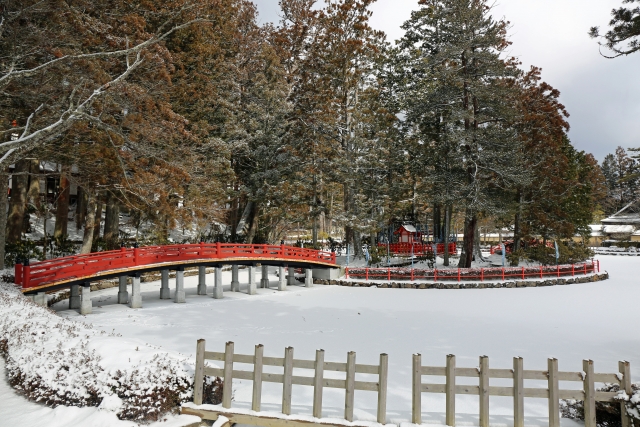
While Koyasan is beautiful year-round, winter transforms this sacred mountain into a breathtaking wonderland. The bustling crowds of peak season thin, replaced by a profound sense of quietude. Snow blankets the ancient cedars of Okunoin Cemetery, dusting the pagodas of Danjo Garan, and creating a truly ethereal atmosphere. The crisp, clean air invigorates the senses, making meditation and contemplation even more profound.
Winter in Koyasan offers a unique opportunity for introspection and connection with Japan’s spiritual heritage, allowing you to experience the true essence of its sacred sites in their most serene and visually stunning form. It’s a chance to see a side of Japan few travelers witness, far from the neon glow of its major cities.
## Best Things to Do
Koyasan is a sprawling complex of over 100 temples, but a few key sites are essential for any visitor, especially in winter.
### Okunoin Cemetery: A Walk Through Sacred History
Okunoin is Koyasan’s most sacred site and one of Japan’s most atmospheric locations. This vast Buddhist cemetery stretches for over 2 kilometers, lined with ancient cedar trees and over 200,000 moss-covered tombstones and memorials. It leads to the mausoleum of Kobo Daishi (also known as Kukai), the founder of Shingon Buddhism, who is believed to be in eternal meditation here.
A winter walk through Okunoin, with snow crunching underfoot and the misty breath of history enveloping you, is an unforgettable experience. The pathways are generally well-maintained even after snowfall. Consider joining a night tour offered by some temple lodgings for an even more mystical perspective.
[IMAGE: Path through Okunoin Cemetery in winter with snow-dusted trees]
### Kongobuji Temple & Danjo Garan: Koyasan’s Spiritual Heart
**Kongobuji Temple**, the head temple of Shingon Buddhism, boasts magnificent screen paintings (fusuma-e), beautiful rock gardens, and a profound sense of history. Its massive kitchen, used to prepare meals for large gatherings of monks, is particularly impressive. During winter, the tranquility inside the temple is amplified, providing a perfect setting for quiet reflection.
Nearby, **Danjo Garan** is the other sacred precinct, featuring numerous iconic structures. The vermilion **Konpon Daito (Great Pagoda)** is a striking landmark, visible from afar. The **Kondo (Main Hall)** and other halls here are central to Koyasan’s spiritual practices. Wandering through Garan in the snow, observing the intricate architecture against a white backdrop, feels like stepping into a historical painting.
### Experiencing a Shukubo (Temple Stay)
A shukubo is the cornerstone of the Koyasan experience. Staying overnight in one of the active Buddhist temples offers a rare glimpse into monastic life. Your stay typically includes two vegetarian meals (Shojin Ryori), access to temple facilities, and the opportunity to participate in morning prayer services (Otsutome) with the resident monks.
In winter, the warmth of your traditional Japanese room (often heated by a kotatsu or space heater) feels even more inviting after a day exploring the snowy grounds. The silence is profound, interrupted only by the chanting of monks, creating an atmosphere conducive to peace and mindfulness.
### Zen Meditation & Sutra Copying
Many shukubo offer optional activities like Ajikan meditation (a form of Shingon meditation focusing on breathing and visualization) or shakyo (sutra copying). These practices are powerful ways to calm the mind and engage with Buddhist traditions. The quiet solitude of a winter day in Koyasan provides an ideal environment for these focused, contemplative experiences. Monks or temple staff usually provide basic instructions, making them accessible even for beginners.
## Local Food & Specialties
Your culinary journey in Koyasan is an integral part of the spiritual experience, revolving around *Shojin Ryori* – traditional Buddhist vegetarian cuisine.
### Shojin Ryori: A Taste of Buddhist Devotion
This intricate, flavorful cuisine adheres strictly to Buddhist principles, using no meat, fish, or strong-smelling vegetables like garlic or onion. Instead, it emphasizes seasonal ingredients, natural flavors, and careful presentation. Expect an array of dishes featuring tofu in various forms (including the famed *goma dofu* – a rich, creamy sesame tofu), mountain vegetables, wild plants, and grains.
Each meal is a work of art, designed to nourish both body and spirit. While simple in ingredients, Shojin Ryori is remarkably sophisticated in its preparation, offering a healthy and enlightening dining experience. Most shukubo provide this as part of your stay, but you can also find it at a few local restaurants.
### Other Local Delights
Beyond Shojin Ryori, Koyasan offers a few other unique tastes. *Goma dofu* is so popular it’s sold as a snack or souvenir in shops. You might also find *Koya-dofu* (freeze-dried tofu) or local *konnyaku* (devil’s tongue jelly) dishes. For those needing a warm beverage after a snowy walk, local tea houses offer comforting Japanese green tea. While alcohol is generally not served in shukubo, some local restaurants or shops might offer *umeshu* (plum wine) or sake from Wakayama Prefecture.
## Recommended Hotels
(Shukubo)
Staying in a shukubo is highly recommended for an authentic Koyasan experience. Most offer private Japanese-style rooms, shared bath facilities (some with private options), and include dinner and breakfast.
1. **Ekoin Temple:** One of the most popular and English-friendly shukubo. Known for its beautiful gardens, Okunoin night tours, and opportunities for morning prayers, meditation, and sutra copying. Rooms are comfortable and often feature private toilets. *Estimated Cost: ¥15,000-¥25,000 per person per night.*
2. **Fudoin Temple:** Offers a slightly more secluded and luxurious experience, often praised for its exceptional Shojin Ryori and stunning moss garden. Its history dates back to the 9th century. *Estimated Cost: ¥18,000-¥30,000 per person per night.*
3. **Saizenin Temple:** A mid-range option with a lovely garden and a peaceful atmosphere. It provides a good balance of traditional experience and modern comfort. English communication might be slightly less extensive than at Ekoin but is generally sufficient. *Estimated Cost: ¥12,000-¥20,000 per person per night.*
4. **Sekishoin Temple:** Another highly-rated temple stay with beautiful rooms, excellent service, and delicious Shojin Ryori. Known for its tranquility and proximity to the main sites. *Estimated Cost: ¥15,000-¥25,000 per person per night.*
*Note: Prices vary significantly based on room type, season, and specific meal plans. Booking well in advance, especially for popular temples, is highly recommended.*
## Recommended Tours & Activities
Beyond self-guided exploration, these structured activities can enrich your Koyasan journey:
* **Okunoin Night Tour:** Many shukubo, especially Ekoin, offer guided night tours of Okunoin Cemetery. Walking through the ancient path in the dark, illuminated only by lanterns and moonlight, while a monk shares stories and history, is an incredibly spiritual and memorable experience, particularly captivating in the snow.
* **Guided Temple Tours:** Some temples or local guides offer more in-depth tours of Kongobuji or Danjo Garan, explaining the symbolism, history, and architectural details. Check with your shukubo or the Koyasan Tourist Information Center upon arrival.
* **Zen Activities:** Participating in morning prayers, Ajikan meditation, or sutra copying at your shukubo is a fundamental part of the experience. These aren’t “tours” but structured activities offered by the temple itself.
## How to Get There
Koyasan is accessible via the scenic Nankai Electric Railway, making it a relatively straightforward journey from Osaka.
### From Kansai International Airport (KIX)
1. Take the Nankai Airport Express or Nankai Rapid Express to **Shin-Imamiya Station** or **Namba Station** in Osaka. This takes approximately 35-45 minutes.
2. Transfer to the Nankai Koya Line.
### From Osaka (Namba Station)
1. From **Namba Station (Nankai Line)**, take the Nankai Koya Line express train to **Gokurakubashi Station**. This journey takes approximately 80-90 minutes.
2. At Gokurakubashi Station, transfer to the **Koyasan Cable Car**. The cable car ride is a short but steep 5-minute ascent up the mountain.
3. Upon reaching **Koyasan Station (cable car station)**, local Nankai Rinkan buses are waiting to take you to various stops around the mountain, including your shukubo.
* **Total Travel Time:** Approximately 2 hours (from Namba) to 2.5 hours (from KIX).
* **Estimated Cost:** A one-way trip from Namba to Koyasan (including train, cable car, and bus) costs around ¥1,700. Consider the **Koyasan World Heritage Ticket** (around ¥3,140-¥3,740 for a 2-day pass) which includes a round trip from Namba and unlimited bus rides on Koyasan. This pass offers significant savings.
### Getting Around Koyasan
Koyasan itself is easily navigable by foot for closer attractions, but the **Nankai Rinkan Bus** system is excellent for reaching sites further apart or when you’re tired from walking. Your Koyasan World Heritage Ticket covers these bus rides.
## Travel Tips for International Visitors
Stay Connected in Japan
Get a Japan eSIM for fast, reliable mobile data.
Use code JAPANTRAVELHUB for a discount.
To ensure a smooth and enriching winter trip to Koyasan, keep these practical tips in mind:
### Best Time to Visit for Snow
The highest likelihood of significant snowfall in Koyasan is typically **January and February**. Early March can also see some snow, but the deeper winter months offer the most picturesque, snow-covered landscapes. Temperatures will be below freezing, so come prepared.
### What to Pack for Winter
* **Warm Layers:** Thermal underwear, sweaters, fleece.
* **Waterproof & Windproof Outerwear:** A good winter coat, waterproof pants are helpful for walking in snow.
* **Warm, Waterproof Footwear:** Comfortable walking shoes or boots with good grip are essential for snowy and potentially icy paths.
* **Hat, Gloves, Scarf:** Non-negotiables for staying warm.
* **Small Backpack:** For day trips, water, and snacks.
* **Portable Charger:** Cold weather drains phone batteries faster.
### Etiquette Essentials
* **Silence & Respect:** Koyasan is a sacred place. Maintain a respectful demeanor, especially in temples and Okunoin. Keep voices low.
* **Footwear:** Always remove your shoes before entering temples and shukubo. Slippers are usually provided.
* **Photography:** Be mindful. Some areas may prohibit photography, especially during prayer services. Always ask permission if unsure.
* **Morning Prayers:** While participation is optional, it’s a profound experience. Dress modestly and arrive a few minutes early.
### Connectivity & Language
While some shukubo offer Wi-Fi, it might be spotty. Consider renting a portable Wi-Fi device or purchasing a local SIM card if constant connectivity is crucial. English is spoken at most popular shukubo and the tourist information center, but learning a few basic Japanese phrases (hello, thank you, excuse me) will enhance your experience.
### Costs & Booking
Temple stays are popular, especially those with English-speaking staff. Book your shukubo several months in advance, particularly for peak snow season. Budget for your accommodation (¥10,000-¥30,000 per person per night), the Koyasan World Heritage Ticket (~¥3,140-¥3,740), and any additional snacks or souvenirs. While ATMs are available, it’s wise to carry some cash, especially for smaller shops or bus fares if you don’t have the pass.
## Conclusion
A winter journey to Koyasan is more than just a trip; it’s an immersive spiritual adventure into the heart of Japan’s ancient traditions. The crisp air, the silent snow, the profound serenity of a temple stay, and the contemplative beauty of its sacred sites combine to create an experience unlike any other. For first-time international visitors, it offers a deeply authentic and enriching encounter with Japanese culture and spirituality, promising moments of peace and reflection that will linger long after the snow has melted. Embrace the quiet magic of Koyasan in winter, and discover a side of Japan that truly nourishes the soul.


コメント