The Ohara Museum of Art is worth planning as one ticket across three buildings, not as three separate admissions. If your Kurashiki stop is short, start with the Main Gallery. Add the Craft and Asian Gallery when you want a broader collection, and put the Kojima Torajiro Memorial Hall into the plan only if its shorter opening window fits. The Annex remains closed for an extended period; do not build a route around it.
| Admission | One ticket covers the Main Gallery, Craft and Asian Gallery, and Kojima Torajiro Memorial Hall. Adult ¥2,000; ages 6–17 ¥500; preschool children free. The Annex is closed. |
|---|---|
| Hours | Main/Craft and Asian: 09:00–17:00 March–November, last entry 16:30; 09:00–15:00 December–February, last entry 14:30. Kojima hall opens at 10:00 and closes at 16:00 or 15:00 by season. |
| Closed days | Usually Monday, with holiday and August exceptions; temporary closures also occur. Check the museum calendar for your date. |
| Reservation | Individual admission is normally walk-up at the museum ticket counter; the museum says it has no advance online admission site. Group arrangements differ. |
| Access | About 15 minutes on foot from JR Kurashiki Station in the Bikan district. The museum has no dedicated parking lot. |
| Visit order | Main Gallery first for a short stop; add Craft and Asian for breadth; plan Kojima around its 10:00 opening and earlier close. |
| Trade-off | Trying all three in one short visit cuts Bikan walking time; unstamped buildings can wait for another day, but re-entry to a stamped building is generally unavailable. |
These are planning facts, not a promise for your travel day. Confirm the official museum calendar for your visit before paying. Check the museum’s current admission and opening calendar and ticket FAQ before visiting or paying, especially if a holiday, temporary closure or exhibition change could affect your plan.
Choose the buildings before you enter
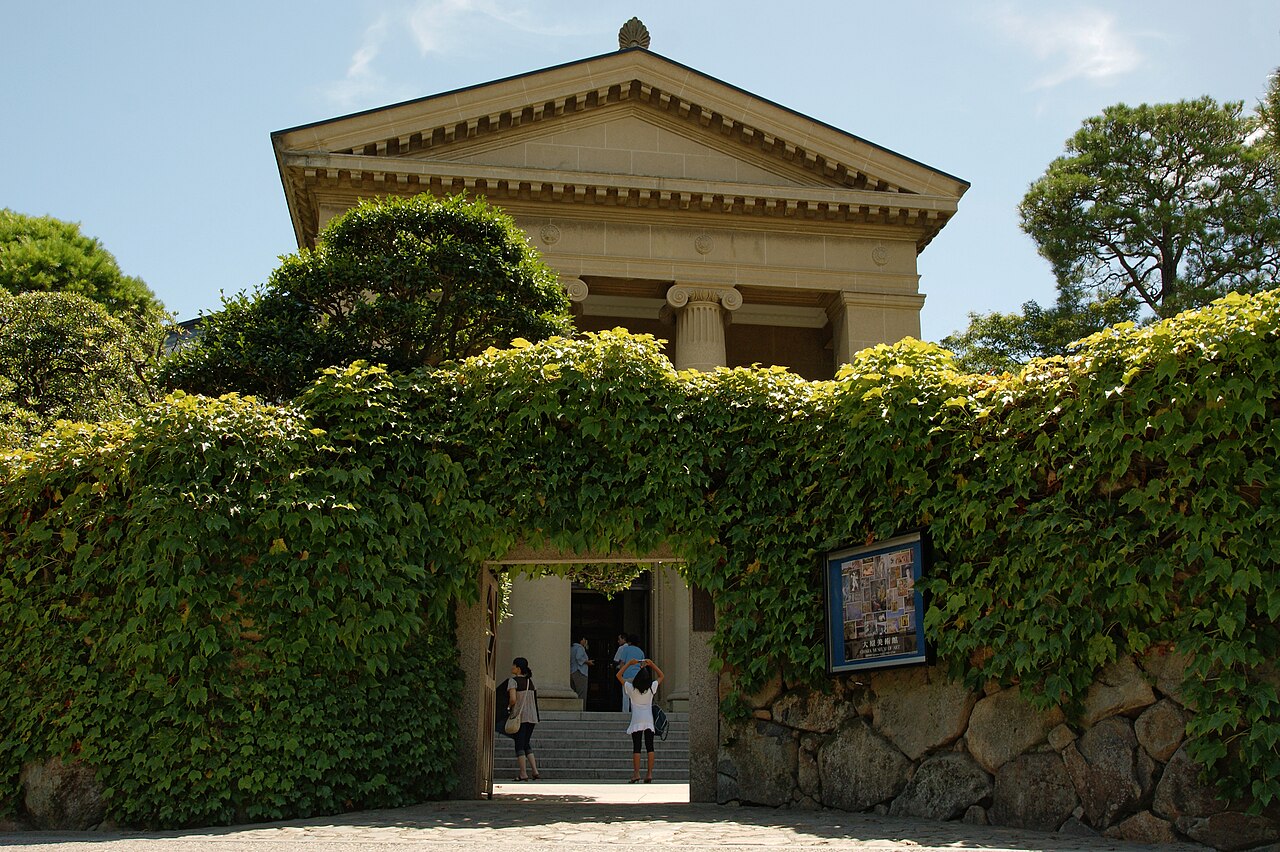
The Main Gallery is the simplest anchor for a first visit. It holds the Western and Japanese collection most people associate with the museum. Arrive there first if you have only a short stop between a train and another Kurashiki activity. The ticket is a common admission, so you need not decide at the counter whether to buy a separate add-on for the other two open buildings. You do need to watch their different doors and closing times.
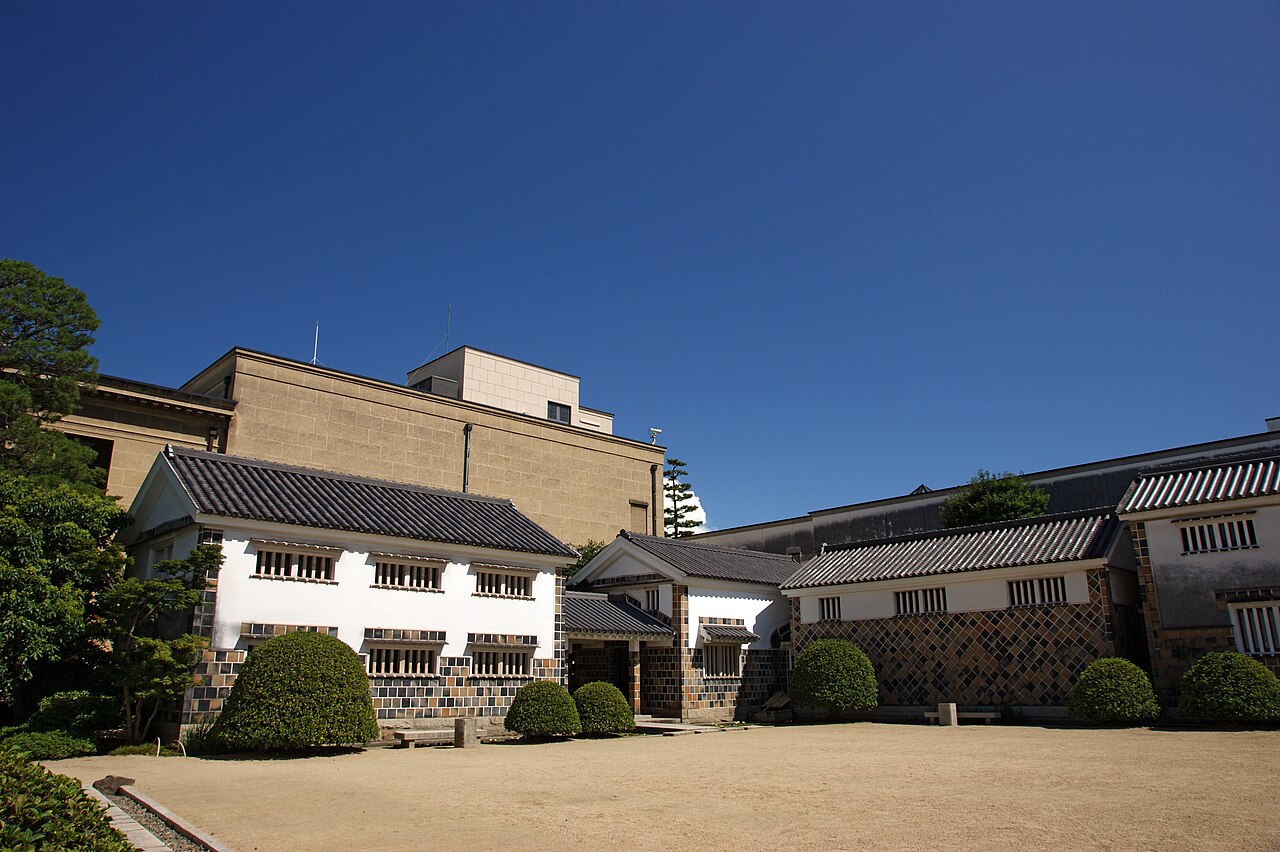
The low white buildings in the photograph illustrate the Craft and Asian Gallery area. Choose that second when ceramics, woodblock prints, textiles and Asian art appeal more than squeezing another stop into the Bikan district. The museum floor guide describes its converted storehouse galleries. Exhibitions and individual works can rotate or travel, so check the current display list if one work is the reason for your visit.
The Kojima Torajiro Memorial Hall is part of the same common ticket, but it begins admitting visitors at 10:00. In the March–November schedule it closes at 16:00, one hour before the Main Gallery; in December–February it closes at 15:00 with the other main buildings. If it is your priority, do not save it for an unplanned final hour. A 09:00 museum arrival can use the Main Gallery first and move to Kojima after it opens. The exact order still depends on the current calendar and exhibitions.
Use the common ticket without rushing
The museum says staff stamp the ticket at each building. A building that has not been stamped can be visited on a different day, and the ticket has no expiry. In general, the same building cannot be re-entered after its visit. That creates a useful choice for an overnight visitor: see the Main Gallery now, leave the other building or buildings unstamped, and return when the weather or train schedule gives you a better window. It does not mean you can repeatedly enter the same gallery.
For a day trip, the split-visit option may be less useful than choosing one or two buildings well. Allow time for ticket purchase, walking between doors and the Bikan streets. The museum warns that issuing tickets can take some time, especially for groups. Do not equate the published last-entry time with enough time for a satisfying look around. If you reach Kurashiki late in winter, the earlier 14:30 cutoff can make a museum-first route essential.
Fit the museum into a Kurashiki walk
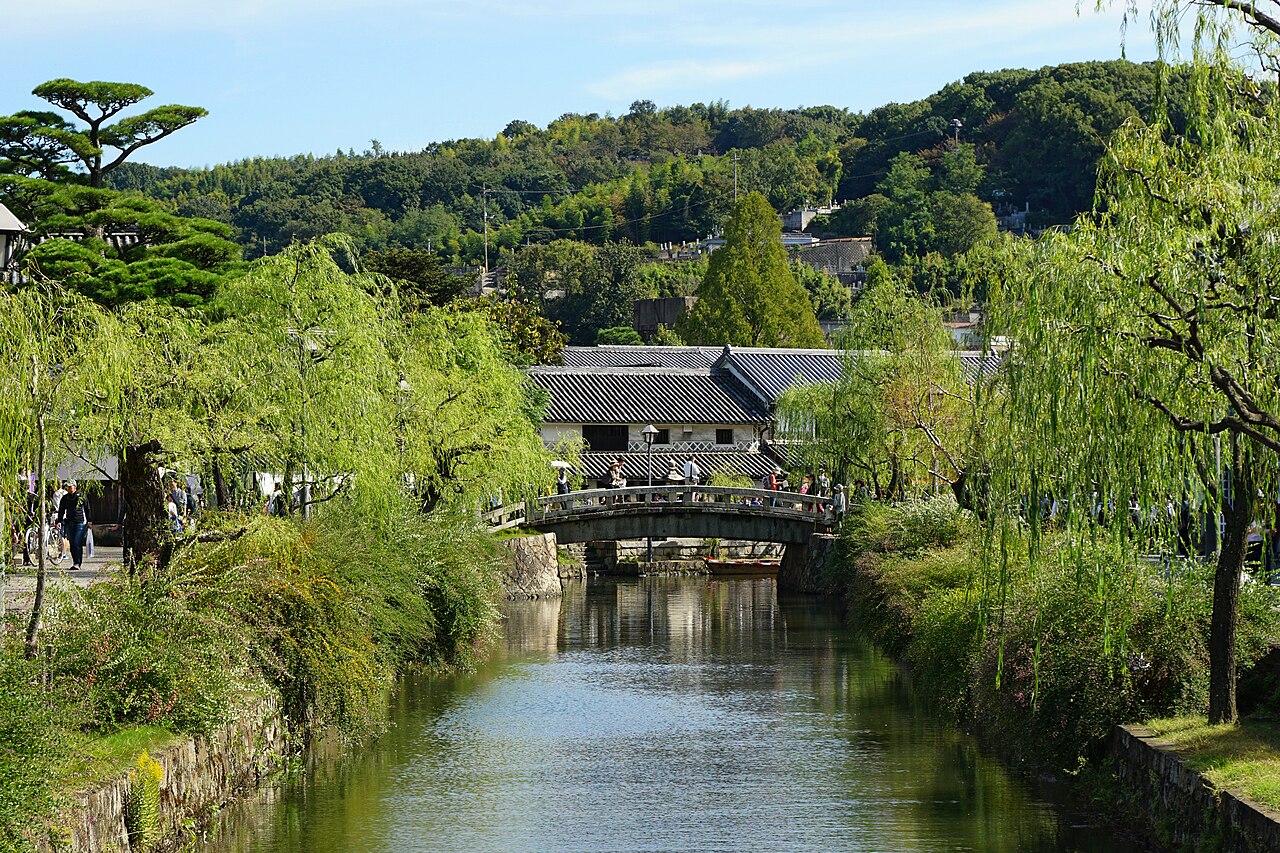
The museum sits inside the Bikan Historical Area. From JR Kurashiki Station, the museum’s access guide estimates about a 15-minute walk. The canal photograph shows the district’s pedestrian setting, but the museum entrance is a separate stop; follow the current official map rather than treating the bridge as a museum doorway. If you have luggage or limited mobility, plan the station-to-door leg before committing to a tight entry.
A practical short visit is station → Main Gallery → a brief Bikan walk → station. With more time, place the Craft and Asian Gallery or Kojima hall before the canal and shops, using the shorter hall hours to choose the order. If you are arriving by car, the museum says it has no own or affiliated parking; use the official nearby parking guidance and allow for the final walk. For wider regional planning, the Okayama guide sets Kurashiki in the prefecture, while the Hiroshima and Kagawa guides help with adjacent travel days.
Make the final call
Choose the Main Gallery alone when the train schedule leaves only a modest window. Add Craft and Asian for collection breadth; choose Kojima when its hours and subject are worth a deliberate second stop. If the museum calendar shows a closure or the arrival time falls too near last entry, keep the Bikan walk and move the gallery visit to another day. Check the museum’s current hours, admission and closure calendar before your visit, and confirm any special exhibition or access changes for your own date.
Official sources: museum visitor information, museum FAQ, floor guide, access guide, and Kurashiki tourism area guide.